
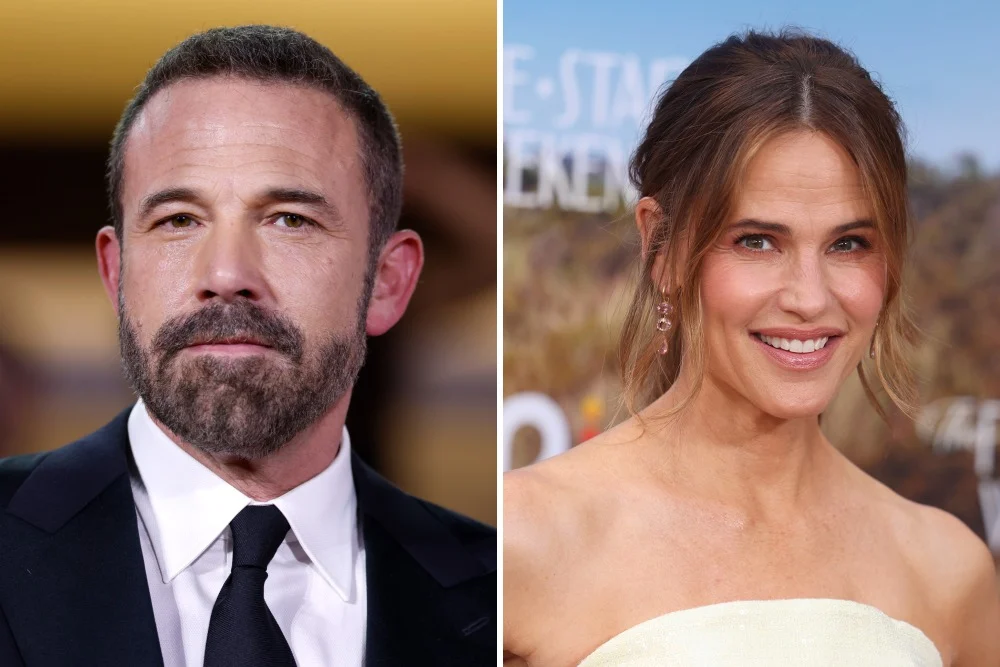
The filmmaking process is rarely a linear trajectory, and the development of the upcoming Netflix thriller Animals serves as a case study in how logistical hurdles and creative considerations can fundamentally reshape a project. Directed by Ben Affleck, the film—a high-stakes kidnapping drama—has undergone significant casting evolutions since its inception. Originally conceived as a vehicle that would reunite Affleck with his former spouse, Jennifer Garner, the project ultimately landed on a different lead actress, Kerry Washington, while Affleck himself stepped into the role originally intended for his longtime collaborator and friend, Matt Damon.
The Original Vision and Logistical Planning
When the project first entered the development phase, Affleck’s creative vision was anchored by a desire to bring a specific professional dynamic to the screen. In recent interviews, the Academy Award-winning filmmaker noted that his interest in casting Jennifer Garner was rooted in both artistic admiration and practical coordination. The two actors share custody of their children, and Affleck reasoned that starring in a feature together would allow for a more streamlined schedule, effectively merging their professional obligations with their familial responsibilities.
Beyond the logistical convenience, Affleck expressed a profound respect for Garner’s range as an actor. He noted that he believed there were untapped layers to her craft—roles that required a depth and nuance she had yet to showcase in previous major studio projects. By placing her in the lead, he aimed to leverage a familiarity that could potentially enhance the chemistry between the two central characters. For a director, this "pre-built" connection can often serve as a catalyst for performance, allowing for a shorthand in communication that might otherwise take weeks of rehearsals to cultivate.
The Domino Effect of Scheduling Conflicts
The project’s path to production was disrupted by a series of industry-standard scheduling conflicts, a common occurrence in Hollywood where actors frequently balance multiple concurrent commitments. Initially, the role of Mark Kimball—the Los Angeles mayoral candidate whose world is upended when his son is kidnapped—was earmarked for Matt Damon. The two have maintained a prolific partnership, from their breakthrough success with Good Will Hunting to their more recent collaboration on Air.
The production timeline for Animals hit a significant roadblock when a conflicting project, The Odyssey, demanded Damon’s attention during the same window. Affleck made the difficult decision to pause production just two weeks before cameras were set to roll. This postponement, while necessary, effectively uncoupled the project from its original ensemble. By the time the film was revived, the shift in the production calendar made it impossible for Damon to return to the project, leading to a lighthearted but public exchange between the two. Affleck, leaning into their well-documented history of playful antagonism, joked in interviews about Damon’s decision to prioritize other work, framing it as a "smaller" career choice that might lead to future professional regret.
Addressing the "Baggage" Factor
With Damon no longer available to play the lead, Affleck stepped into the role of Mark Kimball himself. This development, however, created a new hurdle regarding the casting of his on-screen wife. Had Garner remained in the role, the film would have featured a real-life former couple playing a married couple in crisis. Both Affleck and Garner, displaying a pragmatic approach to their careers, ultimately concluded that the public and media narrative surrounding their personal history would overshadow the actual content of the film.
In industry terms, this is often referred to as "baggage"—the external associations and audience preconceptions that viewers bring into a theater, which can inadvertently pull them out of the fictional world of the story. Affleck articulated this concern with transparency, noting that while he and Garner maintain a strong, supportive friendship, the risk of the audience focusing on their real-life relationship rather than the characters of Mark and Abigail was too high. The decision to move forward without a real-life pairing was a strategic move to preserve the integrity of the narrative. Consequently, the role of Abigail was cast with Kerry Washington, whose performance is expected to ground the film in the high-stakes, frantic energy required by the script.
Production Context and Creative Collaborations
Animals is a collaborative effort, with the screenplay written by Affleck, Connor O. McIntyre, and Billy Ray. The plot centers on a mayoral candidate facing an impossible moral and financial dilemma: the abduction of his child. The premise is designed to explore themes of power, vulnerability, and the ethical compromises required in the public eye.
The film serves as another entry in Affleck’s growing portfolio as a director, a career pivot that has earned him critical acclaim for his ability to handle gritty, character-driven tension. The involvement of Billy Ray, known for his work on taut thrillers like Captain Phillips and Shattered Glass, suggests a film that will prioritize pacing and psychological intensity. By moving the project to Netflix, the production secures a global distribution platform, reflecting a broader trend of mid-budget, high-concept thrillers finding a primary home on streaming services.
The Implications of Casting Dynamics
The situation surrounding Animals highlights the complexities of modern casting and the influence of the "celebrity ecosystem." In an era where social media and tabloid culture can amplify the personal lives of performers, filmmakers must weigh the benefits of chemistry against the potential for distraction. When two high-profile actors who share a personal history are cast together, the film is inherently marketed through the lens of that history, which can be a double-edged sword.
For Affleck, the decision to pivot away from the initial casting plan was a calculated effort to ensure that Animals stands on its own merits. By removing the "baggage" of his personal life from the screen, he has cleared the path for the audience to engage directly with the film’s narrative stakes. This reflects a shift toward prioritizing character authenticity over the "event" factor that a real-life couple might bring to a project.
Industry Trajectory and Release
The evolution of Animals serves as a reminder that the final product presented to an audience is often the result of hundreds of small, pragmatic pivots. From the initial conceptualization to the final casting decisions, the project has navigated the standard pressures of the film industry—scheduling, personal branding, and artistic intent.
As the October 9 release date on Netflix approaches, the focus shifts from the behind-the-scenes maneuvering to the film itself. The collaboration between Affleck and Washington is poised to be the centerpiece of the production. While the film might have looked very different had the original scheduling alignment held, the resulting project appears to be a focused, intense thriller that prioritizes the narrative of a parent in crisis over the personal history of its lead actor. In the long run, the decision to prioritize the film’s narrative clarity over the potential novelty of an on-screen reunion with Garner may prove to be a defining factor in how Animals is received by critics and viewers alike. The industry will be watching closely to see if this shift in vision has successfully allowed the film to escape the gravity of its star’s public profile.
