
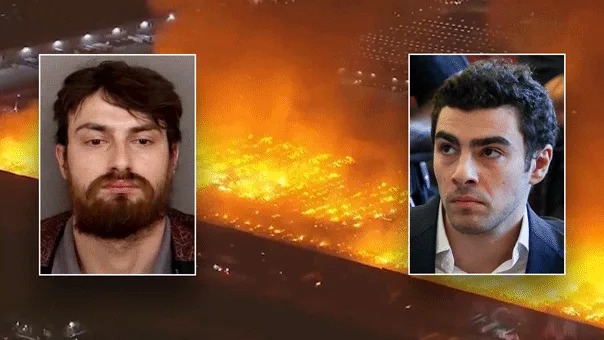
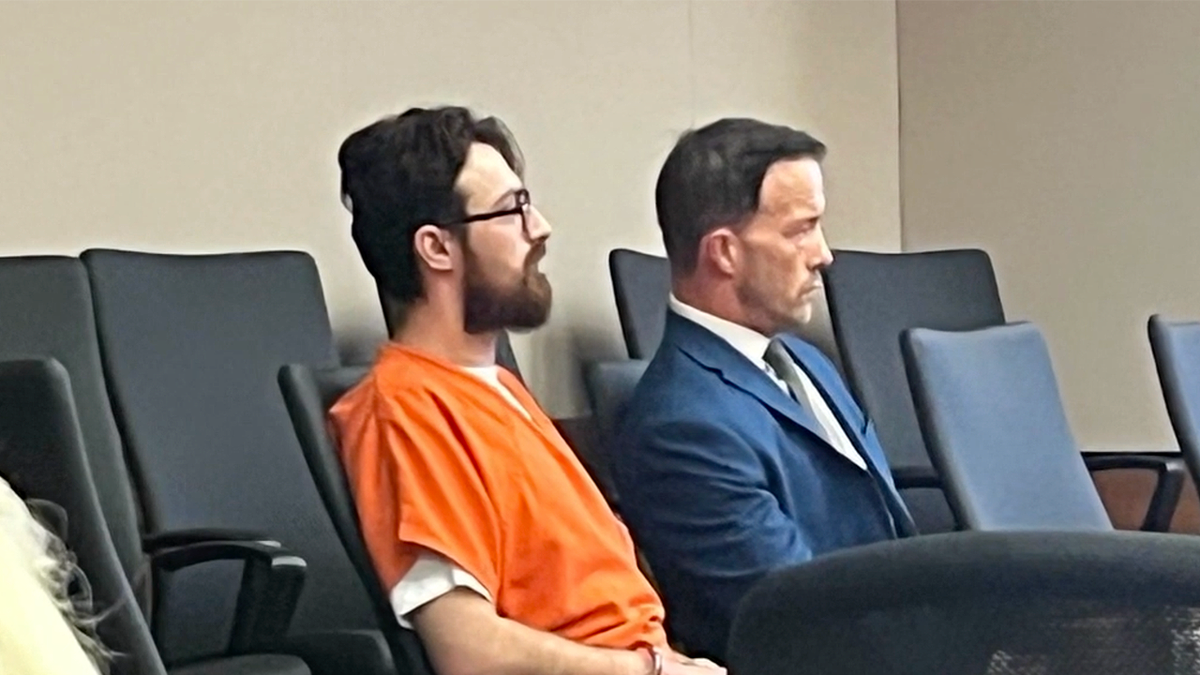
A devastating fire that ravaged a sprawling Kimberly-Clark distribution center in Ontario, California, on April 7, 2026, has led to the arrest and federal indictment of Chamel Abdulkarim, a 29-year-old former employee from Highland. Authorities allege Abdulkarim deliberately ignited the six-alarm inferno, causing an estimated $500 million in damages, and subsequently invoked the name of Luigi Mangione, a recent high-profile suspect in a CEO’s killing, while expressing grievances over wages and corporate profits. Abdulkarim, who pleaded not guilty to both federal and state charges on Monday, stands accused of willfully and maliciously orchestrating one of the Inland Empire’s most destructive warehouse fires, an act prosecutors describe as a direct assault on the principles of free enterprise and the region’s vital economic infrastructure.
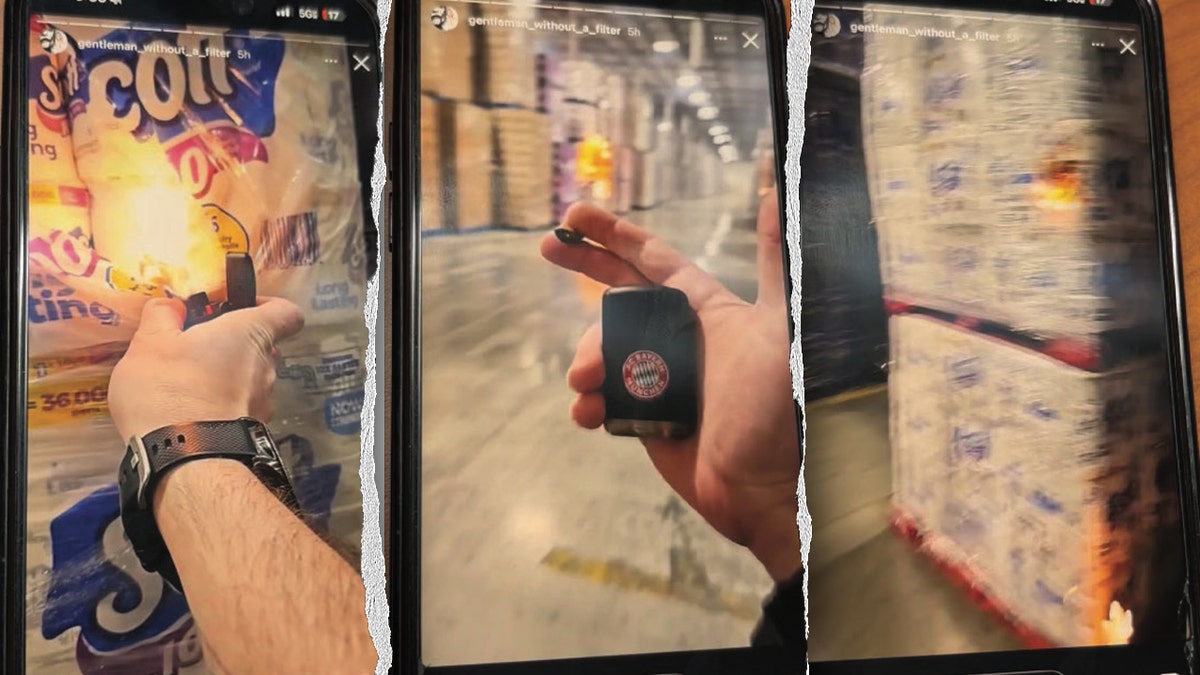
The incident unfolded in the early morning hours, plunging the 1.2 million-square-foot facility into a catastrophic blaze. According to a criminal complaint filed by the Department of Justice, Abdulkarim, who was employed at the distribution center through a third-party logistics provider, filmed himself setting multiple pallets of paper goods ablaze. In the chilling video, he reportedly voiced profound dissatisfaction with his compensation, stating, "If you’re not going to pay us enough to f***ing live… at least pay us enough not to do this." The flames, fueled by vast quantities of highly flammable household products such as Kleenex and Cottonelle, quickly escalated beyond control. The inferno spread rapidly, causing the massive roof to collapse and ultimately leveling the entire structure. The scale of the destruction required the response of approximately 175 firefighters, battling the conflagration for days in what has been described as one of the most challenging and costly fires in the region’s history. Miraculously, no injuries were reported despite the immense danger posed by the blaze. Abdulkarim was apprehended approximately two miles from the scene shortly after the fire erupted.
Alleged Motive and the "Luigi Effect"
The motivation behind Abdulkarim’s alleged actions appears rooted in profound economic discontent and a desire for broader societal impact. Investigators revealed that following the arson, Abdulkarim allegedly bragged about the destruction in a series of texts and phone calls. In one message, he purportedly stated, "I just cost these f***ers billions," while vehemently railing against corporate profits and shareholders. This sentiment, combined with his recorded grievances about wages, paints a picture of an individual who felt deeply disenfranchised and sought to retaliate against perceived economic injustices.
A particularly disturbing aspect of the allegations is Abdulkarim’s alleged comparison of himself to Luigi Mangione, the individual accused in the recent high-profile killing of UnitedHealthcare CEO Brian Thompson. U.S. Attorney Bill Essayli cited a separate call where Abdulkarim reportedly declared, "Luigi popped that mutherf***er," adding, "a lot of people are going to understand." This reference has drawn significant attention from law enforcement and experts, highlighting a potential emerging trend of grievance-fueled violence.
Nicole Parker, a Fox News contributor and former FBI special agent, coined the term "Luigi effect" to describe this phenomenon. Parker explained that "Luigi garnered a substantial amount of attention and empathy from many because of his ’cause’ as a justification for his grievance. Several are now copying him to one degree or another in an effort to gain that same level of attention and hero status." She elaborated that Abdulkarim "believes he was speaking and acting out on behalf of the American people" in his tirades about inadequate worker pay. Parker further noted that "Chamel was proud to have cost over $1 billion to the company," emphasizing the alarming nature of offenders resorting to extreme violence to make a point. The "Luigi effect," according to Parker, underscores a troubling societal trend where "offenders have learned to focus attention on their grievance through violence due to the sensationalization from online platforms and social media." This phenomenon presents new challenges for law enforcement, particularly the FBI, who will be "digging into his behaviors and what led him down the path to violence." Parker unequivocally stated, "Turning to violence to settle a grievance is never the answer. He chose to carry out these awful crimes, but he will not choose the consequence."
Legal Ramifications and Official Responses
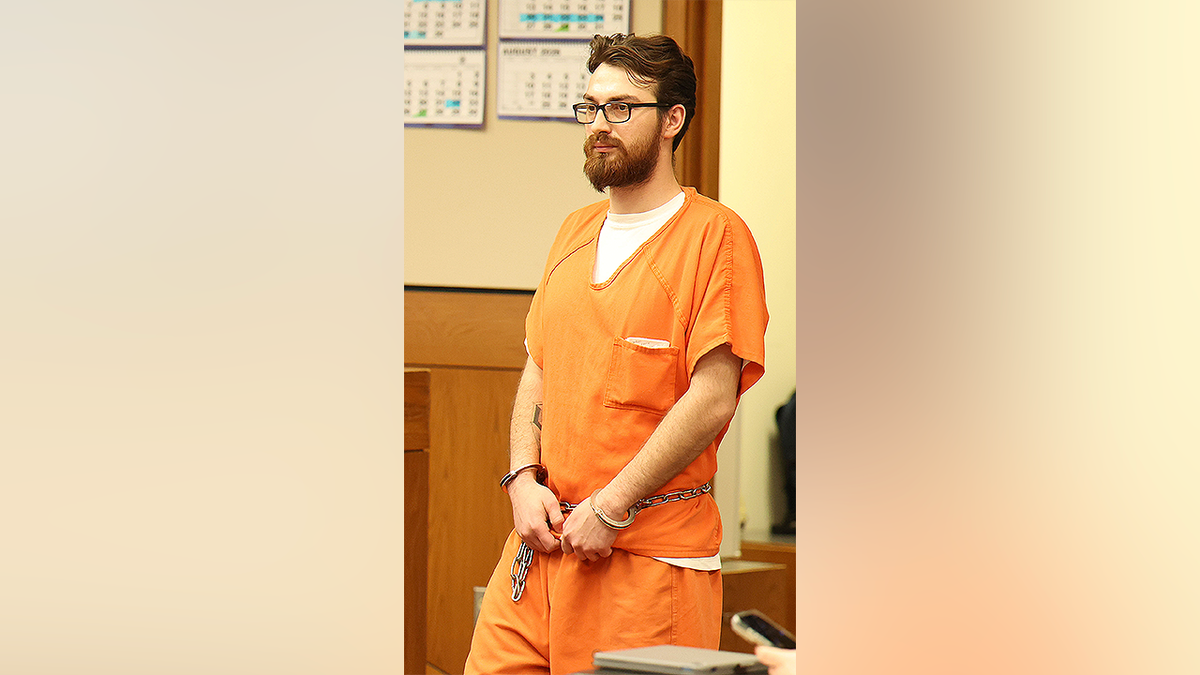
Chamel Abdulkarim faces severe legal consequences for his alleged actions. He is charged federally with arson of a building used in interstate and foreign commerce, a charge that carries a mandatory minimum sentence of five years and a maximum of up to 20 years in prison if convicted. Federal prosecutors have indicated that the case involves aggravating factors, including the immense scale of destruction and the potential danger posed to others, which could further influence sentencing. In addition to the federal charges, Abdulkarim faces multiple state felony counts from San Bernardino County. These include aggravated arson, a top-tier felony, along with several additional counts of arson of a structure. These state charges could significantly increase his overall prison exposure, making this a complex and protracted legal battle.
Authorities have voiced strong condemnation of Abdulkarim’s alleged actions. U.S. Attorney Bill Essayli underscored the foundational principles of the American economic system, stating, "America is founded on free enterprise and capitalism… Anyone who attacks our values, our way of life, our system… we’re gonna come after aggressively." This statement reflects the gravity with which federal authorities view acts that disrupt commercial operations and challenge established economic structures.
San Bernardino County District Attorney Jason Anderson also expressed profound dismay at the alleged crime. Anderson described arson as "a real head-scratcher," questioning the rationale behind such a destructive act. He lamented the far-reaching consequences, stating, "I do not understand somebody… to displace people from their jobs, to ruin commerce, to get in the way of labor, to put people in physical harm." Anderson’s comments highlight the immediate and tangible impact on the local community, from job losses to broader economic disruption, and the inherent danger such acts pose to public safety.
Broader Impact and Implications
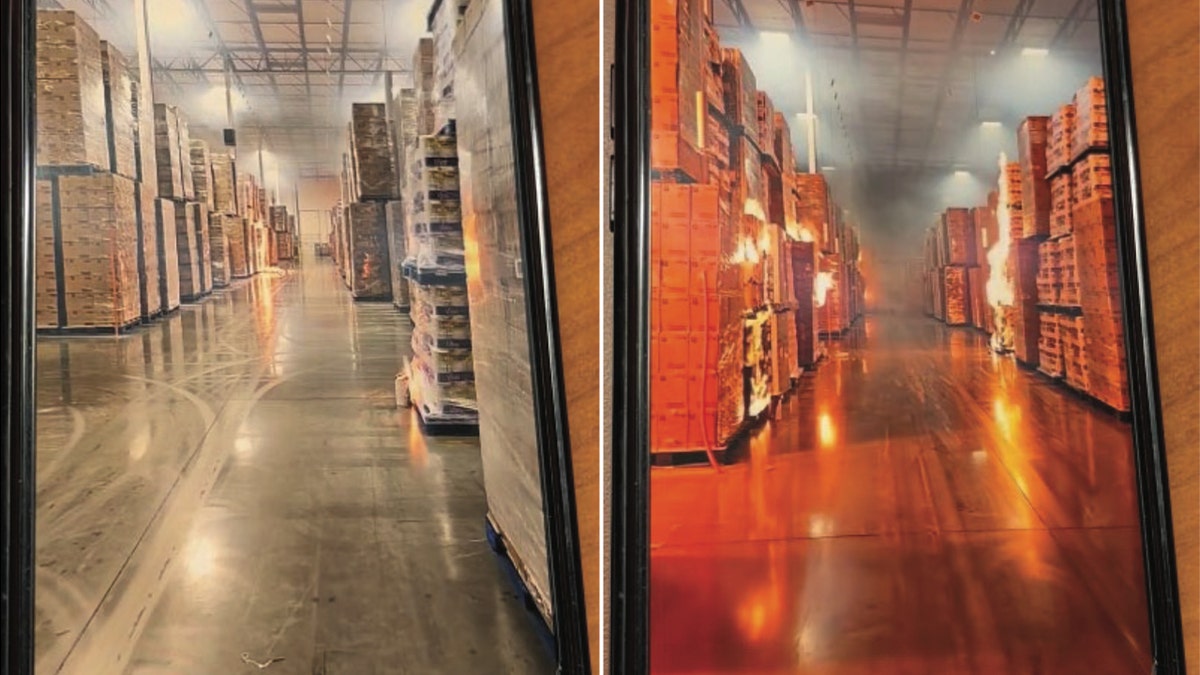
The destruction of the Kimberly-Clark distribution center carries significant broader implications, extending far beyond the immediate financial loss. The Inland Empire, a vast region in Southern California, serves as a critical logistics and warehousing hub for the entire Western United States. Its strategic location, extensive transportation networks, and abundant land have attracted numerous major corporations, making it an indispensable link in national and international supply chains. The loss of a 1.2 million-square-foot facility, particularly one housing essential consumer goods from a global brand like Kimberly-Clark, creates substantial ripple effects.
Firstly, the economic impact on the region is considerable. The estimated $500 million in damages represents a direct loss, but the indirect costs are likely much higher. These include the immediate loss of hundreds of jobs at the distribution center, impacting local families and increasing unemployment rates. Kimberly-Clark, a Fortune 500 company known for brands like Huggies, Scott, and Viva, will face immense challenges in rerouting its supply chain, potentially leading to delays in product distribution and increased costs that could ultimately be passed on to consumers. The disruption to the flow of essential household products could be felt across several states, highlighting the vulnerability of modern supply chains to localized acts of sabotage.
Secondly, the incident raises concerns about workplace security and the mental health of employees in the logistics sector. Abdulkarim worked for a third-party logistics provider, a common arrangement in large distribution centers. This structure can sometimes lead to a disconnect between employees and the ultimate corporate entity, potentially exacerbating feelings of alienation or unfair treatment. The alleged motive—grievances over wages—points to broader economic anxieties that can fester and, in extreme cases, lead to destructive acts. Companies in the logistics industry may need to re-evaluate their employee relations, compensation structures, and security protocols to mitigate similar risks.
Thirdly, the "Luigi effect" described by former FBI agent Nicole Parker points to a worrying societal trend where individuals, fueled by perceived injustices and amplified by online platforms, resort to violence as a means of expressing their grievances and seeking notoriety. This phenomenon poses a serious challenge to public safety and social cohesion. The sensationalization of such acts on social media can, unfortunately, inspire copycat incidents, making it crucial for law enforcement and communities to address the underlying factors that contribute to such radicalization and to counter narratives that glorify violence.
The legal proceedings against Chamel Abdulkarim will be closely watched, not only for their immediate outcome but also for the precedents they may set regarding grievance-fueled arson and the intersection of economic discontent with criminal behavior. The case underscores the intricate challenges of maintaining both economic stability and public safety in an era marked by heightened social and economic pressures. As the investigation continues and the legal process unfolds, the community of Ontario and the broader Inland Empire region will grapple with the physical and economic scars left by this devastating blaze, hoping for justice and a renewed sense of security in their vital industrial landscape.

