
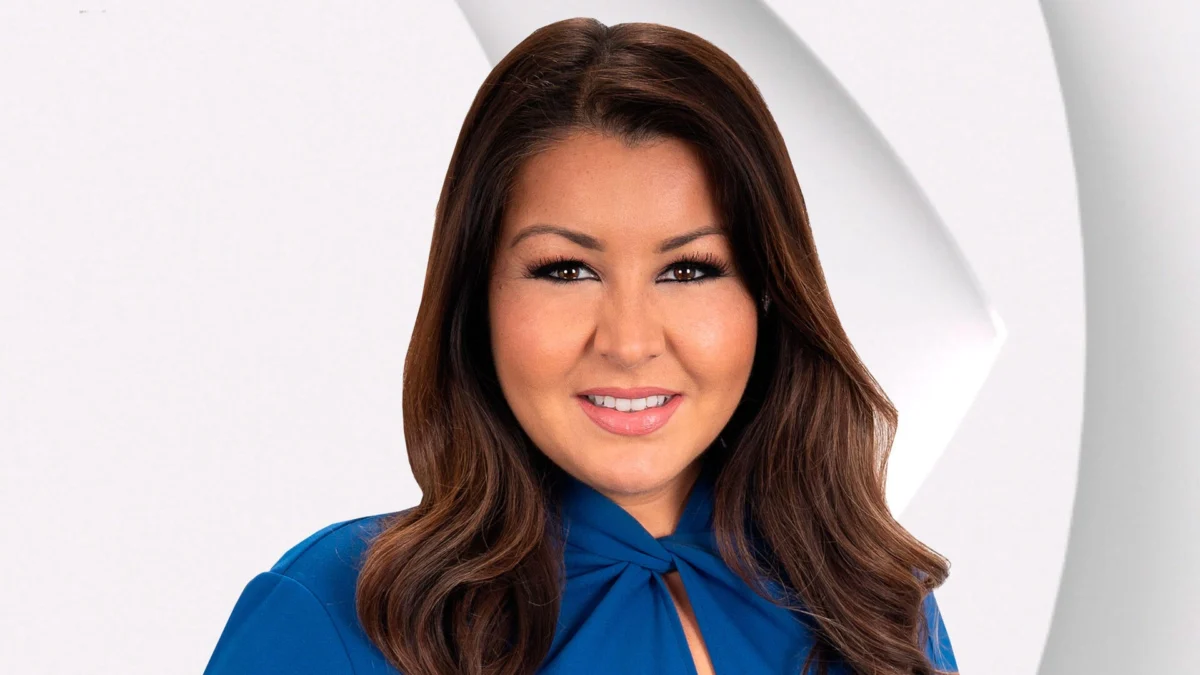
The digital personality known to his hundreds of thousands of followers as "Clavicular," whose legal name is Braden Peters, was hospitalized in Miami on Tuesday night, April 14, 2026, after suffering a suspected overdose during a live broadcast. The incident sent shockwaves through his online community and reignited concerns regarding the pressures and perils of influencer culture, particularly within niche online communities promoting extreme body modification and lifestyle choices. Emergency services were dispatched to the Brickell neighborhood, a bustling urban center in Miami, in response to reports of a 20-year-old male experiencing a medical emergency consistent with a drug overdose.
The Alarming Livestream and Emergency Response
The sequence of events leading to Peters’ hospitalization unfolded in real-time on Tuesday evening, leaving his vast online audience in a state of alarm. During a scheduled livestream, a medium through which Peters frequently interacts with his followers, viewers reportedly observed a progressive deterioration in his demeanor and coherence. Witnesses from the online broadcast described Peters as appearing increasingly disoriented and "out of it" before the live feed abruptly terminated. The sudden cessation of the broadcast, coupled with Peters’ visible distress, immediately triggered widespread concern and speculation among his followers across various social media platforms.
Shortly after the livestream concluded, official reports confirmed the involvement of emergency services. A spokesperson for the City of Miami Fire-Rescue confirmed that crews were called to the vicinity of 9th Street and South Miami Avenue in Brickell, a dense residential and commercial district, following a report of a possible overdose involving a 20-year-old man. While specific details regarding the substance involved or Peters’ exact medical condition have not been publicly disclosed by authorities, a source close to Clavicular informed CBS News that a drug overdose was strongly suspected. The rapid response by paramedics underscores the gravity of the situation and the immediate danger Peters was perceived to be in. Such incidents highlight the often-unforeseen consequences when personal struggles play out in the hyper-public arena of live-streamed content, challenging the boundaries between entertainment and genuine medical emergency.
Braden Peters: The Persona of "Clavicular" and the "Looksmaxxing" Phenomenon
Braden Peters, under his online moniker "Clavicular," has cultivated a significant and often controversial presence in the digital landscape. He is widely recognized as a prominent figure within the "looksmaxxing" community, a subculture predominantly found online where individuals engage in various practices, often extreme, to enhance their physical attractiveness. The term "looksmaxxing" encompasses a broad spectrum of activities, from cosmetic surgeries and specialized diets to unconventional and sometimes dangerous self-improvement regimens, all aimed at achieving an idealized aesthetic. The philosophy often emphasizes facial symmetry, lean musculature, and specific bone structures, with a particular focus on the clavicle region, which likely inspired Peters’ chosen alias.
Peters has been remarkably candid about his personal journey within this subculture, openly discussing the rigorous and often unhealthy methods he employs to maintain his physique. Most notably, he has publicly admitted to using methamphetamine, a highly addictive and dangerous stimulant, as an appetite suppressant to achieve and maintain an extremely lean body composition. This admission, documented in various interviews and online content, including a February 2026 New York Times article exploring the looksmaxxing trend, has been a significant point of contention and concern among health professionals and digital wellness advocates. The use of illicit substances for weight control is a perilous practice, known for severe health consequences including cardiovascular issues, neurological damage, and profound psychological dependence, dramatically increasing the risk of overdose. Peters’ public promotion of such methods has drawn criticism for potentially normalizing dangerous behaviors among his impressionable audience, many of whom are young and susceptible to extreme body image pressures.
The looksmaxxing movement itself is a complex phenomenon, often rooted in insecurities and a desire for social validation, amplified by the curated and often unrealistic standards presented on social media. While some practices involve benign self-care, the more extreme ends of the spectrum, as exemplified by Peters’ admitted drug use, venture into medically unsafe and psychologically damaging territory. The incident on Tuesday night casts a stark light on the hidden dangers lurking beneath the surface of seemingly aspirational online trends.
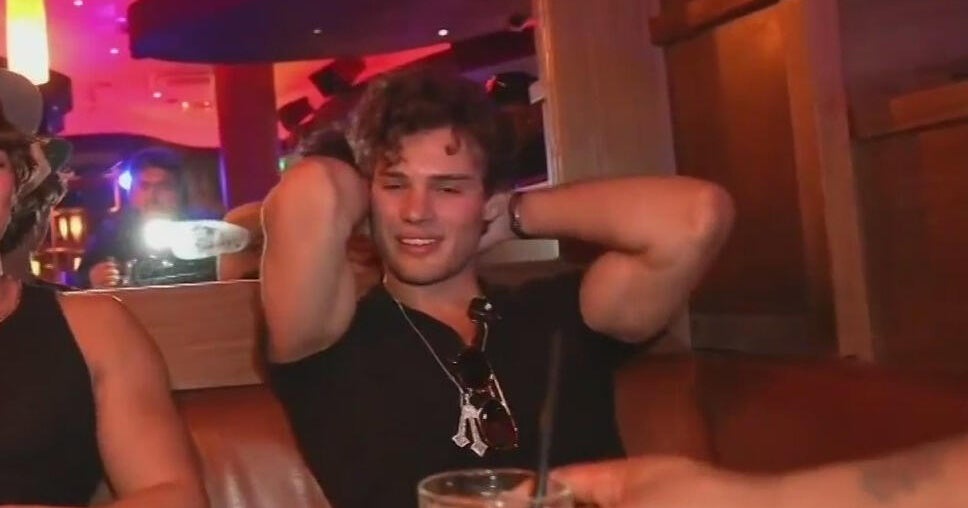
A History of Controversy: Previous Legal Troubles
The suspected overdose incident is not the first time Braden Peters has found himself embroiled in public controversy or legal entanglements. Just a month prior, Peters was arrested in Fort Lauderdale on a battery charge, stemming from an incident that occurred in February 2026 in Osceola County, Florida, south of Orlando. This prior arrest paints a picture of a pattern of behavior that extends beyond mere controversial online content and into the realm of criminal conduct.
According to reports from the Osceola County Sheriff’s Office, law enforcement initiated a battery investigation following an incident on February 2 at an Airbnb rental in Kissimmee, which had been rented by Peters. The investigation revealed a physical altercation between two women at the property. Crucially, the sheriff’s office determined that Peters had not only instigated the fight but had also allegedly recorded and subsequently posted footage of the incident on social media, with the intent to exploit the women involved. This alleged exploitation for online content further underscores a concerning approach to generating engagement, prioritizing sensationalism over the safety and dignity of others.
An arrest warrant was subsequently issued for Peters following the conclusion of the Osceola County investigation. He was eventually apprehended in Fort Lauderdale, highlighting the inter-county coordination involved in bringing him to justice for the alleged battery charge. The legal proceedings related to this incident are ongoing, adding another layer of complexity to Peters’ public persona and private life. The Fort Lauderdale arrest, preceding the Miami overdose by mere weeks, suggests a period of escalating personal and legal challenges for the influencer, raising questions about his mental state and decision-making leading up to the most recent crisis.
Broader Implications: Influencer Culture, Mental Health, and Substance Abuse
The hospitalization of "Clavicular" serves as a poignant and concerning case study at the intersection of influencer culture, mental health, and substance abuse in the digital age. The relentless pressure to maintain an idealized image, cultivate engagement, and continuously generate content can place immense strain on individuals in the public eye, particularly those whose brand is built on controversial or extreme lifestyle choices. The "looksmaxxing" trend itself, with its focus on unattainable perfection and often unhealthy methods, is symptomatic of broader societal issues related to body image and self-worth, exacerbated by the curated realities of social media.
The phenomenon of live-streamed crises, where personal emergencies unfold in real-time before a global audience, presents unique ethical and psychological challenges. For followers, witnessing such an event can be deeply distressing, fostering a sense of helplessness and concern for someone they may feel a strong, albeit parasocial, connection with. For the influencer, the line between private struggle and public spectacle becomes blurred, potentially hindering immediate intervention and complicating recovery.
This incident also shines a spotlight on the alarming prevalence of drug overdose deaths, particularly among young adults. According to data from the Centers for Disease Control and Prevention (CDC), drug overdose deaths continue to be a significant public health crisis, with synthetic opioids like fentanyl increasingly contributing to fatalities. While the specific substance involved in Peters’ suspected overdose has not been confirmed, his admitted past use of methamphetamine underscores the high-risk behaviors associated with substance abuse, especially when intertwined with body image pressures and the public scrutiny of online fame. Florida, like many states, has seen its share of the opioid crisis and stimulant-related hospitalizations, making Peters’ case a stark reminder of these wider public health challenges.
Mental health experts frequently point to the strong correlation between extreme body dissatisfaction, disordered eating patterns, and substance abuse. The pursuit of an "ideal" physique, often fueled by unrealistic social media comparisons, can lead individuals down dangerous paths, including the misuse of drugs for weight loss or performance enhancement. The public nature of Peters’ struggles may serve as a critical moment for reflection within the looksmaxxing community and for social media platforms to reassess their responsibilities in safeguarding user well-being.

Ethical Considerations and Platform Responsibility
The incident involving Braden Peters also raises critical questions about the ethical responsibilities of social media platforms and the content creators who use them. While platforms often have community guidelines prohibiting dangerous or illegal activities, the real-time nature of livestreams can make enforcement challenging. The dilemma lies in balancing freedom of expression with the need to protect vulnerable individuals and prevent the glorification or normalization of harmful behaviors.
There is an ongoing debate about how platforms should intervene when users appear to be in distress or engaging in self-destructive acts during live broadcasts. Should streams be immediately terminated? What resources should be made available to viewers to report concerns or to the creators themselves? The rapid dissemination of content, even content depicting a crisis, means that the impact can be far-reaching and difficult to contain.
For influencers like Clavicular, the pursuit of engagement and viral content can sometimes override considerations of personal health and safety. The incident highlights the urgent need for greater awareness and education among content creators about the potential psychological and physical toll of their work, as well as their ethical obligations to their audience, particularly when discussing sensitive topics like drug use or extreme body modification.
Reactions, Silence, and the Path Forward
As of the latest update, law enforcement has released no additional information regarding Peters’ suspected overdose, and his current medical condition remains undisclosed. The silence from official channels is typical in cases involving ongoing medical emergencies and privacy considerations. However, the online community has been anything but silent. The incident has sparked a torrent of reactions across social media, ranging from expressions of shock and concern for Peters’ well-being to condemnation of his past behaviors and a renewed call for greater accountability within influencer culture.
Mental health advocates and experts on digital wellness are likely to use this high-profile case to underscore the dangers of extreme online trends and the critical need for support systems for individuals struggling with body image issues, addiction, and the pressures of public life. It serves as a stark reminder that behind the curated personas and viral content, influencers are often young individuals facing complex personal challenges.
The path forward for Braden Peters, both personally and professionally, remains uncertain. His hospitalization, coupled with his pending battery charges, points to a tumultuous period in his life. Beyond the immediate health concerns, the incident will undoubtedly have significant implications for his online career and his standing within the looksmaxxing community. It forces a critical examination of the choices made in the pursuit of online fame and the profound consequences that can arise when those choices intersect with personal vulnerability and high-risk behaviors. The incident serves as a powerful, albeit tragic, cautionary tale about the unfiltered realities that can emerge from the digital realm.

