
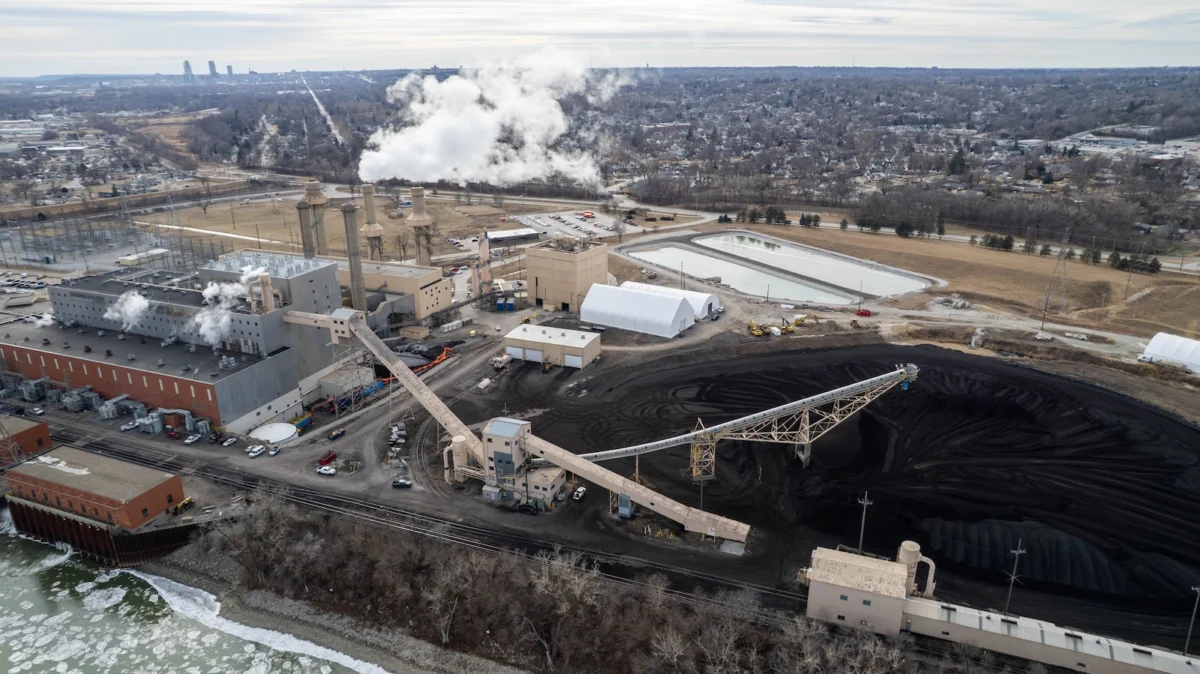
Justin Smarsh and his family once spent their weekends navigating the scenic rivers and creeks near their home in Cherry Tree, Pennsylvania. Located on the high Appalachian Plateau northeast of Pittsburgh, Smarsh was a man of the outdoors, a hunter who shared the traditions of the woods with his two sons. Today, that life is a memory. At 42 years old, Smarsh describes the sensation of simply walking as "being suffocated." A persistent, dry cough dominates his days, and the basic act of bending down to tie his shoes leaves him gasping for air.
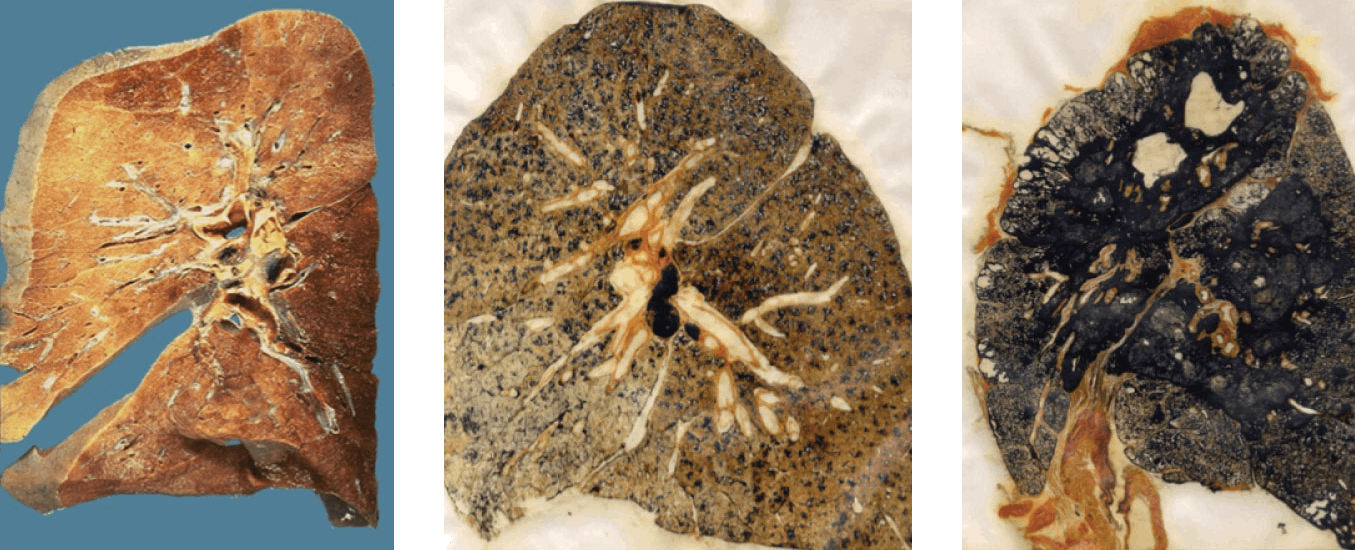
Smarsh followed a path familiar to many in his region. A few years after graduating high school and starting a family, he entered the coal mines of his home county, following the footsteps of his father and grandfather. In an area where economic opportunities are often sparse, mining remains the most lucrative career path available. However, the price of that paycheck has been a diagnosis of progressive massive fibrosis (PMF)—the most advanced and lethal stage of coal workers’ pneumoconiosis, commonly known as black lung.
There is no medical cure for Smarsh’s condition. While he manages his symptoms with a regimen of medications intended to slow the disease’s progression, the long-term outlook is grim. PMF eventually leads to heart failure as the lungs become too scarred to facilitate oxygen exchange. For those in the advanced stages, even a minor respiratory infection like a common cold can become fatal, causing a sensation akin to drowning as the lungs fill with fluid. Medical professionals have informed Smarsh that he is unlikely to live to the age of 50.
The Resurgence of an Industrial Plague
The plight of Justin Smarsh is not an isolated incident but rather part of a documented and alarming resurgence of black lung disease in the United States. Deanna Istik, CEO of Lungs at Work, a specialized clinic in Washington County, Pennsylvania, notes a disconnect between public perception and the reality on the ground. While much of the country views coal mining as a sunset industry of the past, clinics are diagnosing more cases of black lung than ever before.
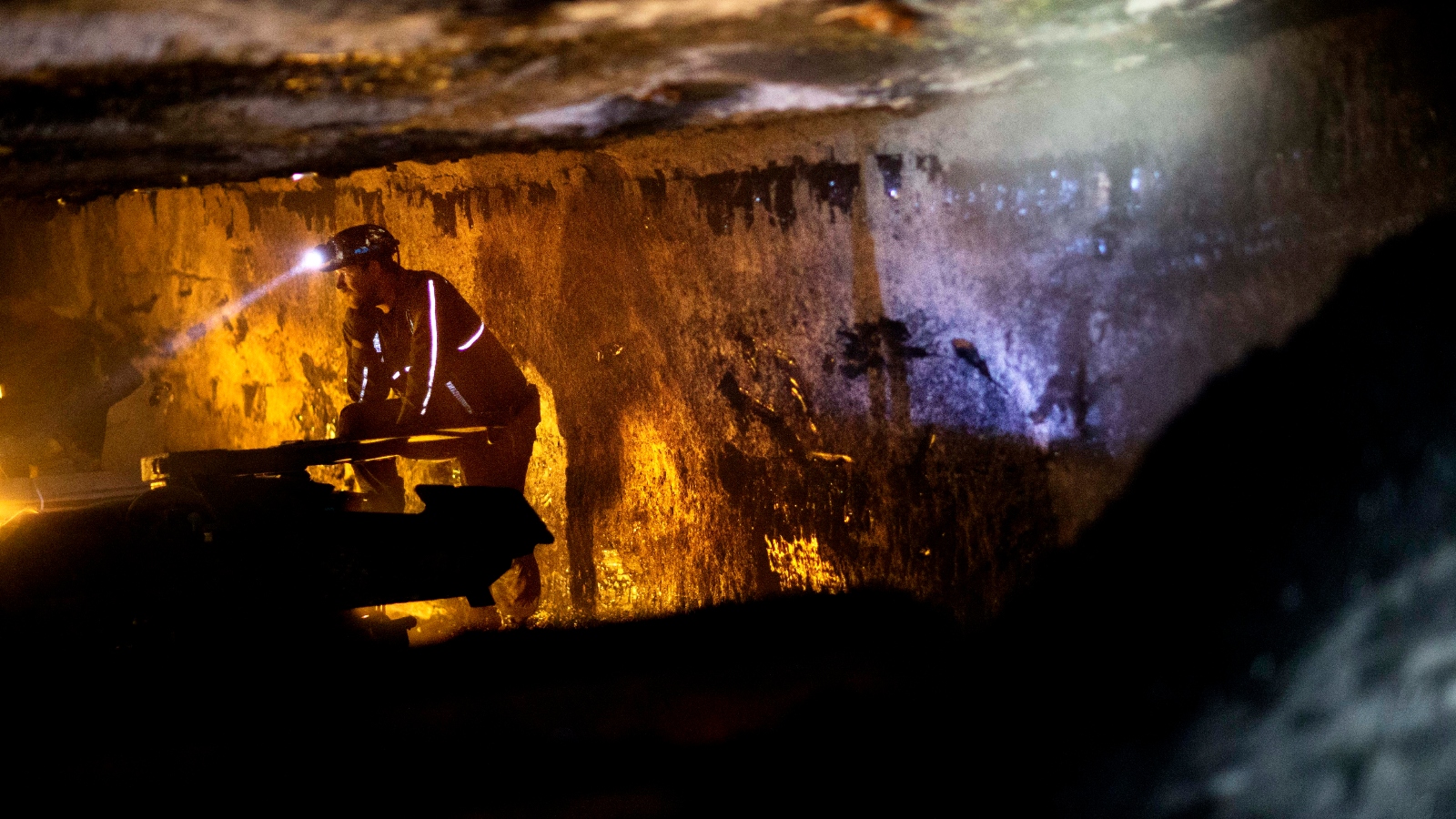
This modern epidemic is characterized by its speed and severity. Historically, black lung was a disease that affected older miners after decades of exposure. Today, clinics are seeing patients in their 30s and 40s with advanced PMF. The primary driver of this shift is not coal dust alone, but silica.
As the thickest and most accessible coal seams in Appalachia have been exhausted, mining companies have moved to thinner seams. To reach the coal, miners must cut through significant amounts of surrounding rock, which often contains high concentrations of quartz. When pulverized by heavy machinery, this quartz becomes crystalline silica. When inhaled, these microscopic, needle-like particles act like shards of glass, causing rapid, irreversible tissue scarring and inflammation.
A Statistical Overview of the Crisis
The data supporting this health crisis is stark. Researchers from the National Institute for Occupational Safety and Health (NIOSH) estimate that PMF now afflicts approximately one in ten working miners who have spent at least 25 years underground. In some regions of Central Appalachia, the rate is even higher. Between 2013 and 2017, hundreds of cases were identified in just three Virginia clinics, prompting NIOSH to declare a renewed epidemic.
While mortality rates associated with black lung had been on a downward trend between 1999 and 2018, recent analysis shows a troubling reversal. Between 2020 and 2023, black-lung-associated deaths began to rise again. This increase in mortality is accompanied by a surge in the need for lung transplants, a high-risk and expensive procedure that serves as the only last-resort treatment for total respiratory failure.
The economic footprint of the industry remains significant despite the health risks. In Pennsylvania alone, a 2024 report by the Pennsylvania Coal Alliance identified more than 5,000 mining jobs contributing approximately $2.2 billion in economic output. Nationally, the workforce consists of nearly 40,000 miners. Advocates argue that many more cases likely exist but go unreported because miners fear retribution or job loss if they seek medical testing.
Chronology of Safety Regulations and the Silica Debate
The history of mine safety in the U.S. is a cycle of tragedy followed by legislative action. The 1969 Coal Mine Health and Safety Act was passed only after a catastrophic explosion at a West Virginia mine killed 78 workers, sparking massive strikes. That act established the first federal safety inspections and a benefits program for afflicted miners. By the end of the 20th century, these standards had nearly eradicated black lung.
However, the regulatory framework failed to keep pace with the geological shift toward high-silica rock.
- 1970s: NIOSH recommends a silica exposure limit of 50 micrograms per cubic meter of air.
- 2016: The Occupational Safety and Health Administration (OSHA) adopts the 50-microgram standard for general industry and construction.
- 2017: Under industry pressure, the Mine Safety and Health Administration (MSHA) maintains a higher limit of 100 micrograms for miners.
- 2024: After years of negotiation involving scientists, lobbyists, and legal groups, MSHA finally announces a new rule to lower the limit to 50 micrograms, with enforcement set for April 2025.
- April 2025: Days before enforcement, the rule is hit by an emergency stay from the 8th U.S. Circuit Court of Appeals and an administrative delay by MSHA.
The delay is currently "indefinite," as the agency reconsiders aspects of the rule under the current administration. This pause has been met with sharp criticism from labor advocates and health experts.
Political and Economic Conflict
The regulatory stalemate occurs against a backdrop of aggressive federal support for the coal industry. The current administration has signaled a commitment to expanding coal production, viewing it as a matter of national security. In late 2023, the U.S. Department of Energy announced a $625 million investment in coal projects. More recently, an executive order reaffirmed coal’s essential status, directing billions in federal funding toward the industry.
While the administration promotes the economic necessity of coal, it has simultaneously overseen a reduction in the oversight capacity of MSHA. Over the last decade, MSHA’s coal mine enforcement staff has been cut by nearly 50 percent. This trend accelerated recently with federal "buyout" programs and the rescinding of job offers for 90 newly hired mine inspectors.
Carey Clarkson, representing Labor Department workers, noted that the loss of experienced inspectors has left the agency "desperately" understaffed. Without adequate personnel to conduct quarterly inspections and enforce dust-sampling protocols, advocates argue that even the strongest regulations would exist only on paper.
The Battle Over Protective Measures
A central point of contention in the legal battle over the silica rule is the method of protection. The finalized 2024 rule emphasized "engineering controls"—such as advanced ventilation systems and water sprays—to suppress dust at the source. The mining industry, represented by groups like the National Mining Association, has argued that if these systems fail to meet the 50-microgram standard, operators should be allowed to rely on respirators as a primary means of compliance.
Health experts and unions strongly disagree. Erin Bates, communications director for the United Mine Workers of America (UMWA), argues that respirators should be the last line of defense, not a substitute for a clean environment. In the hot, humid, and cramped conditions of an underground mine, respirators are often difficult to wear for a full shift. Furthermore, because silica particles are so small, they can bypass the seals of even high-quality masks.
Justin Smarsh recalls his own experience underground, noting that while he wore a respirator when possible, the environment often made it impractical. "Anytime you’re underground, you see dust," he said. "But it’s not the dust you see that gets you. It’s the little stuff you don’t see."
Broader Implications and the Human Cost
The indefinite delay of the silica rule has profound implications for the future of the Appalachian workforce. Rebecca Shelton of the Appalachian Citizens’ Law Center characterized the delay as a failure to protect workers while they "get sick and die." She noted that the lobbying efforts to stall the rule have effectively prioritized short-term industry profits over the long-term survival of the mining community.
The crisis also has a generational dimension. Despite watching his father struggle for every breath, Smarsh’s 19-year-old son has expressed interest in joining the mines. It is a testament to the limited economic mobility in coal country that the next generation is still drawn to the very industry that is currently dismantling the health of their parents.
For Smarsh, the trust he once placed in the industry has evaporated. He believes the narrative of "caring for miners" is a facade used to maintain production. As the legal proceedings remain in limbo and the MSHA continues its "reconsideration" of safety standards, miners like Smarsh continue to pay the ultimate price for "black gold." The resurgence of black lung is a stark reminder that in the absence of rigorous, enforced safety standards, the human cost of industrial production remains staggeringly high. Without the implementation of the 50-microgram silica rule, experts warn that the current spike in diagnoses among young miners is merely the beginning of a larger public health catastrophe.

