
Massachusetts has officially become a testing ground for a transformative shift in energy management as a coalition of major utility providers and technology firms launches a pilot program for vehicle-to-grid (V2G) technology. This initiative, involving Eversource, National Grid, EnergyHub, Sunrun, and The Mobility House, seeks to turn electric vehicles (EVs) from simple consumers of electricity into active participants in the state’s power infrastructure. By utilizing bidirectional charging, the program allows EV owners to discharge stored energy from their vehicle batteries back into the electrical grid during periods of peak demand, effectively transforming the state’s growing fleet of EVs into a massive, distributed backup battery system.
The program integrates into an existing framework known as ConnectedSolutions, a demand-response initiative that already incentivizes residential battery storage and smart appliance usage. Under the new V2G expansion, participants are compensated for the energy they provide to the grid, creating a potential revenue stream for EV owners while simultaneously bolstering grid reliability during high-stress events, such as summer heat waves or winter storms.
The Evolution of the Virtual Power Plant
At the heart of the Massachusetts pilot is the concept of a Virtual Power Plant (VPP). Unlike traditional power plants that rely on centralized generation—such as gas, coal, or nuclear facilities—a VPP aggregates thousands of smaller, decentralized energy resources to act as a single, cohesive unit. In this case, the "fuel" for the plant is the collective energy stored in thousands of idle EV batteries.
The logic behind the VPP model is rooted in the inherent inefficiency of the modern power grid. Utilities must maintain enough capacity to meet the highest possible level of demand, even if those peaks occur for only a few dozen hours per year. Traditionally, this required "peaker plants"—fossil-fuel-burning facilities that are expensive to operate and environmentally damaging. V2G technology offers a cleaner, more cost-effective alternative. By tapping into existing batteries that are already parked in garages and driveways, utilities can avoid the massive capital expenditures required to build new peaker plants or standalone industrial battery farms.
According to Chip Silverman, director of grid services at Sunrun, the scalability of this technology depends on the lessons learned in these early deployments. Silverman noted that by aggregating a large number of batteries, the utility can draw a small, negligible amount of power from each individual vehicle while still securing a significant total resource for the grid. This "strength in numbers" approach minimizes the impact on any single driver’s battery health or daily range.
Technical Requirements and Bidirectional Infrastructure
While the potential for V2G is significant, the technology requires specific hardware that is only recently becoming standard in the automotive industry. Most traditional EV chargers are unidirectional, meaning power flows only from the grid into the car. V2G requires bidirectional chargers, which are equipped with the power electronics necessary to convert the Direct Current (DC) stored in the car’s battery back into Alternating Current (AC) for the grid.
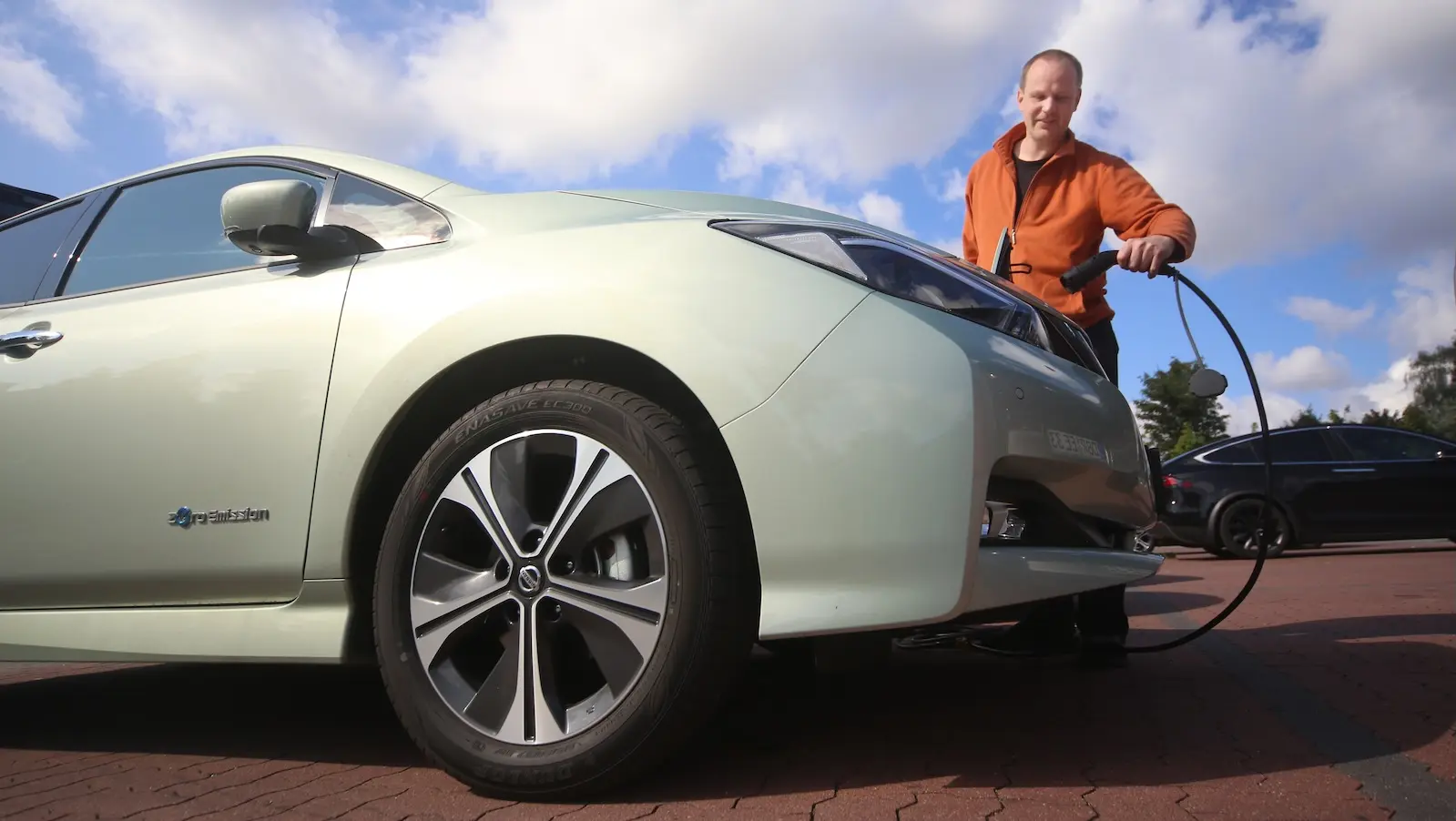
The hardware landscape is evolving rapidly. Early adopters of bidirectional capability include the Nissan Leaf and the Ford F-150 Lightning. Other manufacturers, including Volkswagen, Hyundai, and Kia, have announced plans to integrate bidirectional charging into their upcoming platforms. The cost of these specialized chargers remains higher than standard Level 2 home chargers, but industry experts anticipate a rapid decline in price as manufacturing scales.
Seth Frader-Thompson, president of EnergyHub, emphasized that the maturity of industry standards and the simplification of installation processes will be the primary drivers of mainstream adoption. As the hardware becomes more accessible, the barrier to entry for the average consumer will drop, allowing the ConnectedSolutions program to expand beyond its initial pilot phase.
Addressing the Growing Strain on the Electrical Grid
The urgency for V2G technology is underscored by a series of overlapping challenges facing the American energy sector. Electricity demand is projected to rise sharply over the next decade, driven by three primary factors:
- The Rise of Data Centers: The expansion of artificial intelligence and cloud computing has led to a surge in high-capacity data centers, which require immense amounts of constant power.
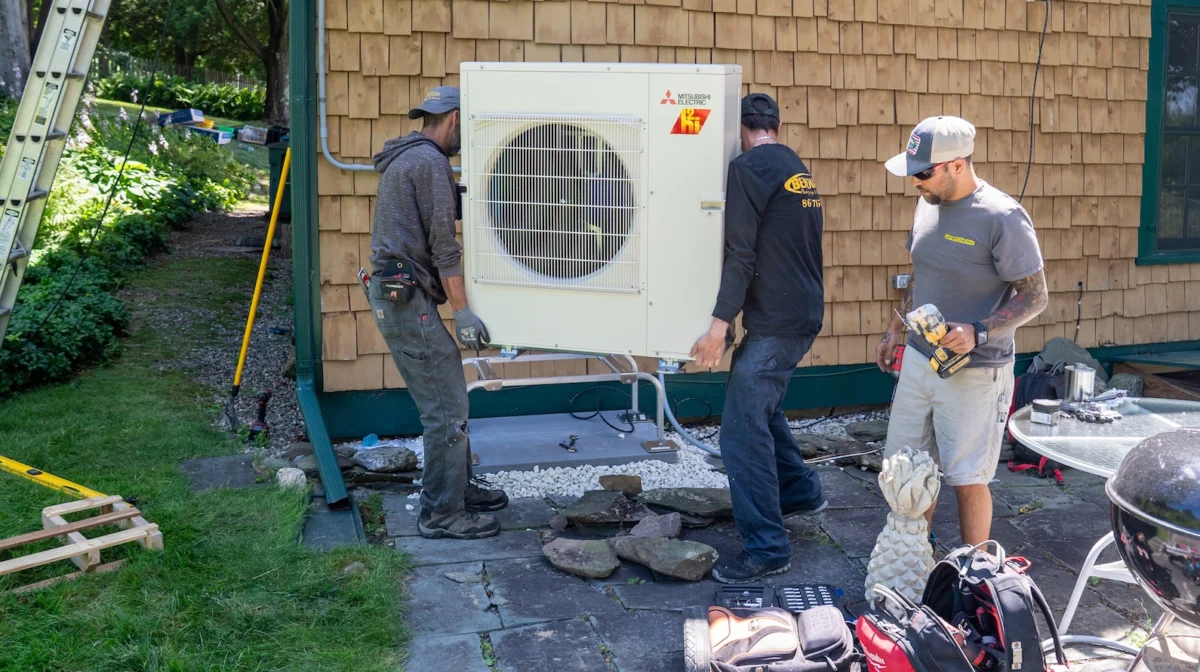
- Building Electrification: In states like Massachusetts, there is a concerted effort to transition homes from natural gas furnaces to electric heat pumps. While more efficient, this shift increases the total load on the grid, particularly during cold snaps.
- Transportation Electrification: As more drivers switch from internal combustion engines to EVs, the total volume of energy required for transportation is shifting from the gas station to the electrical socket.
Simultaneously, the grid is undergoing a transition toward renewable energy. Wind and solar power are intermittent; the sun does not always shine, and the wind does not always blow. This intermittency creates a "mismatch" between when energy is produced and when it is needed. EV batteries provide a solution to this problem by acting as a reservoir—soaking up excess solar energy during the day and discharging it back to the grid in the evening when people return home and turn on appliances.
Economic Implications for Drivers and Ratepayers
One of the most compelling arguments for V2G is its potential to lower electricity costs for all consumers, not just EV owners. When a utility can avoid using expensive peaker plants or building new transmission lines by using V2G, those savings are theoretically passed down to the ratepayer.
For the EV owner, the financial incentives are direct. Under the ConnectedSolutions model, participants are paid based on the amount of energy they contribute during "events." These events are typically called during peak hours—often between 4:00 p.m. and 9:00 p.m. on the hottest days of the year. Russell Vare, vice president of vehicle-grid integration at The Mobility House North America, pointed out that these events are infrequent, meaning the battery is not being cycled daily. This preserves the longevity of the vehicle’s battery while still providing a meaningful financial return to the owner.
Furthermore, the storage capacity of an EV battery is substantial. A typical EV battery holds between 60 and 100 kilowatt-hours (kWh) of energy. To put this in perspective, a dedicated home backup battery, such as the Tesla Powerwall, typically holds around 13.5 kWh. A single EV can essentially provide the same backup capacity as six or seven dedicated home batteries, making it a highly efficient use of resources.
Strategic Coordination and Managed Charging
A critical component of the Massachusetts pilot is the coordination of charging and discharging schedules. If every EV owner in a neighborhood plugged in and began charging at the same time—such as 6:00 p.m. when returning from work—it could cause local transformers to fail and create a secondary peak in demand.
To prevent this, the pilot program utilizes "active managed charging." This technology staggers the charging times of vehicles throughout the night, ensuring that the load is spread evenly across the early morning hours when overall demand is lowest. Participants use specialized apps to set their "ready time"—for example, 7:00 a.m. for a morning commute. The software then calculates the most efficient way to charge the vehicle, ensuring it is full by the deadline while avoiding peak grid stress.
This coordination is particularly effective for fleet vehicles, such as school buses and municipal trucks. These vehicles have highly predictable schedules and large batteries, making them ideal candidates for V2G. During the summer months, when school buses are largely idle, they can serve as a massive, stationary battery asset for the grid during the year’s highest-demand periods.
The Path Forward: Scaling and Reliability
The Massachusetts pilot is part of a broader national trend toward grid modernization. Similar projects are underway in California, New York, and parts of Europe, all seeking to determine the optimal regulatory and technical frameworks for V2G.
The success of these programs will depend on consumer trust and participation. To encourage adoption, utilities are focusing on transparency, ensuring that drivers always have enough charge for their personal needs. The software used in the Massachusetts program allows users to opt out of specific events or set a minimum battery floor (e.g., "never let my battery drop below 50% during a discharge event").
As the climate continues to warm, the demand for air conditioning will only increase, further stressing the grid. V2G offers a rare "win-win" scenario: it provides the grid with the flexibility it needs to survive extreme weather, it helps integrate more renewable energy, and it compensates consumers for their participation in the green transition.
In the long term, the goal is for V2G to move from a "pilot project" to a standard feature of the American energy landscape. If successfully scaled, the millions of EVs expected to hit the roads by 2030 will no longer be seen as a burden on the electrical system, but rather as the very infrastructure that keeps the lights on. The Massachusetts initiative represents a pivotal first step in proving that the transition to electric mobility and the transition to a clean grid are not two separate challenges, but a single, integrated solution.

