
As the 2026 midterm election cycle enters its most critical phase, the Republican Party has descended upon Dallas, Texas, for a pivotal convention aimed at solidifying its congressional majority and recalibrating its national message. Amidst the backdrop of high-stakes campaigning, Senator Rick Scott, R-Fla., has leveled a pointed critique against the Democratic establishment, arguing that the party’s traditional leadership has been usurped by an influential bloc of far-left progressives.
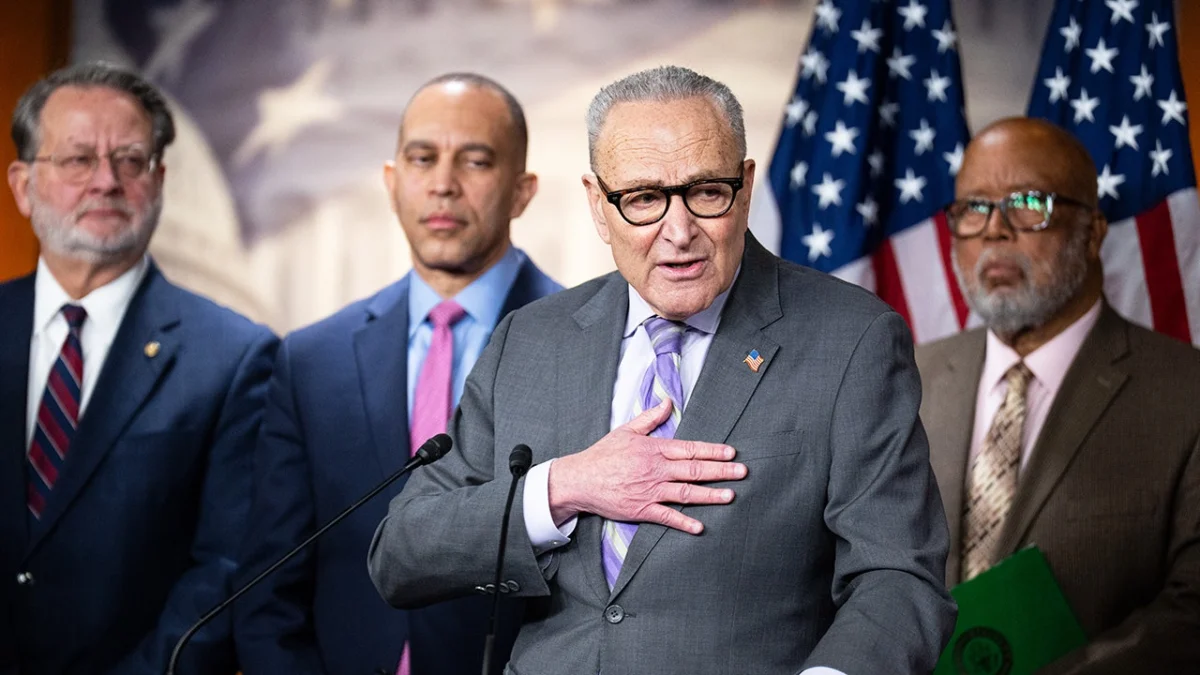
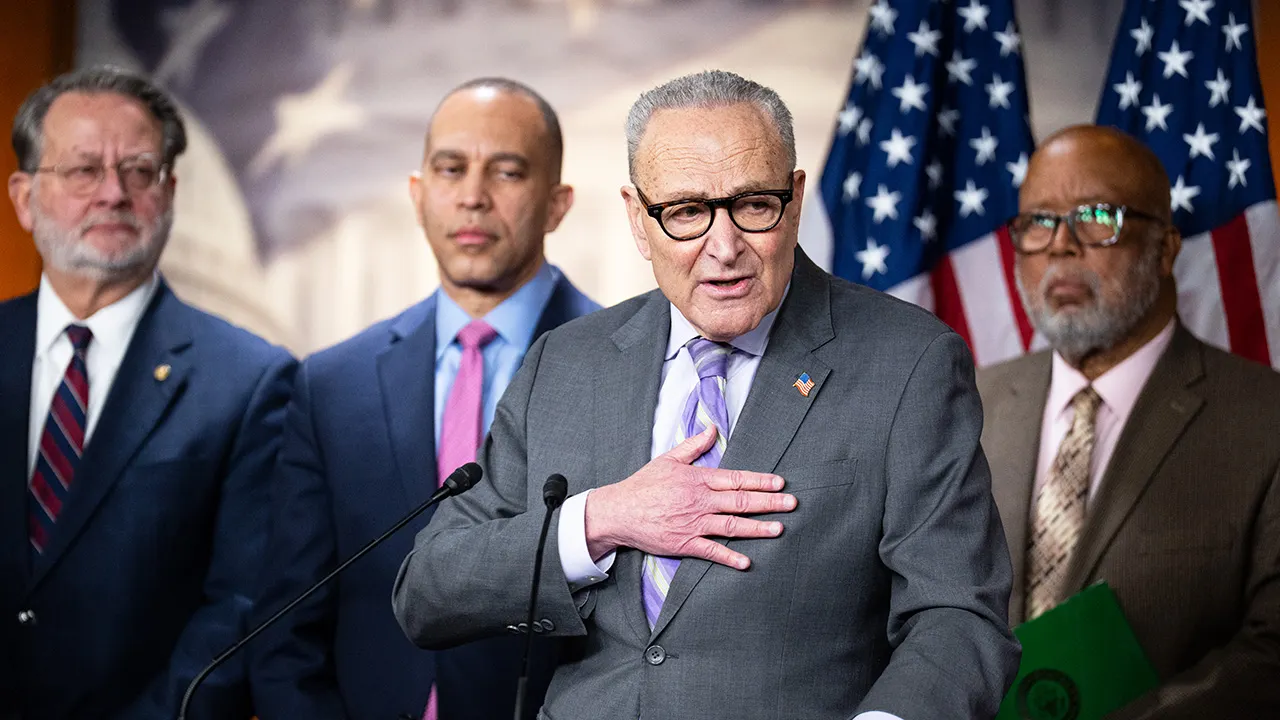
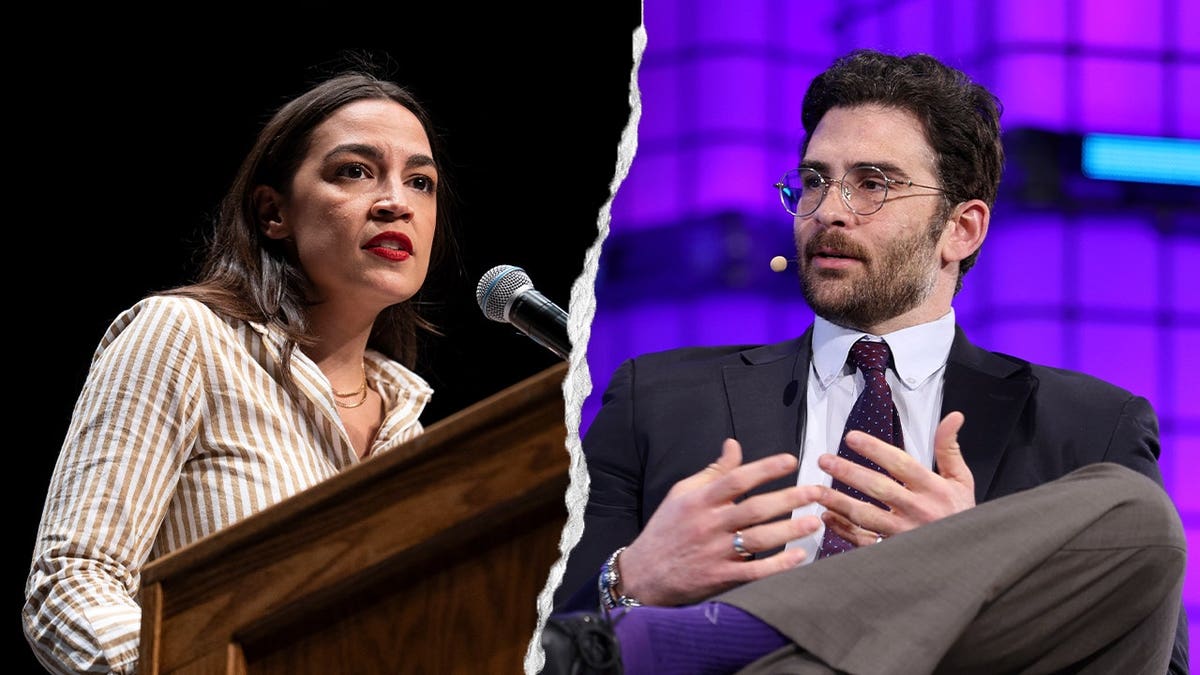
Scott, who previously chaired the National Republican Senatorial Committee (NRSC), contends that Senate Minority Leader Chuck Schumer and House Minority Leader Hakeem Jeffries have effectively ceded control of the Democratic platform to figures such as Representative Alexandria Ocasio-Cortez, New York City official Zohran Mamdani, and political commentator and streamer Hasan Piker. According to Scott, this shift toward the ideological left has alienated moderate voters and created a clear binary choice for the American electorate this November.
The Shift in Power Dynamics
Senator Scott’s assessment of the Democratic Party’s internal hierarchy reflects a broader trend observed by political analysts over the past several years: the rising influence of grassroots, digital-native, and progressive voices on legislative priorities. By identifying individuals like Hasan Piker—a prominent online content creator—alongside elected officials, Scott is highlighting the role that digital media and decentralized political movements now play in shaping the discourse within the Democratic base.
Critics within the Republican camp argue that this shift has forced the Democratic Party to adopt positions on social and economic issues that are out of touch with the mainstream. Scott specifically pointed to the debates surrounding gender in sports and the broader push for socialist-leaning economic policies as evidence that the party’s agenda is being dictated by its most extreme elements.
Contextualizing the 2026 Midterm Environment
The Dallas convention serves as a strategic launchpad for Republicans as they look to overcome the historical challenges that often plague the party in power during midterm elections. Historically, the party of the sitting president frequently faces significant setbacks, a pattern the GOP is eager to defy. However, the current political landscape is complicated by a confluence of domestic and international pressures that could sway independent voters.
The U.S. economy remains a primary concern for voters, with persistent inflationary pressures affecting both fuel prices and the cost of consumer goods. Simultaneously, the geopolitical climate has grown increasingly volatile. The ongoing conflict in Iran, which has strained international relations and global supply chains, continues to dominate the foreign policy conversation. Furthermore, a burgeoning trade dispute with Canada—a key economic partner—has placed Republican incumbents in a difficult position, forcing them to balance protectionist economic rhetoric with the realities of trade dependency.
The Trump Factor: A Referendum on Policy
While Donald Trump is not on the ballot, his influence remains the central pillar of the Republican strategy. Senator Scott emphasized that the upcoming elections function as a de facto referendum on the Trump agenda. The former president is scheduled to deliver a high-profile address on Wednesday, coinciding with the return of the NFL season, a timing clearly chosen to maximize viewership and media coverage.
"There’s no question the Trump agenda is on the ballot," Scott told Fox News Digital. "If you want the Trump agenda accomplished, we have to control the House, we have to control the Senate."
The argument being presented by GOP leadership is that a failure to secure both chambers of Congress would result in a legislative stalemate or, in their estimation, a campaign of institutional hostility. Scott warned that a Democratic-led Congress would likely prioritize impeachment proceedings against Trump, further deepening the nation’s political polarization.
Fact-Based Analysis of Voter Sentiment
Data from various polling outlets throughout the 2026 cycle suggest that voters are deeply divided, with economic performance being the primary driver of the "incumbency penalty." In districts where cost-of-living concerns are most acute, Republican candidates have leaned heavily into the argument that Democratic leadership has exacerbated these issues through excessive spending and regulatory overreach.
Conversely, Democrats are working to frame the election as a contest of values, focusing on issues such as healthcare access, reproductive rights, and environmental policy. By casting the election as a choice between their progressive vision and what they characterize as "MAGA extremism," Democratic strategists hope to mobilize their base and turn out voters who are typically less engaged in non-presidential election years.
The Role of Candidate Records
A significant portion of the GOP’s messaging strategy involves scrutinizing the records of Democratic candidates. Senator Scott specifically cited the candidacy of Abdul El-Sayed in Michigan as a focal point for Republican criticism. By targeting specific candidates for their past statements and policy positions, the GOP aims to paint the entire Democratic ticket with a broad brush, suggesting that their rhetoric on social issues and national loyalty is disqualifying.
This strategy of "candidate-level targeting" is a common tactic in modern political warfare, intended to force opponents onto the defensive. By highlighting controversial statements or past policy records, the GOP seeks to force Democrats to spend campaign capital defending their own members rather than attacking the Republican platform.
Implications for the Future of Governance
The outcome of the 2026 midterms will have profound implications for the remainder of the current presidential term. Should Republicans succeed in maintaining control of both the House and the Senate, they will be positioned to implement a legislative agenda centered on tax cuts, deregulation, and a more aggressive foreign policy stance. This would likely create a cycle of confrontation between the legislative and executive branches, potentially leading to government shutdowns or gridlock on budgetary matters.
On the other hand, if Democrats manage to regain control of one or both chambers, it would fundamentally alter the political trajectory of the country. A Democratic majority would act as a check on executive power, potentially blocking cabinet appointments and initiating investigations that could paralyze the administration’s policy initiatives.
Chronology of Campaign Developments
- Early 2026: Initial midterm projections show a tight race, with the economy and foreign policy emerging as top voter concerns.
- Mid-Summer 2026: Trade tensions with Canada escalate, forcing candidates to clarify their positions on North American economic integration.
- Late Summer 2026: GOP leadership finalizes the strategy for the Dallas convention, focusing on the "Trump agenda" as the core unifying theme.
- September 2026: The Dallas convention begins, with Senator Rick Scott and other GOP leaders formalizing the contrast between their party and the perceived "progressive-led" Democratic Party.
- Upcoming: Donald Trump’s address is expected to consolidate the party’s messaging, while Democrats prepare their counter-narrative regarding the potential for renewed impeachment threats and executive overreach.
Conclusion: The Stakes of November
As the Republicans in Dallas prepare to carry their message to the voters, the intensity of the rhetoric from both sides of the aisle underscores the gravity of this election. Whether the electorate chooses to validate the Trump-aligned vision of the GOP or shifts back toward the Democratic fold will depend on the effectiveness of these competing narratives.
For Senator Scott, the path forward is clear: the Republican Party must define its opponents as representatives of a fringe, radical ideology that threatens traditional American values and economic stability. By framing the election as a "must-win" scenario for the future of the Trump agenda, the GOP is attempting to inject a sense of urgency into their base, hoping that the fear of a Democratic-controlled legislature will drive record turnout in November.
As the campaign season enters its final stretch, the interplay between national events—such as the Iran crisis and the trade dispute with Canada—and local issues will continue to shape the electoral map. The 2026 midterms are shaping up to be more than just a standard mid-cycle correction; they are set to be a decisive moment in determining the ideological and structural future of American governance. With control of both the House and the Senate hanging in the balance, the strategies currently being debated in Dallas will likely be remembered as the defining tactical decisions of the election cycle.

