
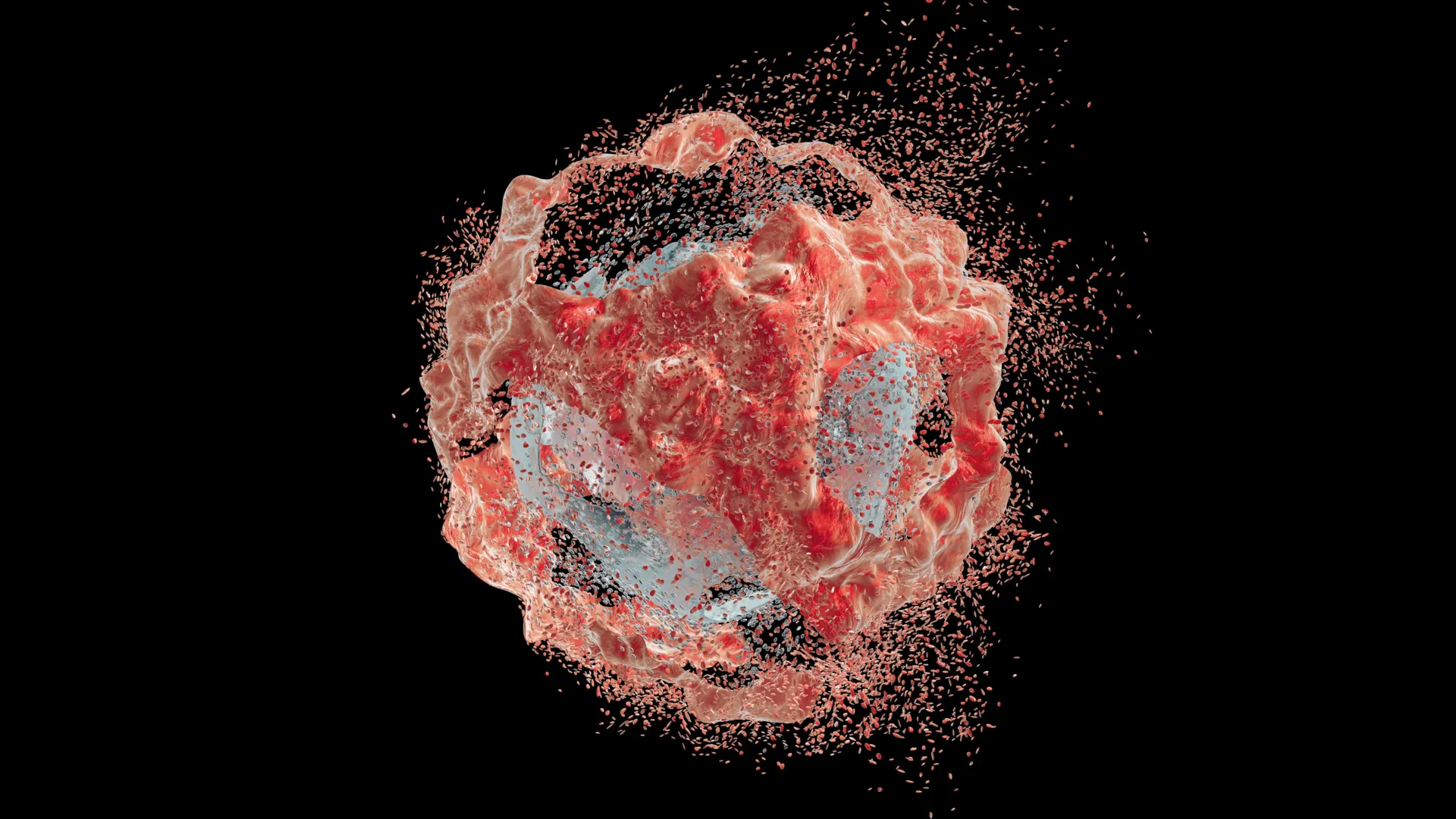
Pancreatic cancer has long presented one of the most formidable challenges in modern oncology, frequently outmaneuvering conventional chemotherapy, radiation, and emerging immunotherapies alike. However, a team of researchers at the Sylvester Comprehensive Cancer Center, part of the University of Miami Miller School of Medicine, has identified a critical vulnerability in the cancer’s protective armor. By focusing on a receptor known as IL1RAP, which orchestrates inflammatory signaling and structural defenses surrounding tumors, the research team has unlocked a promising avenue for therapeutic intervention. This breakthrough has now cleared the path for a first-of-its-kind neoadjuvant clinical trial, which aims to combine IL1RAP-targeted therapy with chemoimmunotherapy in patients with operable pancreatic tumors prior to surgical resection.
The findings, recently published in the peer-reviewed journal JCI Insight, represent a paradigm shift in how oncologists approach a malignancy notorious for its treatment resistance. Rather than focusing exclusively on direct tumor cell eradication, the Sylvester team is taking aim at the complex biological ecosystem that shields the cancer from immune clearance and drug delivery.
Understanding the Enigma of Pancreatic Tumor Microenvironments
To comprehend the significance of targeting IL1RAP, one must examine the unique and hostile architecture of pancreatic ductal adenocarcinoma (PDAC), the most common form of pancreatic cancer. Unlike many other malignancies, pancreatic tumors are heavily encased within a dense, fibrous tissue matrix known as the stroma. This tumor microenvironment (TME) acts simultaneously as a physical barrier preventing therapeutic agents from penetrating the core and as a biological control center that actively suppresses immune system responses.
Within this microenvironment, malignant cells do not exist in isolation. They recruit and manipulate a wide array of neighboring cells, including cancer-associated fibroblasts, endothelial cells, and various immune cells, forcing them into a collaborative network. This network promotes unchecked cellular proliferation, evades immune surveillance, and fosters resistance to standard-of-care treatments.
Recent advancements in oncology have celebrated the emergence of KRAS-targeted therapies, which have successfully prolonged survival in subsets of patients with metastatic disease. Nevertheless, translating these targeted therapies to patients with earlier-stage, operable pancreatic cancer is anticipated to take years of rigorous clinical evaluation. This leaves an immediate, pressing demand for alternative strategies that can be deployed safely and effectively for individuals whose tumors have not yet spread and remain candidates for curative-intent surgery.
The Role of IL1RAP as a Master Regulator
At the heart of the newly published study is the protein interleukin-1 receptor accessory protein, or IL1RAP. According to the research led by Dr. Jashodeep Datta, a pancreatic and hepatobiliary surgical oncologist, co-leader of the Gastrointestinal Site Disease Group at Sylvester, and senior author of the study, IL1RAP serves as a critical shared co-receptor for multiple inflammatory signaling pathways.
Pancreatic tumors characteristically thrive in an environment that is paradoxically both hyper-inflamed and deeply immune-suppressed. This "inflamed yet immune-suppressed" state dampens the efficacy of both traditional cytotoxic chemotherapy and modern immunotherapy agents, such as checkpoint inhibitors. High expression levels of IL1RAP appear to act as the glue maintaining this dual-threat environment, simultaneously fueling tumor growth and hardening resistance mechanisms.
"When we target IL1RAP, we are blocking a shared ‘helper’ receptor that many inflammatory signals rely on to transmit their message," Dr. Datta explained. By disrupting this central relay point, the researchers hypothesized that they could systematically dismantle the broader inflammatory network sustaining the cancer.
Preclinical Discoveries and Microenvironmental Remodeling
In extensive preclinical evaluations detailed in JCI Insight, the Sylvester investigative team observed profound changes within the tumor microenvironment upon inhibiting IL1RAP. The intervention yielded a dual benefit: it curtailed the abundance of immunosuppressive cells while simultaneously reinvigorating resident T cells, enhancing their activation and functional capacity.
Furthermore, the treated tumors exhibited a notable reduction in fibrosis—the dense scar-like tissue matrix that typically impedes drug penetration. With the structural barriers weakened and the local immune suppression lifted, the tumors demonstrated heightened vulnerability and responded significantly stronger to subsequent combination therapies.
This mechanism shifts the therapeutic philosophy from a scorched-earth approach aimed solely at cellular toxicity to an environmental remodeling strategy. By altering the ecological niche that shelters the cancer cells, clinicians can hypothetically restore the efficacy of drugs that would otherwise fail in the face of pancreatic cancer’s robust defenses.
The Road to the Clinic: An Innovative Neoadjuvant Trial
Building upon these robust preclinical insights, the research enterprise at Sylvester is swiftly translating bench science into bedside application. The institution is currently advancing a landmark neoadjuvant clinical trial designed to evaluate IL1RAP-targeted treatment combined with standard chemoimmunotherapy regimens in patients diagnosed with operable pancreatic cancer.
Neoadjuvant therapy—treatment administered prior to the primary surgical resection—offers distinct advantages in clinical oncology. By delivering the investigational therapy while the tumor is still intact within the patient, researchers gain a direct, observational window into the dynamic biological changes occurring inside the tumor tissue.
"Moving this work into a clinical trial is a landmark development for our GI cancer program at Sylvester," Dr. Datta stated. "We’re testing a clear, patient-centered strategy to disrupt IL1RAP using a treatment plan that can be delivered in the clinic."
Because participants will undergo surgical removal of their tumors following the combination treatment course, oncologists and pathologists will be able to perform comparative analyses on tissue samples harvested both before and after therapy. This before-and-after tissue profiling provides an unprecedented opportunity to correlate molecular shifts with clinical responses on an individual patient basis.
Dr. Peter Hosein, co-author of the study, co-leader of the Gastrointestinal Cancers Site Disease Group at Sylvester, associate director for clinical research at the Sylvester Pancreatic Cancer Research Institute (SPCRI), and professor of clinical medicine at the Miller School, emphasized the clinical value of this trial design. "Every new approach helps us learn more," Dr. Hosein remarked. "This trial gives us a unique window to connect the science directly to patient outcomes, which is essential for moving the field forward."
Funding and Institutional Support for Translational Research
The rapid progression of this research from conceptual laboratory models to an active clinical trial has been significantly bolstered by external philanthropic and peer-reviewed funding. The project received a highly competitive Translational Research Grant from the V Foundation for Cancer Research, a prestigious award distributed to only a select few research teams nationwide each year.
Nominated projects undergo a rigorous, multi-tiered national peer review process evaluating scientific merit, translational feasibility, and potential clinical impact. Selected institutions are awarded $800,000 distributed over a four-year period. This financial backing is specifically engineered to bridge the critical gap between basic laboratory discoveries and early-phase clinical trials—often referred to in the medical community as the "valley of death" for promising oncology drugs due to traditional funding shortages at the transitional stage.
Broader Implications for the Future of Pancreatic Oncology
The initiation of this clinical trial arrives at a critical juncture in the global fight against pancreatic cancer, which continues to maintain one of the lowest five-year survival rates among major malignancies. Despite decades of intensive pharmacological research, systemic treatment options for localized, resectable pancreatic cancer have evolved slowly, with gemcitabine- and multi-agent regimens like FOLFIRINOX remaining foundational standards despite substantial toxicity profiles and modest long-term curative rates.
If the upcoming trial at Sylvester demonstrates safety, tolerability, and signs of enhanced pathological response, the implications could extend far beyond resectable pancreatic cancer. Researchers suggest that successfully neutralizing the inflammatory microenvironment via IL1RAP blockade could theoretically sensitize advanced, unresectable, or metastatic tumors to immunotherapies that have historically proven ineffective against this disease. Furthermore, validating this target in human tissue could open new avenues for combination trials involving other targeted molecular agents.
As the medical community watches the progression of this trailblazing trial, the work at Sylvester Comprehensive Cancer Center underscores the growing necessity of targeting not just the cancer cell itself, but the intricate web of supportive cells that allow malignancies to persist and thrive. Through precise targeting of inflammatory signaling hubs like IL1RAP, researchers are gradually transforming impassable biological fortresses into manageable, treatable conditions.

