
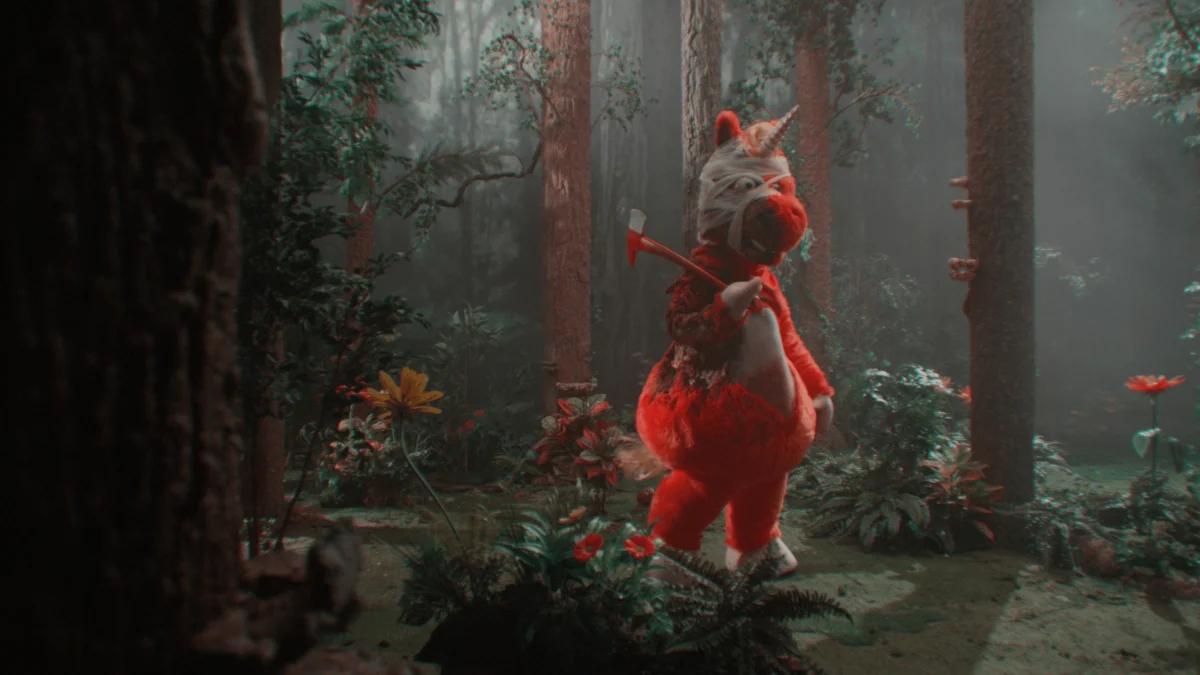
The domestic box office landscape experienced a significant shift this weekend as independent cinema asserted its influence, securing five of the top ten positions in a display of strength that defied traditional studio dominance. The surge was headlined by the arrival of the newcomer Runner and the continued, robust performance of the horror-comedy Buddy. This trend signals a maturing appetite among modern audiences for diverse, original storytelling that transcends the typical blockbuster model, bolstered by both strategic platform releases and intense social media-driven engagement.
The Rise of Independent Powerhouses
The weekend’s theatrical performance was defined by the success of varied, smaller-scale projects that managed to command substantial screen counts and capture the cultural zeitgeist. At the forefront of this movement is the Angel Studios release Runner. Starring Alan Ritchson—whose recent turn in Reacher has cemented his status as a major box office draw—alongside the seasoned Owen Wilson, the film debuted in the number four spot. Securing $6.67 million across 2,568 screens, the film’s arrival was greeted with an "A-" CinemaScore, a metric that historically correlates with strong word-of-mouth and long-term sustainability.
For Angel Studios, the performance of Runner represents a strategic evolution. Following the commercial success of Young Washington, which reached a $47 million domestic total earlier this summer, the company is positioning itself as a reliable pipeline for mid-budget, high-concept theatrical fare. Executives at Angel Studios have characterized the launch of Runner as a "significant theatrical milestone," noting that the film’s ability to attract a broad demographic in a crowded marketplace validates their data-driven distribution model.
Buddy: A Viral Phenomenon
Perhaps the most compelling story of the late-summer season is the sustained momentum of the R-rated horror-comedy Buddy. Distributed by Roadside Attractions and Saban Films, the film has defied the typical rapid decline associated with genre releases. In its third week of release, Buddy secured $3.5 million on 1,719 screens, bringing its cumulative domestic gross to approximately $21.2 million.
The film’s resilience is rooted in an unconventional marketing strategy that has effectively blurred the lines between digital culture and physical theater attendance. Featuring an orange unicorn host voiced by Keegan-Michael Key, the film has found a devoted following on TikTok, where it boasts over one million followers. Roadside Attractions reports an anecdotal trend of "repeat viewing," with many fans returning to theaters three or four times.
The integration of the film into the local culture was further illustrated this weekend at Sepulveda Tattoo in Duarte, California. The studio organized a promotional meet-up that included the opportunity for fans to receive a free, exclusive Buddy-themed tattoo designed by artist Hunter Chao. Such events demonstrate a sophisticated understanding of fan-based marketing, turning a theatrical release into a participatory community event. Buddy now stands as the fifth-highest-grossing film in Roadside Attractions’ history and the company’s most successful post-pandemic theatrical performer.
New Contenders and Global Imports
While domestic independents led the charge, the weekend also showcased the global nature of current box office trends. Neon’s South Korean monster feature Hope secured the number eight spot with a $3.3 million weekend, bringing its cumulative total to $5 million since its Wednesday debut. The film’s performance across 1,560 theaters highlights the growing American appetite for international genre cinema, a sector that has seen consistent growth since the breakout success of Parasite and subsequent foreign-language hits.
Simultaneously, Focus Features introduced the Andrew Garfield-starring The Uprising, which pulled in $3.2 million across 2,068 locations. Landing at number nine, the film represents the continued commitment of prestige labels to the theatrical window, even as the market faces increased competition from streaming alternatives. Meanwhile, Ketchup Entertainment’s Coyote vs. Acme maintained its presence in the top five, earning $6.23 million in 3,355 locations and reaching a total domestic cume of $47.8 million, proving that family-oriented, high-concept films remain a staple of the theatrical ecosystem.
Exclusive Openings and Niche Success
The weekend also underscored the viability of exclusive, limited-engagement theatrical runs. The film If I Go Will They Miss Me, directed by Walter Thompson-Hernandez and starring Danielle Brooks and J. Alphonse Nicholson, experienced a remarkable opening at AMC’s Century City in Los Angeles. The Rich Spirit release grossed $42,250 in a single-theater exclusive, a figure bolstered by multiple sold-out screenings that necessitated the addition of extra showtimes.
Industry analysts have noted that this is the second-highest opening of the year for a solo engagement, trailing only Magnolia Pictures’ Maddie’s Secret, which debuted with $58,000 at the IFC Center. The success of If I Go Will They Miss Me highlights the potential for "eventized" releases, where limited availability creates a sense of urgency that drives high per-screen averages, a strategy the studio plans to capitalize on as it expands to 250 theaters in the coming week.
Documentaries and Event Cinema
The documentary sector also saw notable milestones this weekend. Watermelon Pictures’ American Doctor, which chronicles the experiences of U.S. medical professionals volunteering in Gaza, crossed the $400,000 mark. By grossing $66,200 in its fifth week across 65 screens, the film has demonstrated the enduring power of socially conscious, non-fiction storytelling to find an audience when given the necessary time to build momentum.
Furthermore, the "event cinema" category remains a critical revenue stream for exhibitors. Disney’s Oasis: Don’t Look Back in Anger brought in $1.435 million across 1,225 theaters. The inclusion of legacy musical content in the theatrical space continues to provide theaters with reliable, one-off spikes in attendance, effectively utilizing the cinema environment for experiences that cannot be replicated in the home.
Market Analysis and Broader Implications
The box office results from this weekend suggest a stabilizing market where diverse content—from horror-comedies to foreign-language thrillers and social-issue documentaries—can coexist and thrive. Several key takeaways emerge from these figures:
- The "TikTok Effect": The success of Buddy confirms that social media platforms are no longer just a place for trailers, but a core component of the theatrical experience. Studios that successfully gamify or personalize the viewing experience, such as the tattoo meet-up event, are seeing higher rates of repeat attendance.
- Platforming as Strategy: The success of If I Go Will They Miss Me validates the "platform release" model, where building anticipation in high-density urban markets serves as a launchpad for broader national expansion.
- The Strength of Genre: Whether it is the horror-comedy elements of Buddy or the monster-movie tropes of Hope, genre-based independent films are currently outperforming more traditional dramas in the post-summer, pre-awards season window.
- Resilience of Mid-Tier Distribution: Companies like Angel Studios, Neon, and Roadside Attractions are effectively filling the void left by larger studios that have shifted focus toward tentpole-only strategies. By keeping budgets moderate and marketing focused, these firms are maintaining a sustainable return on investment.
As the industry looks toward the final quarter of the year, the performance of these independent titles serves as a blueprint for how smaller films can secure and maintain space in a crowded multiplex environment. By leveraging targeted demographics, embracing the potential of international content, and treating theatrical screenings as community events rather than passive consumption, these studios are ensuring that the cinema remains a vibrant, multifaceted cultural destination.

