
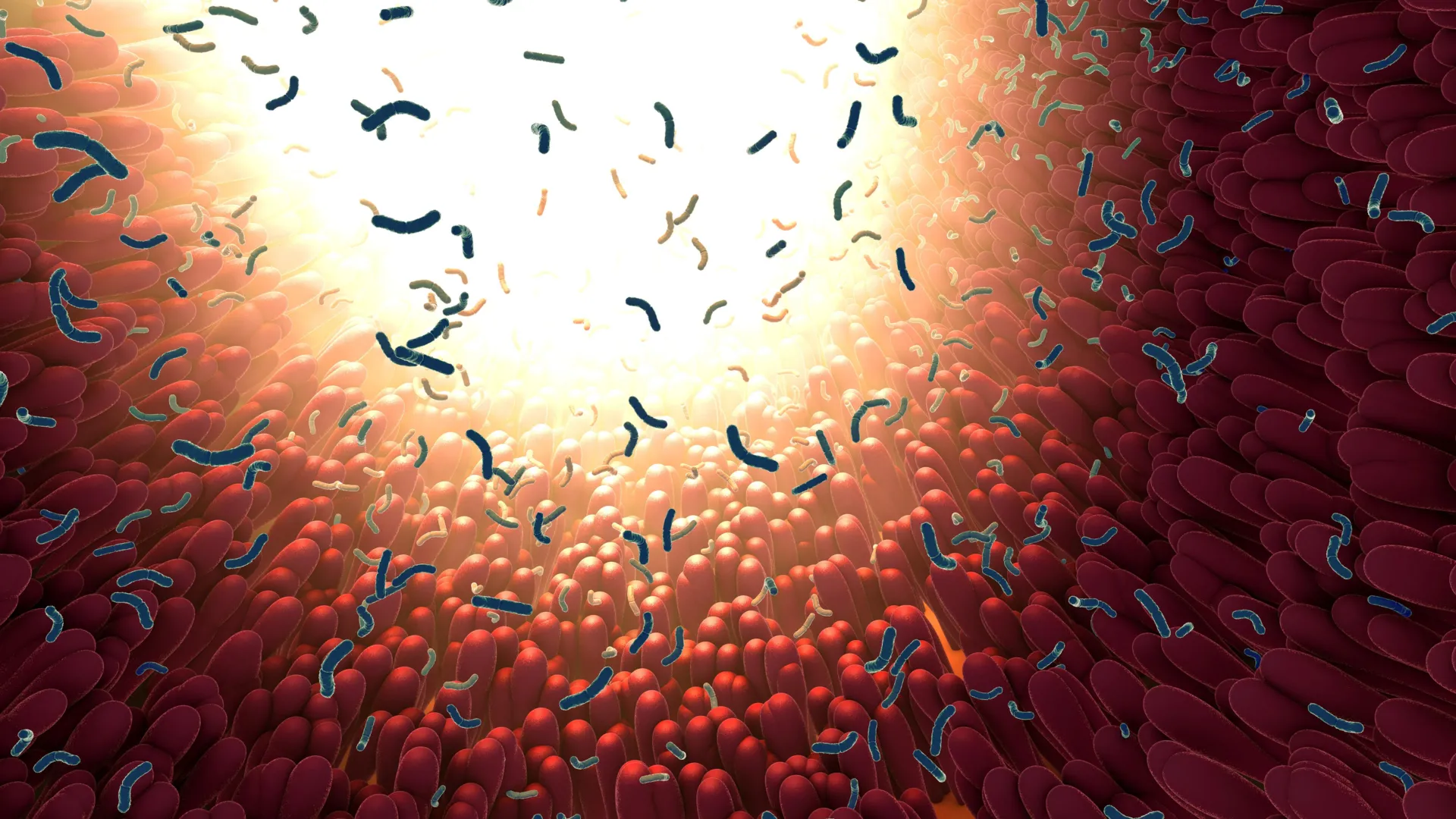
Scientists at the University of Hawaiʻi at Mānoa have uncovered a surprising and significant connection between the vast ecosystem of bacteria residing in the human digestive tract and the speed at which the human body ages biologically. Published in the peer-reviewed journal Scientific Reports, the study reveals that specific gut microbial communities are closely associated with either accelerated or decelerated rates of biological aging. These differences in gut bacterial composition accounted for approximately 15 percent of the total variation in participants’ biological aging rates, independent of their chronological age.
This groundbreaking research sheds new light on the complex relationship between the human microbiome and molecular-level aging processes. By analyzing stool and blood samples from 123 adults across a broad age spectrum, the research team established that microbial patterns serve as reliable mirrors of internal physiological age. While chronological age simply tracks the number of years a person has been alive, biological age assesses the functional capacity and cellular deterioration of tissues and organs. The findings point toward a future where precision health strategies could leverage the modifiable nature of the gut microbiome to promote healthy longevity and extend human healthspan.
The Mechanics of Biological Aging and the Microbiome
To understand the profound implications of the University of Hawaiʻi study, one must examine the distinction between chronological time and biological time. Chronological age is a fixed linear metric, but biological aging is dynamic, heterogeneous, and deeply influenced by environmental, genetic, and lifestyle factors. In recent years, researchers have developed advanced epigenetic and molecular biomarkers—such as DunedinPACE, which was utilized in this study—to gauge the pace of biological aging. DunedinPACE functions essentially as a biological speedometer, tracking how rapidly an individual’s organ systems are deteriorating relative to their chronological peers.
The human gut microbiome comprises trillions of microorganisms, including bacteria, fungi, viruses, and archaea, which collectively encode millions of genes. This complex internal ecosystem acts almost as an endocrine organ, metabolizing nutrients, synthesizing essential vitamins, regulating immune function, and producing bioactive compounds that enter the bloodstream and influence distant tissues.
In the UH Mānoa study, researchers sought to determine whether variations in this microbial ecosystem correlate with molecular indicators of systemic aging. By sequencing the microbial DNA from stool samples and correlating it with blood-based biological markers, the team found striking patterns. Certain bacterial taxa emerged as robust correlates of slowed biological aging, most notably Bifidobacterium adolescentis, a well-known probiotic bacterium traditionally associated with gut health, metabolic regulation, and immune support. Conversely, other microbes, such as Succinivibrio dextrinosolvens, showed strong associations with accelerated biological aging.
These divergent microbial signatures suggest that the presence or absence of specific bacterial strains may reflect, or perhaps even drive, the physiological wear and tear associated with getting older.
A Chronological Look at Microbiome and Aging Research
The journey toward understanding the intersection of microbiology and longevity has accelerated rapidly over the past two decades, transforming from niche academic curiosity into a central pillar of biogerontology.
During the early 2000s, initial metagenomic sequencing projects, such as the Human Microbiome Project launched in 2007, mapped the baseline composition of microbial communities across healthy human bodies. These foundational efforts demonstrated that no two microbiomes are identical, shaped heavily by birth mode, early childhood nutrition, and geographic location.
By the 2010s, researchers began shifting their focus from simple descriptive mapping to functional analyses, discovering how shifts in the gut microbiome—known as dysbiosis—correlate with chronic inflammatory diseases, metabolic syndrome, and neurodegeneration. Studies involving centenarians, particularly in regions like Sardinia and Japan, frequently highlighted unique gut microbiome configurations characterized by high microbial diversity and an abundance of health-promoting taxa, hinting that longevity might be mediated in part by gut bacteria.
The current study from the University of Hawaiʻi, finalized and published in the mid-2020s, represents a critical methodological leap forward. By moving beyond basic cross-sectional comparisons of young versus old cohorts and instead utilizing advanced multi-system biological aging clocks like DunedinPACE in a diverse adult population, the research bridges the gap between population-level observation and precise molecular measurement. Furthermore, the inclusion of underrepresented populations—specifically Native Hawaiian and Pacific Islander participants—marks a vital step toward correcting historical demographic disparities in biogerontological research.
Detailed Data and Methodological Framework
The UH Mānoa study was designed with rigorous methodological standards to capture a comprehensive picture of the human aging process. The research cohort comprised 123 adult participants representing a wide age range, ensuring that age-related variations in the microbiome could be robustly analyzed.
Researchers collected two primary biological datasets from each participant: stool samples for 16S rRNA gene sequencing to profile the gut bacterial communities, and blood samples to evaluate molecular aging markers, including DunedinPACE. By employing sophisticated biostatistical modeling, the team controlled for confounding variables such as baseline health status, medication use, and basic demographic factors.
The key statistical takeaway from the analysis was that structural variations in gut bacterial communities accounted for approximately 15 percent of the variance in biological aging rates among participants. While 15 percent may appear modest at first glance, in the complex landscape of human biology and aging—where thousands of interacting genetic and environmental factors are at play—explaining a significant fraction of variance through a single, modifiable system is a remarkable finding.
Among the specific microbial markers identified:
- Bifidobacterium adolescentis demonstrated a powerful inverse relationship with biological aging. Participants harboring higher relative abundances of this bacterium tended to exhibit slower biological aging trajectories.
- Succinivibrio dextrinosolvens exhibited a direct positive correlation with accelerated biological aging markers, appearing more frequently in individuals whose blood-based biomarkers indicated a faster pace of physiological decline.
These granular bacterial associations provide concrete targets for future mechanistic research, moving the scientific community closer to understanding precisely which microbial metabolic pathways interact with human host cells to influence cellular maintenance and repair.
Expert Perspectives and Official Responses
The implications of the study have drawn considerable attention from the scientific community, eliciting thoughtful commentary from the study’s primary investigators regarding both the promise and the current limitations of microbiome research.
Senior author Alika K. Maunakea, a researcher at the UH Mānoa John A. Burns School of Medicine, emphasized the broader theoretical significance of the findings during project discussions. "This study advances our understanding of the relationship between the gut microbiome and biological aging," Dr. Maunakea stated. "We found that microbial patterns in the gut were significantly associated with molecular measures of aging, even independent of chronological age. These findings open important new directions for understanding how modifiable biological systems influence long-term health trajectories and longevity."
Lead author Braden P. Kunihiro highlighted the malleability of the microbiome as its most exciting characteristic for future clinical and lifestyle interventions. Unlike human genetic code, which remains immutable throughout life, the gut microbiome is exceptionally plastic. It responds dynamically and rapidly to shifts in dietary patterns, physical activity levels, stress management, sleep hygiene, and environmental exposures.
"The gut microbiome is highly responsive to lifestyle, diet, environment, and other everyday exposures," Kunihiro noted. "Our findings suggest that the microbiome may reflect important aspects of biological resilience and aging in ways that could eventually help inform future wellness and healthy aging strategies."
Co-author Ruben Juarez addressed the vital importance of demographic inclusion in the study design, noting that Native Hawaiian and Pacific Islander communities have historically been excluded from large-scale biomedical research initiatives. By incorporating these diverse populations, the research team gained valuable insights into how distinct social determinants of health, cultural practices, and environmental conditions intersect with human biology over the human lifespan.
"The microbiome exists at the intersection of behavior, environment, and human biology," Juarez explained. "Studies like this help illuminate potential pathways through which lived experiences and social factors influence long-term health outcomes."
Broader Implications for Precision Health and Longevity
The publication of this study arrives at a time when the healthcare paradigm is rapidly shifting away from generalized, one-size-fits-all treatments toward precision medicine—an approach that customizes medical care and wellness strategies based on an individual’s unique genetic, environmental, and lifestyle profile.
Because the gut microbiome acts as a bridge between the external environment and internal human physiology, it represents an ideal target for personalized health interventions. Dietary components such as fermentable fiber, polyphenols, and prebiotics can be strategically introduced to selectively nourish beneficial taxa like Bifidobacterium adolescentis, while minimizing dietary patterns that promote pro-inflammatory or aging-accelerating microbial profiles.
However, the researchers exercise rigorous scientific caution when interpreting their data. Most importantly, the study establishes correlation rather than causation. Discovering that individuals with slower biological aging harbor specific bacterial signatures does not automatically prove that those bacteria are the direct causal agents of longevity. It remains entirely plausible that a healthier host physiology creates a more hospitable intestinal environment for certain bacteria to thrive, or that an unmeasured third factor—such as systemic immune function or baseline metabolism—drives both the microbiome composition and the aging rate.
To bridge this crucial knowledge gap, future research initiatives will need to move beyond observational cross-sectional studies and implement longitudinal trials and interventional studies. Researchers must determine whether actively manipulating the gut microbiome—through targeted dietary modifications, fecal microbiota transplantation, precision probiotics, or postbiotics—can successfully alter the trajectory of human biological aging and improve clinical healthspan outcomes.
Conclusion and Future Outlook
The intersection of microbiome science and aging research offers a compelling lens through which to view human health and longevity. The University of Hawaiʻi at Mānoa study provides empirical evidence that our internal bacterial ecosystems are intimately tied to the molecular clock ticking within our cells.
As scientists continue to untangle the complex biochemical dialogues occurring between gut microbes and human host tissues, the horizon of medicine expands. While much work remains to establish definitive cause-and-effect mechanisms, the malleability of the microbiome offers profound hope. By learning to read the microbial signatures inscribed within our digestive tracts, humanity moves one step closer to unlocking personalized, actionable pathways toward longer, healthier, and more resilient lives.

