
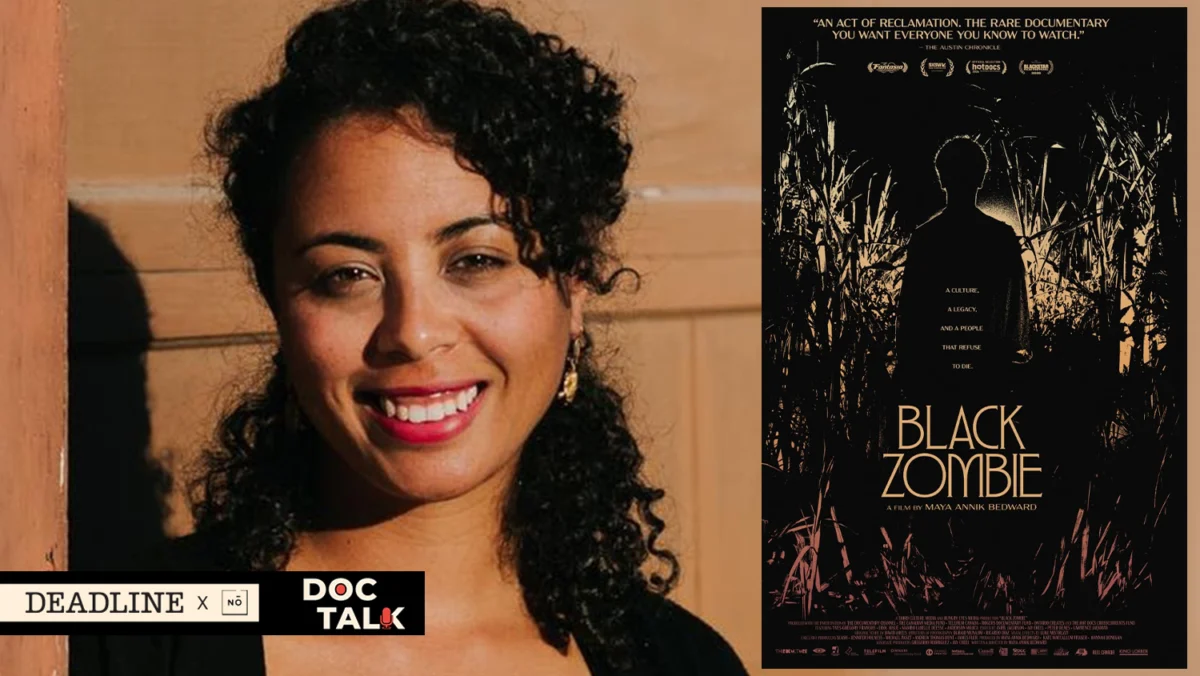
The cinematic archetype of the zombie—a slow-moving, sallow-skinned creature defined by hollow eyes, decaying flesh, and an insatiable hunger for human sustenance—has been a cornerstone of Hollywood horror for nearly a century. From the shambling masses in George A. Romero’s seminal works to the high-octane global pandemics depicted in modern blockbusters like World War Z, the zombie has evolved from a niche monster into a global cultural phenomenon. However, beneath the layers of prosthetic makeup and CGI gore lies a complicated, often ignored history rooted in the colonial exploitation of Haitian culture and the systemic dehumanization of enslaved peoples. In her new documentary, Black Zombie, director Maya Annik Bedward peels back these layers, exposing how the "zombie" of popular imagination is a distorted, westernized caricature of the authentic Haitian zombi.
The Genesis of the Screen Zombie
The transformation of the zombi from a figure of Caribbean folklore into a Hollywood horror trope began in 1932 with the release of Victor Halperin’s White Zombie. The film’s marketing promised a sensationalized narrative: a young man employs a witch doctor to lure a woman away from her fiancé, only to transform her into a mindless slave.
While audiences of the 1930s viewed this as exotic escapism, the pairing of "zombie" and "slave" in early cinema was not merely a plot device; it was a reflection of the racialized anxieties of the era. In Haitian folklore, the zombi is not a flesh-eating ghoul. Rather, it represents an individual stripped of their soul and their free will—a literal embodiment of the condition of enslaved people under colonial rule. By shifting the focus from the loss of agency to a bloodthirsty, predatory monster, Hollywood effectively sanitized the historical trauma of slavery and replaced it with a commodified, terrifying spectacle.
A Chronology of the Undead
To understand the trajectory of the zombie in cinema, one must look at the shifts in cultural perception over the last century:
- 1932: White Zombie premieres, introducing the concept of the Haitian-inspired "slave" zombie to American audiences.
- 1943: I Walked with a Zombie is released, further cementing the association between the Caribbean and the supernatural, albeit through a colonial lens.
- 1968: George A. Romero’s Night of the Living Dead changes the landscape forever. Although the term "zombie" is never used in the film, it creates the modern template: a reanimated corpse that devours human flesh.
- 1970s–1990s: The zombie evolves from a singular threat into a metaphor for societal collapse, consumerism, and existential dread.
- 2004–2009: Films such as Shaun of the Dead and Zombieland bring the genre into the realm of parody, highlighting how far removed the cinematic zombie has become from its Haitian roots.
- 2010–Present: The Walking Dead franchise turns the zombie into a long-form television staple, emphasizing survivalism and social fragmentation.
Fact-Based Analysis: The Appropriation of Vaudou
The documentary Black Zombie argues that Hollywood’s obsession with the creature is built upon the systemic bastardization of vaudou (voodoo). Bedward’s work highlights that the cinematic "zombie" is a byproduct of cultural appropriation, where the sacred or symbolic aspects of Haitian spirituality were stripped of their meaning and repurposed for entertainment.
When Hollywood filmmakers depict "voodoo" rituals as dark, sinister magic designed to raise the dead, they are ignoring the complex theological and historical foundations of the practice. In the context of Haiti’s history—the first free Black republic in the Americas—the zombi myth served as a profound psychological warning against the loss of freedom. By transforming this symbol of human suffering into a monster to be slain by a protagonist, the film industry effectively silenced the historical narrative of the very people who created the myth.
The Significance of Night of the Living Dead
One of the most compelling aspects of Bedward’s analysis in the Doc Talk podcast is her discussion of Night of the Living Dead. While the film is celebrated for its technical innovation and its bleak, nihilistic ending, its impact on Black audiences was particularly significant. Released during the height of the Civil Rights Movement, the film’s casting of a Black lead, Duane Jones, in a role that did not hinge on his race, was groundbreaking. However, the film also arrived at a time when the "zombie" had become a blank slate for racial metaphors. Bedward explores how Black audiences navigated the imagery of the film—a chaotic, violent world where the "undead" were often viewed as an undifferentiated mass—in a country still grappling with deep-seated racial prejudices.
Cinematic Beauty and the Dominican Landscape
A highlight of Bedward’s documentary is the inclusion of black-and-white cinematography filmed on the island of Hispaniola. The filmmaker’s decision to shoot in the Dominican Republic rather than Haiti was a pragmatic necessity due to the volatile political and security climate in Haiti, yet the footage serves as a poignant homage to the region’s landscape.
The aesthetic choices in Black Zombie serve a dual purpose: they honor the roots of the legend while providing a stark, visually arresting contrast to the grimy, neon-soaked gore often found in American zombie horror. Bedward explains that it was vital to her creative process to "have fun" with the editing, ensuring that the film remained an engaging piece of cinema rather than a dry academic lecture. This approach allows the audience to confront uncomfortable historical truths while enjoying a sophisticated cinematic experience.
Broader Implications and Official Reception
The acquisition of Black Zombie by Kino Lorber, a leading distributor of independent and classic cinema, underscores the growing appetite for documentaries that challenge the status quo of genre film history. By platforming Bedward’s work, the industry is signaling a shift toward a more critical examination of its own past.
The implications of this discourse are significant. As audiences become more media-literate, there is an increasing demand for content that interrogates the origins of the stories we consume. The "zombie" is no longer just a monster; it is a lens through which we can view the history of colonialism, the ethics of cultural representation, and the enduring power of myth.
Expert Perspectives
The Doc Talk podcast, hosted by Oscar winner John Ridley—known for his work on 12 Years a Slave—and Deadline’s Matt Carey, provides the perfect venue for this investigation. Ridley’s expertise in depicting the realities of slavery and the African American experience offers a unique analytical framework for Bedward’s findings. The conversation highlights the responsibility of creators to acknowledge the origins of the tropes they employ.
When asked about the importance of her work, Bedward emphasizes that her goal is not to "cancel" the zombie genre, but to encourage a more nuanced understanding of where these stories come from. By acknowledging the Haitian origins of the zombi, viewers can engage with horror films with a greater appreciation for the historical weight behind the imagery.
Conclusion
The zombie has been lumbering through our collective consciousness for generations, evolving into various iterations of horror and comedy. Yet, the work of filmmakers like Maya Annik Bedward serves as a necessary reminder that every story has a source. By examining the racial dimensions of the zombie, Black Zombie invites audiences to look past the gore and consider the human cost of the myths we celebrate. As the genre continues to evolve, it is essential that we maintain a dialogue about the histories being repurposed, ensuring that the voices and traditions behind these stories are acknowledged with the respect and accuracy they deserve.
Whether one enjoys the high-tension survivalism of The Walking Dead or the dark humor of Shaun of the Dead, the history of the "zombie" remains inextricably linked to the spirit of Haiti. Moving forward, the hope is that filmmakers will continue to explore these origins, transforming a figure of exploitation into a symbol of historical awareness.

