

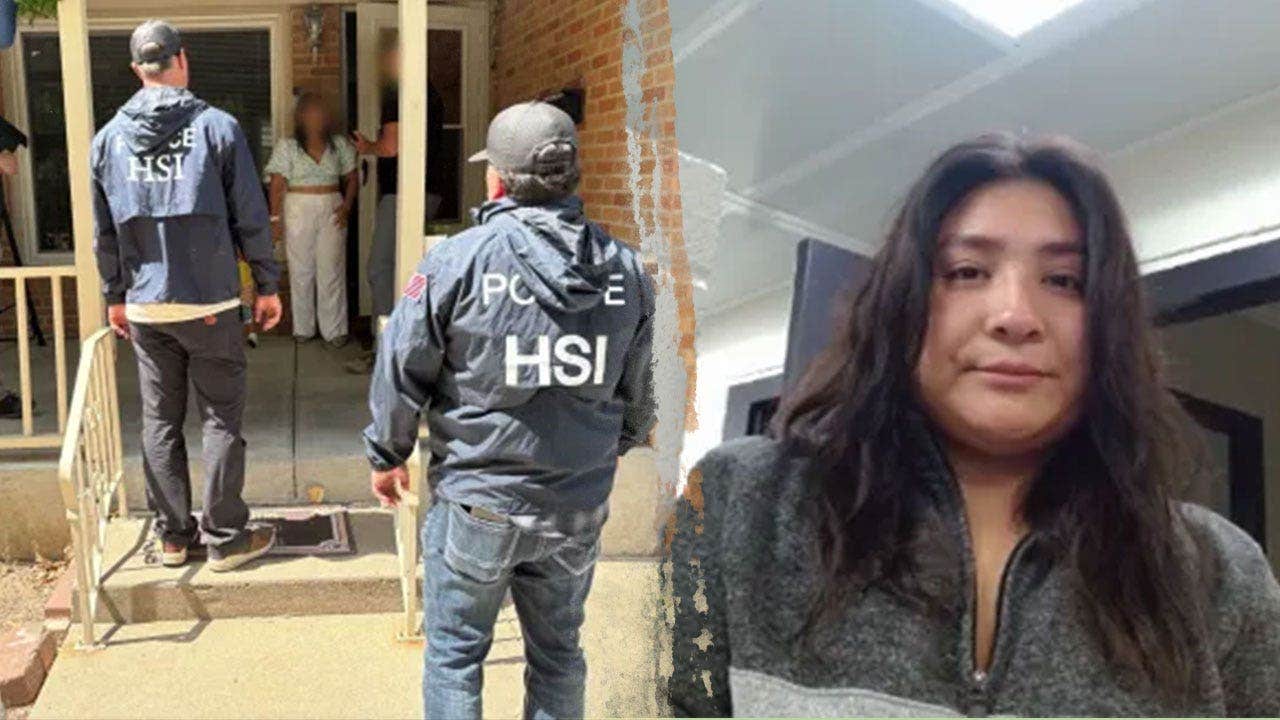
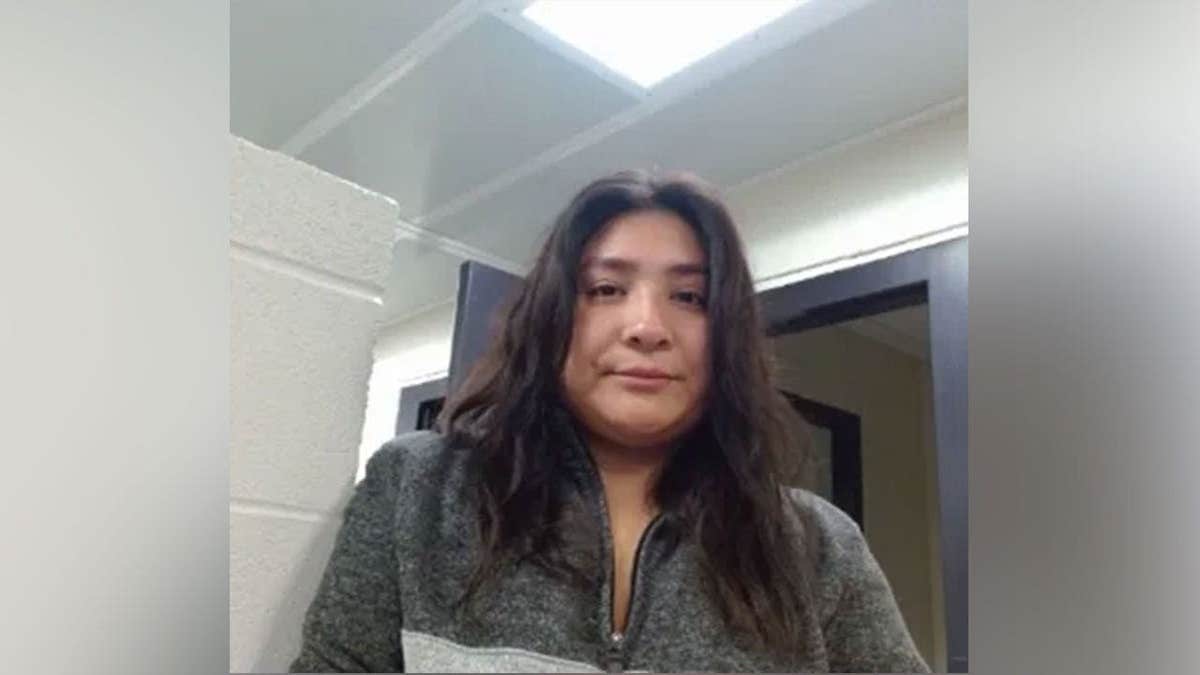
Federal immigration authorities have taken a Peruvian national into custody in Wichita, Kansas, following accusations that she falsely claimed U.S. citizenship to cast a ballot in the November 5, 2024, general election. The arrest of Mariana Alexandra Dewey, a lawful permanent resident, marks a prominent development in the Department of Homeland Security’s ongoing federal initiative to crack down on election integrity violations involving noncitizens.
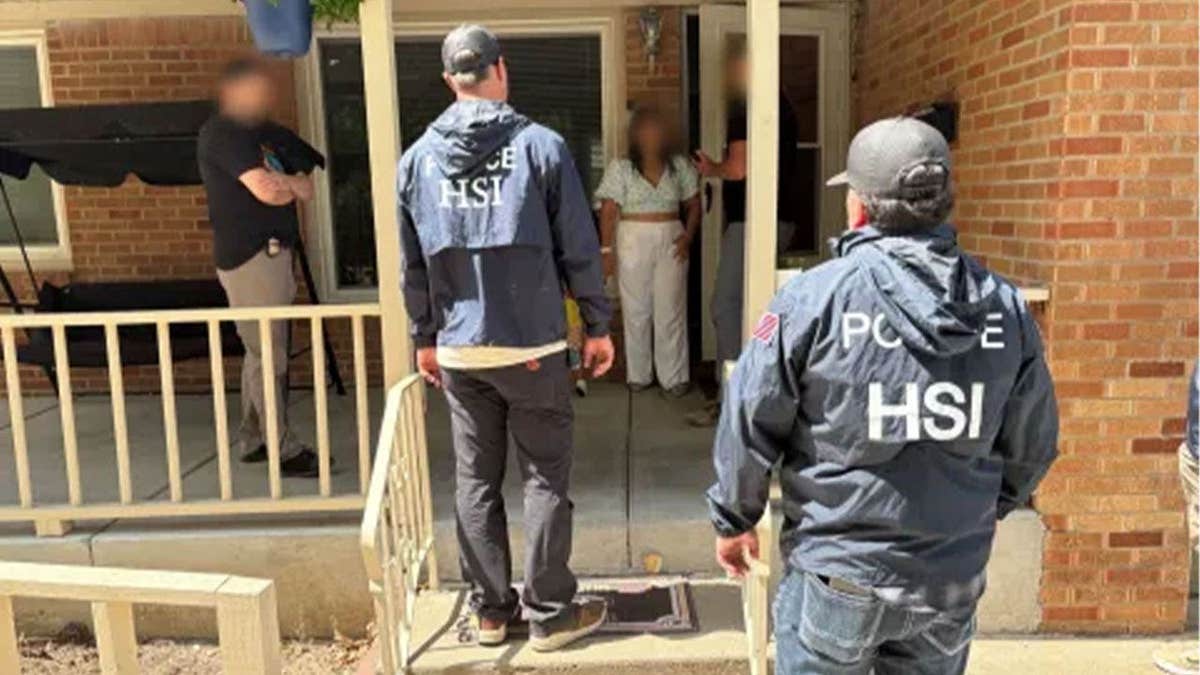
According to official statements released by the Department of Homeland Security (DHS) and Homeland Security Investigations (HSI), Dewey was located and arrested by special agents on September 1, 2026, at a residential property in Wichita. The enforcement action underscores a broader, high-priority enforcement agenda targeting voter fraud and the unlawful participation of foreign nationals in American democratic processes.
The Investigation and Legal Proceedings
The case against Dewey began to unfold when state election officials and federal investigators cross-referenced voter registration logs with immigration databases. According to DHS, election documentation from Sedgwick County, Kansas, revealed that Dewey had successfully submitted a voter registration application. On that application, and subsequently when casting a provisional ballot, she formally certified under penalty of perjury that she was a United States citizen.
Under federal and Kansas state law, the franchise of voting in federal, state, and local elections is strictly reserved for U.S. citizens. Lawful permanent residents—commonly referred to as green card holders—enjoy many legal rights and protections in the United States, but the right to vote in federal elections remains exclusively restricted to citizens.
Following the discovery of the ballot, HSI special agents initiated a formal investigation. During a subsequent interview with federal investigators, Dewey acknowledged her status as a lawful permanent resident of Peru and admitted that she was not a U.S. citizen. Furthermore, she confessed to having voted in the November 2024 general election.
Legal proceedings quickly followed her admission. Rather than contesting the accusations at a lengthy trial, Dewey subsequently entered a guilty plea to a charge of disorderly election conduct under Kansas state law. While the state-level legal resolution addressed the local infraction, the case drew the attention of federal immigration enforcement due to the severity of falsely claiming U.S. citizenship—an act that carries profound immigration consequences, including potential deportation. On September 1, HSI agents executed the arrest warrant, transitioning Dewey from local oversight into federal U.S. Immigration and Customs Enforcement (ICE) custody.
Broader Crackdown on Noncitizen Voting
Dewey’s arrest is not an isolated incident; rather, it is part of an escalating nationwide initiative by the federal government to scrutinize and prosecute noncitizens who participate in U.S. elections. Over the past year, federal agencies, in coordination with local and state election boards, have ramped up audits to detect instances where foreign nationals have improperly registered or cast ballots.
The DHS has increasingly directed ICE and HSI to prioritize investigations into election-related offenses. Officials argue that these measures are essential for preserving the integrity and foundational trust of the American electoral system. The administration’s current enforcement posture maintains that even isolated instances of noncitizen voting undermine the legitimacy of democratic outcomes.
In recent months, federal authorities have brought charges or executed enforcement actions against noncitizens across multiple jurisdictions. Cases have surfaced involving individuals from a diverse array of countries of origin, including Colombia, Slovakia, Australia, Mexico, and Mauritania. Additionally, federal prosecutors recently filed charges against four noncitizens in New Jersey who were accused of illegally casting ballots or falsely claiming citizenship across the 2020, 2022, and 2024 federal election cycles.
Official Statements and Reactions
The arrest of Mariana Alexandra Dewey elicited strong statements from federal leadership, emphasizing the administration’s hardline stance on election security.
DHS Secretary Markwayne Mullin addressed the case directly in a department news release, framing noncitizen voting as a direct affront to the rights of the American electorate.
"This alien violated the sacred right of every American citizen," Mullin stated. "If even one noncitizen votes, that steals the voice of a U.S. citizen. Only American citizens have the right to participate in our political and election processes, and DHS will continue to investigate, seek criminal prosecution and ultimately remove aliens who vote to ensure free, fair and honest elections."
Supporters of the administration’s crackdown argue that rigorous post-election audits and aggressive federal prosecutions are vital deterrents. Proponents of these policies contend that robust enforcement mechanisms are necessary to reassure the public that election outcomes accurately reflect the will of the citizenry alone. They emphasize that federal intervention bridges gaps where local jurisdictions might lack the resources or jurisdiction to pursue immigration-related penalties.
Conversely, civil rights organizations and immigrant advocacy groups often express concern over the rhetoric surrounding noncitizen voting, pointing out that comprehensive studies by academic institutions and election watchdogs consistently show that voting by noncitizens is statistically rare. These groups caution that heightened political focus on the issue can sometimes lead to overly aggressive administrative hurdles, potentially disenfranchising eligible voters who face bureaucratic challenges regarding documentation or name changes.
However, legal experts note that cases involving lawful permanent residents who knowingly sign affidavits under penalty of perjury asserting false citizenship status present clear-cut violations of both state and federal law, leaving little legal defense against prosecution or subsequent removal proceedings.
Implications for Lawful Permanent Residents
The case serves as a stark warning to the millions of lawful permanent residents residing in the United States. Federal immigration attorneys and community outreach programs frequently issue advisories reminding green card holders that registering to vote—even inadvertently due to confusion during the driver’s license renewal process or community registration drives—can trigger severe legal repercussions.
Under U.S. immigration law, falsely claiming to be a U.S. citizen or unlawfully voting in an election can render an individual permanently inadmissible or deportable. Unlike some other minor infractions, a false claim to U.S. citizenship carries very few waivers under immigration statutes, making it one of the most perilous legal pitfalls for noncitizens navigating the path toward naturalization.
When individuals apply for lawful permanent residency or eventually submit Form N-400 to apply for U.S. citizenship, immigration authorities meticulously review their past voting history and civic interactions. Registering to vote or casting a ballot prior to obtaining official citizenship can permanently derail an immigrant’s ability to naturalize and subject them to immediate deportation proceedings, regardless of how long they have legally resided in the country or how integrated they are in their local communities.
Timeline of Key Events
November 5, 2024: Mariana Alexandra Dewey participates in the general election in Sedgwick County, Kansas, after submitting a voter registration application and casting a provisional ballot with a written certification of U.S. citizenship.
Post-Election Period: Routine audits and cross-matching of election logs with federal databases flag discrepancies regarding Dewey’s citizenship status, initiating a joint review by election officials and federal investigators.
Investigation Phase: HSI special agents interview Dewey, during which she acknowledges her status as a lawful permanent resident of Peru and admits to voting in the November election.
Legal Resolution: Dewey enters a guilty plea to a charge of disorderly election conduct under Kansas state law.
September 1, 2026: Homeland Security Investigations special agents locate Dewey at a residence in Wichita, Kansas, and execute an arrest, transferring her directly into U.S. Immigration and Customs Enforcement (ICE) custody to face potential removal proceedings.
September 2026: DHS formally announces the arrest, utilizing the case as a prominent example of ongoing federal efforts to enforce electoral laws and penalize noncitizens who participate in American elections.
Next Steps in the Case
Following her transfer to ICE custody, Dewey is expected to go through standard administrative removal proceedings. Because her case involves a federal violation tied to election integrity and a false claim of citizenship, immigration judges will evaluate the findings of HSI investigators alongside her prior state-level conviction.
As the Department of Homeland Security continues to pursue similar cases nationwide, the outcome of Dewey’s removal proceedings will serve as another legal benchmark for how the federal government handles noncitizen voting infractions in the wake of major federal election cycles. Election officials across the country remain under pressure to tighten list-maintenance protocols and enhance verification processes to prevent ineligible individuals from slipping through the cracks of voter registration systems.
