
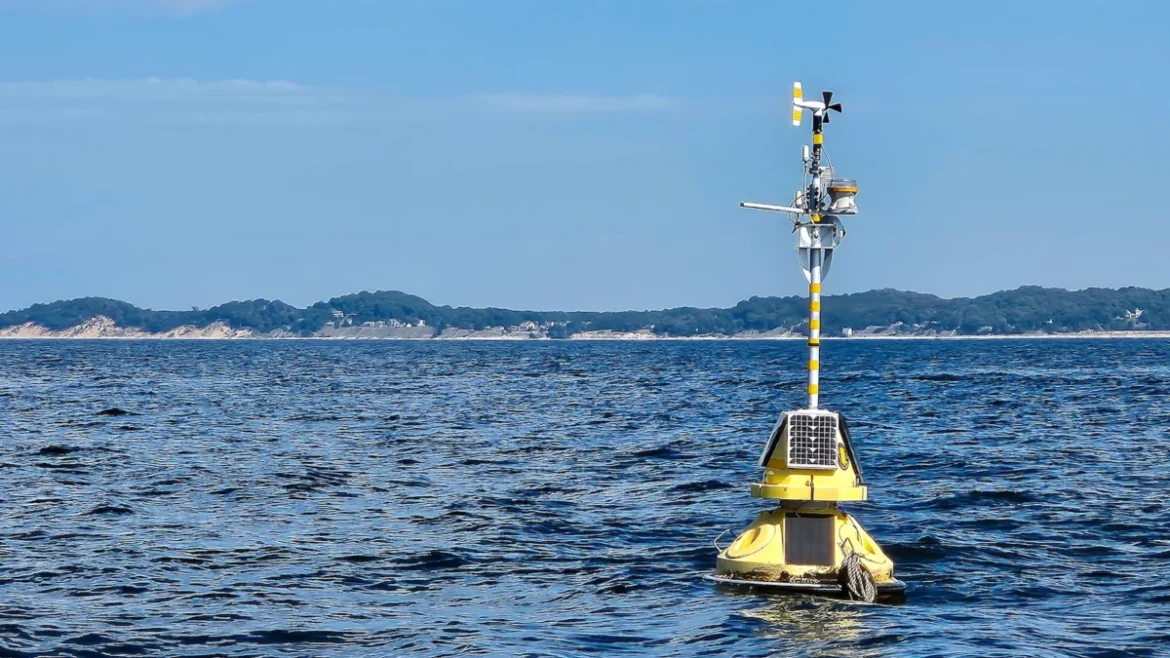
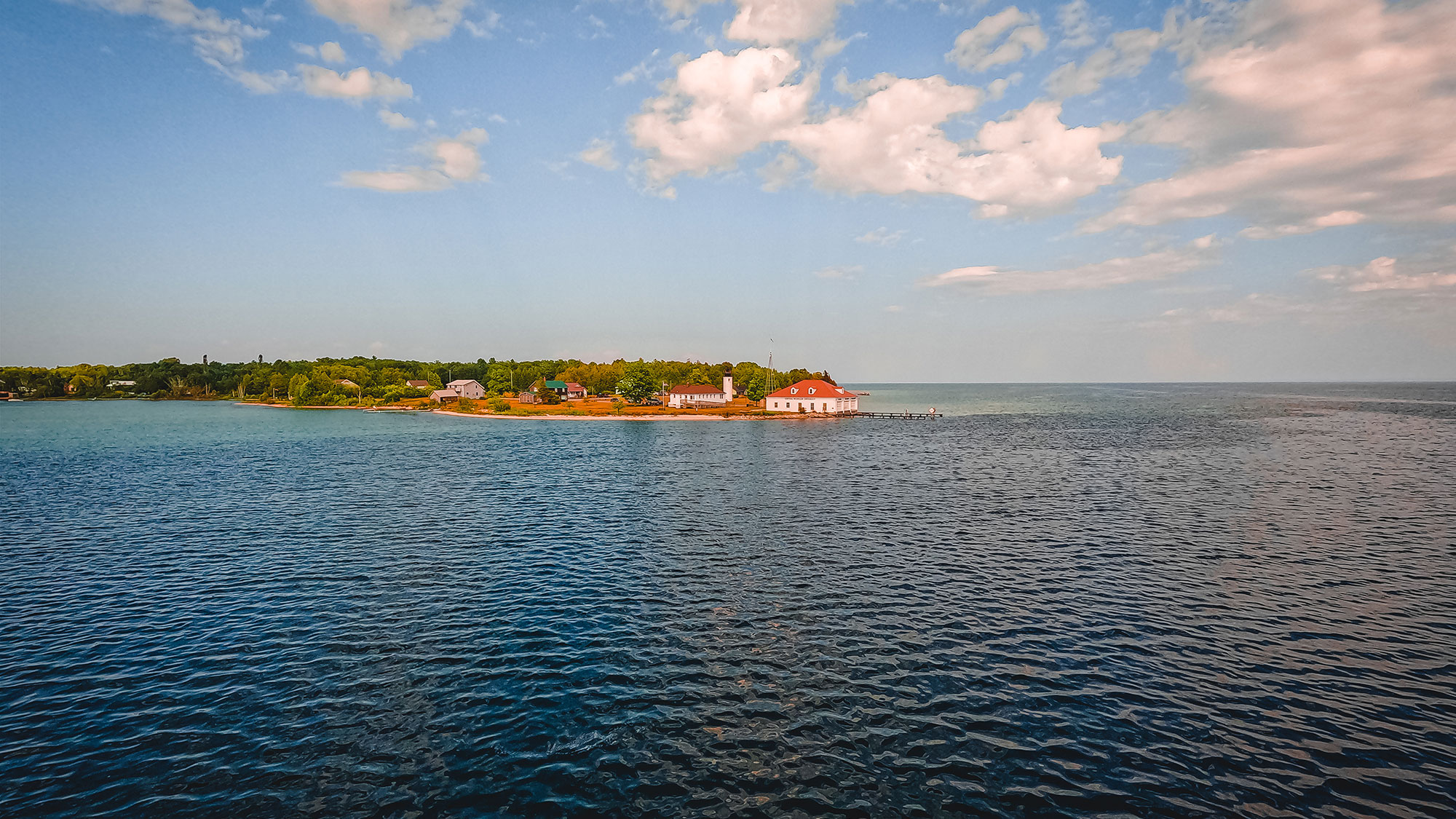
Beaver Island, a forested sanctuary nestled in the northern reaches of Lake Michigan, is pioneering a path toward energy self-sufficiency through the kinetic power of the Great Lakes. Located approximately 70 miles from the maritime border with Canada and accessible only by boat or aircraft, the island faces unique logistical challenges that extend far beyond its seasonal tourism industry. For the approximately 600 permanent residents who call this 55-square-mile territory home, the struggle for reliable electricity has long been a defining feature of island life. However, a recent collaboration between the University of Michigan and the local community suggests that the very waves that isolate the island may soon become its most reliable source of power.
The Vulnerability of an Isolated Grid
The current electrical infrastructure of Beaver Island is a testament to the difficulties of rural utility management. Power is delivered from mainland Michigan via a series of underwater cables that stretch across roughly 30 miles of the lake bed. While this engineering feat has sustained the island for decades, it is fraught with vulnerability. These sensitive wires are susceptible to shifting lake currents, anchor strikes, and the natural degradation of the aquatic environment.
The fragility of this connection was laid bare during the winter of 2023. A devastating ice storm, which crippled much of the state’s traditional power grid, proved particularly catastrophic for Beaver Island. The weight of the ice combined with high winds led to a total blackout that lasted for weeks, leaving residents to rely on emergency generators and wood heat in sub-zero temperatures. This event served as a catalyst for local leaders and residents to seek a "behind-the-meter" solution—energy generated on the island, for the island.
While some residents have already invested in individual solar arrays and geothermal heating systems, the community recognized the need for a centralized, resilient backup for critical infrastructure. Through a two-year engagement process, the community identified the Beaver Island Airport as the primary candidate for a microgrid. As the island’s lifeline for emergency medical evacuations and essential supplies, ensuring the airport remains powered during mainland outages is a matter of public safety.
Innovation in the Surf: The Michigan Prototype
In early June, researchers from the University of Michigan’s College of Engineering arrived on the shores of Beaver Island to demonstrate a potential solution. Led by Professor Lei Zuo, a specialist in marine energy harvesting, the team deployed two prototype Wave Energy Converters (WECs). These devices are designed to capture the mechanical energy of moving water and convert it into usable electricity.
The prototypes are intentionally modest in scale, designed for ease of deployment and maintenance in remote environments. Roughly the size of a yoga ball and encased in a framework of PVC piping, the devices resemble small, tethered buoys. During the demonstration, the researchers successfully used the kinetic energy of the Lake Michigan surf to power a light bulb and charge a mobile phone. While these are small-scale applications, the underlying technology is scalable.
Professor Zuo emphasized that the project’s success hinges on its "co-design" philosophy. "We need to work with the community together to identify the need and design together with them," Zuo stated. This approach ensures that the technology meets the specific environmental and social requirements of the island, rather than imposing a one-size-fits-all industrial solution.
A Chronology of Community Resilience
The journey toward wave energy on Beaver Island did not happen in a vacuum. It is the result of a deliberate, multi-year timeline of research and community organizing:
- 2021-2022: Initial discussions began between island residents and academic researchers regarding energy independence. The island secured federal funds through the Department of Energy’s programs for remote and islanded communities.
- Winter 2023: The catastrophic ice storm caused a weeks-long blackout, highlighting the urgent need for local generation and accelerating the search for alternative energy.
- 2023-2024: The University of Michigan team conducted a two-year study, gathering data on wave patterns in the northern Great Lakes and holding town hall meetings with Beaver Island residents to prioritize infrastructure needs.
- June 2024: The first successful shoreline deployment of the prototype WECs took place, proving the concept’s viability in fresh water.
- 2025 and Beyond: The team plans to refine the prototypes into a ruggedized, final version capable of providing consistent power to the Beaver Island Airport and potentially other municipal buildings.
Comparative Models: Alaska and Puerto Rico
Beaver Island’s move toward energy independence mirrors a growing national trend among remote communities. In Galena, Alaska, a small Native village, residents have pivoted toward a combination of solar power and biomass to reduce their reliance on expensive, carbon-intensive diesel fuel flown in at great cost. For Galena, like Beaver Island, renewable energy is as much about economic survival as it is about environmental stewardship.
Similarly, in the wake of Hurricane Maria in 2017, the town of Adjuntas, Puerto Rico, developed a community-owned solar microgrid. When the island’s centralized grid fails—a frequent occurrence in the Caribbean—the Adjuntas microgrid keeps the lights on for local businesses and emergency services. These models provide a blueprint for Beaver Island: the goal is not necessarily to replace the mainland connection entirely, but to create a "suite of renewables" that can sustain life when the primary grid goes dark.
Navigating Policy and Funding Shifts
The future of marine energy projects in the United States currently sits at a crossroads of shifting federal priorities. Most wave energy research is heavily reliant on federal grants, particularly from the National Science Foundation and the Department of Energy. As the political landscape shifts, there are concerns regarding the longevity of climate-focused grants.
However, marine energy occupies a unique niche in the American energy portfolio. Unlike large-scale wind or solar farms, which have sometimes faced political opposition, wave and tidal energy often fall under the umbrella of "hydropower." This distinction is significant. Early in his second term, President Donald Trump included hydropower among the domestic energy sources prioritized for regulatory fast-tracking and support.
The Department of Energy’s rebranded Hydropower and Hydrokinetic Office recently announced $220 million in Congressional appropriations to continue research into water-based power. Experts like Dan Hellin, director of the PacWave testing facility in Oregon, note that marine energy often "escapes the radar" of political animosity toward renewables because it is viewed through the lens of domestic resource development and grid modernization.
The Great Lakes as a "Real-World Laboratory"
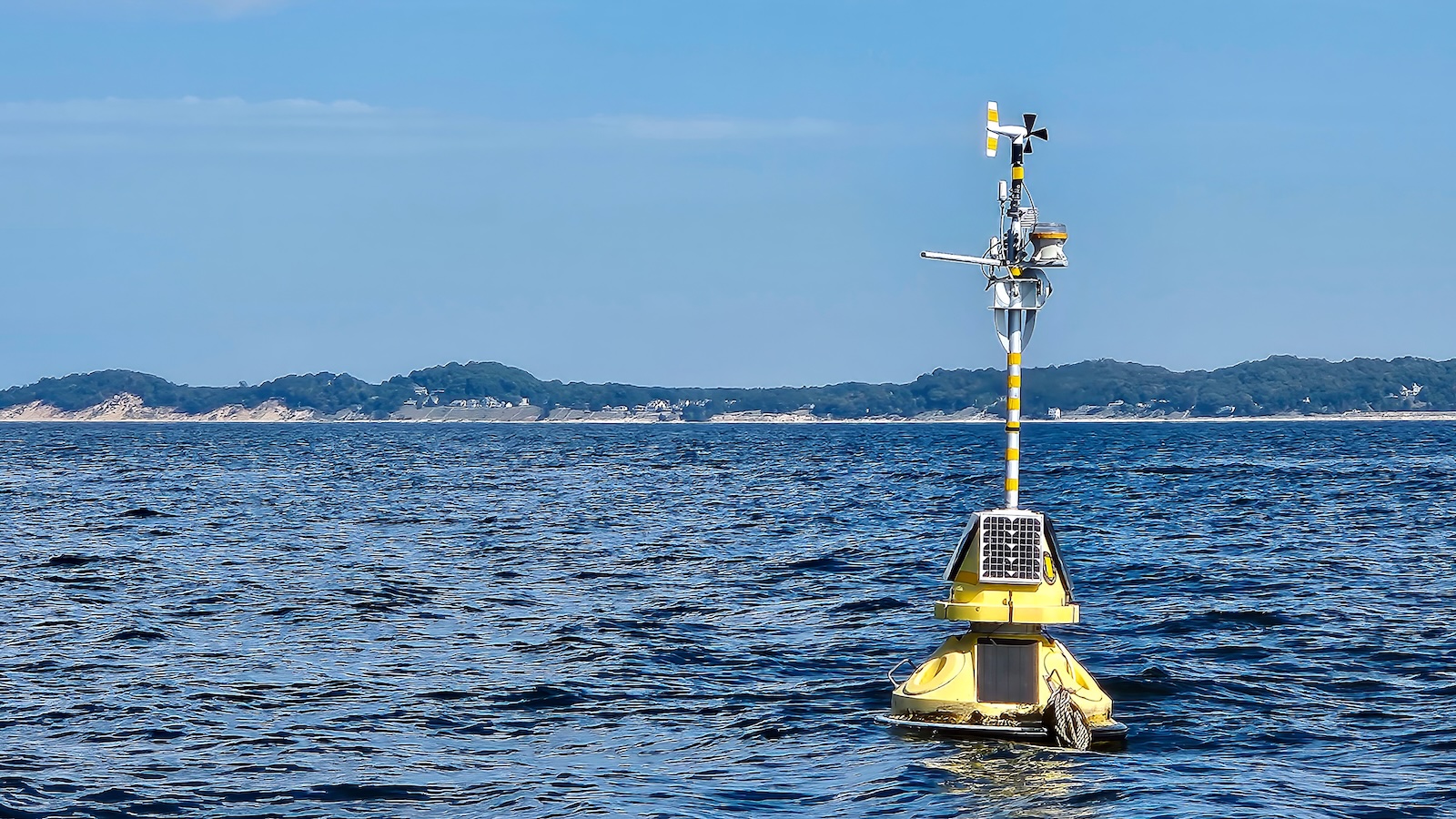
While wave energy is frequently tested in the Pacific and Atlantic oceans, the Great Lakes offer a unique set of advantages for researchers. Saeid Bayat, a researcher with the University of Michigan, describes the Great Lakes as an "ideal experimental bathtub."
Ocean-based wave energy faces significant hurdles, including high salt-water corrosion, massive storm surges that can destroy equipment, and the sheer logistical difficulty of servicing devices miles offshore. In contrast, the Great Lakes provide real-world wave conditions in a freshwater environment, which significantly extends the lifespan of the mechanical components. Furthermore, the waves in the Great Lakes are seasonal and generally more manageable, allowing researchers to test and refine their designs in a safer, less expensive setting before attempting commercial-scale ocean deployments.
The Michigan team is currently running a parallel project in North Carolina’s Outer Banks, comparing the performance of their devices in freshwater versus saltwater environments. This data will be crucial for the eventual commercialization of wave energy technology across the United States.
Technical Hurdles and Economic Realities
Despite the optimism surrounding the Beaver Island project, wave power is not yet ready for mass adoption. Several factors contribute to its slow commercialization:
- Lack of Standardization: Unlike solar panels or wind turbines, which have settled on a few dominant designs, there is currently no "standard" wave energy converter. Designs range from oscillating water columns to point absorbers and overtopping devices.
- Deployment Costs: Installing and anchoring devices in moving water remains expensive and requires specialized maritime equipment.
- Efficiency: Capturing the chaotic motion of waves and converting it into a steady stream of electricity requires sophisticated power electronics that can handle variable inputs.
However, for a community like Beaver Island, the metrics of "success" are different than they are for a major utility company. If the technology can provide enough power to keep an airport operational or a grocery store’s refrigerators running during a storm, the investment is considered a success regardless of whether it can compete with the wholesale price of mainland coal or gas power.
A Future Defined by Independence
As the University of Michigan team returns to Ann Arbor to analyze the data from their recent deployment, the residents of Beaver Island remain hopeful. For summer residents like Seamus Norgaard, the project represents a convergence of practical necessity and environmental values. "It’s a combination of looking at cost savings and also wanting to be independent and not dependent on the mainland for everything," Norgaard noted.
The broader implication of the Beaver Island experiment is the democratization of energy. By proving that small-scale, locally managed wave energy can bolster grid resilience, the project offers a path forward for thousands of coastal and island communities worldwide. As climate change increases the frequency and severity of extreme weather events, the ability to generate power from the surrounding environment—be it wind, sun, or waves—is transitioning from a luxury to a requirement for survival.
The final version of the Beaver Island wave energy system is expected to be installed within the next few years. If successful, it will transform the island from a vulnerable endpoint of a 30-mile extension cord into a self-sustaining model of 21st-century energy resilience. For now, the small, yoga-ball-sized buoys bobbing in the Lake Michigan surf serve as a quiet promise of a more secure and independent future for the "Emerald Isle" of the Great Lakes.
