

In the rugged, picturesque landscape of the Kenai Peninsula, the small town of Seward, Alaska, has become an unlikely laboratory for solving one of the most pervasive crises facing rural America: the systemic lack of affordable, accessible child care. With a population of approximately 2,800 year-round residents, Seward—a critical cruise ship port that swells with thousands of seasonal visitors—faced a severe economic bottleneck by 2018. For families like that of Ella Wright, a local professional in the healthcare sector, the scarcity of care meant a forced reduction in working hours and a daily struggle to balance professional obligations with the fundamental needs of a young child.
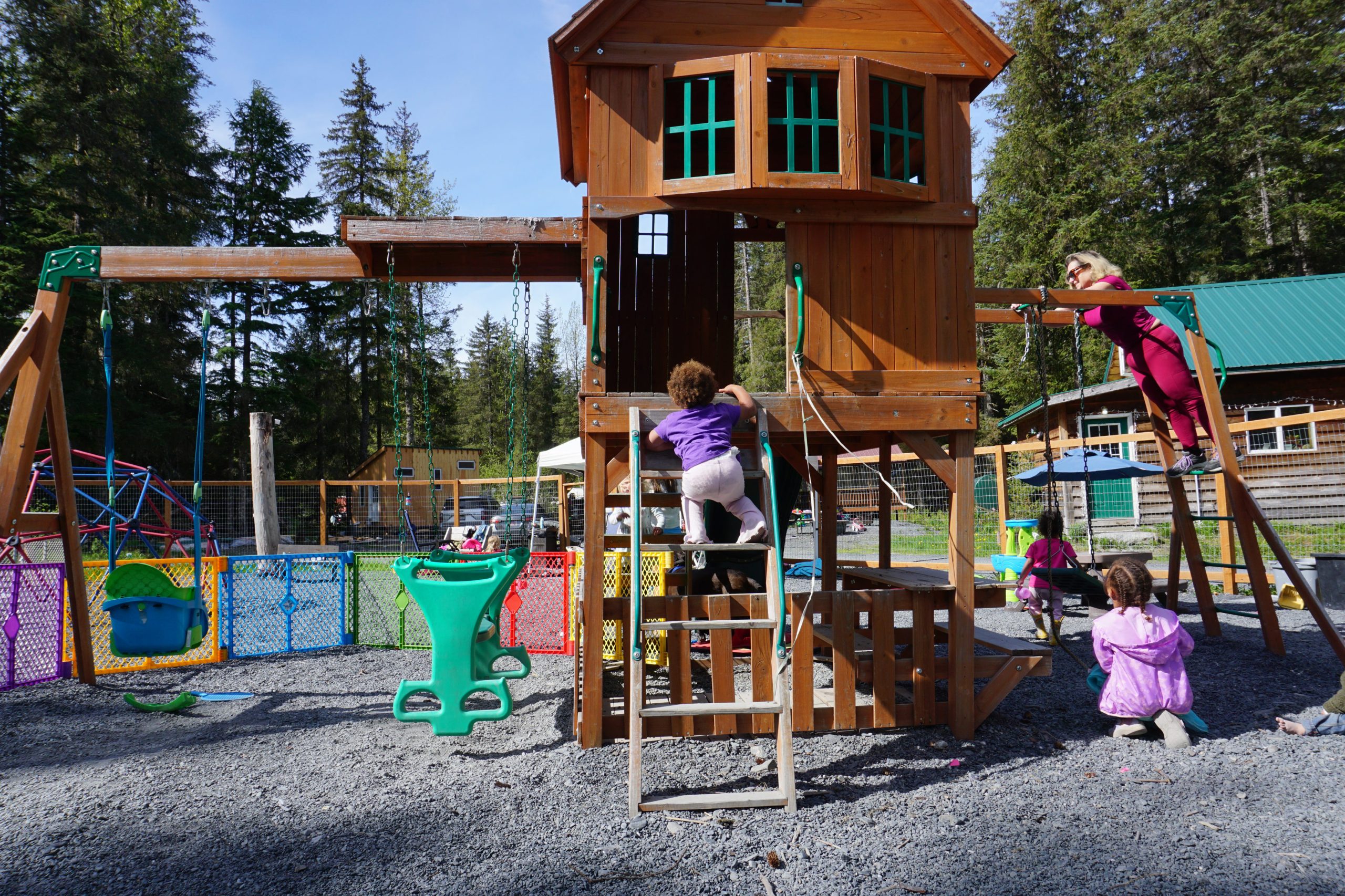
The turning point for the community arrived in 2021, not through a massive state or federal legislative overhaul, but through a $1 million donation from Norwegian Cruise Lines. This infusion of capital, part of a $10 million aid package designated for Alaskan port communities reeling from pandemic-related economic instability, provided the city council with a rare opportunity to invest in long-term infrastructure. Rather than allocating the funds toward traditional capital projects like road repair or facility upgrades, the council identified child care as the town’s primary barrier to economic vitality. Five years later, this strategic decision has resulted in a 150 percent increase in licensed child care slots, offering a potential blueprint for other isolated communities nationwide.
A Chronology of Crisis and Response
The child care desert in Seward was not a sudden phenomenon but a result of years of attrition. In 2019, the community suffered a major blow when a key child care program, operated by the Qutekcak Native Tribe, shuttered its doors just three years after opening, resulting in the immediate loss of 20 childcare slots. This crisis deepened in 2021 when a preschool program funded by federal Title I money was forced to close because the local elementary school’s demographic shifted, causing it to fall below the enrollment threshold required to maintain the funding.

By the time the Norwegian Cruise Lines donation was processed, the town was left with only two licensed programs and a capacity of 20 slots for more than 80 children in need. Casie Warner, who had transitioned from a home visitor role to leading the child-focused nonprofit Happy Youth Programs and Educational Resources (HYPER), became the architect of the town’s recovery strategy. HYPER was tasked with distributing the funds to stabilize the industry. The organization focused on three pillars: professional training for providers to meet state licensing requirements, seed funding for start-up costs for home-based centers, and a subsidy program to ease the tuition burden on working families.
The Economic Cost of the Child Care Desert
The situation in Seward reflects a broader, national trend. According to the Center for American Progress, 96 percent of Alaska’s children reside in what is categorized as a “child care desert,” where there are at least three children for every available licensed slot. This ratio becomes significantly more severe in rural and low-income areas, where the deficit often climbs to nine children for every one slot.

The economic implications for the state are profound. A 2023 report from the U.S. Chamber of Commerce Foundation estimated that Alaska lost $165 million in potential economic activity due to parents’ inability to access childcare. When parents cannot find reliable care, they are frequently forced to drop out of the workforce, reduce their hours, or turn down promotions. In Seward, this has had tangible consequences for essential services. The town, which hosts a state maximum-security prison and vital medical facilities, has struggled with chronic worker shortages. In 2023, the local jail was temporarily forced to close and divert detainees to state-run facilities simply because there was insufficient staff to maintain operations—a staffing crisis directly tied to the town’s inability to retain families who require reliable, consistent care.
The Reality of Home-Based Care
For providers like Josie McClain, the $1 million investment was a lifeline that transformed her home-based business. Operating seven miles north of downtown, McClain provides one of the few 24-hour childcare options in the region—a necessity for parents working shifts at the local hospital or other critical industries. With a $10,000 grant from HYPER, McClain was able to construct a screened-in porch, expanding her usable space to accommodate four additional children, bringing her total capacity to 12.

Despite these gains, the operational challenges remain immense. The cost of living in rural Alaska is notoriously high, and the profit margins for in-home childcare are razor-thin. McClain frequently drives over two hours to Anchorage to purchase supplies in bulk, as local prices are often prohibitive. Furthermore, recent federal shifts in food program reimbursement rates have forced her to tighten her budget further. The work is physically and emotionally demanding, and without a reliable workforce to serve as assistants, providers like McClain fear that even with infrastructure support, they may be forced to reduce their capacity.
Sustainability and the Future of Funding
While the infusion of private capital from Norwegian Cruise Lines provided the spark for recovery, experts in early childhood policy argue that private donations are not a permanent solution. Hailey Gibbs, associate director of early childhood policy at the Center for American Progress, notes that the math simply does not work for long-term sustainability without consistent public investment. “It’s impossible math otherwise for these programs to continue operating,” Gibbs stated.

The legislative landscape in Alaska remains volatile. While the state government has occasionally moved to increase funding—such as the 2025 allocation of $6 million to expand eligibility for childcare assistance—these gains are often tempered by fiscal conservatism. For example, Governor Mike Dunleavy’s recent veto of $6.4 million in workforce retention funds and $3.7 million for Head Start programs has created uncertainty for providers across the state.
The leaders of Seward’s recovery effort are now looking toward more permanent, localized funding streams. Courtney Bringhurst, a Seward city planner, emphasized that the ultimate goal is to stabilize the year-round population. "The hope is that if we can address child care, that perhaps it will have a bigger ripple effect," she said. "We’re hoping that it will help more families be willing to relocate to Seward and stay. If we can get more families to stay, that will help strengthen our schools, which will give more opportunities and interest for other businesses to come to Seward."

Casie Warner is currently advocating for a tourism tax as a potential long-term funding mechanism. As the port expands its capacity for larger cruise ships, there is a push to ensure that the economic benefits of tourism are captured and reinvested into the community’s social infrastructure. For Seward, the math is clear: to sustain a vibrant tourism industry, the town must first be able to sustain the people who keep its essential services running throughout the quiet, cold winters.
As of mid-2026, the success of the Timberline Learning Center and the expansion of home-based programs like McClain’s demonstrate that targeted, local intervention can bridge the gap where state and federal systems fail. However, the reliance on nonprofit oversight and the persistent threat of funding cuts underscore the precarious nature of this progress. The Seward model provides a compelling case study of what happens when a community stops viewing child care as a private family burden and begins to treat it as a fundamental pillar of economic development. Whether this model can be replicated in other rural locales depends largely on the willingness of local governments to prioritize these investments and the ability of policymakers to ensure that the “impossible math” of rural childcare is finally balanced by sustainable, public-sector support.
