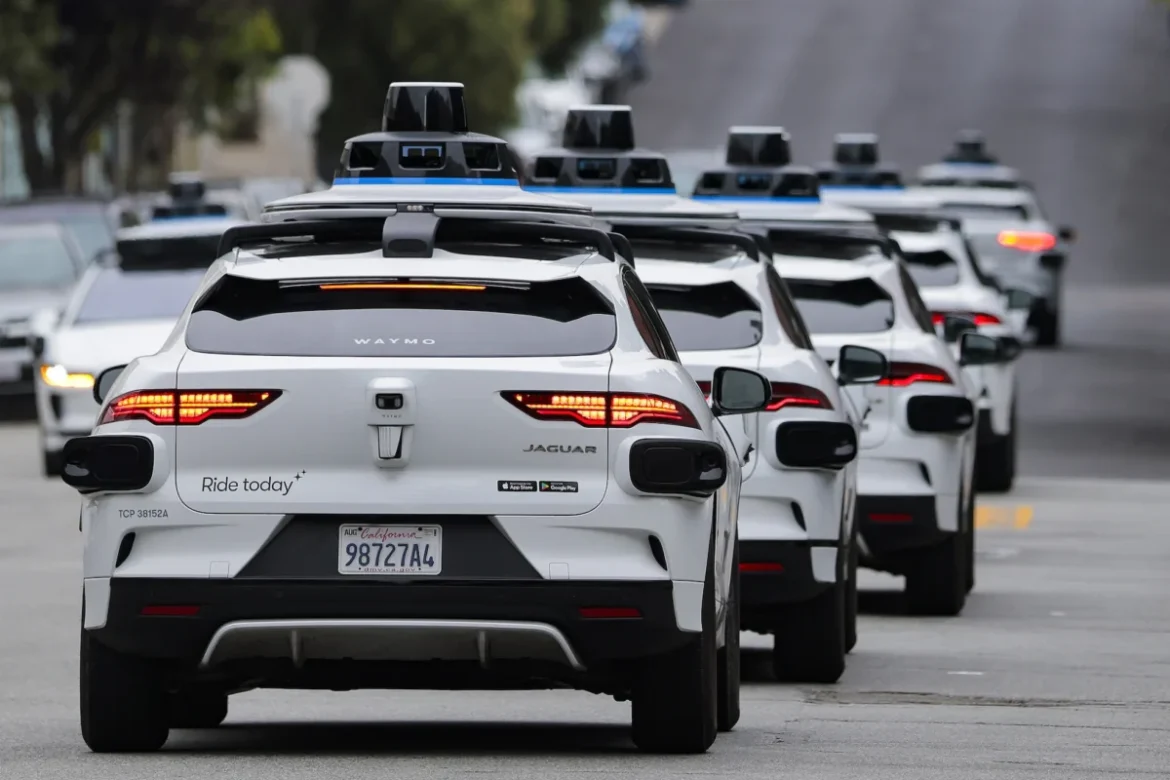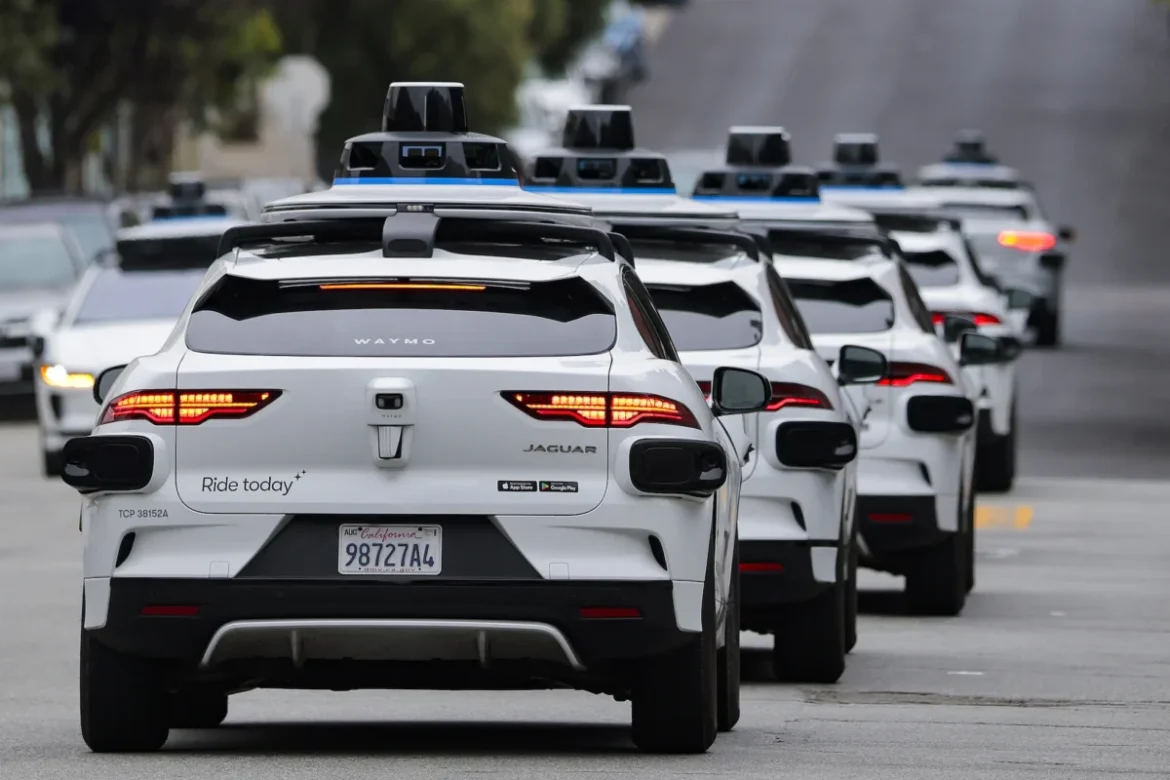
Waymo has announced the resumption of its fully autonomous robotaxi service in San Francisco following a temporary pause implemented due to a significant power outage affecting parts of the city. The Alphabet-owned company cited "temporary adjustments" made to its operations as it monitored local conditions. The outage, which reportedly impacted approximately 7,000 Pacific Gas and Electric (PG&E) customers, prompted Waymo to suspend its services, including freeway routes, for a period of about one hour. This incident marks another instance where the nascent autonomous vehicle (AV) industry has encountered operational challenges linked to external infrastructure disruptions.
Chronology of the Incident
The disruption began on Saturday, July 18, 2026, around midday Pacific Daylight Time. At approximately 12:30 PM PDT, Waymo began informing its San Francisco customers of a temporary service pause. A social media post, shared by a user named Ethan McKanna, included a screenshot of a notification from Waymo stating, "We are temporarily pausing service and freeway routes are unavailable." This notification indicated a direct impact of the localized power failure on the company’s fleet operations.
Waymo’s immediate response was to halt services to assess the situation. A spokesperson for the company confirmed to TechCrunch that the decision to pause was made to "assess the scale of the power outage affecting a large portion of San Francisco and coordinate with local officials." This period of assessment and coordination lasted for approximately one hour. By early afternoon PDT, Waymo indicated that service had been restored to normal operations.
Background: The San Francisco Power Outage
The power outage that triggered Waymo’s operational adjustments affected roughly 7,000 PG&E customers across various San Francisco neighborhoods. While the exact cause of the outage was not immediately detailed in the initial reports, such disruptions can stem from a variety of factors, including equipment failures, weather events, or even accidents. The scale of this particular outage, impacting a significant number of customers, suggests a notable disruption to the city’s electrical grid.
This is not the first time that power outages have directly impacted Waymo’s operations in San Francisco. In December 2025, a blackout led to a suspension of Waymo’s services, with several autonomous vehicles stalling on city streets. Another notable incident occurred during a Fourth of July fireworks show, where a similar power disruption reportedly caused traffic congestion and further service interruptions. These recurring issues highlight the vulnerability of autonomous vehicle operations to existing urban infrastructure, particularly the reliability of power supply.

Waymo’s Official Statement and Response
In a statement to TechCrunch, a Waymo spokesperson articulated the company’s approach to such events: "We are making temporary adjustments to our service while we monitor local conditions. We know riders depend on us, and we will return to normal operations as soon as possible." This statement underscores Waymo’s commitment to its users while acknowledging the need for operational flexibility in the face of unforeseen circumstances.
Following the initial publication of the news, Waymo provided additional context, clarifying the duration and rationale behind the service pause. The company stated, "We decided to pause service for approx. one hour to assess the scale of the power outage affecting a large portion of San Francisco and coordinate with local officials." This additional detail reinforces the proactive nature of Waymo’s response, emphasizing a deliberate decision to ensure safety and coordination rather than an uncontrolled system failure.
Broader Implications for Autonomous Vehicle Deployment
The incident raises pertinent questions about the resilience and preparedness of autonomous vehicle technology within complex urban environments. While AVs are designed with numerous redundant systems, their reliance on external factors like consistent power supply and clear communication networks remains a critical consideration.
Supporting Data and Context:
- Industry Growth: The global autonomous vehicle market is projected to experience substantial growth in the coming years. Market research firm Statista estimates the market size to reach hundreds of billions of dollars by the end of the decade. San Francisco has been a key testing ground and deployment zone for AV companies like Waymo and Cruise, due to its dense population, complex road networks, and early adoption of technology.
- Regulatory Landscape: The recurring operational challenges faced by AVs in San Francisco have intensified scrutiny from city officials. San Francisco Mayor Daniel Lurie has been a vocal advocate for stricter state regulations governing autonomous vehicles, particularly concerning their operation during major incidents. Following a previous incident involving Waymo and traffic disruption, Mayor Lurie called for tougher rules to "adequately address how autonomous vehicles operate during major incidents, planned or not." This suggests a growing tension between the rapid advancement of AV technology and the need for robust regulatory frameworks to ensure public safety and urban order.
- Infrastructure Dependence: The reliance of AVs on stable infrastructure is a well-documented concern. This includes not only power but also reliable GPS signals, cellular connectivity for communication and software updates, and the integrity of road markings and traffic signals. Events that compromise these elements can directly impact the operational capability of autonomous fleets.
Analysis of Potential Impacts
The temporary suspension of Waymo’s services, while brief, highlights several key areas of concern and potential impact for the broader AV industry:
- Public Trust and Adoption: While Waymo’s prompt resumption of service is positive, repeated disruptions, even if minor, can erode public trust. Passengers rely on robotaxis for timely and consistent transportation. Such incidents, particularly if they become more frequent or severe, could slow down public adoption and acceptance of AV technology.
- Operational Resilience: Companies like Waymo are investing heavily in making their systems robust. However, the current incident underscores the need for even greater resilience, potentially including backup power solutions for individual vehicles or more sophisticated protocols for managing fleet-wide responses to widespread infrastructure failures.
- Regulatory Scrutiny: As mentioned, San Francisco officials are already pushing for stricter regulations. Incidents like this provide further ammunition for those advocating for more stringent oversight and potentially slower deployment timelines until technological and infrastructural challenges are more definitively resolved. The ability of AVs to operate safely and reliably during emergencies or widespread disruptions will likely become a critical benchmark for regulatory approval.
- Inter-Agency Coordination: Waymo’s statement about coordinating with local officials indicates the importance of strong partnerships between AV companies and city authorities. Clear communication channels and coordinated response plans are crucial for managing disruptions effectively and minimizing their impact on public services and traffic flow.
Looking Ahead
The incident serves as a reminder that the widespread deployment of autonomous vehicles is still in its formative stages. While the technology has advanced significantly, its integration into the fabric of urban life requires careful consideration of external dependencies and potential points of failure. As Waymo and other AV companies continue to expand their services, ongoing dialogue with city officials, investment in infrastructure resilience, and transparent communication with the public will be paramount. The ability of these autonomous systems to navigate not just complex traffic scenarios but also the realities of urban infrastructure failures will be a key determinant of their long-term success and societal acceptance. The coming years will likely see continued efforts to strengthen AV technology against such disruptions, alongside evolving regulatory frameworks designed to ensure the safe and efficient integration of these vehicles into our transportation networks.