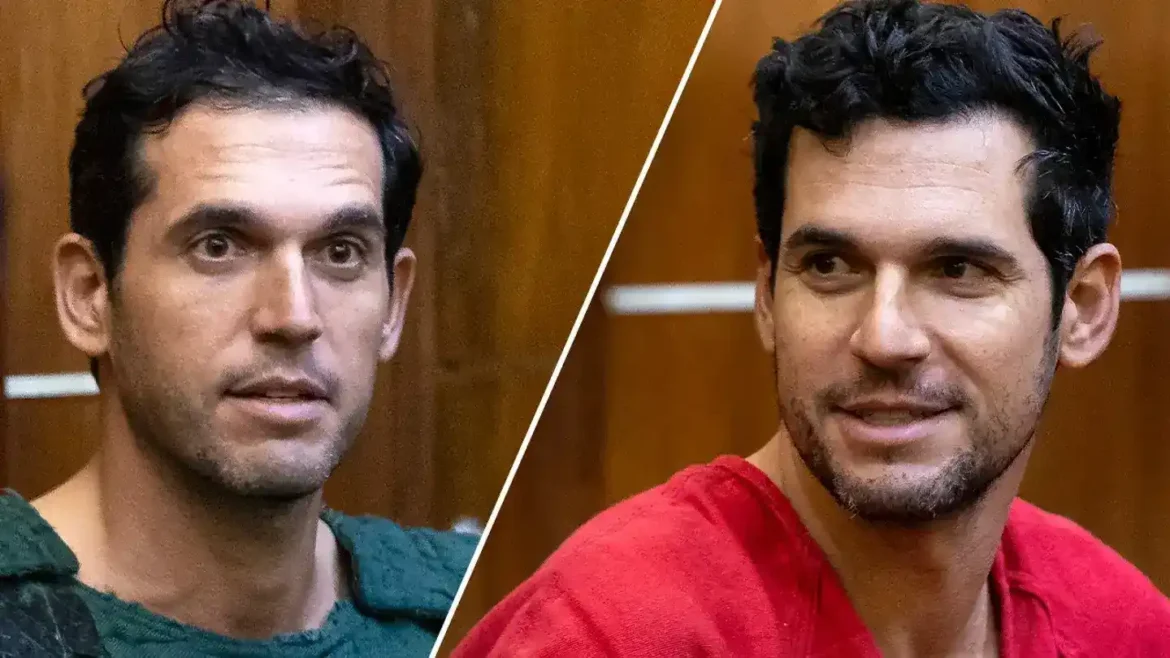
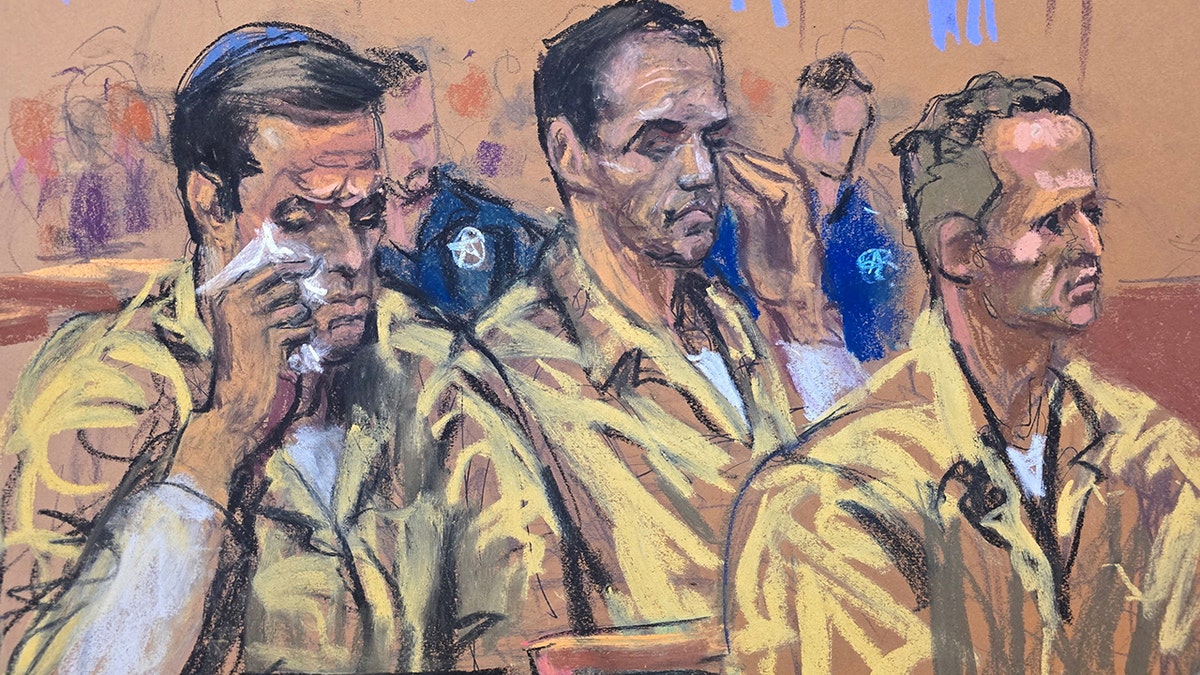
NEW YORK — Three brothers who once inhabited the upper echelons of elite society, luxury real estate, and high-stakes finance were sentenced on Tuesday to 30 years in federal prison. The sentencing marks the definitive conclusion of a breathtaking legal and moral downfall for Tal Alexander, 40, and his twin brothers, Oren and Alon Alexander, 39. Presided over by U.S. District Judge Valerie E. Caproni in a federal courtroom in New York, the hearing capped a multi-year investigation and a high-profile trial that exposed a dark, predatory underbelly hidden behind glossy marketing campaigns, multi-million-dollar property portfolios, and exclusive access to the jet-set lifestyle.
The federal jury’s verdict in March found all three brothers guilty on multiple counts, including conspiracy to commit sex trafficking, inducement to travel to engage in unlawful sexual activity, and numerous counts of sex trafficking executed through force, fraud, or coercion. While federal prosecutors had aggressively lobbied for life sentences—describing the trio as unrepentant "serial rapists" who derived a perverse sense of pride from their crimes—defense attorneys had asked for the statutory minimum of 15 years. Judge Caproni ultimately settled on the 30-year term, balancing the sheer gravity and calculated nature of the offenses with the parameters of federal sentencing guidelines.
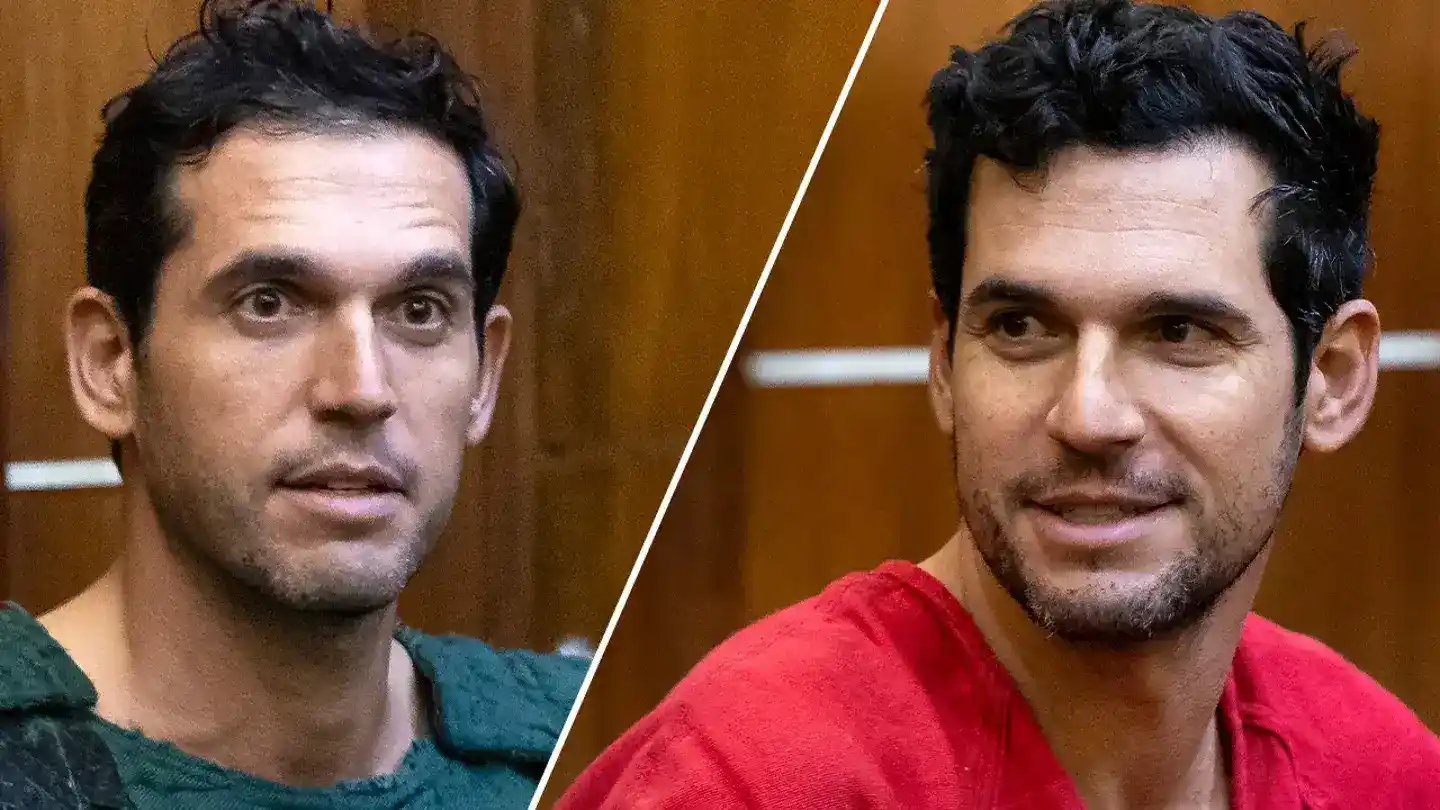
The courtroom proceedings on Tuesday were emotionally charged, punctuated by the poignant testimonies of survivors who detailed the enduring psychological and emotional trauma inflicted by the defendants. The sentencing serves as a stark reminder of how systemic abuses of power, wealth, and social status can be weaponized against vulnerable individuals, leaving lasting scars that defy the passage of time.
A Calculated Playbook of Luring and Isolation
The path to Tuesday’s sentencing was paved during a tense, four-week trial that laid bare what federal prosecutors characterized as a meticulous, decades-long predatory enterprise. According to court filings, testimonies, and opening and closing arguments, the Alexander brothers operated with a chillingly consistent strategy. They leveraged their immense wealth, high-end real estate connections, luxury travel opportunities, and access to exclusive properties in prime locations like Miami and the Hamptons to attract aspiring models, young professionals, and, in some instances, minors.
Assistant U.S. Attorney Andrew Jones presented a compelling narrative to the jury during the trial, explaining how the brothers weaponized privilege. "They used a consistent playbook to lure, isolate, and rape their victims," Jones stated during his closing arguments. "They did it with callousness and a perverse sense of pride."

According to the testimony of eleven brave accusers who took the stand, the cycle of abuse typically began with an invitation to an exclusive party, a photo shoot, or a getaway. Once the victims were separated from their support networks and placed in unfamiliar, controlled environments, they were frequently provided with food or drinks laced with incapacitating substances. The victims described waking up disoriented, paralyzed, or entirely unable to consent, only to realize they had been severely assaulted.
Federal investigators and prosecutors noted that the pattern of behavior stretched back more than twenty years, originating during the brothers’ high school years in Miami before evolving into a sophisticated, international network of exploitation fueled by their rising social and financial capital.
The Illusion of Glamour and the Real Estate Empire
Before their dramatic arrests in 2024, Tal and Oren Alexander were titans in the ultra-luxury real estate sector. Rising rapidly through the ranks at Douglas Elliman, the duo became household names among the global ultra-wealthy, brokering historic and record-shattering transactions. Most notably, they handled the landmark 2019 sale of a massive Manhattan penthouse for nearly $240 million—a transaction that stood at the time as the most expensive residential real estate sale in United States history. Capitalizing on their immense market influence, the brothers later co-founded their own elite luxury brokerage firm, Official, in 2022.
Their public personas were carefully curated to project the image of successful, charismatic entrepreneurs and high-society party boys. They moved effortlessly among celebrities, billionaires, and high-net-worth individuals, projecting an aura of untouchability.
Alon Alexander, while maintaining a lower public profile than his real estate mogul brothers, operated within the family orbit as an executive for his family’s private security firm. Despite not sharing the same public-facing role in property brokerage, prosecutors established that Alon was an active and willing participant in the trafficking conspiracy, utilizing his resources and operational knowledge to support the brothers’ criminal enterprise.
The stark contrast between their public facade of philanthropic involvement, glamorous lifestyles, and business success and the dark reality of their private actions stunned the corporate and real estate worlds. Following their initial arrests in December 2024, corporate boards severed ties, and the firm they co-founded scrambled to distance itself from the unfolding scandal.

Voices of the Survivors: Seeking Accountability
Tuesday’s sentencing hearing provided a platform for the victims to reclaim their narratives and confront their abusers directly. Eleven accusers addressed the court, offering harrowing accounts of how a single evening irrevocably altered the trajectory of their lives.
"It took one night, only a few hours, one invitation to completely wreck the girl I once was," one survivor stated to the court, using a pseudonym.
Another prominent accuser, Lindsey Acree, recounted her harrowing experience of being raped by Tal Alexander and an associate at a Hamptons residence in 2011 after consuming a drink that left her entirely paralyzed. Looking directly at the defendants, Acree articulated the collective anguish of the survivors. "The biggest thing is why? Why did you do this?" Acree asked the court. "I don’t understand the cruelty. I don’t understand the hatred towards women."
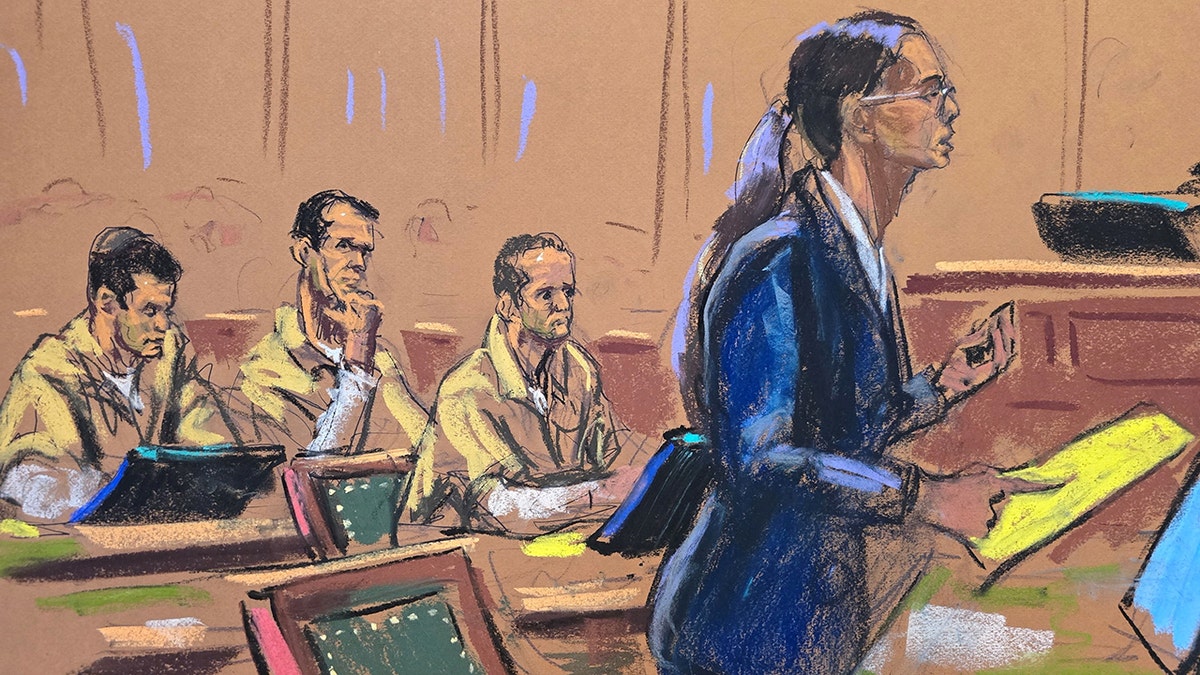
Despite the overwhelming volume of evidence and the unanimous guilty verdicts returned by the federal jury in March, the brothers maintained their innocence when given the opportunity to address the court prior to sentencing.
Oren Alexander acknowledged the profound pain expressed by the women who testified but firmly rejected the validity of the convictions. "I am not here to discount what they have said," Oren told the court, expressing a measure of generalized regret for past interpersonal behavior. However, he insisted, "My brothers and I have never drugged or raped anyone. We never trafficked anyone for sex and we never conspired to hurt anyone."
Defense counsel maintained throughout the trial and sentencing phase that the encounters in question were entirely consensual, arguing vigorously that federal prosecutors had overreached and mischaracterized private social dynamics as criminal conspiracies. Judge Caproni and the jury, however, resoundingly rejected these defense arguments, finding the mountain of forensic evidence, witness testimony, and behavioral patterns to be conclusive.

Broader Implications and Legal Significance
The prosecution and subsequent sentencing of the Alexander brothers represent a watershed moment in federal sex-trafficking enforcement, particularly regarding crimes committed by affluent individuals operating within privileged social circles. Historically, sex-trafficking prosecutions have frequently focused on street-level operations, gang-related rings, or organized interstate syndicates. The Alexander case demonstrates an evolving federal willingness to dismantle high-society abuse networks where perpetrators use wealth, social capital, and elite institutional access to evade scrutiny for years.
Legal analysts note that the case underscores several critical trends in modern criminal justice:
- The Elimination of the "Untouchable" Status: The swift and total collapse of the brothers’ business empires and their subsequent decades-long imprisonment signal that extreme wealth and high-profile status do not provide immunity from federal sex-trafficking statutes.
- The Crucial Role of Corroborating Testimony: The willingness of multiple victims—spanning over two decades—to step forward and withstand intense cross-examination was pivotal in establishing a demonstrable pattern of behavior, overcoming the statute-of-limitations challenges that frequently plague historical sex-crimes investigations.
- Intersectional Accountability: The inclusion of Alon Alexander, who operated outside the real estate sphere within security management, demonstrates that federal prosecutors will pursue all co-conspirators who facilitate, enable, or participate in human exploitation networks, regardless of their specific functional role.
As the U.S. Marshals take custody of Tal, Oren, and Alon Alexander to begin serving their 30-year sentences, the legal chapter closes on a family that once commanded the heights of luxury commerce. Yet, for the dozens of women whose lives were upended by the defendants’ actions, the resolution serves as a hard-fought validation of their resilience, transforming private trauma into public accountability and establishing a formidable legal precedent for future victims seeking justice against powerful predators.