
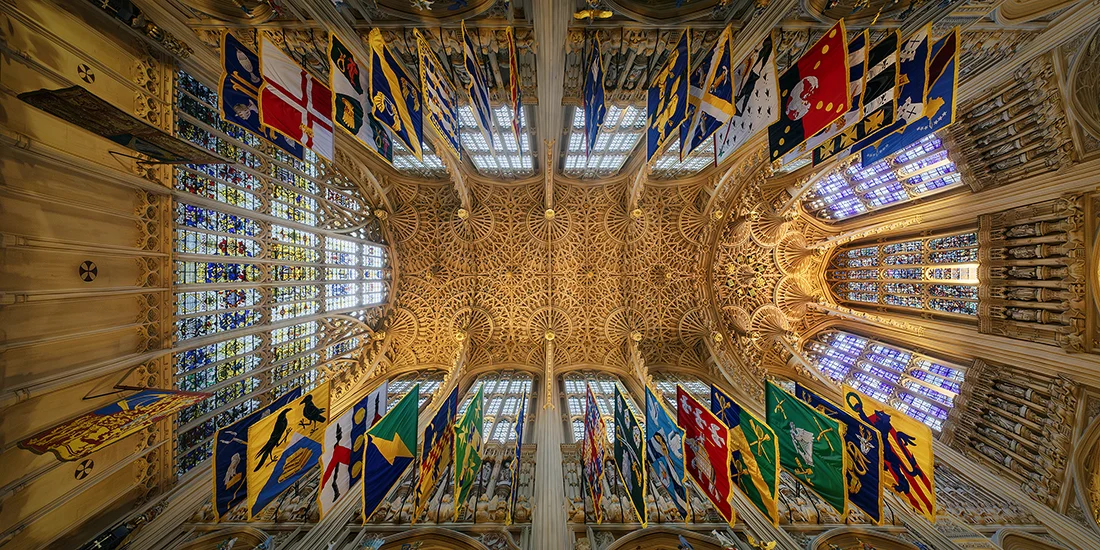
When limited to a standard 3:2 aspect ratio, the traditional camera frame often forces a photographer to make difficult choices, sacrificing the periphery to highlight a central subject. Panoramic photography, however, serves as the antidote to this restriction. By stitching together multiple exposures or employing specialized wide-angle hardware, photographers are able to capture the sweeping, immersive grandeur of a landscape, the intricate geometry of a cityscape, or the infinite scale of a night sky. This year, the 17th annual Epson International Pano Awards showcased the pinnacle of this art form, drawing 4,084 entries from 93 countries. The competition serves as a global barometer for the evolution of landscape and aerial photography, highlighting how digital technology has allowed artists to push the boundaries of what the human eye perceives.
The Pinnacle of Global Panoramic Artistry
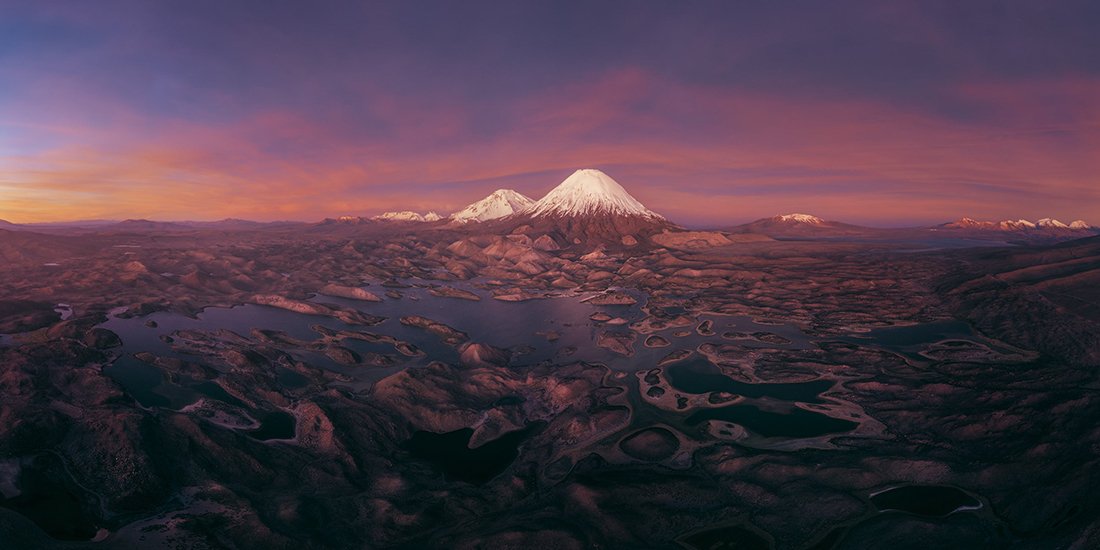
The top honors for the 2026 competition were awarded to Spanish photographer Daniel Viñé Garcia, who was named the Open Photographer of the Year. His winning portfolio, which featured his striking aerial capture titled "The Sleeping Giant," demonstrated a mastery of high-altitude landscape photography. The image depicts the Parinacota Volcano in Chile, a dormant giant rising over 6,300 meters above sea level.
The technical execution behind "The Sleeping Giant" reflects the rigorous demands of professional panoramic photography. Garcia explained that the image was the result of a deliberate, multi-day process involving precise acclimatization at 4,500 meters. The final composition was not a simple snapshot, but a composite of 33 individual exposures stitched into a 360-degree aerial panorama. By narrowing his frame to highlight the magenta hues of the sunset against the symmetrical, snow-capped peaks of Parinacota and its neighbor, Pomerape, Garcia successfully transformed a vast geographical expanse into a focused, emotive narrative.
Context and Chronology: The Evolution of the Pano Awards
The Epson International Pano Awards were established with the intent of recognizing the unique challenges and creative opportunities inherent in panoramic imaging. Since its inception, the competition has evolved from a niche event for landscape enthusiasts into a major fixture on the international photography circuit. The growth of the event mirrors the rapid advancement of consumer and professional camera technology.
In the early years of the competition, stitching software was rudimentary, and many photographers relied on specialized film cameras like the Hasselblad XPan. Today, high-resolution mirrorless sensors, coupled with sophisticated post-processing algorithms like those found in Adobe Lightroom or PTGui, allow photographers to generate images of unprecedented detail and dynamic range. The inclusion of categories such as "Built Environment" and "Aerial" reflects a broader shift in the field, where the definition of a "panorama" has moved beyond vast mountain ranges to include the complex, man-made architectures of modern urban life.
Analyzing the 2026 Winning Entries
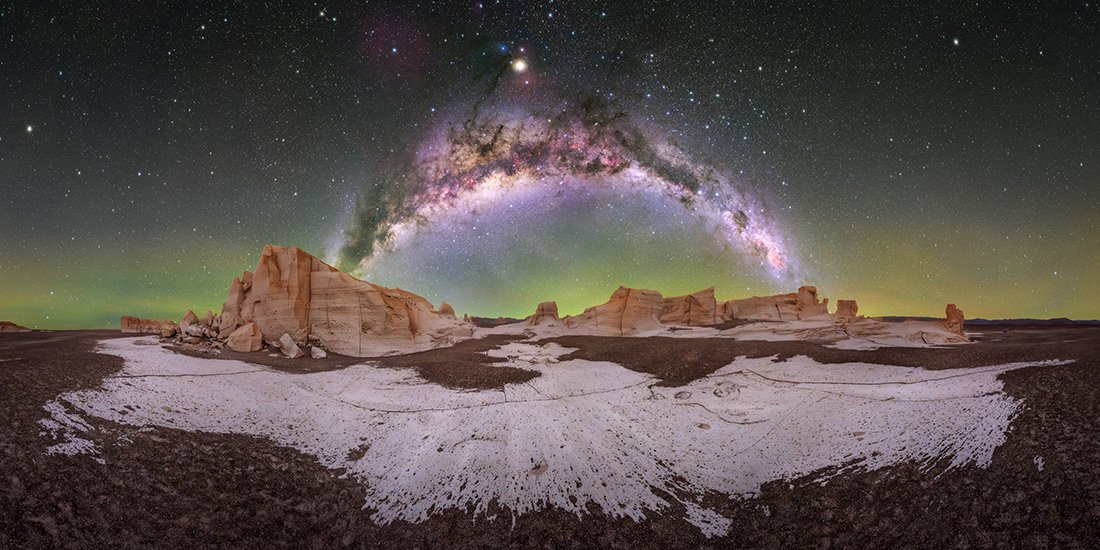
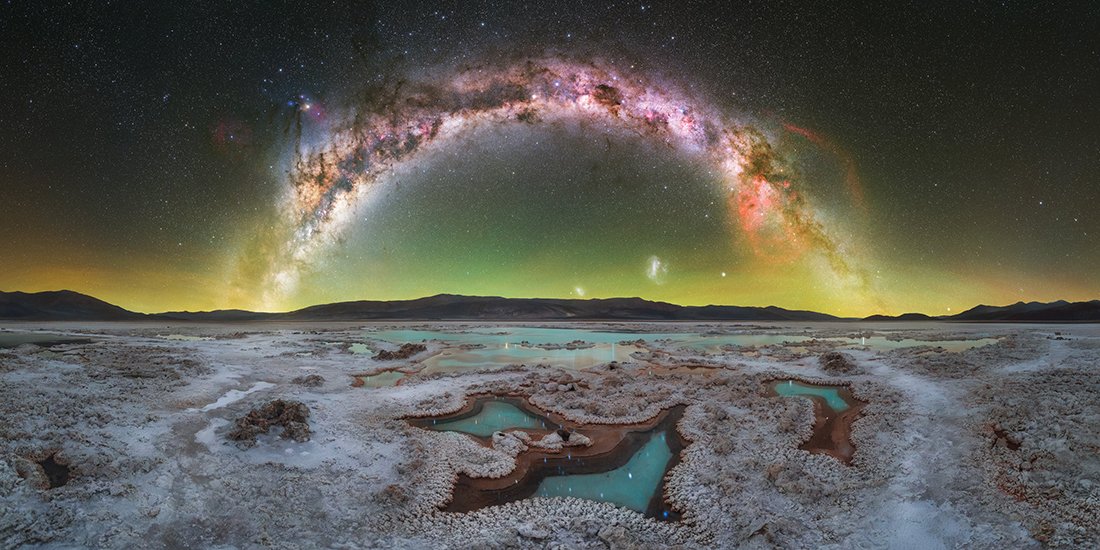
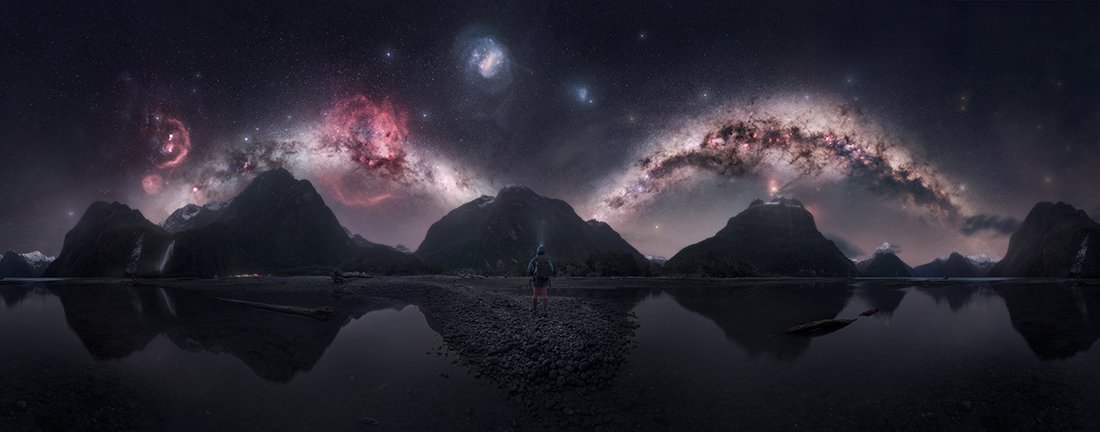
The 2026 winners represent a diverse cross-section of global geography and technical ingenuity. In the Open Nature/Landscape category, Mikel Iraeta captured the ethereal beauty of New Zealand’s Milford Sound in his piece "Double arch on Milford Sound." The image, which features the Milky Way stretching across the sky, highlights the increasing popularity of astrophotography within the panoramic format. The ability to capture the rotation of the galaxy requires not only technical skill but also a deep understanding of celestial mechanics and light pollution management.
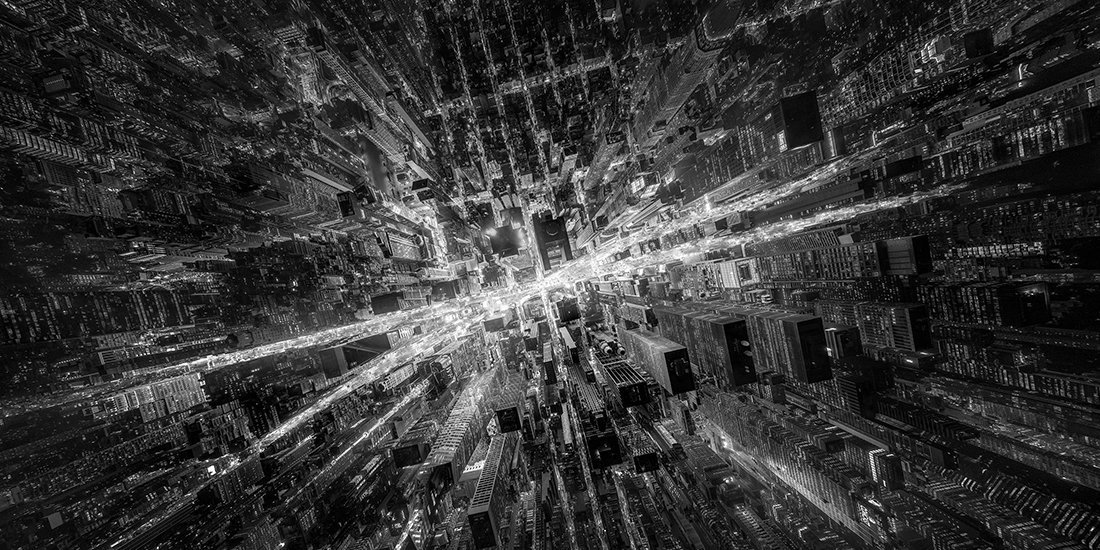
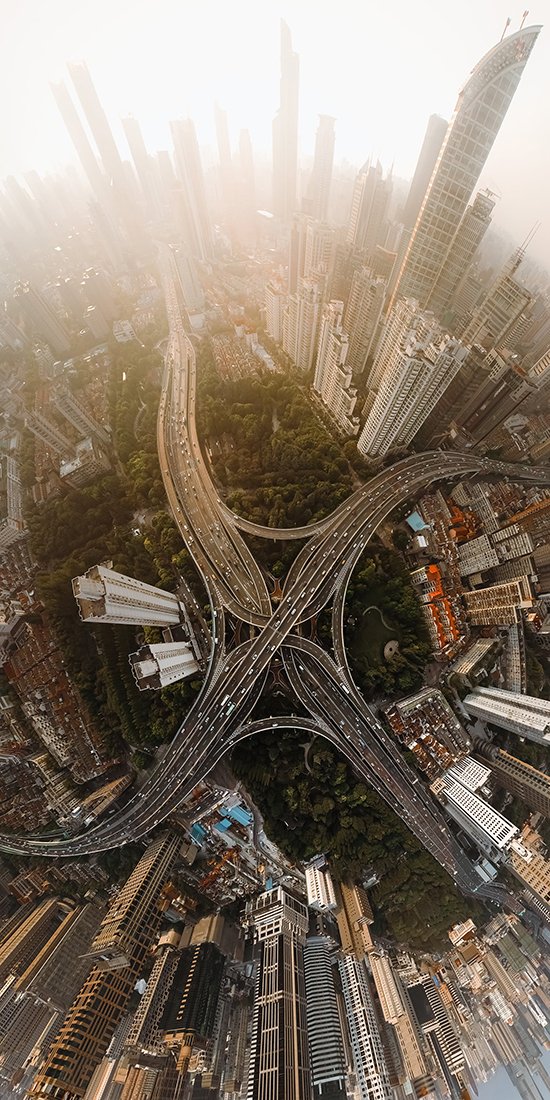
Similarly, in the Built Environment category, Xuecheng Liu’s "Center of the Cosmos" provided a stark contrast to the natural landscapes. By capturing a vertical, grid-like perspective of New York City, Liu emphasized the overwhelming scale of modern urban planning. This piece underscores a critical trend in contemporary photography: the use of distortion-correction and perspective-warping to present urban environments as abstract, geometric patterns rather than mere documentation.
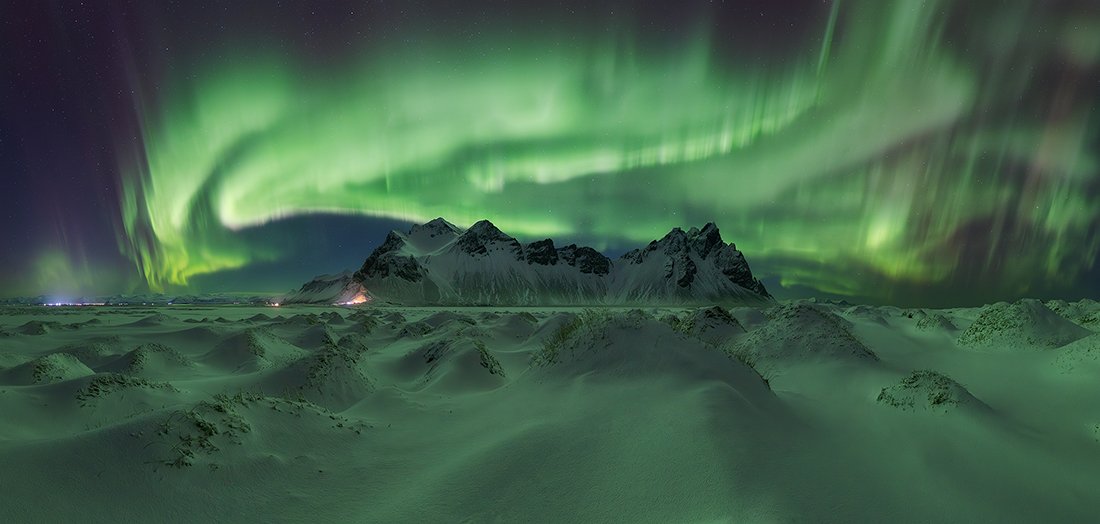
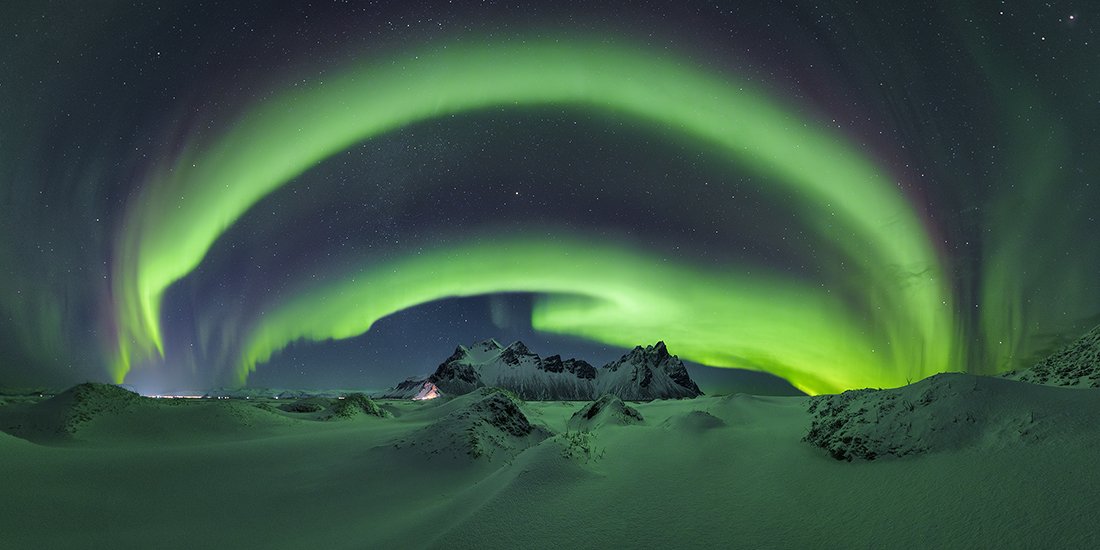
The Amateur categories were dominated by Tomás Sánchez Ruiz, who was named the Amateur Photographer of the Year. His work, including "Double Arch Over Stokksnes," showcases the ethereal, green-hued auroras of Iceland. The recurrence of Icelandic and Chilean landscapes in the winners’ circle suggests that these regions remain the premier "testing grounds" for landscape photographers due to their dramatic topography and minimal light pollution.
Data and Trends: What the Submissions Reveal
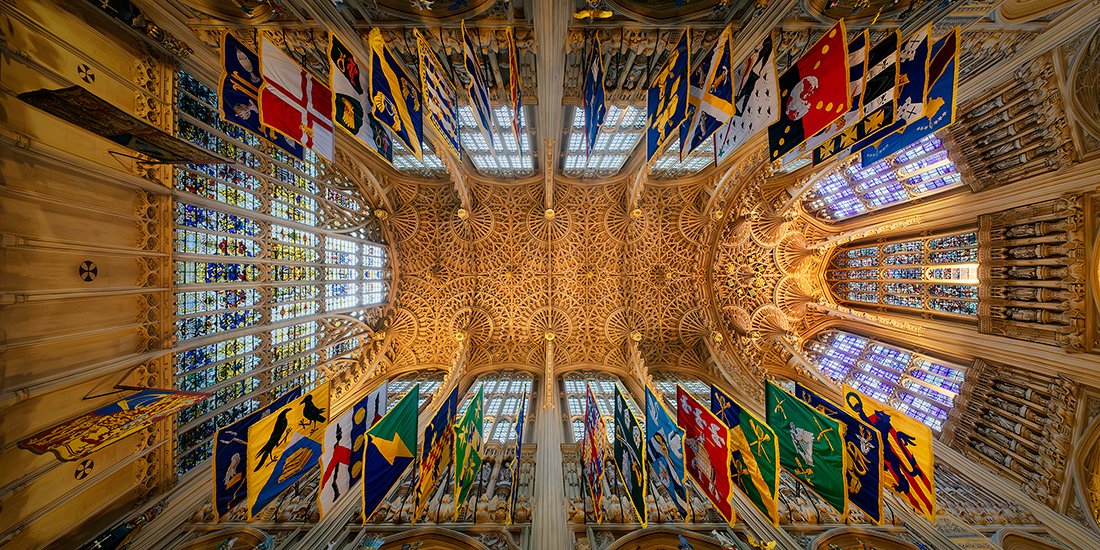
With 4,084 entries, the 2026 competition provides a wealth of data regarding the current state of photography. Analysis of the winning submissions reveals three distinct trends:
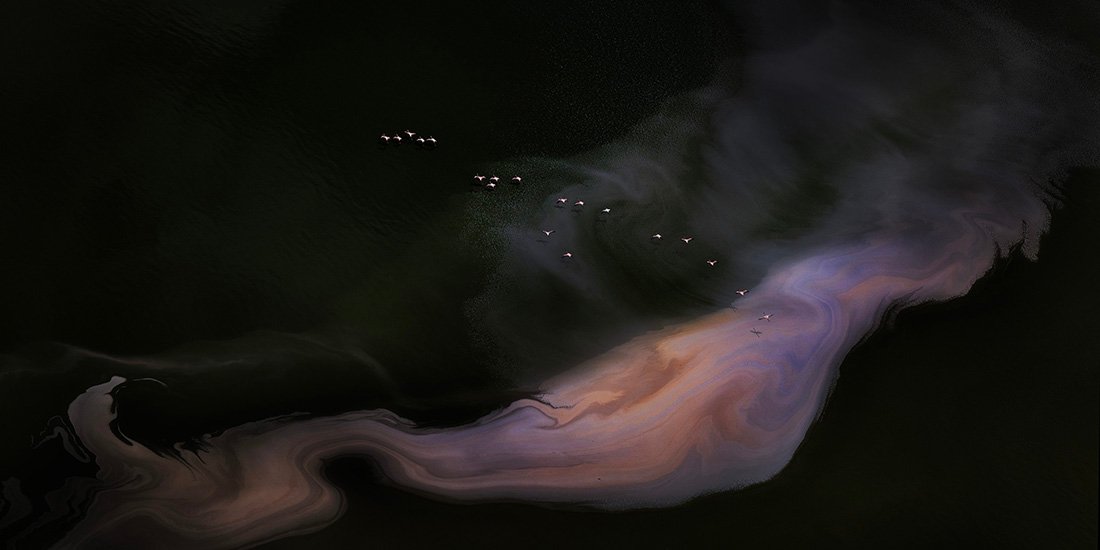
- The Shift Toward Composite Imaging: The majority of top-tier entries are no longer single-frame shots. They are complex composites, often involving focus stacking and long-exposure blending. This confirms that the modern panoramic photographer must be as proficient in computational post-production as they are in field technique.
- The Dominance of Drone Photography: The rise of high-quality aerial platforms has fundamentally changed how we view the "built environment." Categories that were previously dominated by ground-based tripods now feature a significant percentage of drone-captured data, providing a "bird’s eye" view that was previously inaccessible to all but the most well-funded productions.
- Global Accessibility: While the prize winners often travel to remote locations like the Andes or the Arctic, the Amateur categories saw a surge in submissions from emerging markets in Southeast Asia. This democratization of the medium, driven by more affordable high-resolution equipment, is leading to a more diverse range of subjects, moving the focus away from Western-centric landmarks toward the unique topographies of Indonesia, Malaysia, and Kenya.
Official Perspectives and Industry Implications
The competition is not merely a contest; it is a collaborative effort between the photographic community and industry leaders like Epson. Epson’s involvement, particularly in the realm of high-fidelity printing, emphasizes the enduring value of the physical print in a digital-first world. The Epson Digital Art Prize, awarded this year to Preeti and Prashant Chacko for "The Rugby Players," highlights the company’s commitment to rewarding creative, narrative-driven work that pushes the technical limits of digital color reproduction.

Industry analysts observe that these awards serve as a vital marketing and cultural vehicle for the imaging industry. By setting the gold standard for "the perfect shot," organizations like the Pano Awards encourage photographers to invest in high-end lenses, sensors, and workstations. Moreover, the focus on panoramic photography keeps the medium relevant in an era dominated by short-form vertical video (such as TikTok or Instagram Reels). By championing the horizontal, wide-view aesthetic, these awards reinforce the importance of patience, planning, and high-resolution fidelity—qualities that are often lost in the rapid-fire consumption of social media imagery.
Broader Impact: The Role of Photography in Conservation
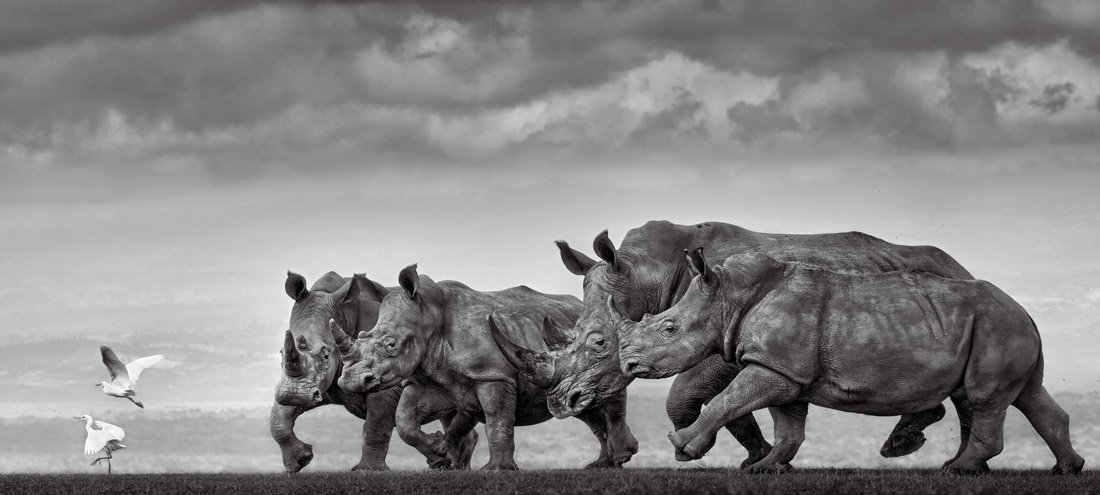
While the primary focus of the Epson International Pano Awards is artistic excellence, there is an inherent conservationist undertone to much of the work. Many of the winning images, particularly those from Antarctica, the Chilean Andes, and the Greenland ice fields, document environments that are undergoing rapid transformation due to climate change.

When a photographer spends three days and nights at 4,500 meters to capture a volcano, they are creating a historical record of a specific place at a specific moment in time. These high-resolution panoramas, which can be zoomed into to see granular details of glaciers or rock formations, serve as a scientific reference point for environmental researchers. As the climate continues to shift, these images will become increasingly valuable to historians and environmental scientists seeking to map the glacial retreat and landscape degradation of the 21st century.
Conclusion
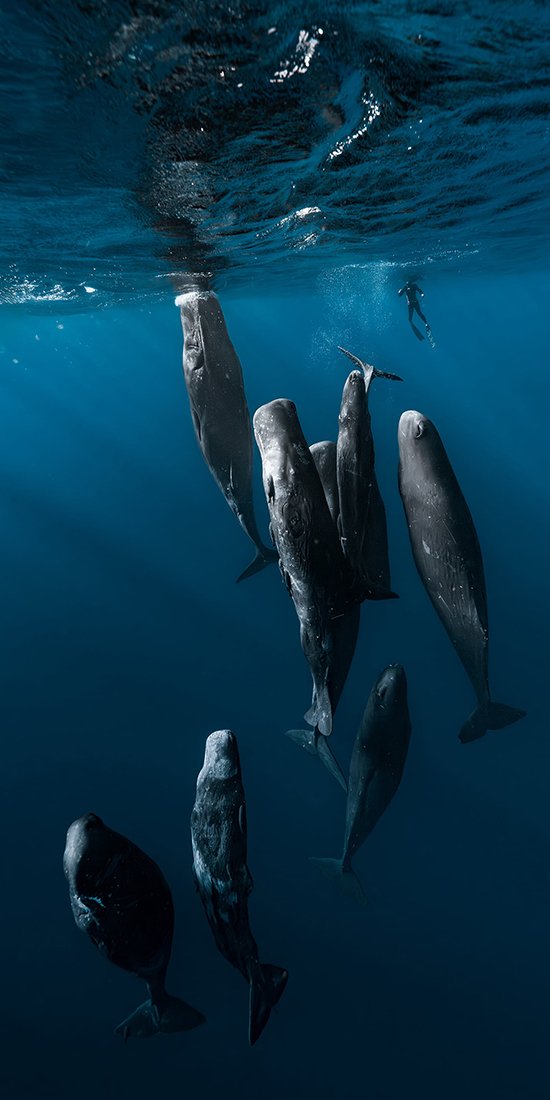
The 2026 Epson International Pano Awards have once again demonstrated that the panoramic format is far from a static tradition. It is a living, evolving medium that adapts to the latest advancements in drone technology, AI-assisted stitching, and global travel. Whether capturing the subtle magenta shift of a sunset over the Parinacota Volcano or the complex, glowing arteries of a nighttime city in Kuala Lumpur, the photographers recognized this year have succeeded in broadening the human perspective.
By forcing us to look beyond the narrow confines of a standard frame, these artists invite us to appreciate the true scale of our planet. As the competition looks toward its 18th year, the focus will undoubtedly shift toward even more complex imaging techniques, perhaps incorporating augmented reality or interactive 360-degree viewing experiences. For now, the winning collection stands as a testament to the fact that, regardless of the tools used, the desire to capture the world in its widest, most breathtaking form remains a fundamental human endeavor.

The full gallery of 2026 winning and runner-up photographs is available for public viewing on the official Epson International Pano Awards website, providing a comprehensive archive of the year’s most significant contributions to the art of wide-angle photography. As these images circulate through galleries, publications, and digital spaces, they continue to inspire a new generation of photographers to seek out the vast, the hidden, and the majestic corners of our world.
