
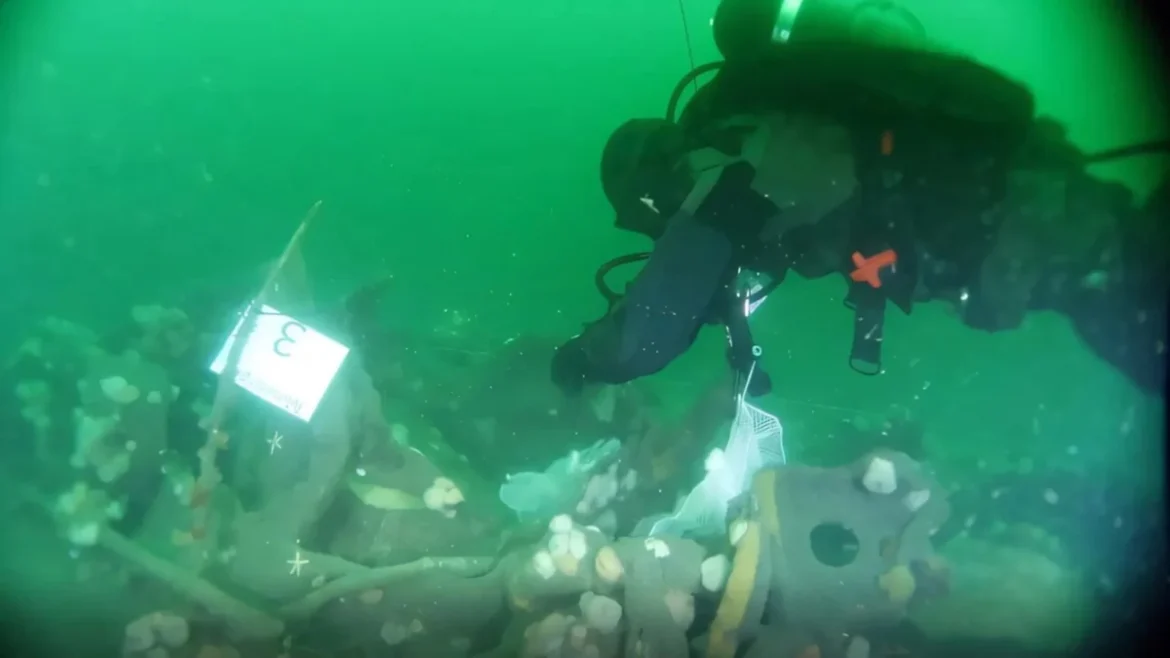
The North Sea, a vital artery for European commerce and a cornerstone of maritime ecology, is currently grappling with a legacy of conflict that extends far beyond the history books. Marine researchers and environmental scientists have identified that the structural decay of World War I-era shipwrecks is resulting in the systematic leaching of toxic chemicals, specifically trinitrotoluene (TNT), into the marine environment. The German submarine UC-30, which sank in 1917, has become the primary focal point for this investigation, serving as a grim indicator of a broader, systemic environmental crisis unfolding across the seafloor of the North Atlantic and the North Sea.
A Century of Submersion and Structural Decay
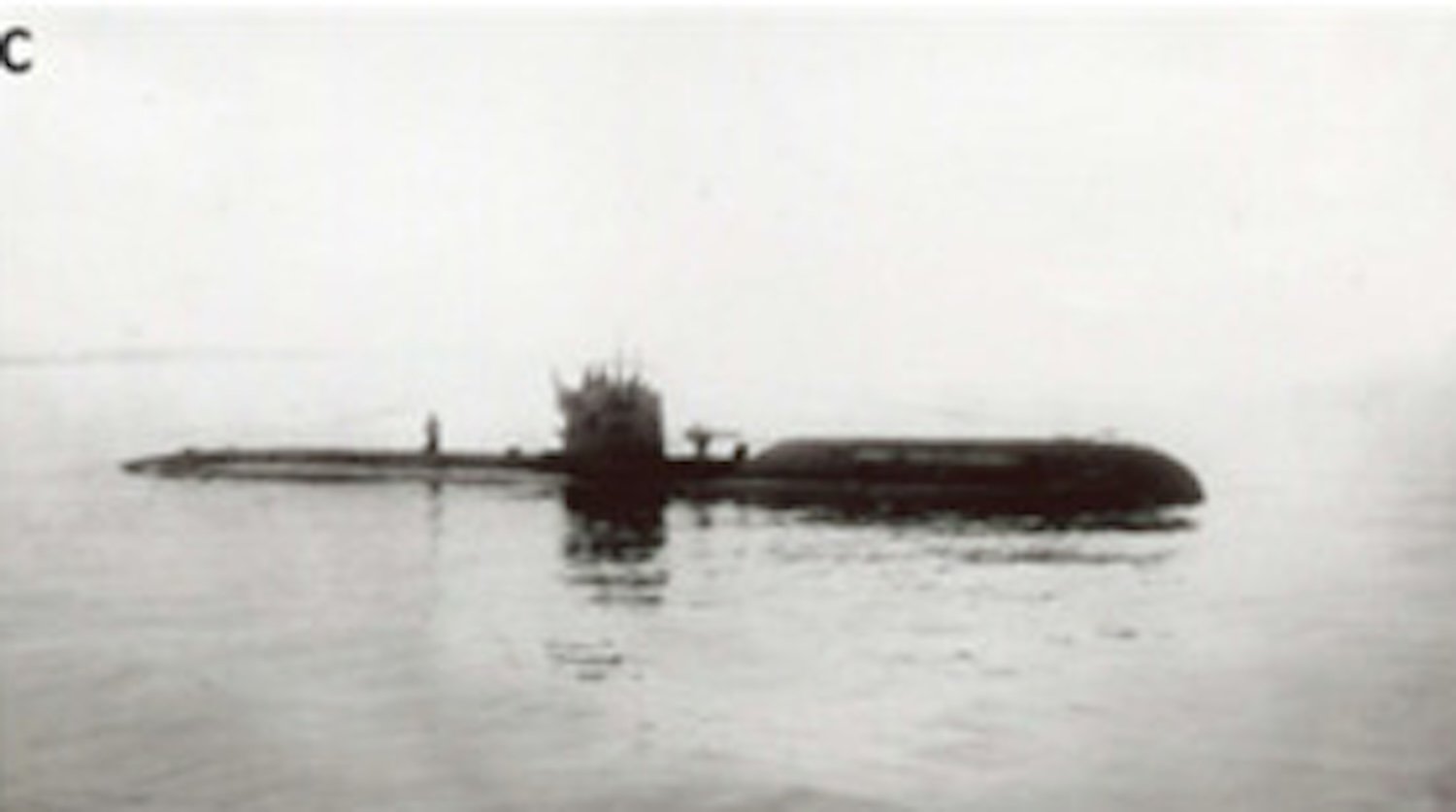
On April 19, 1917, the UC-30, a Type UC II minelaying submarine of the Imperial German Navy, met its end during a mission near the Danish island of Rømø. While attempting to navigate back to port following mechanical failures, the vessel struck a British mine. The explosion was catastrophic, claiming the lives of all 27 crew members and sending the vessel to the seabed, where it remained undisturbed for nearly a century. It was not until 2016 that the wreck was formally rediscovered, providing modern oceanographers with a rare opportunity to study the long-term impact of munitions on the seafloor.
The UC-30 carried a formidable arsenal for its time, including six torpedoes and 18 mines. For over a century, the steel hull of the vessel has acted as a containment structure. However, the harsh, corrosive nature of the saltwater environment, combined with constant tidal currents and biological growth, has severely compromised the integrity of the ship. As the hull plating thins and gaps widen, the internal ordnance—composed of explosive materials that have aged in a submerged, high-pressure environment—is now in direct contact with the surrounding seawater.
Evidence of Chemical Contamination
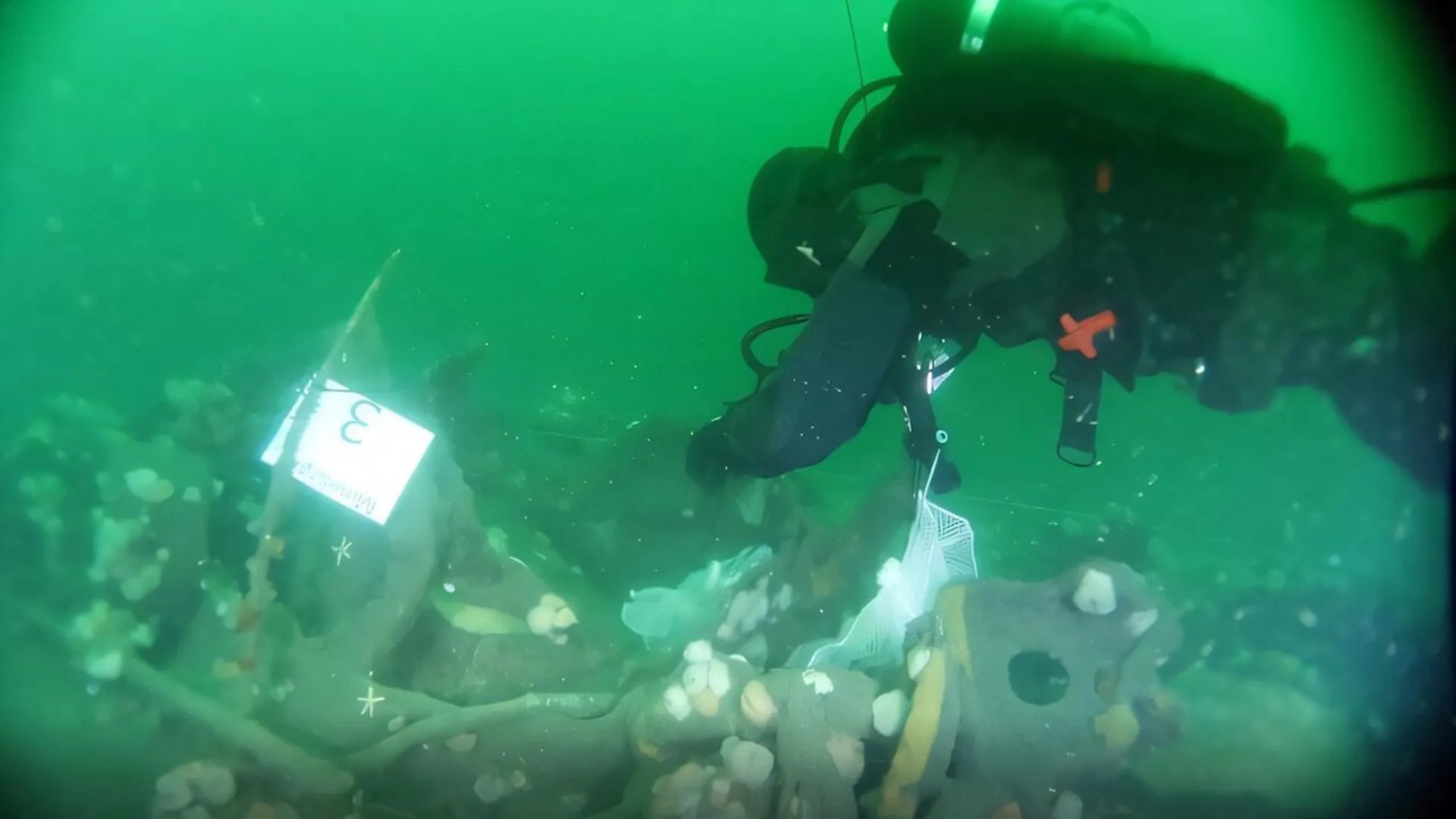
Recent collaborative efforts between the North Sea Wrecks research project and the Danish Navy have yielded concerning data regarding the migration of pollutants. By utilizing specialized divers and remotely operated vehicles (ROVs), the research team collected water samples, sediment cores, and biological specimens—including local mussel populations and starfish—from the immediate vicinity of the wreck.
Laboratory analysis confirmed that TNT and its breakdown products, such as dinitrotoluene, are actively seeping from the vessel’s armaments. Unlike a localized contamination event, the research indicates that these toxins have permeated the surrounding ecosystem. The presence of these chemicals in the water column and their bioaccumulation in sedentary organisms like mussels suggest that the wreck acts as a point-source pollutant. Katrine Juul Andresen, a geoscientist at Aarhus University and a lead researcher on the project, noted that while the concentrations currently remain relatively localized, the trajectory of the wreck’s decay suggests this situation will inevitably worsen if left unaddressed.
The Scale of the Crisis: Over 10,000 Wrecks
The UC-30 is not an anomaly; it is a single data point in a much larger, more complex puzzle. According to a 2024 report co-authored by Andresen for the Danish Environmental Protection Agency, there are approximately 10,127 shipwrecks currently resting in Danish territorial waters alone. Of these thousands of sites, it is estimated that roughly 15 percent date back to the two World Wars, representing a significant inventory of unexploded ordnance (UXO) and hazardous materials.
If the UC-30 is leaking at its current rate, the cumulative effect of hundreds, or even thousands, of similar vessels disintegrating simultaneously presents a significant challenge to maritime environmental management. These wrecks are effectively "ticking time bombs" that could release concentrated doses of heavy metals, bunker fuel, and volatile explosives into the North Sea, potentially disrupting food chains and damaging sensitive benthic habitats.
The Complexity of Remediation
Addressing the presence of these wrecks is fraught with technical and safety-related difficulties. There is no simple "salvage" operation for a vessel loaded with century-old, unstable explosives. Traditional methods of disposal—such as underwater detonation—are increasingly viewed as counterproductive. While detonation eliminates the immediate threat of a sudden explosion, it disperses the toxic contents of the munitions across a wide area of the seafloor, effectively accelerating the contamination process.
"We are trying to identify the most gentle solutions to the problem, as there is unfortunately no easy way to clean it up," Andresen explained. The current strategy, developed in consultation with European Union officials, focuses on risk mitigation rather than immediate removal. The goal is to establish a hierarchy of danger, identifying which wrecks pose the highest risk of catastrophic failure or major leakage.
Technological Solutions and Future Outlook
The reliance on manual diving is increasingly being replaced by advanced robotics. The use of autonomous underwater vehicles (AUVs) and sophisticated ROVs allows researchers to map the structural integrity of wrecks with millimeter-level precision without putting human lives at risk. Future remediation efforts may involve these robotic systems carefully extracting explosive materials from the hulls and neutralizing them in controlled, offshore facilities, though such technology remains in the development phase.
The broader implications of this research extend to the maritime industry and environmental policy. As offshore wind farms and undersea infrastructure expand across the North Sea, the risk of disturbing these historical "hot zones" increases. Policy makers are now under pressure to integrate wreck-surveying into the planning stages of all marine development projects.
Environmental Implications and Global Context
The leakage of TNT is not merely a matter of chemical pollution; it is a matter of ecological health. TNT is known to be toxic to many marine species and can act as a mutagen, potentially impacting the reproductive success of fish and shellfish populations. As these toxins enter the food chain, they may reach higher-level predators, including the marine mammals that inhabit the North Sea.
Furthermore, the "North Sea Wrecks" project has highlighted a significant gap in historical and environmental records. Many of these vessels were lost in the fog of war, and their exact manifests—and thus the specific types of explosives they carry—remain unknown. This lack of data makes it difficult to prioritize sites for cleanup.
As the research continues, the scientific community is calling for a more robust, international approach to the problem. Given that the North Sea is shared by multiple nations, the responsibility for identifying, monitoring, and potentially mitigating the risks associated with these wrecks cannot fall on a single country. The collaborative model between the Danish Navy and researchers at Aarhus University serves as a prototype for how other nations might begin to manage their own underwater heritage—and the environmental liabilities that come with it.
Ultimately, the decay of the UC-30 and its contemporaries serves as a stark reminder that the consequences of 20th-century warfare have not remained confined to the battlefields of the past. They have been submerged, obscured, and forgotten, only to resurface in the 21st century as a modern environmental crisis. As the steel hulls continue to surrender to the sea, the urgency to find "gentle" and effective technological solutions will only grow, underscoring the need for continued investment in marine technology and environmental stewardship. The race is now on to mitigate the damage before the legacy of the World Wars leaves a more permanent, toxic scar on the seabed of the North Sea.
