
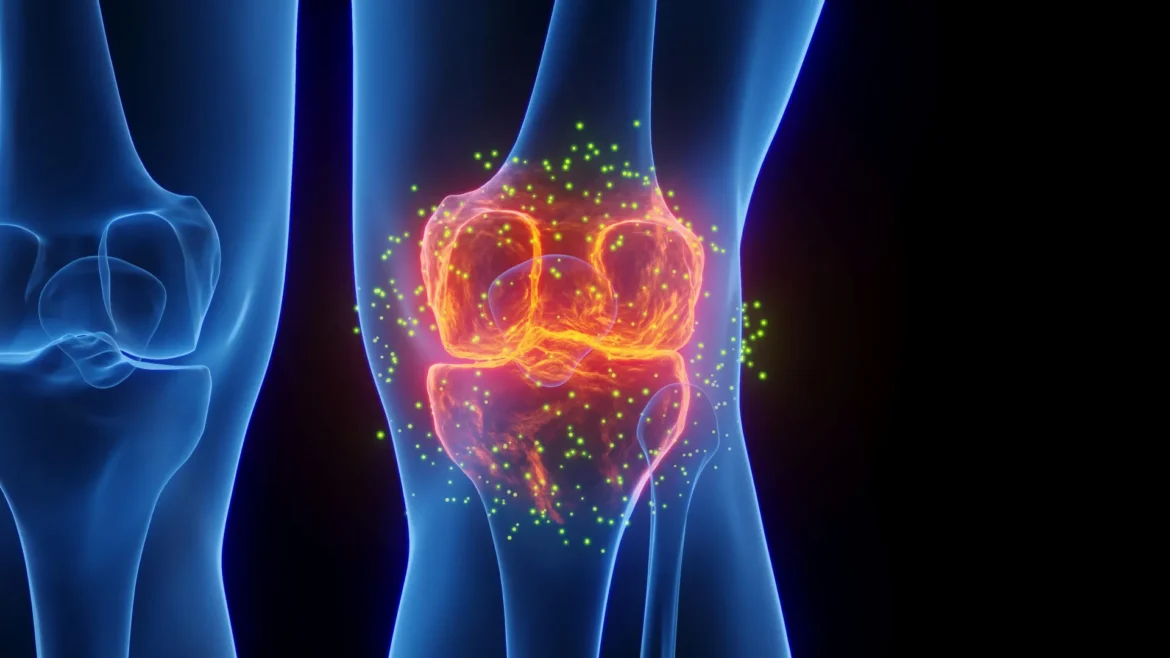
For millions of individuals suffering from the relentless progression of osteoarthritis, the medical landscape has long presented a frustrating dilemma. On one side of the spectrum lie conservative, non-invasive therapies—ranging from over-the-counter pain relievers and physical therapy regimens to intra-articular steroid injections—which often provide diminishing returns as the disease advances. On the far end sits major orthopedic surgery, most notably total knee replacement, an invasive inpatient procedure accompanied by extensive recovery periods, considerable financial costs, and inherent surgical risks. For patients caught in the vast middle ground—those whose pain is no longer managed by conservative measures, yet who are either unready, ineligible, or hesitant to undergo joint replacement—a viable therapeutic bridge has been historically absent.
Today, that therapeutic gap is increasingly being filled by an innovative, minimally invasive outpatient procedure known as genicular artery embolization (GAE). Championed by vascular interventional radiologists and orthopedic specialists alike, GAE is rewriting the treatment paradigm for knee osteoarthritis. By selectively targeting and reducing abnormal blood flow to inflamed tissues within the knee joint, the procedure offers a middle-tier solution capable of dramatically diminishing pain, restoring mobility, and postponing or even entirely averting the need for major reconstructive surgery.
The Patient Experience: A Paradigm Shift in Recovery
The clinical efficacy of GAE is perhaps best illustrated through the experiences of patients who have navigated the traditional treatment maze. Cynthia Schraf-Fletcher, a 74-year-old patient who underwent GAE on her right knee under the care of Dr. Leigh Casadaban, an assistant professor of radiology at the University of Colorado Anschutz School of Medicine, describes the outcome of the outpatient intervention as remarkably successful. Nearly a year following the procedure, Schraf-Fletcher reports that the functional result in her right knee closely mirrors the outcome of the total knee replacement she previously underwent on her contralateral left limb.
For Schraf-Fletcher, the decision to pursue GAE was heavily influenced by her desire to avoid the complications and prolonged rehabilitation associated with traditional open surgery, having encountered difficulties during her earlier knee replacement recovery. The daily dividends of the embolization procedure have been profound. Activities that were once sources of substantial physical discomfort—such as tending to a garden, riding a stationary bicycle, and engaging in routine daily movements—are now executed with vastly reduced pain levels. Her testimony reflects a growing sentiment among patient populations seeking alternatives to heavy pharmaceutical regimens and invasive operations.
Understanding the Mechanism: How GAE Works
To appreciate the therapeutic value of genicular artery embolization, one must examine the pathological processes underlying knee osteoarthritis. Osteoarthritis is fundamentally a degenerative joint disease characterized by the progressive breakdown of articular cartilage and surrounding structural components. As the joint deteriorates, chronic inflammation sets in, accompanied by localized angiogenesis—the abnormal proliferation of tiny, fragile blood vessels within the synovial lining and surrounding tissues. These hypervascular networks not only feed the inflammatory response but also contribute significantly to the swelling, stiffness, and persistent pain experienced by patients.
GAE directly disrupts this cycle of inflammation. Performed under conscious sedation—a state wherein the patient remains relaxed, comfortable, and responsive while avoiding the physiological tolls of general anesthesia—the procedure typically spans one to two hours. The intervention commences with the interventional radiologist making a microscopic puncture in the vascular access site, usually within the crease of the leg. Guided by advanced fluoroscopic X-ray imaging and radiopaque contrast dye to illuminate the vascular architecture, a microcatheter is carefully maneuvered from the femoral artery down into the genicular arteries that supply blood to the knee.
Once the target vessels—identified through a combination of imaging and patient-reported pain mapping—are isolated, the medical team releases microscopic embolic beads into the abnormal microvasculature. These biocompatible microspheres lodge within the hyperemic pathways, effectively throttling the localized blood supply to the inflamed regions without compromising the health of normal, surrounding tissues. Deprived of excessive blood flow, the inflammatory pathways begin to calm, resulting in marked reductions in intra-articular pressure, swelling, and pain. Because the procedure preserves the native joint architecture and requires no large surgical incisions, the postoperative recovery timeline is compressed from months to mere hours. Patients are typically monitored for a brief observation period before being discharged to recover in the comfort of their homes the same day, with instructions to maintain light activity restrictions for a short duration.
Clinical Efficacy and Patient Selection Criteria
Clinical data emerging from specialized centers across the United States and internationally paint a compelling picture of GAE’s success rate. According to Dr. Casadaban, clinical evaluations indicate that approximately 70 percent of appropriately selected patients achieve phenomenal therapeutic outcomes. Many individuals experience a reduction in their baseline pain scores by 50 percent or more, while a select cohort reports the complete eradication of knee pain following the intervention.
However, medical professionals emphasize that patient selection is a critical determinant of long-term success. The optimal candidates for GAE are typically individuals diagnosed with mild to moderate knee osteoarthritis who have exhausted conservative therapies without achieving sustained relief. While patients presenting with advanced, end-stage osteoarthritis—where cartilage has been entirely obliterated and bone-on-bone friction is dominant—may also undergo the procedure, clinical observations suggest that the longevity of pain relief may be attenuated compared to those with earlier-stage disease. For individuals trapped in the transitional phase of joint degradation, GAE offers a window of relief that allows them to reclaim their active lifestyles.
A Global Timeline and Regulatory Milestones
The genesis of genicular artery embolization traces back just over a decade, originating in Japan where pioneering interventional radiologists first conceptualized the idea of applying embolization techniques—long used to treat uterine fibroids, trauma-induced hemorrhages, and certain tumors—to the management of musculoskeletal inflammation. Over the subsequent ten years, the technique migrated from Asian medical centers to European and North American research institutions, gradually gaining traction within the broader interventional radiology community.
As clinical data matured, regulatory bodies took notice. In the United States, the Food and Drug Administration (FDA) recognized the potential of this therapeutic modality, granting "breakthrough device status" to a series of specialized microcatheters, embolic agents, and delivery systems utilized in GAE procedures beginning in 2021. This designation is strategically engineered to expedite the development, clinical evaluation, and regulatory review processes for medical technologies that demonstrate the potential to provide more effective treatment for life-altering or debilitating conditions. The FDA action catalyzed a surge in multi-center clinical trials, driving broader adoption and prompting academic medical centers to formalize training pathways for vascular interventionalists.
Long-Term Durability and Evolving Research
One of the most pressing questions surrounding any emerging medical procedure is the durability of its clinical effect. Early longitudinal studies tracking GAE recipients have yielded highly encouraging metrics regarding the longevity of symptom relief.
Pioneering four-year data published in Japan demonstrated that a single outpatient embolization session can provide durable pain relief spanning up to four years for responsive patients. Concurrently, accumulating two-year data derived from U.S. clinical cohorts corroborates these findings, showing that patients who exhibit an initial positive response to GAE frequently sustain their pain reduction and functional improvements for at least 24 months. These longitudinal findings reinforce the foundational hypothesis that GAE is not merely a transient pain-masking strategy, but rather a disease-modifying or inflammation-modulating intervention capable of altering the internal environment of the arthritic joint.
To substantiate these theories and refine clinical protocols, academic institutions are aggressively expanding their research portfolios. At the University of Colorado Anschutz School of Medicine, Dr. Casadaban is spearheading ongoing clinical trials designed to dissect the precise physiological and biochemical alterations occurring within the knee following embolization.
Among these active investigations is a clinical trial specifically monitoring fluctuations in synovial fluid composition and intra-articular biomarkers among patients undergoing GAE. By analyzing changes in inflammatory cytokines and joint fluid dynamics before and after the procedure, researchers hope to map out the exact molecular pathways through which vascular embolization mitigates joint degradation. Additionally, CU Anschutz is evaluating novel medical technologies, such as the Nexsphere-F temporary treatment device. This investigational tool is engineered to occupy targeted arterial pathways temporarily, blocking the microvasculature responsible for inflammation before eventually degrading or being cleared, thereby offering a nuanced approach to localized vascular occlusion.
Broader Implications for Musculoskeletal Medicine
While osteoarthritis of the knee remains the primary clinical proving ground for genicular artery embolization, the foundational principles governing the procedure are rapidly transcending a single joint application. Musculoskeletal interventional radiologists and orthopedic researchers are actively exploring how targeted embolization strategies can be adapted to treat chronic inflammatory and degenerative conditions across a diverse array of anatomical sites.
Preliminary investigations and early-stage clinical trials are currently examining the feasibility of employing similar embolization protocols for notoriously stubborn conditions such as chronic frozen shoulder (adhesive capsulitis), treatment-resistant tennis elbow (lateral epicondylitis), and recalcitrant plantar fasciitis. Each of these pathologies shares a common denominator with knee osteoarthritis: localized hypervascularity and chronic neurovascular inflammation that fail to resolve adequately with conventional conservative management.
Economic and Healthcare System Impact
Beyond the immediate clinical benefits experienced by individual patients, the widespread adoption of GAE carries profound implications for healthcare economics and resource allocation. Osteoarthritis represents a massive financial burden on global healthcare systems, driven by millions of primary care visits, serial pharmaceutical prescriptions, advanced imaging studies, and costly inpatient joint replacement surgeries accompanied by extended physical therapy and rehabilitation costs.
By positioning GAE as an effective intermediary outpatient procedure, healthcare providers can potentially defer major surgical interventions for aging or comorbid patient populations. Outpatient embolization procedures generally incur lower facility costs, require minimal recovery infrastructure, and reduce the societal economic burden associated with lengthy workplace absences and prolonged postoperative care. Furthermore, for elderly patients or individuals with significant cardiovascular or pulmonary comorbidities who face elevated surgical risks during general anesthesia and major orthopedic operations, GAE offers a significantly safer risk profile under conscious sedation.
Conclusion
As clinical trials continue to mature, regulatory frameworks adapt, and interventional techniques become increasingly refined, genicular artery embolization stands out as a transformative milestone in modern musculoskeletal care. For the millions of patients navigating the uncomfortable chasm between failed conservative therapies and the daunting prospect of major joint replacement, GAE provides a scientifically grounded, minimally invasive alternative capable of restoring mobility, slashing pain scores, and dramatically improving quality of life. Through the dedication of researchers at institutions like the University of Colorado Anschutz Medical Campus and the pioneering efforts of interventional radiologists worldwide, the future of chronic pain management is shifting toward precision, preservation, and outpatient accessibility.
