
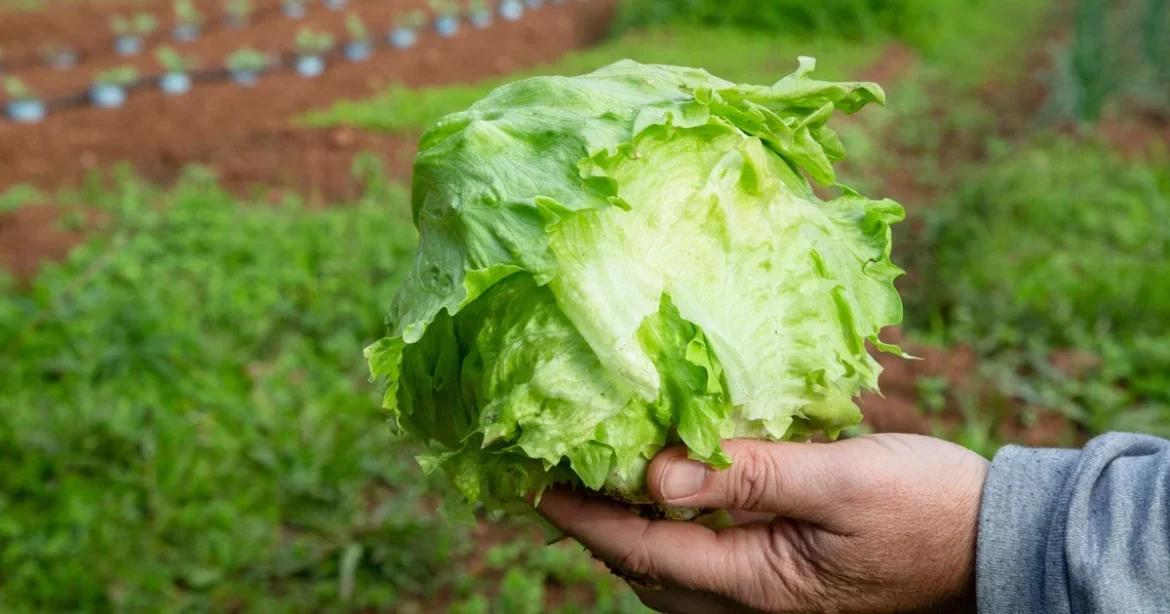
The nation’s food safety landscape has been significantly impacted by a widespread cyclosporiasis outbreak, prompting Taylor Farms to voluntarily remove iceberg lettuce sourced from central Mexico. This decisive action, announced on Friday, July 18, 2026, comes as federal health agencies pinpointed the company’s Mexican operations as a potential source for one of the largest outbreaks of the parasitic illness in recent U.S. history. The Food and Drug Administration (FDA) confirmed that its traceback investigation identified Taylor Farms de Mexico as a single supplier linked to the multi-state cluster of illnesses, specifically advising consumers to avoid shredded iceberg lettuce from Mexico served at Taco Bell restaurants across five Midwestern states. The outbreak, which began surfacing in May, has now sickened at least 1,644 individuals across 34 states, with some state health departments reporting significantly higher case counts, underscoring the severity and broad reach of the public health crisis.
The Outbreak Unfolds: A Chronology of Events
The first insidious signs of the cyclosporiasis outbreak emerged in May 2026, with scattered reports of gastrointestinal illness filtering into public health systems across various states. Agencies such as the Centers for Disease Control and Prevention (CDC) and numerous state health departments immediately initiated investigations, seeking to identify a common thread among the burgeoning number of cases. Cyclosporiasis, an intestinal infection caused by the microscopic parasite Cyclospora cayetanensis, typically manifests with severe, often explosive, watery diarrhea, accompanied by abdominal cramps, nausea, and profound fatigue. Symptoms can appear anywhere from a week to several weeks after exposure, complicating early detection and traceback efforts. The initial stages of the investigation were particularly challenging due to the wide geographic dispersion of cases and the potential for multiple, seemingly unrelated exposure points, making precise identification of the contamination source a complex and time-consuming endeavor.
As the number of reported cases steadily climbed through June and into the first half of July, the urgency of the federal investigation intensified. Epidemiological data, painstakingly collected from interviews with affected individuals, began to suggest a common foodborne link, yet pinpointing a specific contaminated food item remained elusive for weeks. A critical breakthrough occurred on Thursday, July 17, more than a month after the initial cluster of cases was reported. The CDC made a significant announcement, publicly identifying lettuce supplied to select Taco Bell restaurants as a definitive source of the multistate outbreak. While the CDC refrained from naming the specific supplier at that time, a source intimately familiar with the ongoing investigation confirmed to CBS News later that day that the implicated supplier was Salinas, California-based Taylor Farms. The contaminated iceberg lettuce was reportedly distributed to Taco Bell locations across a five-state region in the Midwest: Indiana, Kentucky, Michigan, Ohio, and West Virginia.
Friday, July 18, 2026, marked a pivotal day in the escalating crisis. Taylor Farms, responding to the mounting evidence and regulatory scrutiny, released a public statement confirming its decision to "voluntarily remove" iceberg lettuce sourced from central Mexico. The company explicitly acknowledged the FDA’s traceback investigation, which, according to their statement, pointed to "a specific independent farm, which represents less than 1% of the U.S.’s iceberg lettuce supply," as the potential origin of the outbreak. Despite the seemingly limited scope of this identified farm, Taylor Farms announced a more sweeping, precautionary measure: "we have removed all iceberg lettuce from the region indefinitely." This broad action underscored the company’s commitment to mitigating further risk. Simultaneously, late on Friday, the FDA issued its own definitive statement, explicitly naming Taylor Farms de Mexico as the single supplier identified in its traceback investigation. The FDA’s advisory urged consumers in the five affected states to avoid consuming shredded iceberg lettuce from Mexico at Taco Bell. The agency further noted that Taylor Farms would be initiating a formal recall, with additional details to be disseminated as they became available.
The repercussions of the outbreak and the subsequent supplier identification extended rapidly beyond the immediate restaurant chain. On Saturday, July 19, the retail giant Walmart announced its own comprehensive precautionary measure. The company began removing four Marketside bagged iceberg lettuce salad products from shelves across more than two dozen states. This action, described by Walmart as being taken "out of an abundance of caution," served to highlight the intricate interconnectedness of the modern food supply chain and the heightened state of vigilance now adopted by major retailers. Walmart clarified that "there is no indication that products sold in our stores are affected by the current Cyclospora investigations," but the proactive removal was a direct response to receiving notice from their supplier, Taylor Farms.
The Culprit Identified: Taylor Farms’ Response and Supply Chain Dynamics
Taylor Farms, a preeminent entity in the fresh produce industry, suddenly found itself at the epicenter of a major food safety investigation. The company’s immediate response was characterized by full cooperation with federal regulatory agencies and the rapid implementation of corrective actions. In its public statement, Taylor Farms meticulously clarified that its wide array of branded salads and kits, which do not incorporate iceberg lettuce, were not implicated in or associated with this specific outbreak. This strategic clarification aimed to ring-fence the issue and minimize broader brand damage. The company conveyed profound empathy for those afflicted: "As a family-owned company, we are deeply concerned for those who became ill, their families, and the Americans whose trust in the safety of fresh produce has been shaken." Such a statement underscores the substantial reputational, operational, and financial challenges that inevitably arise when a company is linked to a widespread foodborne illness event.
The identification of a "specific independent farm" located in central Mexico as the potential origin point for the contamination inevitably raises critical questions regarding agricultural practices, regulatory oversight, and quality control within the sprawling international produce supply chain. The United States maintains a significant reliance on imported fresh produce, particularly during off-peak domestic growing seasons, to satisfy consistent consumer demand. Mexico stands as a primary source for a diverse range of fresh fruits and vegetables, including the ubiquitous leafy greens. While rigorous standards are theoretically in place to ensure the safety of these imports, recurrent outbreaks of pathogens like Cyclospora cayetanensis serve as stark reminders of the persistent vulnerabilities inherent in such complex systems. The Cyclospora parasite is typically transmitted through contaminated water or produce. Contamination can occur at various junctures throughout the cultivation and harvesting process, ranging from irrigation using tainted water sources to suboptimal hygiene practices employed by farmworkers or during subsequent processing stages. Taylor Farms’ decision to indefinitely remove all iceberg lettuce originating from the affected region signals a comprehensive, albeit economically burdensome, strategy to mitigate further risk, restore consumer confidence, and reinforce the integrity of its supply chain.
Taco Bell’s Swift Action and Market Repercussions
Taco Bell, a widely recognized and frequented fast-food chain, demonstrated a decisive and rapid response once the critical link to its lettuce supply was definitively established. On Friday, July 17, the company issued a statement confirming that it "has completed removal of affected Taylor Farms lettuce from our restaurants." The official communication from Taco Bell Corp. further elaborated on their proactive stance: "Based on ongoing conversations with public health officials, and out of an abundance of caution, Taco Bell worked swiftly to voluntarily remove the product from restaurants and the affected ingredient has been removed from our supply chain nationwide." This rapid, voluntary action, undertaken even before the FDA’s formal recall details were fully articulated, was clearly aimed at safeguarding consumer health and preserving public trust. "We took this action to ensure our guests can enjoy their Taco Bell favorites safely," the company affirmed, additionally emphasizing its belief that "public health is a shared responsibility among restaurants, their suppliers, and authorities."
Despite these commendable rapid efforts, the widespread outbreak has already begun to exact a discernible economic toll on Taco Bell’s operations. Data meticulously compiled by Consumer Edge, a firm specializing in analyzing spending patterns derived from credit and debit transactions, revealed a noticeable deceleration in the chain’s sales growth. In the week concluding July 11, year-over-year sales growth at Taco Bell registered a modest 4.2%, representing the slowest rate observed since April. Michael Gunther, a senior vice president of research and market intelligence at Consumer Edge, directly attributed this deceleration to mounting public concerns surrounding the outbreak, observing that while growth remained positive, "that growth has slowed very recently."
Beyond mere sales figures, the incident also appears to be influencing consumer behavior regarding foot traffic. Analytical insights derived from software company Placer.ai indicated a modest but noticeable decline in visitation to Taco Bell and, more broadly, to other quick-service restaurant (QSR) chains whose menus prominently feature lettuce-heavy items. The analytical team for Placer.ai commented, "While we only have a few days of data to work with, cyclospora headlines and product removals at some QSR chains appear to be weighing modestly on visitation." These early economic indicators strongly suggest that consumer confidence, once eroded by food safety concerns, can trigger immediate and tangible negative consequences for businesses, underscoring the paramount importance of swift, transparent, and proactive communication during public health crises.
Broader Retailer Precautions: Walmart’s Move
The inherent interconnectedness of the modern food supply chain dictates that a significant issue affecting one segment can rapidly precipitate defensive actions across others. Walmart, undeniably one of the world’s largest and most influential retailers, exemplified this principle on Saturday, July 19, when it publicly announced the removal of four distinct Marketside branded bagged iceberg lettuce salad products from its shelves in over two dozen states. These specific products, sourced from Taylor Farms, were pulled as an unequivocally precautionary measure, even though Walmart explicitly stated, "Although there is no indication that products sold in our stores are affected by the current Cyclospora investigations, we have removed four bagged iceberg lettuce salad products from select locations as a precaution after receiving notice from our supplier." The retailer further issued a strong advisory to customers who had purchased these particular products, urging them to either safely discard them or return them for a full refund, thereby reinforcing the "abundance of caution" that guided their decision-making process.
This proactive and widespread action by Walmart serves to highlight a critical facet of contemporary food safety protocols: the voluntary, anticipatory steps taken by major retailers to meticulously safeguard both consumer health and their invaluable brand reputation, even in the complete absence of direct, confirmed evidence of contamination within their specific product lines. Such measures, while undeniably entailing potentially significant costs associated with product withdrawals, logistical challenges, and foregone sales, are universally considered essential to uphold public trust and effectively prevent any further potential dissemination of illness. It also starkly reflects the expansive market reach of colossal suppliers like Taylor Farms, whose products permeate numerous distribution channels, thereby necessitating a broad and coordinated response when any significant food safety concern is identified.
Understanding Cyclosporiasis: Health Impacts and Prevention
Cyclosporiasis is an intestinal illness caused by Cyclospora cayetanensis, a microscopic, single-celled protozoan parasite. Unlike common bacterial or viral infections, Cyclospora possesses a unique lifecycle that requires a period of maturation outside of a host to become infectious. This characteristic means that direct person-to-person transmission is highly improbable; instead, individuals typically contract the infection by ingesting food or water that has been contaminated with the parasite. The clinical symptoms of cyclosporiasis are often severe and debilitating, encompassing profound, watery diarrhea (which can be frequent and sometimes explosive), significant loss of appetite, noticeable weight loss, intense abdominal cramps, bloating, increased intestinal gas, nausea, and persistent fatigue. Other less common symptoms may include vomiting, generalized body aches, headaches, and a low-grade fever. If left undiagnosed and untreated, the illness can persist for an extended duration, ranging from a few days to over a month, and is notorious for its potential to relapse. Effective treatment typically involves specific antibiotic therapies, with trimethoprim-sulfamethoxazole (TMP-SMX) being the primary medication of choice.
Outbreaks of cyclosporiasis represent a recurrent public health concern, particularly during the warmer months of late spring and summer. Historically, these outbreaks have been unequivocally linked to various types of fresh produce, including pre-packaged salads, cilantro, basil, raspberries, snow peas, and green onions. The Cyclospora parasite is notably resistant to many common chemical disinfectants, such as chlorine, which are often used in food processing. This inherent resistance makes thorough washing of produce, while still crucial for general hygiene, potentially insufficient to entirely remove the parasite if it is deeply embedded within the produce or present in high concentrations. This critical factor underscores the paramount importance of preventing contamination at the earliest possible stages of the food production cycle, through the implementation of rigorous safe agricultural practices and stringent processing standards. The CDC’s continuous epidemiological surveillance and methodical traceback efforts are indispensable tools for accurately identifying the ultimate source of contamination and for formulating and implementing effective control measures to prevent future outbreaks.
The Regulatory Landscape: FDA and CDC Investigations
The collaborative and synchronized efforts of the FDA and CDC are absolutely central to the effective management and containment of foodborne illness outbreaks within the United States. The CDC bears the primary responsibility for monitoring public health trends, identifying unusual clusters of illness, and working closely with state health departments to meticulously gather comprehensive epidemiological data. This crucial process involves conducting detailed interviews with sick individuals to ascertain common exposures, thereby progressively narrowing down the list of potential sources. The FDA, on the other hand, assumes the leading role in traceback investigations, diligently identifying the specific food products and their precise origins by meticulously scrutinizing supply chain records. Their respective roles are inherently complementary: the CDC identifies "what" made people sick, while the FDA determines "where" that contamination originated.
In the context of this current widespread outbreak, the FDA’s detailed traceback investigation, which definitively identified Taylor Farms de Mexico, vividly demonstrates the overall effectiveness of these established systems, notwithstanding the inherent delays often associated with such complex and intricate investigations. The traceback process typically necessitates the thorough review of extensive documentation, including shipping records, invoices, and detailed product codes, to meticulously track a suspect food item from the point of consumer consumption all the way back to its original farm of cultivation. The Department of Health and Human Services (HHS), through its spokesperson Emily Hilliard, issued a statement confirming that "The investigation remains active, and additional states, restaurants, retailers, or products may be identified as more information becomes available." This crucial statement serves as a vital reminder that initial findings are frequently merely components of a larger, evolving picture, and the full geographical and product scope of an outbreak may not be immediately apparent. The ongoing nature of the investigation also necessitates that consumers maintain a high degree of vigilance and diligently adhere to public health advisories as they are updated.
Economic Fallout and Consumer Confidence
Foodborne illness outbreaks, particularly those of significant scale, invariably carry substantial economic consequences that extend far beyond the immediate, calculable costs of medical treatment and investigative efforts. For Taylor Farms, the voluntary removal of all iceberg lettuce sourced from central Mexico represents considerable financial losses stemming from discarded product, severe disruptions to established supply chains, and the potential for long-term, enduring damage to its corporate brand reputation. The impending formal recall will undoubtedly further solidify and amplify these multifaceted impacts.
Taco Bell, despite its commendably swift and decisive response, has already experienced a measurable dip in sales growth and a decline in customer foot traffic, as unequivocally evidenced by the data provided by Consumer Edge and Placer.ai. Such declines, even if they prove to be temporary in nature, can significantly impact quarterly earnings reports and, crucially, diminish investor confidence. For quick-service restaurants, where the perceived freshness and rapid service are paramount selling points, any shadow of doubt cast upon food safety can prove to be particularly devastating. The broader restaurant industry, especially those segments heavily reliant on fresh produce, may also face increased scrutiny and skepticism from a now more wary consumer base.
Beyond these direct business impacts, there lies the pervasive and critical issue of consumer confidence. Recurring outbreaks, whether linked to leafy greens, berries, or other categories of fresh produce, possess the insidious capacity to erode public trust in the safety and integrity of fresh food products, potentially instigating significant shifts in purchasing habits. Consumers might, as a direct consequence, opt for cooked alternatives, embrace frozen vegetables, or prioritize locally sourced produce which they perceive to carry a lower risk profile. Rebuilding this fractured trust necessitates a sustained, concerted, and transparent effort from producers, distributors, retailers, and regulatory bodies alike, with an unwavering emphasis on transparency, the implementation of robust and verifiable safety protocols, and consistently clear, unambiguous communication.
Challenges in Food Safety and Supply Chain Integrity
The cyclospora outbreak directly linked to Taylor Farms’ iceberg lettuce starkly underscores several persistent and complex challenges inherent in maintaining comprehensive food safety within an increasingly globalized and intricately interwoven supply chain. The sheer volume of fresh produce that is traded across international borders, coupled with the diverse range of agricultural practices and the varying degrees of regulatory oversight prevalent in different countries, collectively contribute to creating inherent and significant vulnerabilities within the system.
One of the foremost challenges is the inherent difficulty in achieving rapid detection and subsequent traceback. The typical incubation period for cyclosporiasis, which can range from approximately one week to several weeks, means that by the time symptoms manifest and are formally reported, the contaminated product may have been entirely consumed, or it may have already progressed through multiple stages of the expansive supply chain. This inherent lag time significantly complicates efforts to quickly identify and remove the contaminated source. Furthermore, the extensive and often convoluted networks of growers, harvesters, packers, primary distributors, secondary distributors, and retailers make the process of tracing a single ingredient back to its precise origin an exceptionally monumental task, one that often hinges critically on meticulous record-keeping and the rapid, seamless sharing of information across a multitude of disparate entities.
Another profound challenge lies in the very nature of the Cyclospora parasite itself. It is a remarkably hardy protozoan that can survive for extended periods in environmental conditions and is notably resistant to conventional washing methods. This characteristic dictates that the primary focus must be shifted towards preventing contamination at the absolute source, through the implementation of rigorous safe water management practices for irrigation, the promotion of exemplary sanitation and hygiene protocols for farmworkers, and the establishment of stringent control measures throughout the entire harvesting and processing stages. Implementing and then consistently verifying these complex controls across international borders introduces yet another formidable layer of complexity to the challenge.
This incident also serves to highlight the imperative need for continuous and substantial investment in advanced food safety technologies and sophisticated surveillance systems. For example, the application of advanced genomic sequencing techniques can significantly accelerate the process of linking individual cases to a common source, thereby enhancing the speed and efficacy of traceback investigations. Concurrently, improved data analytics can considerably enhance the overall efficiency of traceback operations. Moreover, the establishment of robust regulatory frameworks and the fostering of strong international collaborations are absolutely crucial to ensure that all imported produce consistently meets the same stringent high safety standards as domestically grown foods.
Looking Ahead: The Future of Produce Safety
The widespread cyclosporiasis outbreak unequivocally linked to Taylor Farms’ iceberg lettuce serves as a potent and unequivocal reminder of the perpetual vigilance and unceasing commitment required to uphold and ensure food safety across the globe. As the comprehensive investigations continue to unfold, the paramount focus will be directed towards meticulously understanding the precise mechanisms through which the
