
The University of Wisconsin’s two-year branch campuses, once the bedrock of accessible higher education for rural and first-generation students, are rapidly disappearing, fundamentally altering the landscape of opportunity in the state. In May, the University of Wisconsin-Platteville Baraboo Sauk County, a fixture of the south-central Wisconsin educational landscape for nearly six decades, officially shuttered its doors. This closure was not an isolated incident but the latest casualty in a sweeping trend that has seen eight of the 13 two-year UW branch campuses permanently closed over the past three years. This systematic dissolution of local, affordable, and liberal-arts-focused institutions is creating "education deserts," leaving rural communities with few pathways to postsecondary advancement and raising urgent questions about the future of the "Wisconsin Idea"—the century-old, foundational philosophy that the state’s educational reach should extend to every corner of its borders.
A Timeline of Retrenchment
The demise of these institutions is the culmination of a decade-long period of austerity and administrative restructuring. The trajectory began in 2015, when then-Governor Scott Walker implemented a series of deep budget cuts to the University of Wisconsin System, accompanied by long-term tuition freezes. While these measures were politically popular among certain segments of the electorate, they effectively starved regional campuses of the funds necessary to maintain infrastructure and competitive faculty salaries.
In 2017, the UW Board of Regents moved to consolidate the two-year colleges by merging them into existing four-year universities. This restructuring, intended to improve administrative efficiency, instead placed the smaller, vulnerable branches in direct competition with their larger, better-funded parent institutions. As these regional branches struggled, the University of Wisconsin System reported a system-wide enrollment decline of more than 10 percent since 2010, with the two-year schools experiencing the most precipitous drops. At the Baraboo campus, enrollment fell from over 500 students in 2014 to a final class of just 100 in 2024.
The final phase of this decline arrived in 2023, when former UW System President Jay Rothman publicly advocated for a strategic shift away from liberal arts curricula, urging institutions to prioritize vocational and career-specific programs, particularly at campuses serving low-income demographics. This shift signaled the end of the traditional "transfer" model, which had allowed thousands of students to complete two years of general education at a lower cost before moving on to a four-year degree.
The Geography of Opportunity and the Rise of Education Deserts
Research into the sociology of higher education has long emphasized that proximity is a primary driver of enrollment. According to Dr. Nicholas Hillman, a leading scholar on the geography of opportunity and a professor at Indiana University, the vast majority of college students—particularly those from rural backgrounds—prefer to attend institutions within 20 miles of their homes. When that proximity is lost, the likelihood of enrollment drops significantly.
Hillman describes this trend as "higher education desertification." In Wisconsin, this is not merely a theoretical concern; it is a measurable trend. Data indicates that rural enrollment in the UW system has fallen at a rate faster than the state’s overall decline in college attendance. The removal of the branch campus serves as a physical barrier; for a student in a rural county, an extra 45-minute drive to a main campus can represent an insurmountable obstacle when balanced against the need to work, care for family members, or manage the costs of fuel and vehicle maintenance.
Case Studies in Displacement: Baraboo and Marinette
The human cost of these closures is visible in the stories of students like Alex Stevens, who grew up in the Upper Peninsula of Michigan. Faced with the responsibility of caring for a disabled mother, Stevens sought a path that was both geographically close and financially sustainable. UW-Marinette offered him that bridge. Through an affordable, intimate, and academically rigorous program, Stevens was able to thrive, later transferring to UW-Green Bay and eventually entering the teaching profession.

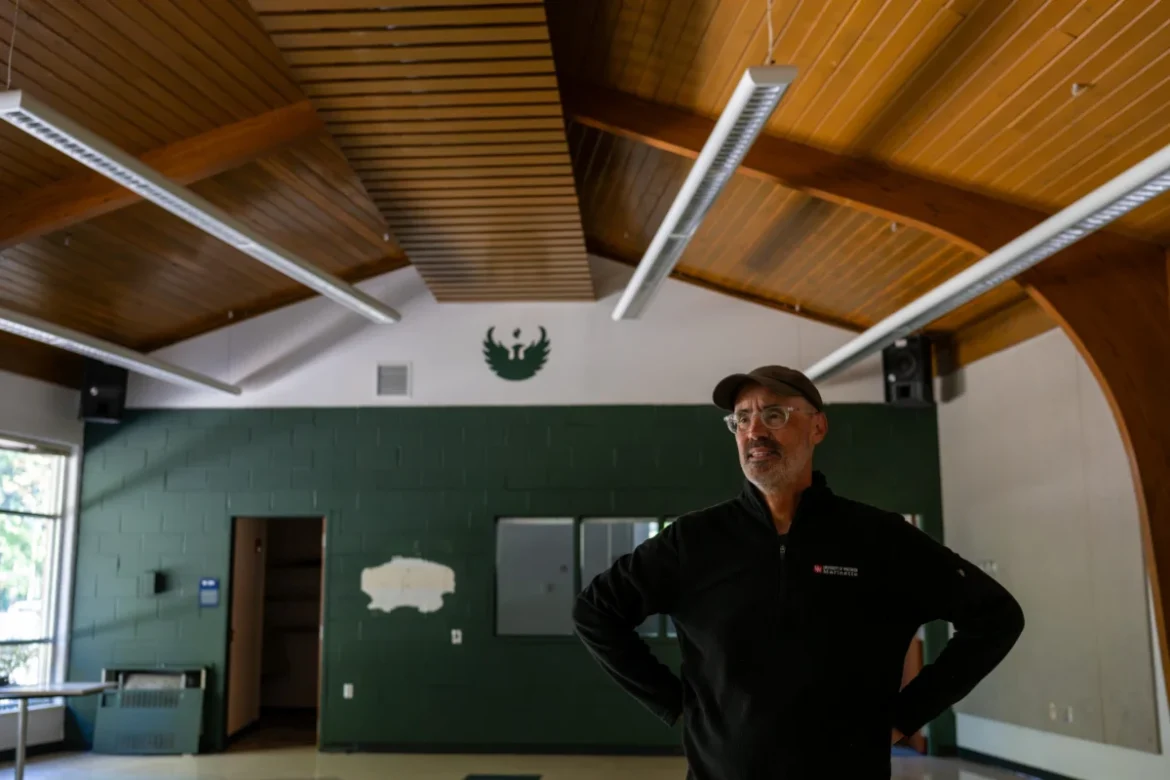
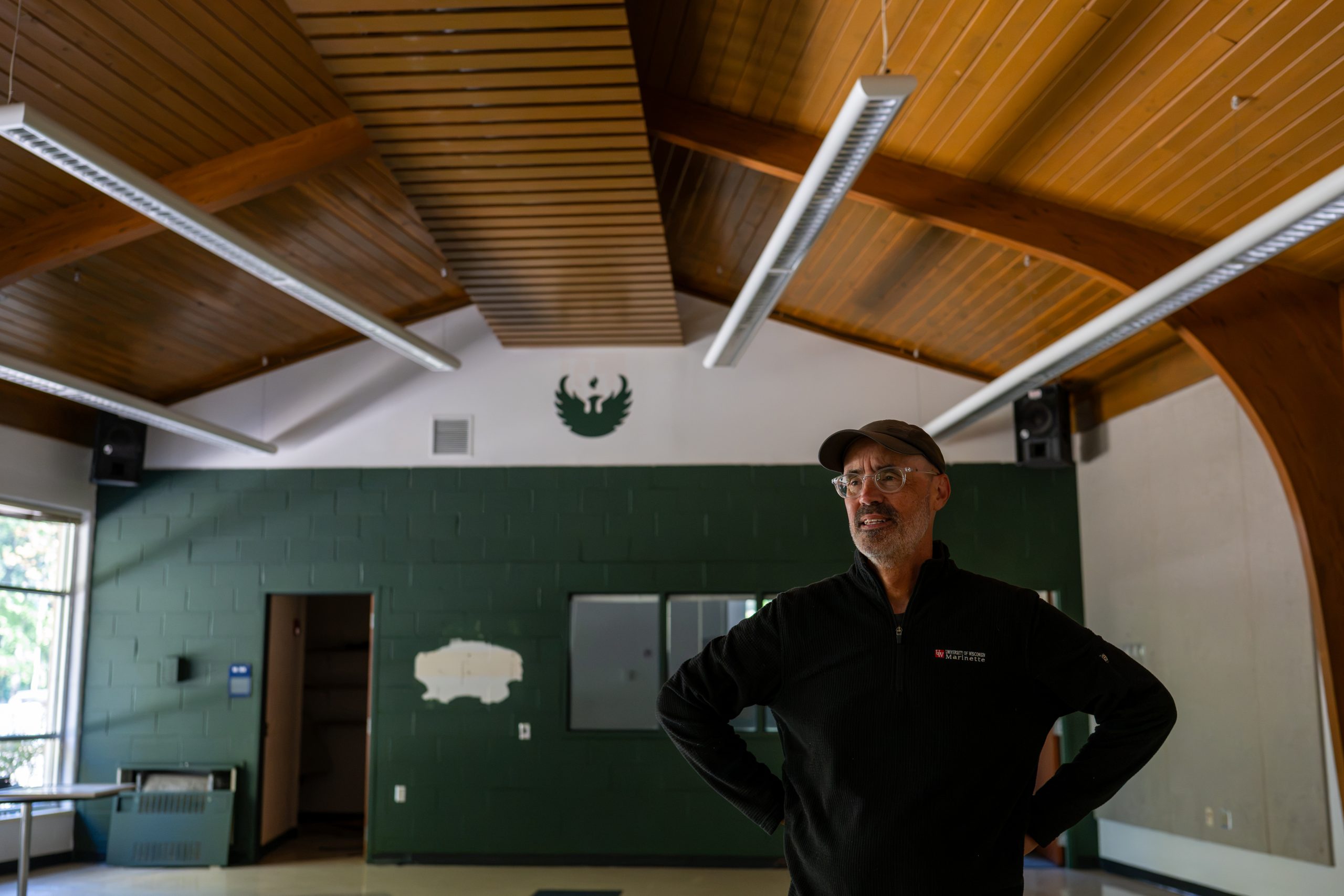
Today, that bridge is gone. Dan Kallgren, who spent his career as a history professor at the Marinette campus, describes himself as the "last faculty member on campus." Before the facility went dark, Kallgren taught the final course—a survey of Western Civilization delivered via video link to students in remote locations. For Kallgren, the closure is a profound betrayal of the mission of public higher education. "Think about the rural kid screwing up his courage and coming here, then getting turned on to engineering or history," he notes. "That avenue is now closed."
The loss extends beyond the classroom. In Baraboo, the closure of the campus has left a physical void—a cluster of empty, state-owned buildings—while in Marinette, the campus is largely mothballed, with only the theater program surviving through a precarious partnership with local donors and private ticket sales.
Broader Implications and the "Brain Drain"
The systemic dismantling of rural higher education is also exacerbating the state’s "brain drain." A report by the Wisconsin Policy Forum highlights that the state has one of the highest rates of youth out-migration in the nation. While policymakers often focus on how to keep graduates in the state, critics argue that they are ignoring the "front-end" of the pipeline. By failing to provide high-quality, accessible education to students in rural areas, the state is effectively limiting the potential for these individuals to contribute to their own communities.
"When we limit college access, we’re also limiting the kind of impact these students might have had in their own communities," says Douglas Haynes, a professor at UW-Oshkosh and author of Teaching Toward Slow Hope: Place-Based Learning in College and Beyond. The irony, according to Haynes, is that while the UW-Madison campus remains a global destination for talent, the state is increasingly bifurcated between a flagship university that functions as an elite island and a vast rural expanse where the educational infrastructure is being hollowed out.

Looking Toward an Uncertain Future
University of Wisconsin officials have consistently defended these closures, arguing that students still possess sufficient options, including the remaining four-year institutions and the state’s 16 technical colleges. However, critics like Alyssa Ratledge of MDRC argue that this perspective ignores the intrinsic value of the liberal arts and the "discovery" phase of higher education.
"It’s all about getting a job with a positive return-on-investment," Ratledge says. "But students also go to college to try things out and discover who they are." By narrowing the focus of the university system to purely vocational output, the state may be producing graduates with immediate skills, but it is also losing the broader, exploratory educational environment that fosters critical thinking and social mobility.
As the buildings in Baraboo sit empty and the remaining maintenance staff at places like Marinette perform their weekly rounds of dormant facilities, the state faces a critical inflection point. The abandonment of the branch campuses suggests a move away from the egalitarian, broad-access model that defined the 20th century. For the students in Wisconsin’s rural counties, the "Wisconsin Idea" is no longer a promise of opportunity, but a fading memory of an educational system that once viewed their potential as an essential component of the state’s future. Whether the current path of consolidation and specialization will provide long-term economic stability or merely leave large swaths of the state behind remains the central debate in Wisconsin’s ongoing education war.
