
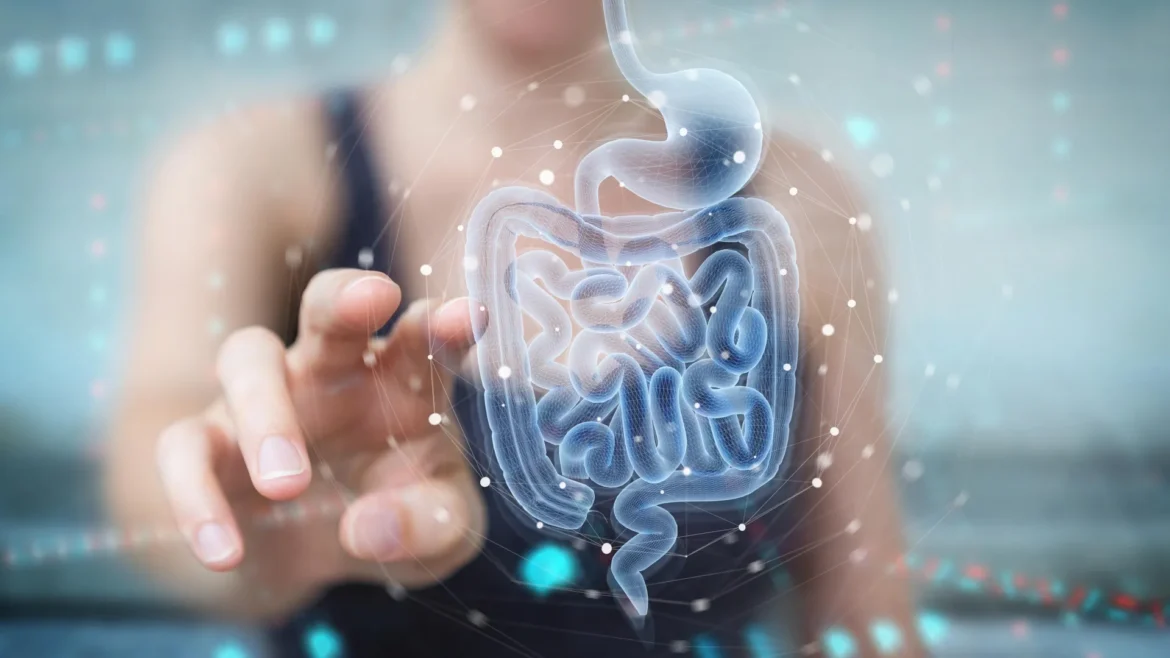
Inflammatory bowel disease, encompassing chronic and debilitating conditions such as Crohn’s disease and ulcerative colitis, affects millions of individuals globally, presenting ongoing clinical challenges due to its persistent nature and complex etiology. At the core of these gastrointestinal disorders is the continuous inflammation and progressive degradation of the delicate intestinal epithelial lining. Under normal physiological conditions, a healthy gastrointestinal tract functions as a highly selective semi-permeable barrier. It efficiently facilitates the systemic absorption of vital nutrients and essential fluids while simultaneously deploying robust defense mechanisms to prevent harmful luminal bacteria, dietary antigens, and microbial toxins from escaping the intestines and entering the bloodstream.
However, in patients suffering from inflammatory bowel disease, this critical mucosal barrier undergoes structural breakdown and functional failure. This degradation triggers a cascade of severe inflammation, chronic abdominal pain, malabsorption, and long-term systemic complications that can severely diminish a patient’s quality of life. For decades, medical researchers and gastroenterologists have sought to understand the intricate molecular mechanisms governing intestinal barrier integrity, specifically looking for ways to halt inflammation without causing widespread immunosuppression.
Now, a groundbreaking study conducted by a multidisciplinary team of researchers at the University of Louisville has identified a specific mechanism by which a naturally produced compound derived from gut microbes can help protect the intestinal lining. This discovery offers a promising scientific foundation for guiding innovative, targeted treatment approaches for inflammatory bowel disease and related gastrointestinal disorders.
The Pivotal Role of Urolithin A in Gut Homeostasis
The research initiative was spearheaded by Dr. Venkatakrishna Rao Jala, an associate professor in the Department of Microbiology and Immunology and an esteemed investigator at the University of Louisville’s Brown Cancer Center. Dr. Jala’s laboratory has long focused on understanding the complex chemical dialogues that occur between dietary inputs, the human microbiome, and the host immune system. In this latest project, his team concentrated their investigative efforts on urolithin A, commonly referred to as UroA.
Urolithin A is not something directly consumed in the diet; rather, it is a naturally occurring microbial metabolite. It is synthesized by specialized gut bacteria during the normal digestive processing of specific ellagitannin-rich foods, including pomegranates, walnuts, and various berries such as strawberries, raspberries, and blackberries. Once these complex dietary compounds reach the large intestine, the resident microflora metabolize them into UroA, which is then absorbed into the local tissue environment.
Through a series of meticulous experiments, Dr. Jala and his research team discovered that urolithin A is far more than a passive byproduct of digestion. Instead, UroA actively engages and stimulates a protective molecular pathway within the intestine, playing a direct role in maintaining long-term gut health and mucosal homeostasis. Their landmark findings were recently published in the prestigious peer-reviewed scientific journal Nature Communications, marking a significant milestone in gastrointestinal research.
Decoding the Aryl Hydrocarbon Receptor Pathway
At the center of the University of Louisville study is the aryl hydrocarbon receptor, widely known in molecular biology as AHR. This intracellular protein functions primarily as a biochemical sensor capable of responding to a diverse array of external signals, ranging from environmental pollutants and dietary components to microbial metabolites produced within the gut microbiome.
For many years, the scientific and toxicological communities understood that the aryl hydrocarbon receptor could mediate harmful, pathological effects when triggered by specific environmental toxins, such as dioxins and polycyclic aromatic hydrocarbons. These exogenous toxins bind to AHR, driving hyper-activation and subsequent inflammatory damage or carcinogenesis in various tissues. However, concurrent immunological research over the past decade suggested a paradox: certain beneficial dietary compounds could also bind to and activate the very same aryl hydrocarbon receptor, yet produce outcomes that strongly supported intestinal health, reduced inflammation, and promoted tissue healing.
Until this recent study by the University of Louisville team, the underlying reasons for these drastically divergent outcomes remained largely elusive to pharmacologists and immunologists. Why would the activation of a single receptor lead to tissue damage in one context and tissue protection in another?
The new research provides a compelling answer to this longstanding biological question. The findings demonstrate that the physiological outcome of AHR activation is not determined solely by the receptor itself, but rather depends fundamentally on both the specific anatomical location within the tissue and the precise biochemical strength of the receptor’s activation.
Turning an Inflammatory System Into a Protective Mechanism
To unravel this complexity, the University of Louisville researchers closely examined where and how urolithin A interacts with cellular machinery in the gut. They discovered that UroA selectively activates the aryl hydrocarbon receptor specifically within intestinal epithelial cells. These highly specialized cells form a tightly sealed, continuous single layer that constitutes the primary physical barrier of the gastrointestinal tract.
When AHR is engaged by urolithin A within these epithelial cells, it initiates a precise signaling cascade that triggers a cellular defense system known as the NLRP6 inflammasome. In contemporary immunology, inflammasomes—including NLRP6—are frequently viewed with caution, as they are often implicated in driving damaging, hyper-inflammatory responses associated with autoimmune and metabolic diseases. However, Dr. Jala’s team demonstrated that this paradigm is not universally applicable. Under the precise regulatory conditions induced by a natural microbial metabolite, the NLRP6 inflammasome can be co-opted to play a strictly protective role.
When UroA successfully activated the NLRP6 inflammasome within intestinal epithelial cells, it did not provoke an aggressive inflammatory flare-up. Instead, it prompted the controlled, physiological release of specific signaling molecules essential for normal intestinal function and repair. These targeted molecules worked synergistically to mend breaches in the gut lining, reinforce intercellular tight junctions, upregulate the production of protective mucosal layers, and enhance local antimicrobial defenses. By prioritizing tissue repair and barrier reinforcement over inflammatory signaling, the pathway effectively limited tissue damage during episodes of intestinal injury.
Chronology and Validation of the Research
The path to these findings represents years of dedicated scientific inquiry at the University of Louisville. Dr. Jala previously led a foundational research project that successfully identified the broad beneficial effects of urolithin A in maintaining intestinal health and mitigating colitis in experimental models. That earlier work established the baseline correlation between UroA presence and reduced gut inflammation, laying the groundwork for the more granular molecular investigations that followed.
Building upon that historical research, the recent study employed a rigorous, multi-tiered methodological approach to confirm the exact biochemical mechanisms at play. Sweta Ghosh, who served as a postdoctoral researcher in Dr. Jala’s laboratory and was the lead investigator on the paper, noted the significance of utilizing diverse experimental models to validate the findings.
The research team tested the UroA-AHR-NLRP6 pathway across multiple platforms, beginning with foundational cell culture studies, progressing to advanced three-dimensional organoid models that replicate human intestinal tissue architecture, and ultimately culminating in the analysis of primary intestinal tissue samples harvested from human patients diagnosed with inflammatory bowel disease. Remarkably, when the human IBD tissue samples were exposed to urolithin A, they exhibited the exact same protective pathway activation observed in the cellular and organoid experiments. This cross-species and clinical validation underscores the translational potential of the discovery for human medicine.
Official Responses and Expert Perspectives
The implications of the study have resonated throughout the scientific community, offering a fresh perspective on how dietary interventions and microbiome research intersect with clinical pharmacology.
"The findings show that not all inflammatory pathways are harmful," stated Sweta Ghosh, reflecting on the broader immunological lessons of the research. "Under the right conditions and in the right cells, these pathways can play an essential role in maintaining gut health and supporting tissue repair." This perspective challenges the traditional medical dogma that views inflammatory cascades as uniformly detrimental, suggesting instead that therapeutic strategies should focus on cellular context and pathway modulation rather than blanket suppression.
Dr. Venkatakrishna Rao Jala emphasized the paradigm shift this research represents for the future treatment of chronic gastrointestinal disorders. "This study helps us better understand how natural compounds produced through interactions between diet, gut microbes and the body can influence disease processes," Dr. Jala remarked. "By identifying this specific protective pathway, we may be able to develop more targeted therapeutic approaches that restore intestinal balance instead of broadly suppressing immune responses."
Implications for Future IBD Treatments
The standard of care for moderate-to-severe inflammatory bowel disease has historically relied heavily on broad-spectrum immunosuppressive drugs, biologic agents, and corticosteroids. While these powerful medications have successfully induced and maintained remission for many patients, they come with substantial clinical trade-offs. Because they suppress the immune system systemically, patients often experience an increased susceptibility to opportunistic infections, severe side effects, and long-term drug resistance or loss of response over time. Furthermore, conventional therapies frequently fail to directly address or repair the structural damage sustained by the intestinal epithelial barrier.
The discovery by the University of Louisville researchers opens the door to a more refined, targeted therapeutic paradigm. By understanding how a natural microbial metabolite like urolithin A can selectively harness specific cellular defense systems—such as the aryl hydrocarbon receptor and the NLRP6 inflammasome within intestinal epithelial cells—scientists can envision a new class of therapeutics.
Rather than shutting down the immune system entirely, future treatments could theoretically be engineered to mimic or amplify the localized, barrier-repairing mechanisms of natural gut compounds. Such targeted interventions would aim to actively restore intestinal epithelial integrity, reinforce the mucosal barrier, and promote natural tissue healing while leaving the broader systemic immune defenses intact.
As research in this field progresses, the intersection of nutritional science, microbiome metabolism, and molecular immunology continues to yield transformative insights. While clinical trials and further translational developments will be necessary to translate these laboratory findings into approved pharmaceutical or nutritional therapies, the work led by Dr. Jala and his team at the University of Louisville provides a clear biochemical roadmap. It highlights the profound therapeutic potential hidden within the human microbiome and offers renewed hope for millions of patients navigating the lifelong challenges of inflammatory bowel disease.
