As the American educational landscape continues to undergo rapid transformation, a burgeoning phenomenon known as microschools has emerged as the most dynamically expanding sector in modern schooling. Recent empirical insights, detailed in the report Measuring the Microschool Experience by researcher Daniel Hamlin in collaboration with the National Microschooling Center, have provided the first comprehensive quantitative look at this decentralized educational movement. While catering to an estimated one million to 1.5 million students nationwide, microschools are simultaneously capturing the attention of educational policymakers, families, and researchers alike due to their unique operational models, surging popularity among special education students, and looming regulatory hurdles.
Defining the Microschool Landscape
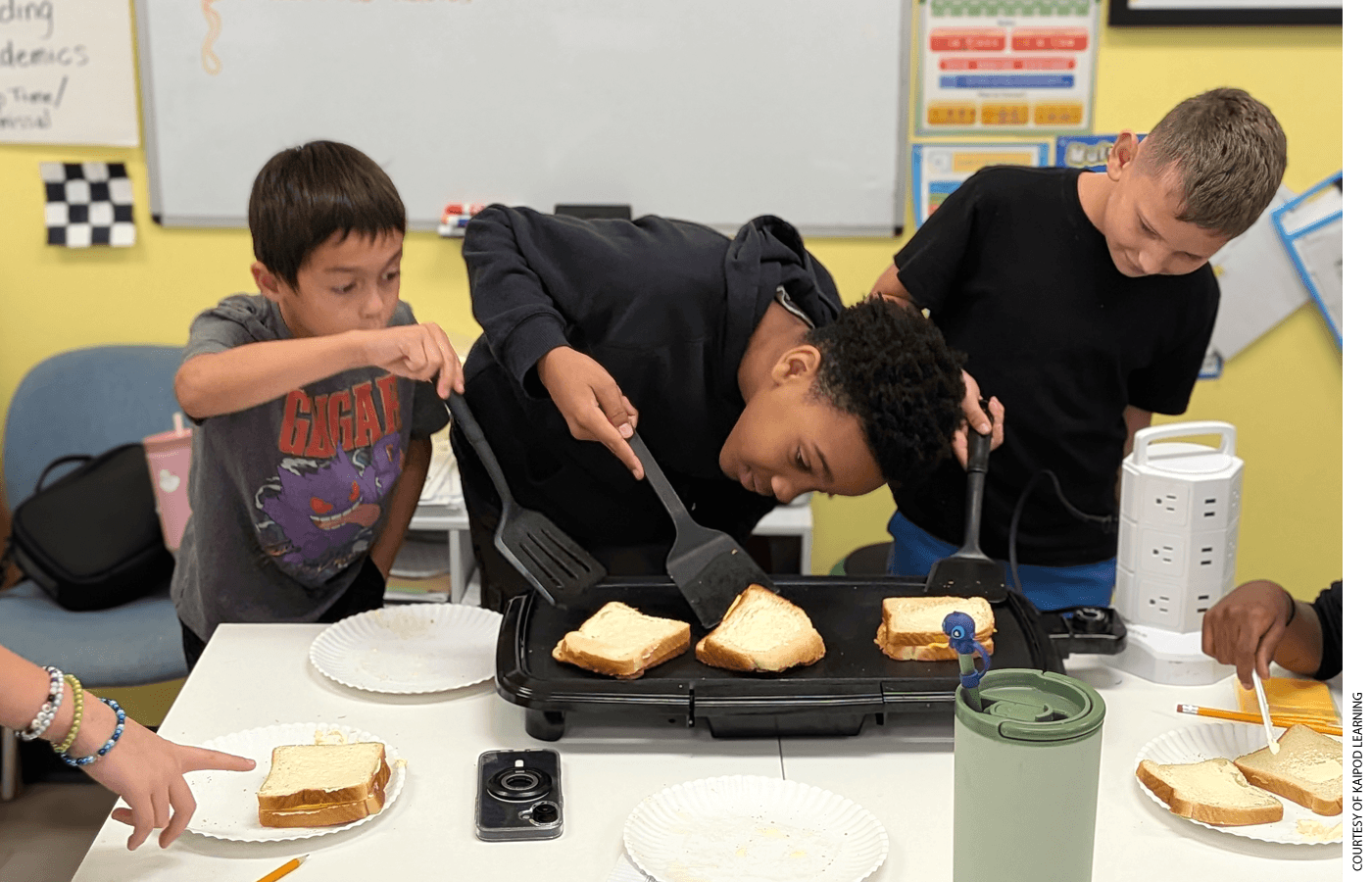
At its core, a microschool represents an intimate, highly personalized educational environment. According to Hamlin, the average microschool maintains a total enrollment of approximately 22 students, operating on a decentralized framework that emphasizes individualized attention, close relationships, and tailored learning paths. Housed variously in community spaces, churches, public libraries, or dedicated residential facilities, these institutions bridge the gap between traditional private schools and independent home-based learning.
Unlike traditional homeschooling cooperatives where parents directly oversee daily instruction, standard microschools typically employ a dedicated founder or professional educator to guide students. The age demographic spans the entirety of the K-12 spectrum, running the gamut from pre-kindergarten children to 18-year-olds preparing for adulthood. Yet, despite their structural flexibility, these institutions face significant regulatory friction. Notably, current guidelines from the U.S. Treasury Department regarding the federal tax credit scholarship program appear to exclude microschools from tuition reimbursement eligibility because they often fail to meet formal, traditional definitions of a private school. With federal regulations slated to take effect on January 1, 2027, founders and advocates are intensely lobbying for clarification and policy adjustments to ensure financial inclusivity.
Demographics and Special Education Inclusion
One of the most striking findings highlighted in Hamlin’s research is the remarkably high proportion of students with special needs enrolled in microschool environments. Survey data indicates that nearly half of the students within the studied sample were identified by their families or schools as having a disability or being eligible for an Individualized Education Program (IEP).
While traditional public schools serve a broad range of students with disabilities, the concentration of learners requiring specialized, intensive support is disproportionately higher within the microschool sector. Consequently, parents frequently cite individualized attention, a safe school environment, and a positive school culture as primary motivators for departing conventional public school systems. Conversely, traditional markers such as religious instruction or high academic standing rank lower as primary driving factors for microschool enrollment, setting this sector apart from traditional private and parochial school enrollment trends.
Socioeconomic Realities and Tuition Models
The financial structure of microschools remains a critical component of their viability and accessibility. While media coverage has occasionally portrayed microschools as elite educational havens for affluent families—drawing parallels to high-profile experimental schools in technology hubs—empirical data paints a more nuanced picture.
Hamlin’s sample of approximately 500 students across 40 microschools indicates that while participating families skew slightly more affluent than the national public school average, a substantial footprint of lower-income families, single-parent households, and parents with high school-level education or lower actively utilize these schools. Tuition rates vary significantly, generally ranging from $8,000 to upwards of $25,000 annually, depending on whether the instruction relies heavily on virtual components or intensive in-person staffing. Operating on exceptionally thin financial margins due to small class sizes, microschool founders must maintain high levels of responsiveness to family satisfaction to prevent minor enrollment fluctuations from threatening institutional survival.
Broader Implications and the Path to Scalability
The explosive growth of microschools over the past five years raises fundamental questions regarding long-term scalability. Skeptics frequently question whether a model requiring significant parental engagement and specialized organizational structures can sustain mainstream expansion. However, proponents argue that the proliferation of post-pandemic state-level private school choice programs—such as Education Savings Accounts (ESAs) and tax-credit scholarship initiatives—has provided the financial scaffolding necessary to scale these models to a wider demographic.
As the educational ecosystem adapts to these emerging paradigms, academic and political stakeholders are preparing to address these pressing policy questions. A prominent venue for these discussions is the upcoming Chartering a New Terrain conference at Harvard University, co-moderated by Paul Peterson and Daniel Hamlin. The event brings together microschool founders, state lawmakers, educational entrepreneurs, and prominent public figures, including Colorado Governor Jared Polis and U.S. Department of Education Assistant Secretary Kirsten Baessler. As regulatory frameworks continue to evolve ahead of the 2027 federal deadlines, the intersection of innovation, accountability, and accessibility will undoubtedly remain at the forefront of American education reform.