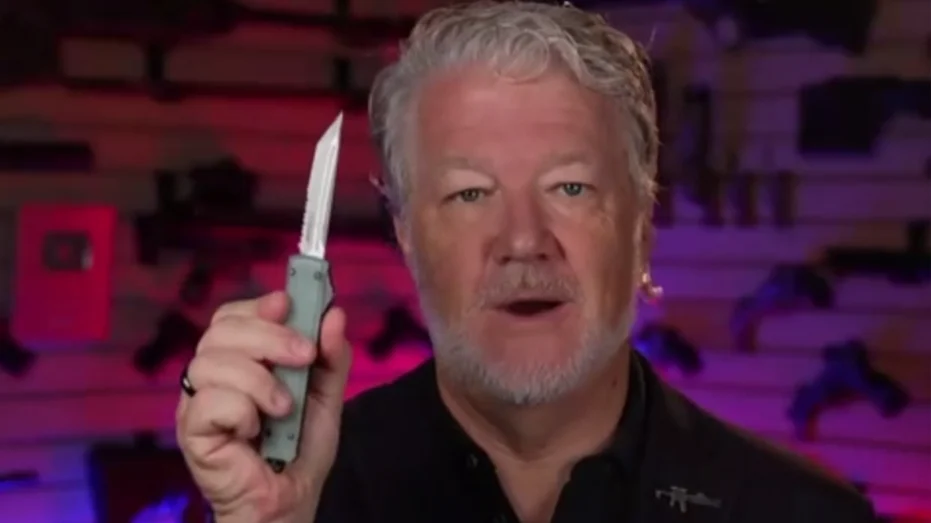
The landscape of Second Amendment litigation has experienced a significant shift this week, as two federal court rulings independently affirmed that switchblade knives and personal body armor constitute constitutionally protected "arms." These developments have provided fresh momentum to gun-rights advocates who are currently bracing for a high-stakes Supreme Court showdown concerning the constitutionality of bans on AR-15-style rifles.
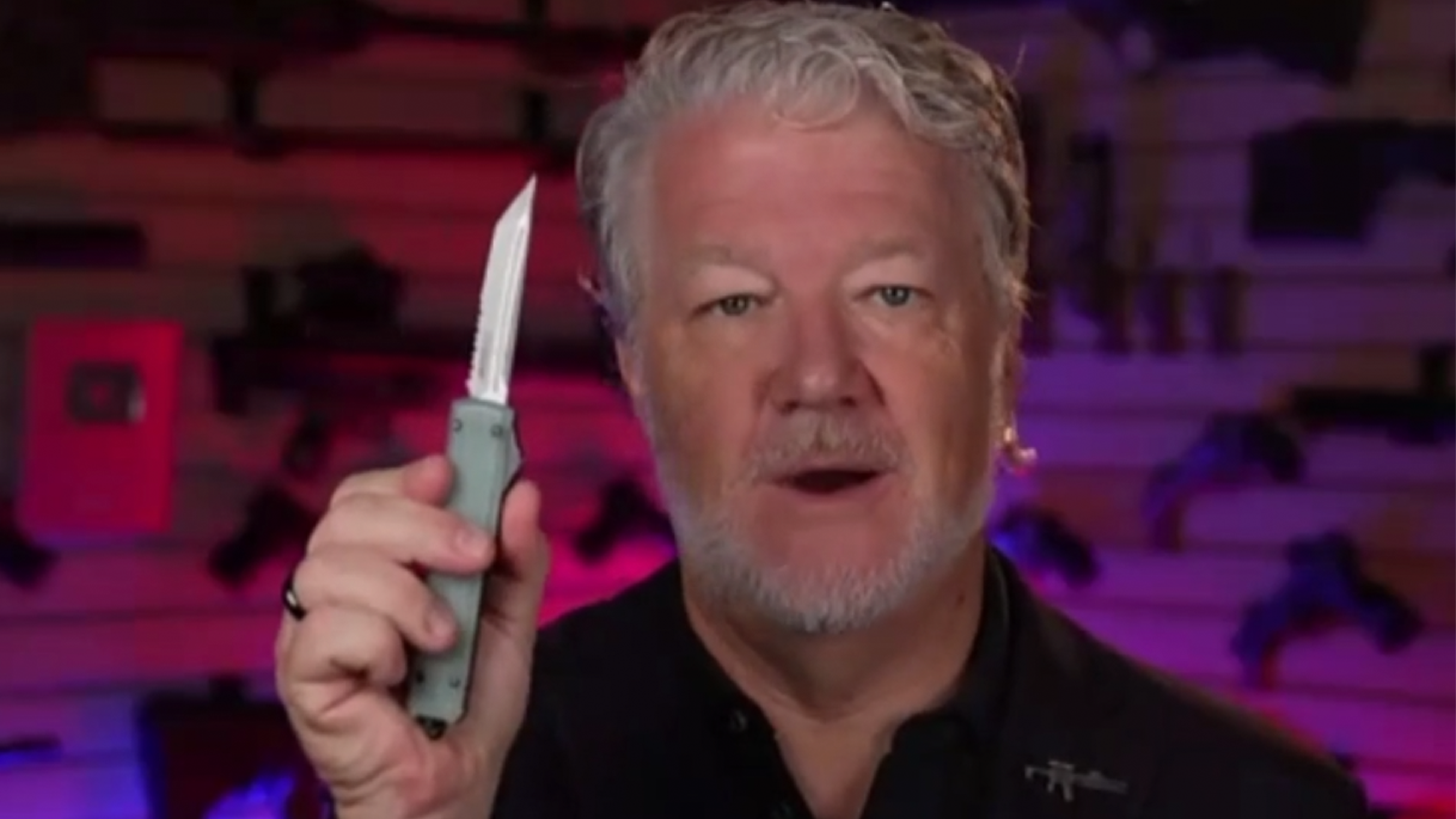
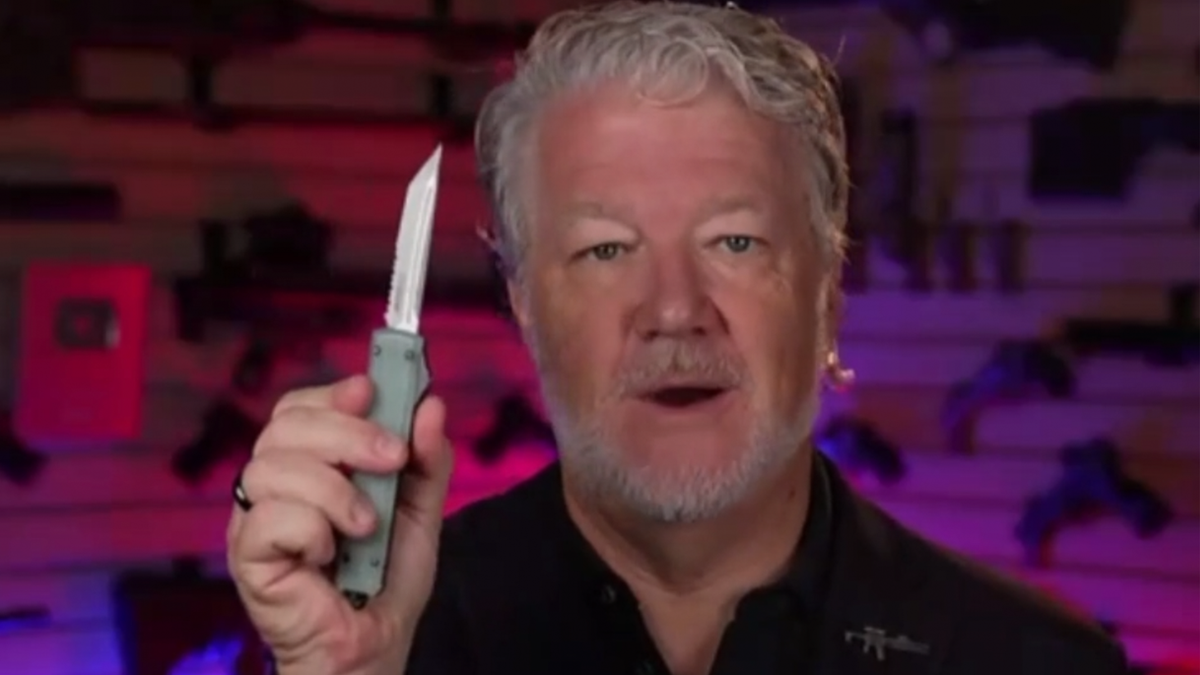
The Fifth Circuit Court of Appeals issued a decision determining that federal restrictions on the interstate commerce of switchblade knives run afoul of the Second Amendment. Simultaneously, a federal judge in the Western District of New York struck down state-level prohibitions on the possession of personal body armor. In both instances, the judiciary relied upon an expansive interpretation of the term "arms," moving beyond traditional firearms to include defensive equipment and implements historically associated with self-defense.
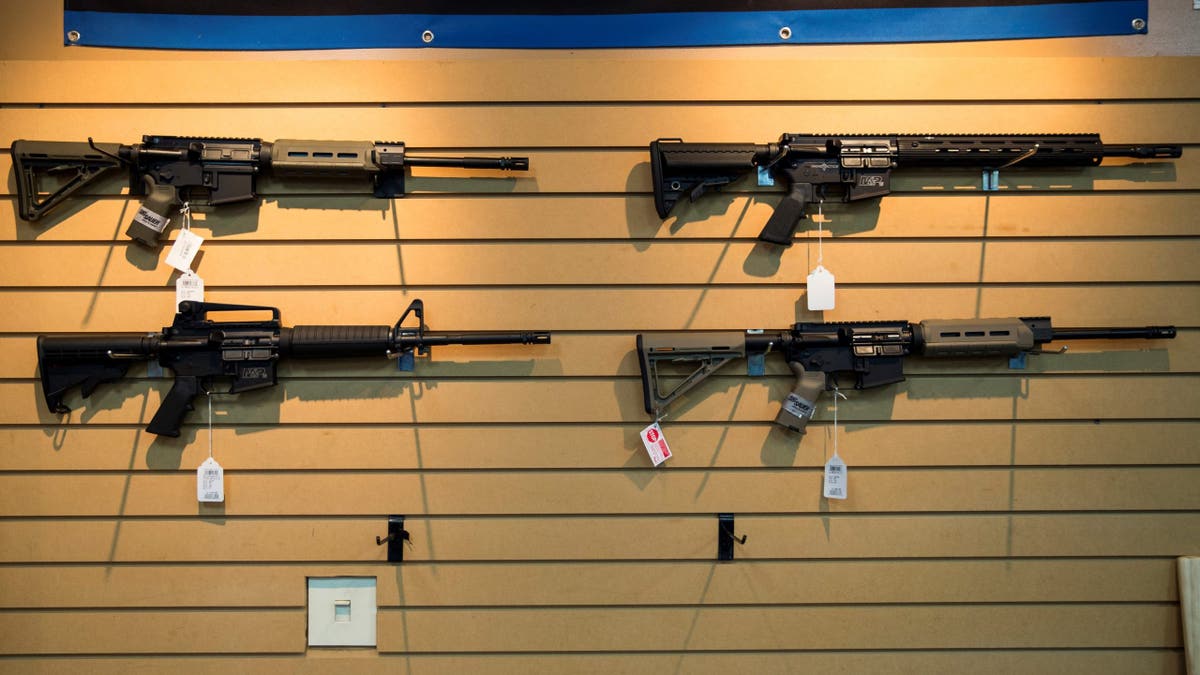
These rulings arrive at a critical juncture, as the Supreme Court prepares to hear oral arguments in the case of Viramontes v. Cook County. The outcome of this case is widely expected to establish a definitive precedent regarding whether modern, semi-automatic platforms such as the AR-15-style rifle fall under the protective umbrella of the Second Amendment.
The Legal Framework: From Heller to Bruen
The legal arguments in these recent cases are rooted in two landmark Supreme Court decisions that have fundamentally reshaped the Second Amendment landscape over the last two decades: District of Columbia v. Heller (2008) and New York State Rifle & Pistol Association v. Bruen (2022).
In the 2008 Heller decision, the Supreme Court famously held that the Second Amendment protects an individual’s right to possess a firearm for lawful purposes, most notably self-defense within the home. Crucially, the Court established the "common use" test, suggesting that weapons in common use for lawful purposes are generally protected, while simultaneously acknowledging that the government may regulate "dangerous and unusual" weapons.
The 2022 Bruen decision further refined this by imposing a "text-and-history" test. Under this standard, when the Second Amendment’s plain text covers an individual’s conduct, the government must demonstrate that its regulation is consistent with the nation’s historical tradition of firearm regulation. This shifted the burden of proof significantly, requiring states and the federal government to provide specific historical analogues—laws dating back to the Founding Era or the mid-19th century—to justify modern restrictions.
In the Fifth Circuit and the New York district court cases, the respective governments failed to identify historical traditions that sufficiently justified the bans on switchblades and body armor. Consequently, the courts ruled that because these items are "arms" within the historical understanding of the term, the burden to prove their restriction was constitutional had not been met.
Implications for AR-15 Bans and Viramontes v. Cook County
The upcoming Supreme Court case, Viramontes v. Cook County, centers on an assault-weapons ban enacted in an Illinois jurisdiction. The Seventh Circuit, in a controversial ruling, had previously upheld the ban by likening AR-15-style rifles to machine guns, thereby categorizing them as outside the scope of Second Amendment protection.
Legal analysts, including Second Amendment attorney George Lyon, contend that the Seventh Circuit’s reasoning is deeply flawed. "The current case at the Supreme Court, Viramontes, will address that because the Seventh Circuit had taken the position that because AR-15s are ‘like machine guns,’ they don’t constitute an arm as defined under Heller," Lyon noted. "That was just totally wrong in my view."
Dudley Brown, president of the National Association for Gun Rights, views the recent lower court victories as a preview of how the Supreme Court might approach the Viramontes case. Brown argues that if the Supreme Court rules in favor of protected status for AR-15s, it will create a "domino effect" that could lead to the invalidation of various state-level restrictions on ammunition magazines, suppressors, and other defensive equipment.
A Growing Web of Litigation
The movement to define the full scope of "arms" has expanded well beyond the rifle itself. Gun-rights organizations and individual litigants are currently pursuing cases across the country involving a wide array of defensive technologies.
The Scope of Protected Equipment
- Ammunition Magazines: Challenges are mounting against state laws that limit the capacity of magazines to 10 or 15 rounds, with plaintiffs arguing these are integral to the function of protected firearms.
- Suppressors: Often used for hearing protection, these devices are heavily regulated under the National Firearms Act of 1934. Advocates argue that because they are "in common use" by millions of Americans, their regulation should be subject to strict scrutiny.
- Non-Lethal Defense: Cases involving stun guns and pepper spray are increasingly citing the Heller definition of "arms," arguing that the right to self-defense includes a spectrum of tools beyond the firearm.
Justin Davis of the National Rifle Association emphasized the evolving nature of the debate. "There’s a major discussion going on in the courts about what is and what aren’t arms," Davis stated. "They talk about how the Second Amendment only applied to muskets because that’s what existed at the time of the Founders, but we don’t apply the First Amendment only to newspapers, books or speech in public forums. Social media, texting and phones didn’t exist at that time, either."
Chronology of Recent Judicial Developments
- June 2008: The Supreme Court decides District of Columbia v. Heller, establishing the individual right to possess firearms for self-defense.
- June 2022: The Supreme Court decides New York State Rifle & Pistol Association v. Bruen, establishing the "text-and-history" test for evaluating gun control laws.
- Late 2023–2024: Various lower courts begin to apply the Bruen standard to items beyond traditional firearms, leading to conflicting rulings on body armor and knives.
- October 2026: The Fifth Circuit strikes down the Federal Switchblade Act, and a New York federal judge invalidates the state’s body armor ban, citing the "arms" definition.
- Upcoming: The Supreme Court is scheduled to hear Viramontes v. Cook County, a potential landmark ruling for semi-automatic weapon bans.
Perspectives on Public Safety vs. Constitutional Rights
The debate over these rulings highlights a profound divide in American legal thought. Proponents of gun control argue that the judiciary is misinterpreting the Founders’ intent, asserting that the Second Amendment was never meant to preclude reasonable regulations on modern, high-capacity weaponry or tactical gear that can be utilized in mass-casualty events. They emphasize that the government maintains a compelling interest in public safety that outweighs an individual’s desire for specific tactical equipment.
Conversely, civil liberties advocates argue that the right to keep and bear arms is a fundamental guarantee that does not require government permission to exercise. They maintain that as technology progresses, the tools of self-defense evolve, and the Constitution must be interpreted to protect those advancements just as it protects modern forms of communication under the First Amendment.
Analysis of Future Judicial Trends
As the Supreme Court moves closer to the Viramontes decision, the legal community is watching closely for whether the Court will issue a narrow or broad opinion. A narrow ruling might focus strictly on the specific characteristics of the AR-15, while a broad ruling could clarify the methodology lower courts must use when determining what constitutes an "arm" in the 21st century.
Should the Court affirm that defensive equipment like body armor and modern rifles are protected, it would likely necessitate a massive overhaul of existing state and federal regulatory frameworks. Departments of Justice across various states are already preparing for the possibility of a total shift in the legal burden, which would force the government to defend almost any restriction on weaponry through the lens of strict historical scrutiny.
Ultimately, the confluence of these rulings—covering everything from the folding knife to the modern rifle—represents the most significant consolidation of Second Amendment jurisprudence in a generation. The outcome of the next term’s docket will likely determine the balance of power between individual defensive autonomy and the regulatory authority of the state for decades to come.