While traditional public school districts across the United States face a deepening enrollment crisis characterized by aging infrastructure and dwindling student populations, a decentralized educational revolution is gaining momentum. Microschools—often described as the 21st-century iteration of the classic one-room schoolhouse—are transitioning from a niche alternative to a mainstream powerhouse. Typically serving fewer than 20 students in intimate, personalized settings, these institutions are predominantly private-pay or funded through state-level school choice programs. Data from the National Microschooling Center indicates that the number of these small-scale learning environments has surged to over 100,000 nationwide, representing a significant shift in the American educational landscape.
This rapid expansion, which was initially catalyzed by the disruptions of the COVID-19 pandemic, has reached a critical mass. Current estimates place microschool enrollment between one and two million students. Experts suggest these numbers are poised for an even steeper upward trajectory as the educational system absorbs the impact of federal tax credits introduced under the Trump administration’s "One Big Beautiful Bill." Furthermore, the movement is no longer confined to the private sector; local school districts are increasingly exploring "in-district" microschool models to retain families who might otherwise depart for private alternatives.
The Evolution of the Microschooling Ecosystem
The genesis of the modern microschooling movement can be traced back to the early 2010s, but its timeline reached a fever pitch during the early 2020s. Before the pandemic, microschools were largely experimental, often founded by frustrated teachers or tech-savvy parents in Silicon Valley and Austin. However, the 2020 global health crisis acted as a "turbocharger," forcing millions of families to experience home-based or small-group learning.
By 2022, what were once temporary "pandemic pods" began to formalize into permanent institutions. National networks such as KaiPod, Prenda, and Primer emerged as dominant players, providing the back-end infrastructure—curriculum, insurance, and regulatory compliance—necessary for local founders to open schools quickly. This "school-in-a-box" model has been particularly successful in states with robust school choice laws, such as Arizona, Florida, and West Virginia, where Education Savings Accounts (ESAs) allow public funding to follow the student to private providers.
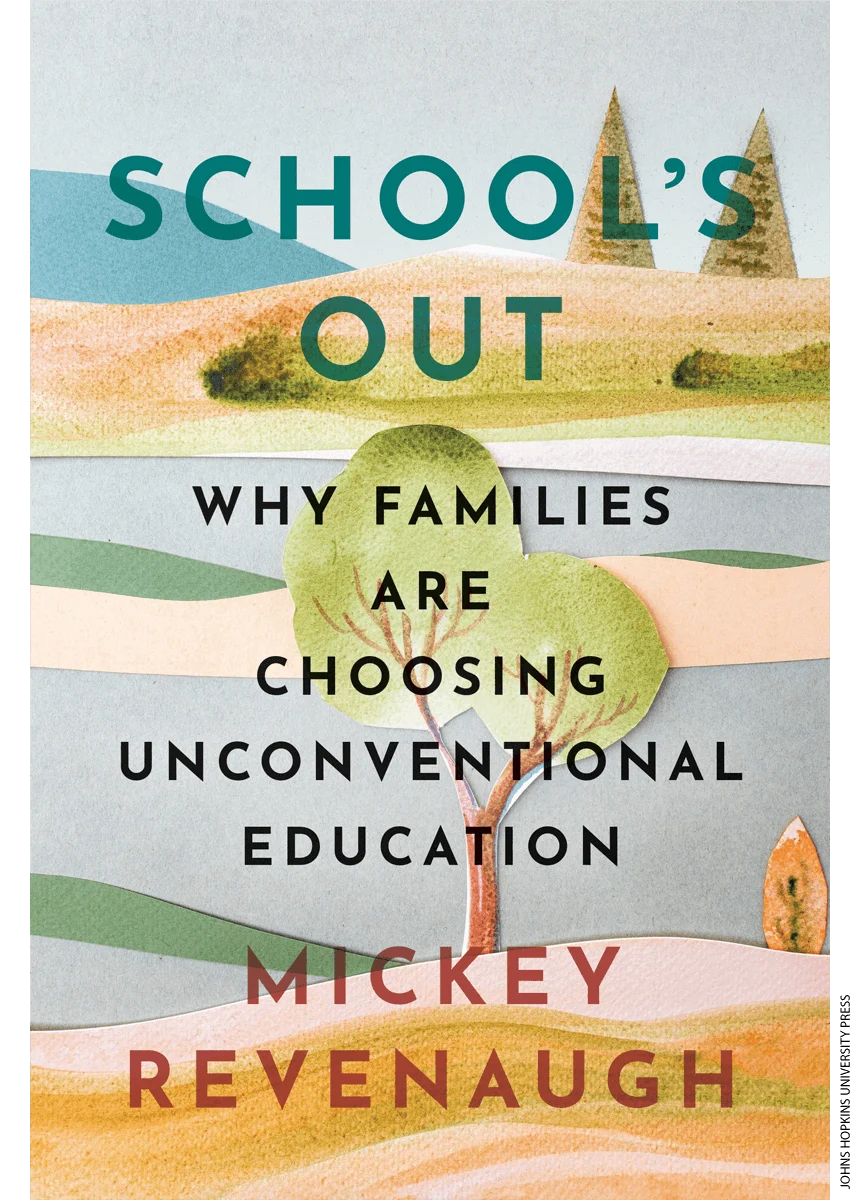
By 2025 and into 2026, the movement has matured into an astonishingly diverse ecosystem. Researchers, including Mickey Revenaugh, author of the 2026 study School’s Out: Why Families Are Choosing Unconventional Education, have documented a wide array of specialized models. These include living-room learning pods, mini-farm schools that emphasize agricultural literacy, specialized centers for LGBTQ+ youth, strict faith-based academies, and high-tech STEM academies designed for teenagers.
Addressing the Crisis in Male Education
One of the most compelling drivers of microschool growth is the increasing dissatisfaction among parents of boys. National data consistently illustrates a widening gender gap in traditional K-12 education. For decades, the National Assessment of Educational Progress (NAEP) has shown that boys lag behind girls in reading and writing proficiency. More recently, the historical advantage boys held in mathematics and science has eroded as girls have achieved parity or surpassed them.
Analysis from the National Center for Education Statistics (NCES) reveals a systemic trend: boys typically earn lower grades throughout their elementary and secondary years. Consequently, girls are now more likely to graduate from high school on time, enroll in higher education, and complete collegiate degrees. Furthermore, the clinical landscape of schooling shows a stark gender divide; approximately 18 percent of boys are diagnosed with learning disabilities or special education needs, compared to just 10 percent of girls.
Educational psychologists argue that the "conventional classroom" is often designed in a way that inadvertently penalizes male behavioral norms. The standard expectation for students to remain seated for long periods, maintain quietude, and exercise high levels of self-regulation often clashes with the physiological need for movement and vocalization prevalent in many young boys. Additionally, gender socialization can discourage boys from displaying the vulnerability and curiosity essential for deep learning. Microschools, with their flexible seating, emphasis on project-based learning, and high teacher-to-student ratios, offer an environment that many parents believe is more "boy-friendly."
A Sanctuary for Neurodiversity
Beyond gender, microschools have become a primary destination for neurodiverse learners. Field observations and sector analysis from the National Microschooling Center highlight a high concentration of students with ADHD, dyslexia, dysgraphia, anxiety, and autism. Many of these students fall into the "twice-exceptional" category—possessing both high intellectual giftedness and a learning disability.
In a traditional public school setting, these students often face a "deficit-based" approach, where they are pulled out of standard classes for remedial services, potentially missing out on core instruction and social integration. In contrast, microschool leaders emphasize "embedded support." For example, Kenneth Mims, executive director of Science Prep Academy—a STEM-focused microschool specifically for students on the autism spectrum—notes that his institution builds therapeutic interventions directly into the school day.
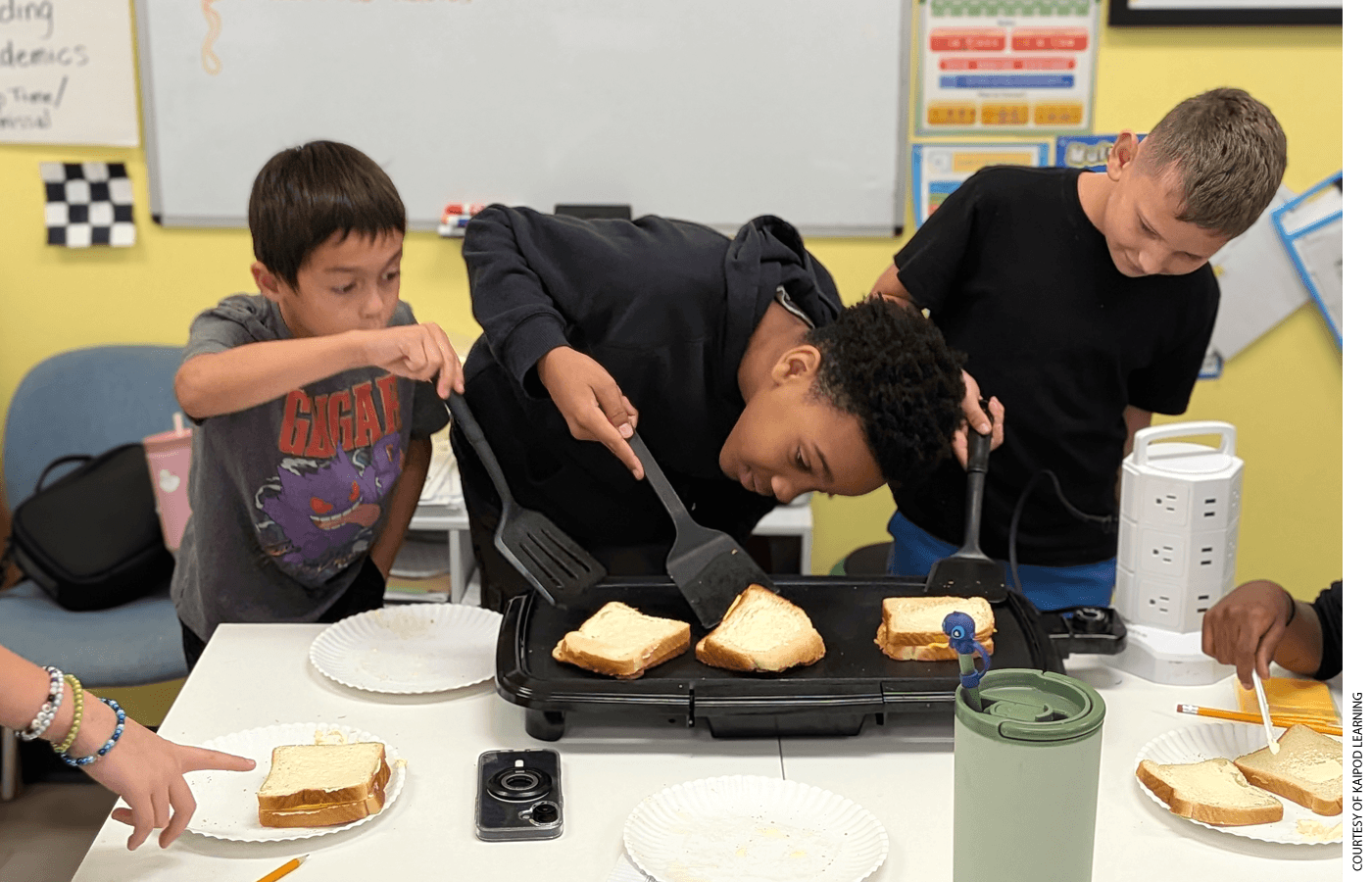
The use of adaptive technology is another hallmark of the microschool model. Many institutions utilize online curricula that allow for radical personalization. The KaiPod network, for instance, employs the Ignite Academy curriculum, which features different pathways such as "Fire" (which includes built-in supports for students with disabilities) and "Spark" (an accelerated track for gifted learners). This allows students in the same room to work at vastly different paces without the stigma of "special education" labeling.
The Regulatory Debate: Permissionless vs. Protected
As microschools move from the periphery to the center of the educational conversation, they have become the subject of intense regulatory debate. Advocates for the movement argue for a "permissionless" framework. They contend that as long as a school meets basic fire safety standards and conducts criminal background checks on staff, it should be free from the "red tape" of traditional educational bureaucracy regarding curriculum, physical location, and teacher certification. This market-driven approach assumes that parents are the best judges of quality and will naturally move their children away from subpar providers.
However, this lack of oversight has drawn sharp criticism from policy groups such as the Center for American Progress (CAP). In a February 2025 report titled The Importance of Holding Microschools Accountable, CAP argued that the ambiguity surrounding the definition of a microschool creates dangerous loopholes. Critics worry that tiny schools with limited staff cannot provide the comprehensive "wraparound" therapeutic and academic services—such as speech therapy, occupational therapy, and specialized psychological counseling—that traditional school districts are legally mandated to provide under the Individuals with Disabilities Education Act (IDEA).
There is also a concern regarding the "unregulated" nature of some private-pay options. While Education Savings Accounts provide families with the funds to attend these schools, advocates for public education argue that without standardized testing or state-level reporting, it is impossible to verify if these students are making adequate academic progress.
Broader Implications and the Path Forward
The rise of microschooling represents more than just a shift in where children spend their day; it is a fundamental challenge to the industrial model of American education. For the families of "neurospicy" children and boys who struggle in traditional settings, the microschool represents a life raft. As one student, Jed, who has ADHD, remarked of his experience at KaiPod Gilbert: "I’d be in trouble all the time for not thinking or acting the way the teacher wanted me to [in my old school]. It’s much less stressful here where I can work on what I want when I want."
The long-term impact on the public school system remains to be seen. Some experts predict a "hollowing out" of traditional schools, leaving them with a higher concentration of the most expensive-to-educate students while losing the funding associated with the general student population. Others see an opportunity for a "hybrid" future where public districts launch their own microschools to offer the flexibility parents crave within a regulated, publicly accountable framework.
As the 2026-2027 academic year approaches, the momentum of the microschool movement shows no signs of waning. With federal policy now actively incentivizing alternative models and a growing body of parents seeking "unconventional" paths, the tiny schoolhouse is once again a major force in the American story of learning. Whether this leads to a more equitable and effective system or a fragmented educational landscape remains the central question for policymakers in the decade to end.