
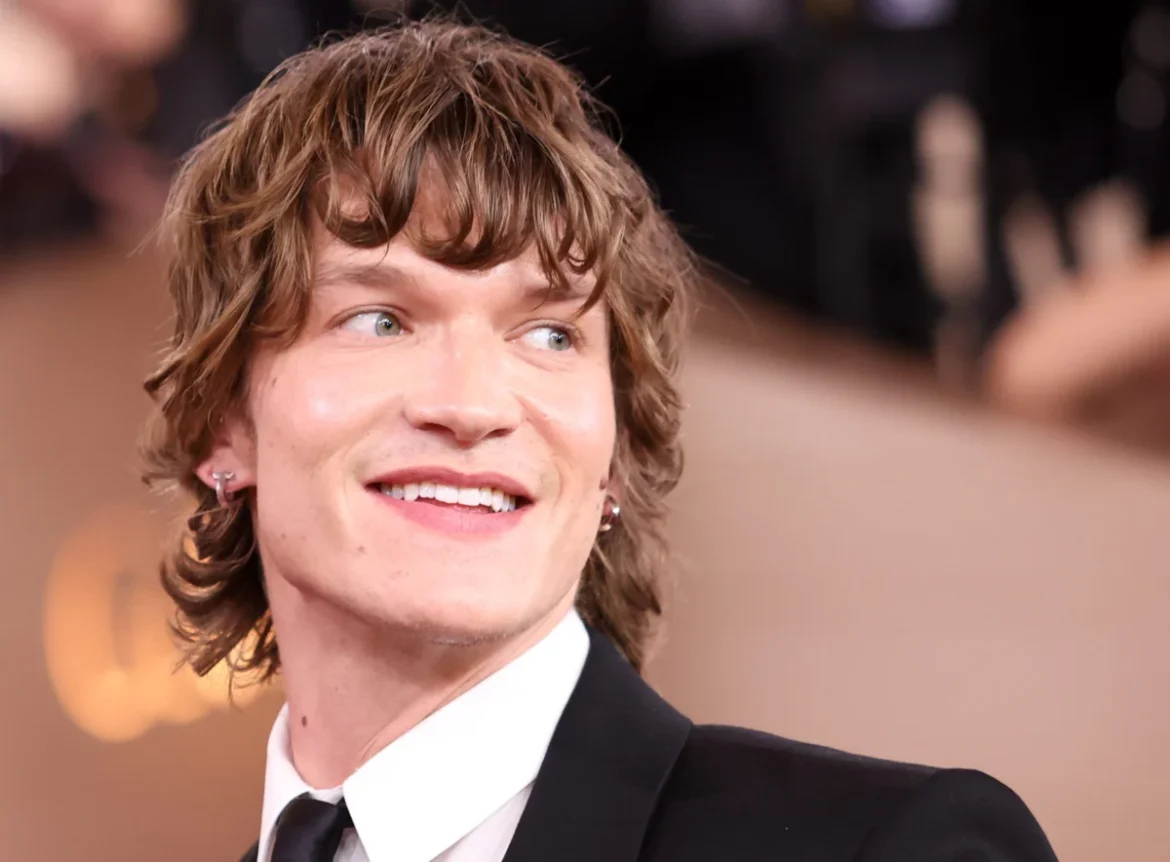
The landscape of the Marvel Cinematic Universe is undergoing a significant transformation as the studio pivots toward the supernatural corners of its extensive intellectual property library. Industry reports have confirmed that rising talent Connor Storrie is in negotiations to join the ensemble of the highly anticipated Ghost Rider feature film, marking a major career milestone for the actor. The project is poised to serve as a cornerstone of Marvel’s upcoming slate, reuniting a creative team that has already demonstrated significant box-office synergy.
The film will feature Ryan Gosling in the titular role, a casting choice that has generated considerable buzz since its initial reveal. Storrie’s potential involvement adds another layer of intrigue to the production, which is being spearheaded by director Shawn Levy and screenwriter Jonathan Tropper. The trio previously collaborated on the upcoming Star Wars: Starfighter project, establishing a rapport that Marvel executives hope will translate into a seamless production experience for the high-stakes Ghost Rider venture.
A Project of Strategic Importance
Marvel Studios officially confirmed the development of Ghost Rider during the recent San Diego Comic-Con, an event that served as a massive platform for the company to announce its long-term roadmap. The film is currently scheduled for a wide theatrical release on July 28, 2028, with principal photography expected to commence in 2027. This timeline suggests a meticulous pre-production phase, typical of Marvel’s blockbuster approach, allowing for extensive visual effects work to bring the character’s signature flaming aesthetic to life.
For Storrie, this casting represents a transition into the upper echelons of franchise filmmaking. While specific details regarding his character remain under strict nondisclosure agreements, the industry is speculating that he will fill a pivotal role that interacts directly with Gosling’s protagonist. Historically, Marvel’s casting process for supporting roles in marquee projects often involves actors who can hold their own against established A-list talent, and Storrie’s inclusion underscores the studio’s confidence in his trajectory.
The Evolution of the Ghost Rider Franchise
The inclusion of Ghost Rider in the Marvel Cinematic Universe represents a calculated effort to expand the franchise’s tonal range. The character, known for his dark origins and deal with the demonic entity Mephisto, offers a departure from the traditional hero archetypes seen in earlier phases of the MCU. By tapping into the supernatural and horror-adjacent elements of the source material, Marvel is likely looking to replicate the success of other character-driven, darker narratives that have performed well in the modern theatrical environment.
The character has seen multiple live-action iterations in the past, most notably in the early 2000s, but this iteration is being treated as a distinct "soft reboot" within the broader MCU continuity. By integrating the character into the current cinematic architecture, Marvel is aiming to revitalize a fan-favorite anti-hero for a new generation of audiences while satisfying long-term comic book enthusiasts.
Creative Synergy: The Levy-Tropper Connection
The selection of Shawn Levy as director is perhaps the most significant indicator of the project’s intended tone. Levy has proven his ability to balance character-driven humor with high-octane spectacle. His collaboration with Jonathan Tropper on Star Wars: Starfighter suggests that the studio is prioritizing a narrative-heavy approach for Ghost Rider.
Tropper’s writing style, often characterized by sharp dialogue and complex interpersonal dynamics, is expected to provide a grounded emotional anchor to the supernatural spectacle of the film. For an actor like Storrie, joining a production with this level of creative consistency provides a structured environment that is highly conducive to career growth. Industry analysts note that this specific creative partnership is a deliberate move by Marvel to stabilize the production process after a period of intense scrutiny regarding their release schedules and quality control.
Production Timeline and Strategic Planning
The road to the 2028 release date is carefully mapped out. With production slated for 2027, the studio has allowed for an extensive post-production window. In the realm of contemporary comic book cinema, this is a strategic necessity. The digital assets required to render the Ghost Rider’s transformation and the iconic Hell Charger vehicle demand significant lead time.

The following timeline highlights the key milestones for the project:
- July 2025: Official confirmation of the project at San Diego Comic-Con.
- Late 2025/Early 2026: Casting negotiations for supporting roles, including Connor Storrie.
- 2027: Principal photography begins.
- July 2028: Worldwide theatrical release.
This schedule reflects the "quality over quantity" strategy recently championed by Marvel Studios leadership. By spacing out its major releases, the studio is mitigating the risk of "superhero fatigue" while ensuring that each film receives the full attention of the studio’s top-tier creative and technical teams.
Implications for the Industry
The news of Storrie’s casting, first reported by The Hollywood Reporter, highlights the continued magnetism of the Marvel brand for rising stars. Even in a shifting media landscape where streaming platforms compete for top-tier talent, the "Marvel blockbuster" remains a gold standard for visibility.
From an economic perspective, the film is expected to be a massive revenue driver. With Ryan Gosling’s proven global appeal and the built-in audience for the Ghost Rider property, the film is projected to be one of the top-grossing titles of the 2028 summer season. The inclusion of new talent like Storrie is also essential for franchise sustainability, as it builds a bench of actors who can anchor future spin-offs or sequels.
Analysis of Character Dynamics
While the exact nature of the role remains shrouded in secrecy, the history of the Ghost Rider comics offers a few clues as to where Storrie might fit into the narrative. The supporting cast of Ghost Rider typically includes figures such as occult investigators, rival demonic entities, or associates from the protagonist’s past life. If the film leans into the "Johnny Blaze" narrative arc, Storrie could potentially portray an antagonist or a reluctant ally who forces the protagonist to confront his past.
Given the pedigree of the director and the screenwriter, the film is likely to explore the internal struggle of the main character. If Storrie is cast as a foil to Gosling, the chemistry between the two will be paramount. Their ability to deliver performances that balance the absurdity of the premise with genuine emotional weight will be the primary factor in determining the film’s critical reception.
Broader Context and Official Silence
To date, Marvel Studios has not released an official statement regarding the specific plot of the film or the character Storrie is playing. This level of secrecy is standard practice for the studio, which often controls the flow of information to maximize the impact of future marketing campaigns. However, the confirmation of negotiations serves as a signal to the industry that the film is moving into its next phase of development.
The reaction from the broader film community has been largely positive. Industry insiders point to Storrie’s previous work as evidence that he is prepared for the demands of a major studio franchise. As the production approaches its 2027 start date, fans can expect a slow drip of information regarding additional casting, location scouting, and concept art, all of which will continue to build anticipation for one of the most highly anticipated films on the upcoming Marvel slate.
As the industry continues to monitor the development of Ghost Rider, the focus remains on how this film will reshape the cinematic landscape. With a star-studded cast, a proven creative team, and the full weight of Marvel Studios behind it, the project is shaping up to be a definitive moment in the evolution of the modern superhero movie. For now, the audience is left to speculate, awaiting the moment when the cameras finally begin to roll on the highways of hell.
