
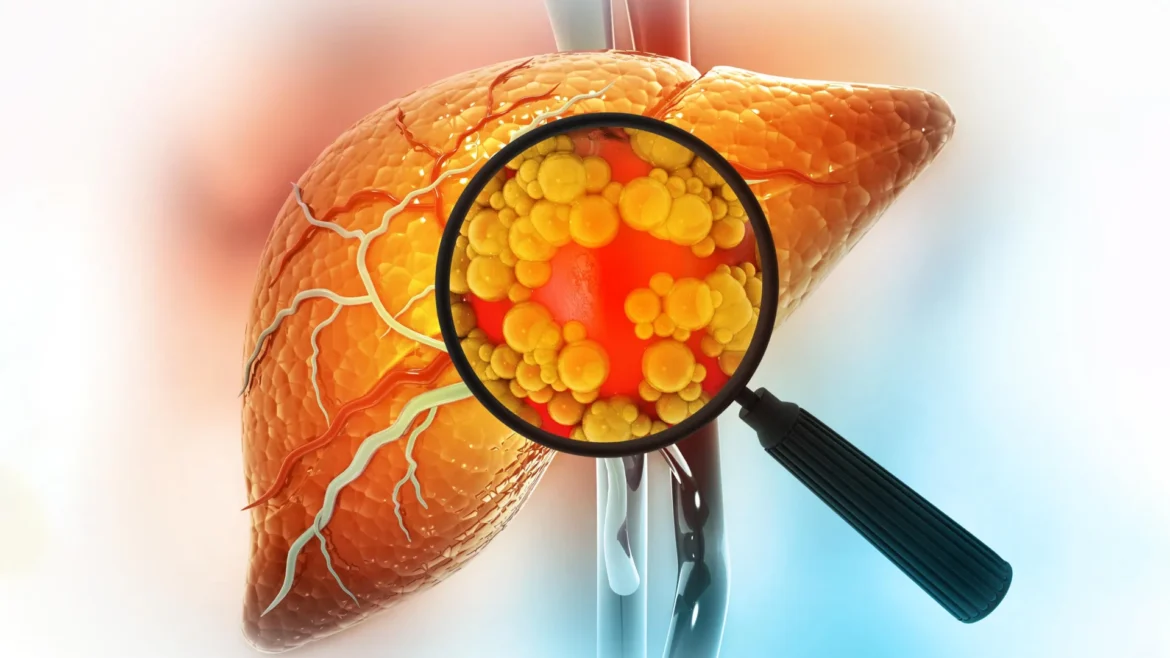
Metabolic dysfunction-associated steatotic liver disease has quietly emerged as one of the most pressing public health crises of the modern era, currently impacting an estimated 40 percent of adult men worldwide. Driven largely by rising rates of obesity, sedentary lifestyles, and shifting nutritional paradigms, the condition—formerly known as non-alcoholic fatty liver disease—begins insidiously with the accumulation of excess fat in the liver, a stage clinically defined as hepatic steatosis. While medical science has long recognized the individual contributions of obesity, type 2 diabetes, hypogonadism, and excessive consumption of refined sugars to this pathology, the intricate molecular synergies between these risk factors have remained poorly understood.
Now, groundbreaking research published in the American Journal of Physiology-Endocrinology and Metabolism sheds new light on a particularly destructive physiological convergence. A team of investigators from the Graduate School of Agriculture has uncovered mechanistic evidence demonstrating that low testosterone levels and high dietary fructose intake act synergistically to accelerate the progression of fatty liver disease. Crucially, the study identifies the gut microbiome as a pivotal mediator in this destructive interplay, paving the way for novel therapeutic interventions and dietary strategies aimed at curbing a global epidemic.
The Chronology of Discovery: From Clinical Observation to Laboratory Bench
The genesis of this recent study lies in the persistent epidemiological overlap between declining endocrine health in aging or metabolically compromised men and the ubiquitous presence of high-fructose corn syrup and added sugars in the Western diet. Historically, clinicians observed that male patients presenting with hypogonadism—clinically low testosterone—frequently exhibited markers of metabolic syndrome, including hepatic fat accumulation. Simultaneously, nutritional epidemiologists repeatedly linked the massive post-World War II surge in fructose consumption from sugary beverages and processed foods to skyrocketing rates of metabolic dysfunction.
Despite these clear observational links, academic researchers lacked a cohesive model explaining how a hormonal deficiency could directly amplify the lipogenic hazards of a specific dietary sugar. To bridge this knowledge gap, a research collective led by graduate student Hiroki Takahashi and Associate Professor Naoki Harada designed a rigorous preclinical study model. Commencing in the early stages of the research cycle, the team selected eight-week-old male murine subjects to isolate the variables of endocrine status, dietary intake, and microbial influence.
The experimental framework was structured to account for multifactorial interference. The researchers divided the subjects into six distinct cohorts to isolate the precise impacts of surgical testosterone depletion via castration versus sham operations, baseline versus high-fructose diets, and the introduction of broad-spectrum antibiotics to disrupt the gut microbiome. Over a carefully monitored developmental timeline, the research group collected comprehensive biological samples, including liver tissues, blood plasma, cecal organic acids, and microbial DNA. By systematically tracking these parameters, the team sought to map out the biochemical pathways through which low testosterone and fructose conspire against hepatic architecture.
Unpacking the Data: A Multi-Pronged Assault on Liver Health
The empirical results of the study painted a striking picture of metabolic vulnerability. When evaluated independently, neither a modest reduction in testosterone nor a controlled high-fructose diet produced catastrophic alterations in hepatic lipid profiles, yielding only minor elevations in liver triglycerides. However, when these two conditions were superimposed upon one another, the resulting pathophysiological shift was dramatic. Mice subjected to both testosterone depletion and high-fructose feeding exhibited significantly heavier livers, accompanied by a massive surge in intrahepatic fat accumulation.
Further analytical depth was achieved through the integration of the antibiotic cohorts. When researchers administered broad-spectrum antibiotics to the castrated, fructose-fed mice, the pathological increase in liver weight was markedly attenuated. This singular finding served as a critical red flag, directing the scientific inquiry away from purely endogenous endocrine pathways and toward the complex ecosystem of the gastrointestinal tract.
Metabolomic profiling of the cecum revealed that the dual burden of low testosterone and fructose profoundly reshaped the composition of the gut microbiome. This microbial dysbiosis was accompanied by notable shifts in liver gene expression and a significant accumulation of pyruvate within the cecal environment. Pyruvate, a fundamental intermediate product of cellular metabolism and glycolysis, emerged from the data not merely as a bystander, but as an active conspirator in the pathogenesis of hepatic fat storage.
Microbial Mechanisms and Cellular Synergies
To decipher how altered gut flora and elevated intestinal pyruvate translated into localized liver damage, the investigators conducted downstream cellular assays using mouse-derived primary hepatocytes. This phase of the investigation provided the mechanistic anchor that tied the disparate findings together.
According to Takahashi, the altered microbial communities resulting from the hormonal and dietary insults led to an overproduction of pyruvate within the intestine. When the research team exposed isolated liver cells to this specific biochemical environment, they observed that pyruvate did not act in isolation. Instead, it engaged in a powerful biological collaboration with fructose.
In laboratory settings, the presence of pyruvate and fructose synergistically supercharged neutral lipid accumulation within the hepatocytes. This cooperative mechanism suggests that the gut-liver axis plays a decisive role in regulating lipid metabolism under conditions of hormonal distress. Rather than simply absorbing nutrients, a dysregulated microbiome actively generates metabolic byproducts that, when combined with circulating dietary sugars, trigger runaway fat synthesis in the liver. The implications of this discovery extend far beyond basic murine biology, offering a plausible explanation for why certain individuals with metabolic risk factors experience rapid disease progression while others remain stable.
Expert Perspectives and Broader Implications
The publication of these findings has drawn analytical praise from the broader endocrinology and gastroenterology research communities, who view the study as a crucial step toward demystifying the multifactorial nature of metabolic liver disease. While academic bodies and institutional spokespersons are careful to note that findings derived from animal models must be interpreted with caution before broad clinical translation, the conceptual framework established by Takahashi and Harada opens vital new avenues for therapeutic development.
Medical professionals note that current management strategies for metabolic dysfunction-associated steatotic liver disease rely heavily on lifestyle modifications, weight loss, and the management of comorbid conditions such as type 2 diabetes and hypertension. Pharmacological options remain limited, and no single drug has emerged as a universal cure for early-stage hepatic steatosis. By identifying the gut-derived metabolite pyruvate and its synergistic relationship with fructose as key drivers of lipid accumulation, the study points toward highly specific, actionable targets for future pharmacological intervention.
Furthermore, the research underscores the growing clinical appreciation for hormone replacement and metabolic optimization in aging male populations. As global demographics shift toward an older society, the prevalence of late-onset hypogonadism is climbing. When coupled with modern dietary habits characterized by high consumption of processed foods and added sugars, millions of men may unwittingly find themselves positioned within the high-risk demographic identified by the Japanese research team.
Future Directions: Dietary Interventions and Novel Therapeutics
Looking ahead, the research team at the Graduate School of Agriculture is wasting no time in translating their foundational discoveries into tangible clinical applications. Professor Naoki Harada outlined the laboratory’s upcoming milestones, emphasizing a dual-pronged approach focused on both pharmaceutical development and nutritional science.
"Going forward, we hope to clarify the mechanism by which pyruvate promotes triglyceride accumulation to pioneer the development of therapeutic drugs and establishment of preventive methods through dietary interventions," Harada stated.
This forward-looking agenda suggests several potential pathways for future healthcare strategies. On the pharmacological front, drug developers may soon begin investigating targeted inhibitors that block the synergistic lipogenic pathways activated by pyruvate and fructose within hepatic tissue. Simultaneously, clinical dietitians could utilize these insights to design specialized nutritional protocols tailored for patients with low testosterone or metabolic syndrome—protocols that specifically restrict fructose loading while aiming to restore a healthy gut microbiome through targeted prebiotics, probiotics, or dietary fiber adjustments.
As the scientific community continues to unravel the complex biochemical cross-talk connecting endocrine health, dietary intake, and the microbiome, studies like this one illuminate the path forward. By moving past the simplistic view of fatty liver disease as merely a consequence of overeating, researchers are uncovering the intricate molecular machinery of metabolism. In doing so, they bring modern medicine one step closer to comprehensive, personalized solutions for one of the twenty-first century’s most formidable metabolic challenges.
