

The global consumer electronics market is currently undergoing a significant shift as inflationary pressures and environmental concerns push more shoppers toward the secondary market. As the cycle of annual flagship smartphone releases continues to dominate the industry, the "refurbished" category has evolved from a niche discount option into a mainstream retail powerhouse. By opting for certified pre-owned devices, consumers are not only achieving substantial cost savings—often ranging from 20% to 50% off original retail prices—but are also participating in a circular economy that significantly reduces electronic waste.
The Evolution of the Refurbished Electronics Market
Historically, the secondary electronics market was characterized by a "buyer beware" atmosphere, dominated by peer-to-peer marketplaces where quality control was non-existent. However, the last decade has seen a maturation of the industry. Major manufacturers including Apple, Samsung, and Google have formalized their own "certified refurbished" programs. These initiatives serve a dual purpose: they allow companies to recapture value from trade-ins and returns while providing a lower barrier to entry for budget-conscious consumers who still demand the reliability of a factory-backed warranty.
Industry analysts note that the rise of third-party marketplaces such as BackMarket, Swappa, and Amazon Renewed has standardized the grading process. These platforms utilize rigorous testing protocols, ensuring that devices undergo diagnostic checks, battery health verification, and cosmetic restoration before being listed for sale. This professionalization of the refurbishing process has effectively bridged the trust gap that previously kept many consumers tethered to brand-new inventory.

Understanding the Lifecycle and Value Proposition
A key driver of the refurbished boom is the flattening of technological innovation. A decade ago, a two-year-old smartphone was considered functionally obsolete. Today, the iterative nature of mobile tech means that a device released in 2024 offers performance levels that remain highly competitive in 2026. Processors, camera modules, and display technology have reached a plateau where the jump between generations is often measured in marginal gains rather than revolutionary shifts.
Furthermore, software support lifecycles have been extended. With major manufacturers now promising up to seven years of security and operating system updates, a refurbished phone purchased today remains a viable, secure, and performant tool for the foreseeable future. This longevity allows consumers to bypass the "new model" premium while maintaining access to the latest software ecosystems.
Chronology of Market Adoption
The shift toward secondary tech can be mapped through several distinct phases:
- 2015–2018: The emergence of specialized refurbishing companies. During this period, the focus was on scaling operations and establishing basic quality assurance standards.
- 2019–2021: The "Right to Repair" movement gains traction. Legislative pushes in the United States and the European Union highlight the environmental impact of planned obsolescence, prompting more consumers to view repair and refurbishment as a moral and economic imperative.
- 2022–2024: Global supply chain disruptions force a pivot. As new hardware availability fluctuates, refurbished units become the primary alternative for consumers unable to secure the latest models.
- 2025–Present: The normalization of the "Renewed" label. Major retailers integrate refurbished inventory directly into their primary storefronts, signaling full institutional acceptance.
Economic and Environmental Impact
The environmental stakes are high. According to the Global E-waste Monitor, the world generates over 60 million metric tons of electronic waste annually. Refurbishing a smartphone or laptop keeps these devices out of landfills and reduces the demand for rare-earth metals—such as cobalt, lithium, and gold—required for new hardware production.
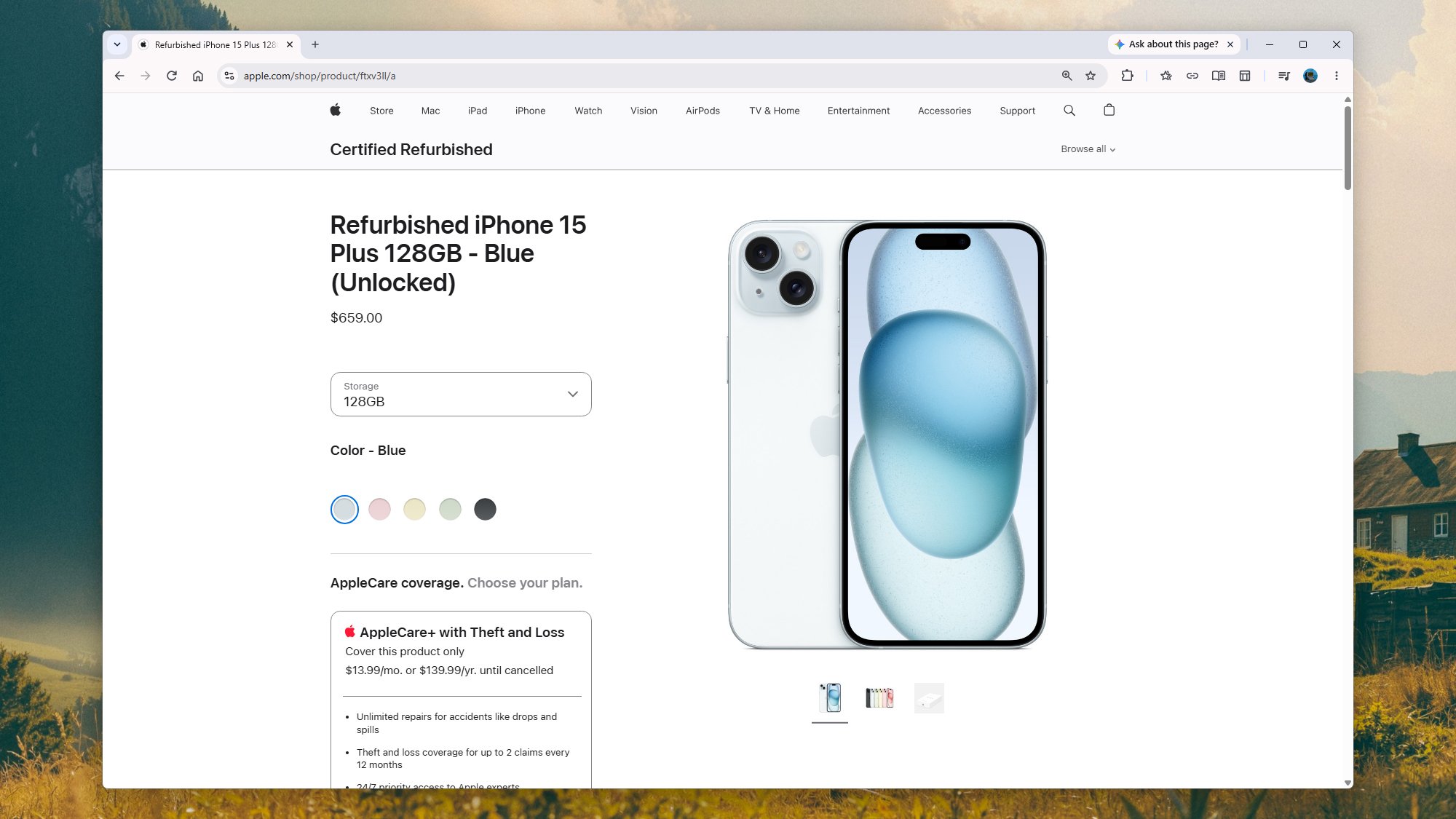
From an economic perspective, the secondary market acts as a buffer against volatile retail pricing. When a new flagship device hits the market at a premium price point, the supply of high-quality, one-year-old models in the refurbished market increases. This creates a natural downward pressure on pricing, benefiting consumers who are willing to wait a few months after a product launch to secure a "like-new" device at a significantly reduced rate.
Best Practices for Navigating the Marketplace
For those looking to enter the refurbished market, due diligence remains essential. The following strategies are recommended for securing a high-quality unit:
- Prioritize Official Certified Programs: If budget permits, purchasing directly from the manufacturer (e.g., Apple’s Certified Refurbished store) remains the gold standard. These units often come with new outer shells and batteries, and they carry the same warranty coverage as brand-new products.
- Understand Grading Systems: Marketplaces utilize various grading tiers—typically labeled as "Excellent," "Good," or "Fair." "Excellent" usually implies no visible wear, while "Fair" may feature minor cosmetic scratches that do not affect internal performance.
- Evaluate Warranty Coverage: A reputable seller will provide a minimum of a 90-day warranty, though 12 months is becoming the industry standard. Always verify whether the warranty is provided by the platform or a third-party vendor.
- Check Return Policies: Flexibility is key. Ensure that the vendor offers a "no-questions-asked" return window of at least 30 days to account for potential latent defects that might not appear in initial testing.
Expert Analysis and Future Outlook
Industry observers suggest that the refurbished market will continue to capture a larger share of total electronics sales. As consumer awareness regarding the environmental footprint of "fast tech" grows, the stigma associated with pre-owned hardware is rapidly dissipating.
"We are moving toward a subscription-like ownership model where the device’s secondary market value is baked into the initial purchase price," notes one industry analyst. "Manufacturers who embrace this by offering seamless trade-in and refurbishment pathways are positioning themselves to retain customer loyalty across multiple product cycles."

While the allure of a brand-new, shrink-wrapped device remains powerful, the data suggests that for the vast majority of users, the performance delta between a new and a refurbished model is negligible. By moving away from the cycle of annual upgrades, consumers can allocate their capital toward more meaningful investments while simultaneously contributing to a more sustainable tech landscape. Whether it is a smartphone, a high-performance laptop, or a gaming console, the refurbished sector offers a proven, cost-effective, and environmentally responsible pathway to modern technology.
As we look toward the next several years, the integration of AI and advanced diagnostic tools in the refurbishment process will likely further improve the quality and reliability of these devices. Consumers are encouraged to remain vigilant, compare warranties, and utilize trusted platforms, ensuring that their next upgrade is not only smart for their wallet but also sound for the planet.
