
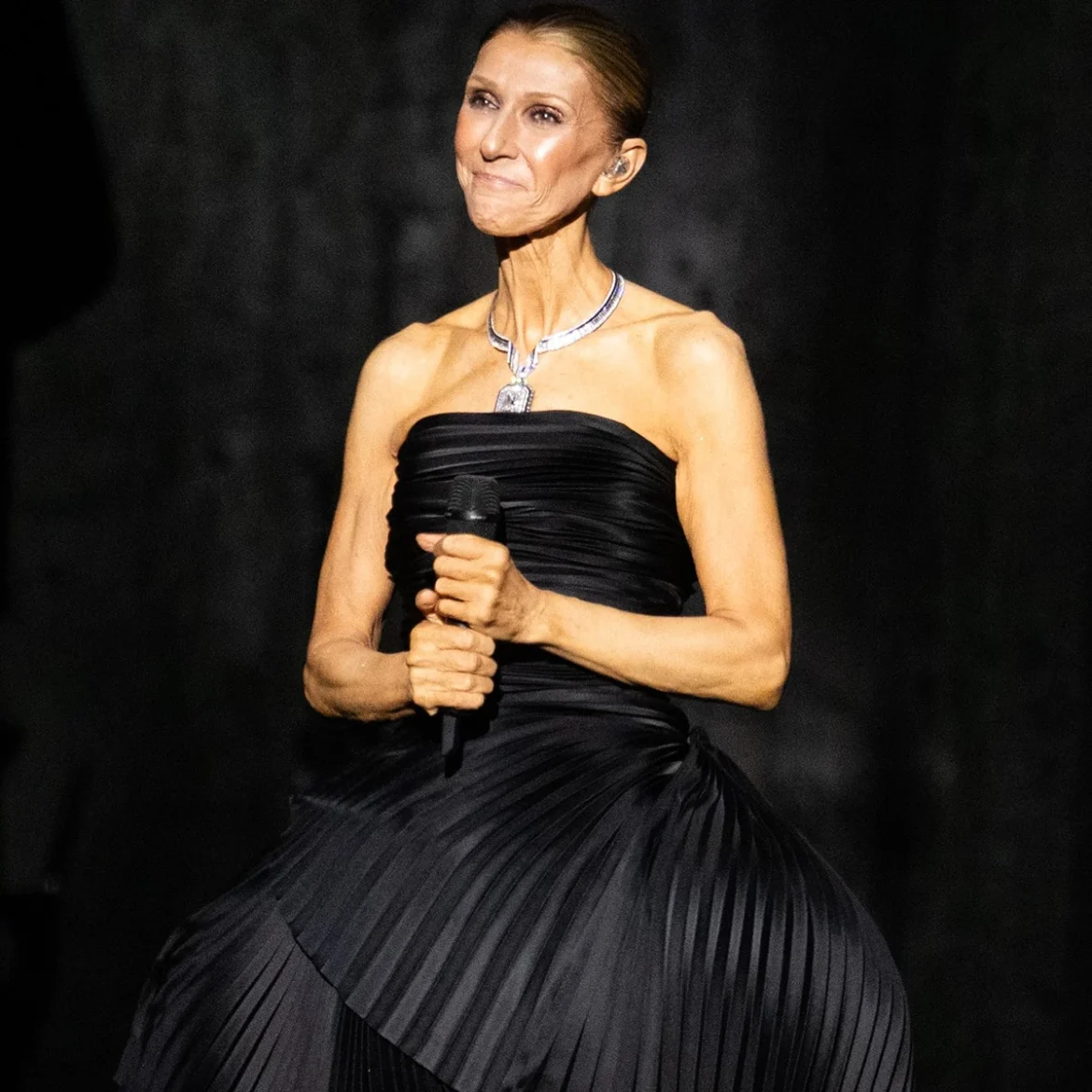
The global music icon Celine Dion made a triumphant and emotionally charged return to the stage on September 12, marking the commencement of a 16-show residency at the Plenitude Arena in Paris. This performance signifies her first full-scale concert engagement since 2022, a period defined by a grueling medical journey and a profound, public battle with Stiff Person Syndrome (SPS). Addressing a crowd of 35,000 fans, the Grammy-winning artist acknowledged the turbulent path that led to her residency, characterizing the past few years as a "rocky" road marked by uncertainty and the persistent hope for a return to the stage.
A Triumphant Return to the Paris Stage
The atmosphere at the Plenitude Arena was electric, as fans witnessed a milestone that many feared might never come. Opening her set with the poignant track "On ne change pas" (We don’t change), Dion was visibly moved, struggling to maintain her composure as she addressed the audience. "I had promised myself not to cry," she confessed. "But I’m so happy to see you all. I missed you. I’m going to sing like you without crying."
Her remarks underscored the deep bond between the singer and her international fanbase. She reflected on the long, unplanned hiatus that forced her to step away from the global spotlight in 2022. "The journey was longer than expected, with unplanned stops along the way. But I hung in there," she told the audience. "A faint ray of light in the distance, deep in the mountains. I believed in it. And here it is. The sun is here."
Understanding Stiff Person Syndrome
Dion’s hiatus was precipitated by a diagnosis of Stiff Person Syndrome, a rare, progressive neurological disorder that affects the central nervous system. According to the National Institutes of Health (NIH), the condition is characterized by muscle rigidity and severe, painful spasms that can be triggered by external stimuli such as loud noises, physical touch, or emotional stress.
For an artist whose career is predicated on physical performance and vocal exertion, the diagnosis presented a significant existential challenge. The condition causes the body to stiffen, potentially leading to falls and mobility issues. In December 2022, Dion took the rare step of announcing her diagnosis publicly to provide clarity to her fans regarding the cancellation of her "Courage" world tour. Since then, she has been an advocate for transparency, documenting her rehabilitation process and the reality of living with a chronic, misunderstood illness.
A Chronology of Challenges and Resilience
The trajectory of the last four years has been a documented struggle for the performer, who has balanced professional aspirations with the realities of chronic illness:
- 2020–2022: The COVID-19 pandemic necessitated the initial pause of the "Courage" tour. However, as the world reopened, persistent health issues—initially described as severe muscle spasms—prevented her from resuming.
- December 2022: The official announcement of her Stiff Person Syndrome diagnosis, followed by the cancellation of her European tour dates.
- April 2023: Despite her health challenges, Dion contributed music to the soundtrack of the feature film Love Again, marking her first musical output during the hiatus.
- October 2023: A significant public appearance at a Las Vegas Golden Knights hockey game served as a reassuring sign of progress, where she was seen interacting with fans and even singing briefly for the team.
- February 2024: Dion made a surprise appearance at the 66th Annual Grammy Awards to present the Album of the Year award. Her presence was met with a standing ovation, symbolizing her enduring status in the music industry.
- June 2024: The release of the documentary I Am: Celine Dion, directed by Irene Taylor, provided an intimate look at the physical toll of her condition and her rigorous therapy regimen.
- July 2024: A spectacular performance of Edith Piaf’s "Hymne A L’Amour" at the Paris Olympics Opening Ceremony served as a formal return to high-stakes live performance.
Rigorous Rehabilitation and Medical Management
Dion’s recovery has been characterized by an athletic approach to physical therapy. In interviews, she has likened her rehabilitation to the training of an elite athlete, noting that she undergoes vocal and physical therapy sessions five days a week. This discipline is essential for managing the symptoms of SPS, which can otherwise lead to a total loss of mobility.
Her medical team has utilized a multidisciplinary approach, combining physical therapy, speech therapy, and pharmacological interventions to mitigate the frequency and severity of her spasms. In a 2024 interview with Vogue France, Dion noted, "Either I train like an athlete and work super hard, or I switch off and it’s over." This binary perspective has driven her commitment to returning to the stage, not merely for her career, but for her personal sense of purpose.
The Impact of Fan Support
Throughout her journey, Dion has consistently emphasized the role of her fans in her recovery. Her residency, which she described as a "birthday gift" to herself upon turning 58, is as much a testament to her supporters as it is to her own resolve. The logistical success of the Paris residency suggests that the demand for her work remains at an all-time high, with ticket sales for the 16-show run selling out in record time.
The emotional resonance of her performances is underscored by her history of signature ballads, including "My Heart Will Go On" and "Because You Loved Me." Her ability to deliver these tracks live, after years of fearing the loss of her voice to the disease, has redefined her legacy from that of a global pop star to a symbol of resilience in the face of debilitating illness.
Industry and Medical Implications
The public nature of Dion’s journey has had a measurable impact on the awareness of Stiff Person Syndrome. Medical organizations have noted an uptick in interest regarding rare autoimmune and neurological conditions following the singer’s public disclosures. By documenting her struggle, Dion has effectively humanized the condition, moving it from a clinical definition to a lived experience.
From a music industry perspective, Dion’s successful return highlights the evolving nature of live performances for legacy artists. Her approach—prioritizing health and pacing her commitments—may serve as a model for other high-profile performers dealing with long-term health complications. The "residency" format, which minimizes the physical strain of constant travel and touring, has proven to be a sustainable vehicle for her return to the stage.
Looking Toward the Future
As the Paris residency continues, the focus remains on the sustainability of her performance schedule. While the singer has not yet announced future global tour dates, the success of the current residency indicates that the demand for her work is robust. Her team has maintained a cautious approach, prioritizing her health over the potential for an extensive global tour.
The broader implication of this period is a shift in how the public perceives the aging and health of pop culture icons. Celine Dion’s refusal to be defined by her diagnosis has resonated across demographics, turning her medical challenges into a narrative of empowerment. As she continues her performances, the focus remains on the voice that has defined a generation, now bolstered by a narrative of survival.
In her own words during the opening night in Paris, she remains grounded by the support of her audience. "I am everything I am because you loved me," she stated, referencing her iconic lyrics. For the millions of fans who have followed her journey, the return of Celine Dion to the stage is not just a musical event; it is a profound validation of her resilience and a testament to the enduring power of the human spirit in the face of insurmountable odds.
