
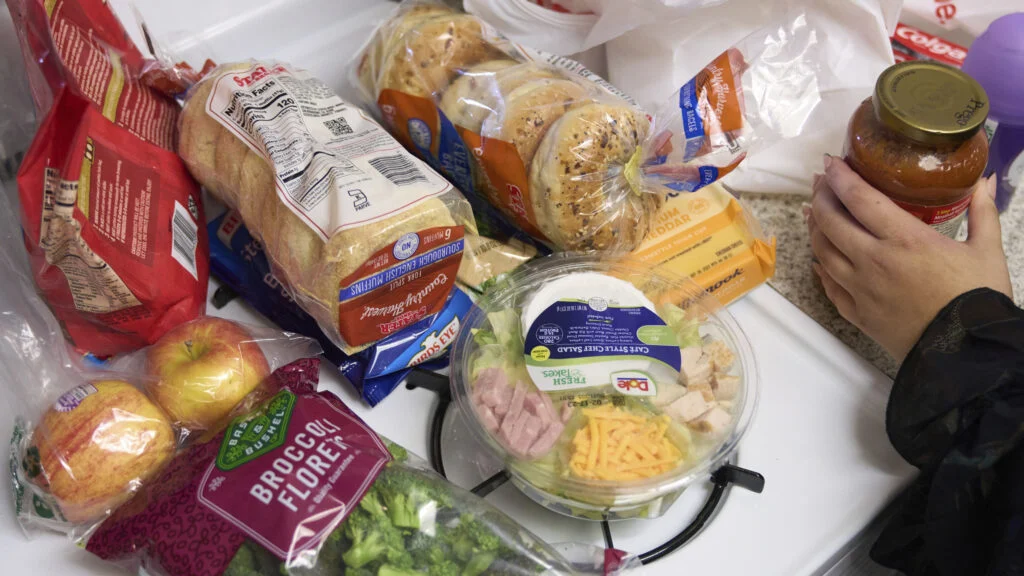
As the most significant reduction in the Supplemental Nutrition Assistance Program (SNAP) in American history takes hold, a quiet but profound crisis is unfolding across the nation’s child welfare systems. Federal data and recent legislative analysis confirm that approximately 1.5 million children have been stripped of vital food assistance since the implementation of the H.R. 1 budget reconciliation law. While the immediate impact is measured in empty plates and household food insecurity, experts from the National Center for Youth Law, including Executive Director Sandy Santana and Senior Director of Child Welfare Kristen Weber, warn that the repercussions extend far deeper. The systemic removal of material support is inadvertently triggering a rise in child protective services (CPS) interventions, as poverty-related hardship is increasingly being misinterpreted as parental neglect.
The Legislative Catalyst: H.R. 1 and the Erosion of the Safety Net
The legislative foundation for this current crisis was laid in 2025 with the passage of the budget reconciliation act, H.R. 1. This sweeping fiscal policy mandate targeted a $187 billion reduction in SNAP spending over the next eight years. By tightening eligibility requirements and capping federal contributions to state-administered programs, the legislation effectively dismantled the nutritional safety net for millions of low-income families.
The rollout of these cuts began in earnest in July 2025. Between that month and April 2026, the cumulative effect resulted in roughly 5 million Americans losing access to food assistance. Because children constitute nearly 40% of the SNAP recipient population despite representing only 20% of the general U.S. population, the burden of these cuts has fallen disproportionately on the most vulnerable. Arizona has emerged as the epicenter of this policy shift, with nearly 180,000 children—roughly half of the state’s previously enrolled youth—now disqualified from receiving benefits.
Poverty vs. Neglect: The Conflation of Hardship
The core of the issue lies in the historical and administrative tendency of the American child welfare system to conflate the effects of systemic poverty with parental neglect. Under the current legal and social service framework, a lack of food, stable housing, or electricity can be documented by investigators as evidence of a caregiver’s failure to provide for a child’s basic needs.
Data suggests that this administrative overlap creates a circular punishment: the government reduces the financial resources necessary for a family to thrive, and then utilizes the state’s coercive powers to intervene when those families inevitably struggle to meet federal definitions of "adequate" care.
A longitudinal study conducted in Illinois over a seven-year period provides a chilling look at this correlation. Researchers found that regions experiencing high rates of food insecurity consistently mirrored spikes in child maltreatment investigations. Nationally, federal data from the Administration for Children and Families (ACF) reveals that 63% of children identified in credible maltreatment claims were flagged for neglect alone, with no evidence of physical, sexual, or emotional abuse. More than 50% of the caregivers involved in these investigations live below the federal poverty line, and 60% of them were previously enrolled in SNAP or EBT programs.
The Chronology of a Mounting Crisis
The trajectory of this crisis can be traced through a series of key milestones following the passage of H.R. 1:
- Early 2025: Intense legislative debate surrounding H.R. 1 culminates in its passage, prioritizing debt reduction over domestic social spending.
- July 2025: Official implementation of the first phase of SNAP cuts begins, causing immediate ripple effects in state-run nutritional programs.
- Late 2025: Initial reports from state child welfare agencies begin to show an uptick in "neglect-only" investigations, particularly in rural districts where access to non-governmental food banks is limited.
- Q1 2026: National data analysis reveals the depth of the cuts, with Arizona reporting that 50% of its child SNAP beneficiaries have lost coverage.
- September 2026: Advocacy groups and policy experts formalize their warnings that the current trend is leading to an unsustainable surge in foster care placements, driven by economic deprivation rather than household violence.
Implications for Child Development and Long-Term Outcomes
The health implications for children facing food insecurity are well-documented. Research published in the journal Nutrients and by the National Institutes of Health (NIH) indicates that access to SNAP is a critical protective factor against developmental delays, behavioral disorders, and poor academic performance. Children who receive consistent nutritional support demonstrate higher resilience and improved emotional health.
Conversely, the trauma of unnecessary CPS investigation and family separation is profound. The removal of a child from their home—often because a parent could not afford to put food on the table—can result in lifelong psychological damage. Public health experts have consistently argued that providing material support is significantly more cost-effective and humane than the alternative: managing the fallout of family dissolution and the subsequent costs of foster care maintenance.
Official Responses and Policy Perspectives
The policy debate remains deeply polarized. Proponents of the H.R. 1 cuts argue that strict eligibility requirements are necessary to maintain the long-term fiscal health of the federal government and to encourage workforce participation. They contend that the welfare system should be a temporary bridge rather than a permanent support mechanism.
However, advocates for children’s rights argue that this perspective ignores the reality of low-wage labor and the rising cost of living. They point to clear, empirical evidence: states that have historically expanded access to SNAP benefits have recorded lower rates of CPS investigations and fewer substantiated reports of neglect. These states demonstrate that when families are empowered with resources, the need for state intervention in the home drops significantly.
Future Outlook: A Call for Policy Reform
The current data suggests that the child welfare system is becoming bloated with cases of "poverty-related neglect," making it increasingly difficult for social workers to identify and respond to cases of actual, high-risk child abuse. By diverting resources away from food security and into surveillance and investigation, the system is essentially prioritizing the management of poverty over the prevention of suffering.
The call from organizations like the National Center for Youth Law is for a pivot toward "material support as child protection." The argument is that if the national goal is to keep children safe, healthy, and within their own homes, the most effective tool is a robust safety net. This requires a shift in legislative priority—moving away from the coercive, punitive model of child welfare and toward one that recognizes that children’s safety is inextricably linked to the economic stability of their families.
As the 2026 fiscal year progresses, policymakers are being urged to reconsider the long-term impacts of the H.R. 1 cuts. With over 1.5 million children now lacking guaranteed food assistance, the window to prevent further family separation and trauma is closing. The choice is a stark one: continue to treat poverty as a moral failing punishable by state intervention, or recognize that feeding children is the most fundamental step in protecting them. Without a shift in policy, the cycle of poverty, state surveillance, and family separation is likely to deepen, leaving a generation of children to bear the costs of a budget-driven crisis.