

The legal saga surrounding the five men accused of orchestrating the September 11, 2001, terrorist attacks has devolved into a morass of procedural delays, constitutional challenges, and logistical failures that now span a quarter-century. As the nation reflects on the 25th anniversary of the tragedy, the military commissions at Guantanamo Bay remain stuck in a state of suspended animation, leaving victims’ families in a perpetual state of uncertainty.
A Tentative Date Amid Legal Obstacles
A military judge has tentatively scheduled the trial of alleged 9/11 mastermind Khalid Sheikh Mohammed and three co-defendants for June 5, 2028. This date, nearly 27 years after the deadliest terrorist attack in American history, is far from certain. The legal landscape is shifting beneath the feet of the prosecution, most notably due to a recent ruling that bars the use of statements Mohammed made to FBI agents in 2007. The judge determined these statements were inextricably linked to the torture Mohammed endured while in CIA custody, rendering them inadmissible.
The government’s decision not to appeal this ruling highlights a desperate attempt to avoid further delays, yet it underscores the fundamental weakness of the prosecution’s case. If the trial begins in 2028, it will occur 16 years after the defendants were formally arraigned in 2012, and two decades after the initial investigations began.
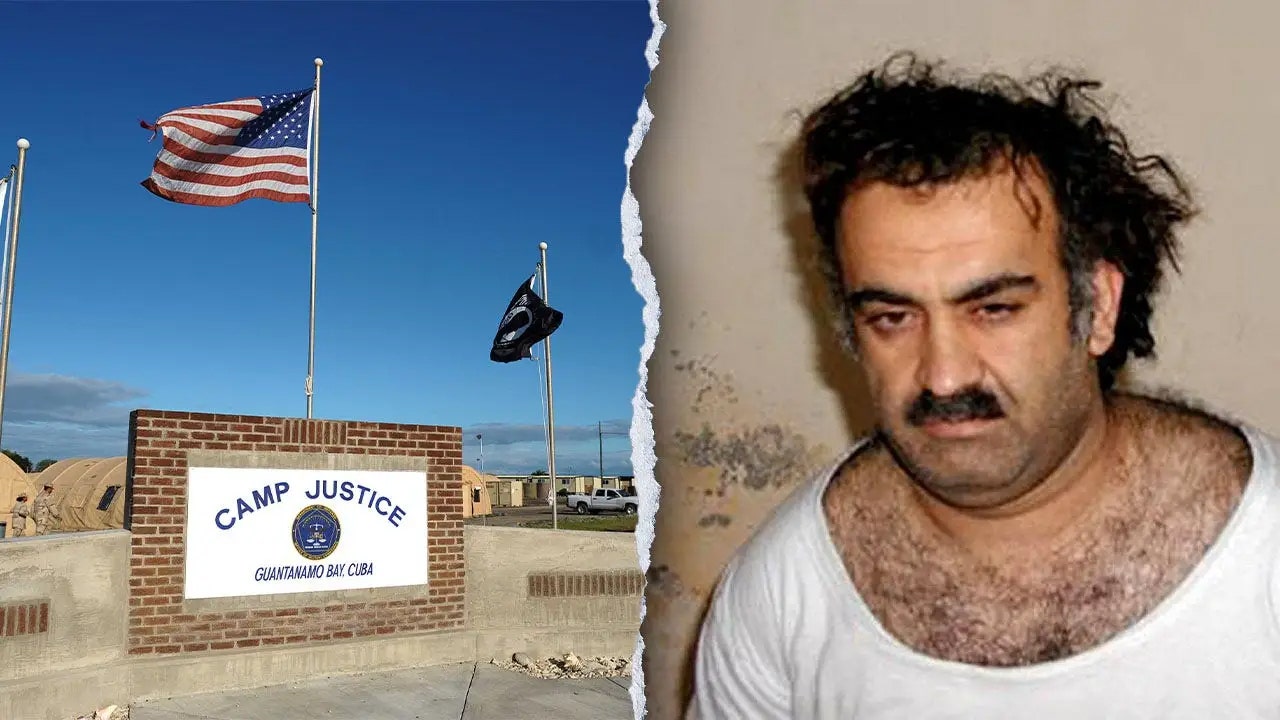
The Human Cost of Delay
For those who lost loved ones, the judicial stalemate is more than a legal technicality; it is a profound failure of the American justice system. John Ryan, a former chief of department with the Port Authority Police who led recovery efforts at Ground Zero for nine months, describes the situation as an "open sore."
"It gets even more hurtful when we get to anniversaries," Ryan told reporters. "Here we are 25 years later, and I’m still involved in this aspect of that here because we still have not convicted or taken to justice the five people that are being held at Guantanamo Bay. The planners, KSM and the others that are in custody, are awaiting trial."
Ryan’s sentiment is echoed by many others. Sean Passananti, who lost his father on the 100th floor of the North Tower, speaks of a "twilight zone" where the scale of the crime—the murder of nearly 3,000 innocents—is seemingly decoupled from the legal response. "It feels really like a twilight zone and unbelievable that we have to fight for justice for the worst terrorist attack that ever happened on our soil," Passananti said.
Chronology of a Stalled Prosecution
The timeline of this case is marked by failed strategies, shifting venues, and constant turnover.

- 2001: The September 11 attacks occur, killing 2,977 people.
- 2003: Khalid Sheikh Mohammed is captured in Pakistan. He is subsequently held in secret CIA "black sites" and subjected to enhanced interrogation techniques, including waterboarding.
- 2006: The defendants are transferred to the detention facility at Guantanamo Bay.
- 2009: The Obama administration announces plans to try the defendants in federal court in Manhattan. The plan is abandoned following intense political and security-related opposition.
- 2012: The defendants are arraigned before a military commission at Guantanamo.
- 2024: A plea agreement, which would have seen the defendants accept life sentences in exchange for avoiding the death penalty, is rejected by Secretary of Defense Lloyd Austin.
- 2026: A judge rules that Mohammed’s 2007 statements to the FBI are inadmissible due to previous torture.
- 2028: The current, tentative date for the commencement of trial.
The "Clean Team" and Evidence Integrity
The central legal hurdle in the case has always been the admissibility of evidence obtained after the defendants were subjected to coercive interrogations. Prosecutors attempted to utilize "clean teams"—groups of FBI agents who were not involved in the original CIA interrogations—to gather statements from the defendants that would be legally admissible in court.
However, defense attorneys have consistently argued that these statements are "fruit of the poisonous tree," contending that the psychological impact of the initial torture cannot be severed from subsequent interviews. The recent exclusion of the 2007 statements suggests that the judiciary is increasingly skeptical of the government’s ability to "sanitize" evidence gathered in the wake of systemic state-sanctioned abuse.
Broader Implications and Institutional Failure
The failure to bring this case to a conclusion has significant implications for both the American judicial system and the victims’ families. The financial cost of the detention center has ballooned into the hundreds of millions of dollars, yet it has failed to produce a single verdict in the 9/11 case.
Furthermore, the case has moved through five different military judges since 2012. Each transition necessitates a new learning curve for the bench, further dragging out proceedings. This turnover, combined with the COVID-19 pandemic and the abrupt withdrawal of plea deals, has led to a perception of administrative incompetence.
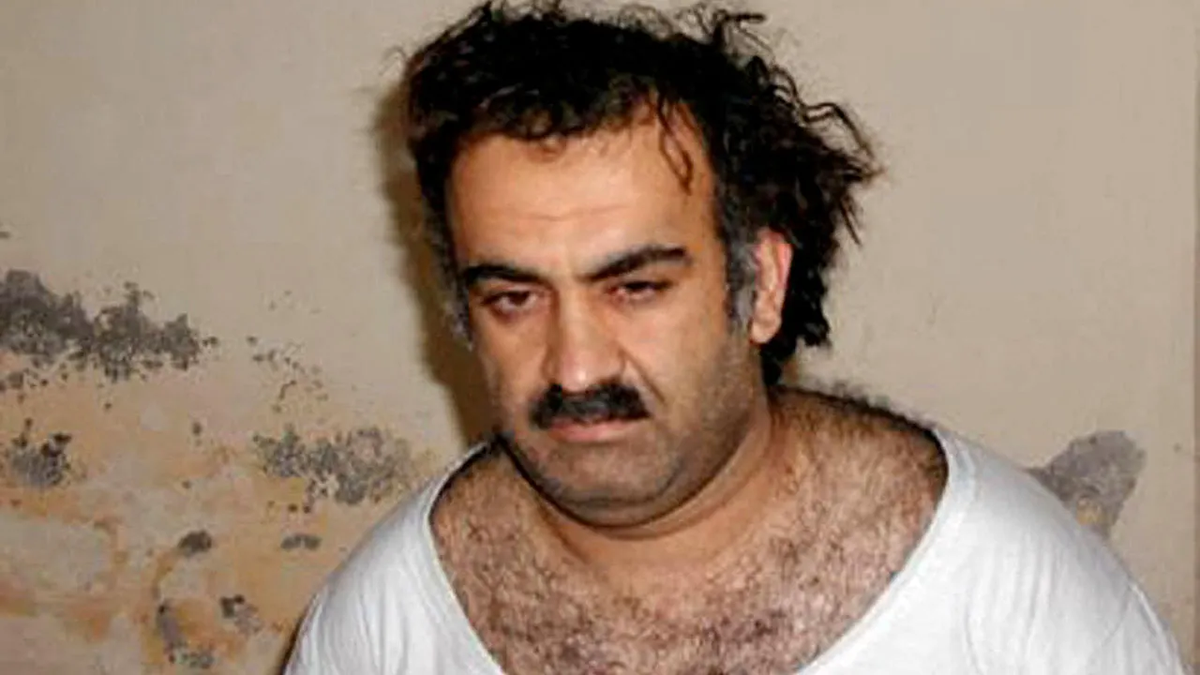
Dennis McGinley, whose brother Danny died in the South Tower, argues that the situation has moved beyond a legal tragedy into an "American embarrassment." He points to the need for executive intervention to finally close this chapter. "President Trump has a unique, historic opportunity here to be a hero, be our champion, finally close the books on this American nightmare," McGinley said.
The Interplay with Civil Litigation
While the military commission focuses on the criminal culpability of the individuals held at Guantanamo, it exists in a parallel universe to the civil litigation currently being pursued by 9/11 families against the Kingdom of Saudi Arabia.
The civil cases seek to establish whether Saudi government agents provided material support to the hijackers who settled in the U.S. prior to the attacks. While the criminal trial at Guantanamo is strictly limited to the charges against the five detainees, the civil cases have the potential to reveal a broader web of accountability that the military commission has largely ignored or been unable to address. The intersection of these two proceedings creates a complex environment where families feel they are fighting a multi-front war for information and accountability.
Generational Trauma
The passage of 25 years has fundamentally altered the demographics of those seeking justice. The children who were toddlers when the planes hit the towers are now adults. Parents who were in their prime when they lost their children are now aging, some passing away without ever seeing the judicial process come to a close.

John Ryan emphasizes that the system was never intended for such a protracted timeline. "Our justice system isn’t designed to work that late," he noted. "It’s designed to produce justice in a fair time. And the emphasis needs to be on the victims as opposed to the five enemy combatants."
As the clock ticks toward 2028, the prevailing mood among those most affected is one of grim resignation. They are no longer waiting for a swift resolution; they are waiting to see if a resolution is even possible. The 9/11 military commission stands as a testament to the dangers of attempting to reconcile national security imperatives with the traditional requirements of due process—a conflict that has resulted in a quarter-century of silence, uncertainty, and grief.
