
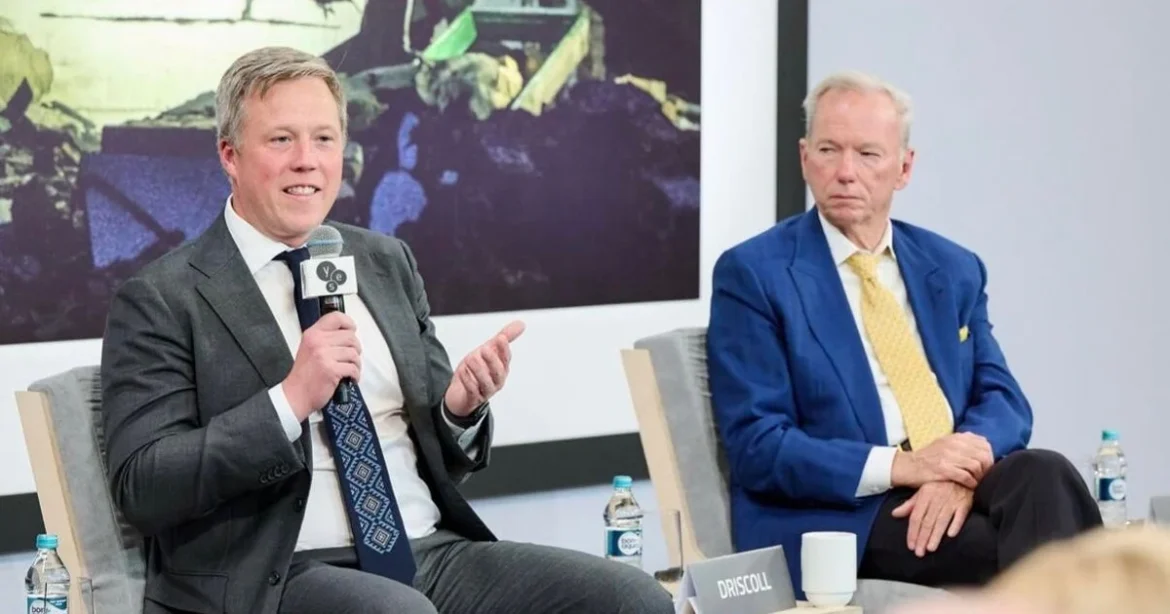
Former Secretary of the Army Dan Driscoll delivered a stark warning regarding the future of global conflict during his first public appearance since departing from the administration. Speaking in Kyiv, Ukraine, Driscoll addressed an audience of international ministers, military generals, and legislators at the Yalta European Strategy forum, an annual conference organized by the Victor Pinchuk Foundation to shape Ukraine’s integration into Western security architectures. Driscoll asserted that the world’s premier military powers are failing to adapt to the rapid technological evolution defining modern warfare.
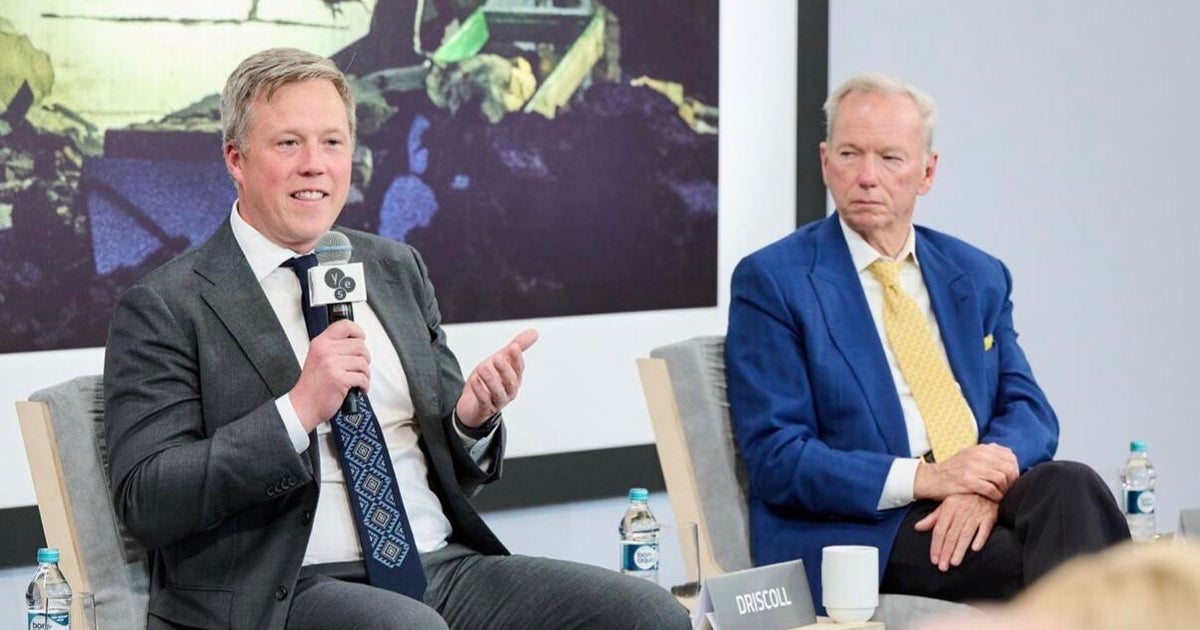
Wearing a tie embroidered with a traditional Ukrainian pattern, Driscoll shared the stage with Eric Schmidt, former Google CEO and current head of Perennial Autonomy, an American defense technology firm operating extensively in Ukraine. CNN host Fareed Zakaria moderated the high-profile discussion on the second day of the conference. Driscoll’s remarks centered on the urgent need for legacy militaries to modernize their procurement, embrace agile software development, and integrate artificial intelligence at a pace matching modern battlefield realities.
The Superiority of Ukrainian Tech and the DELTA Platform
A central theme of Driscoll’s address was the remarkable ingenuity displayed by Ukrainian engineers and soldiers in out-innovating a vastly larger adversary. Driscoll specifically highlighted "DELTA," a sophisticated Ukrainian software ecosystem that aggregates real-time data from radars, electronic warfare systems, frontline sensors, and individual combatants to provide a comprehensive, unified tactical picture of the battlefield.
According to Driscoll, the DELTA platform surpasses any comparable technology currently deployed by the United States military. As Ukraine continues to secure increased computing power and expands its domestic artificial intelligence capabilities, Driscoll argued that the nation possesses a distinct window of opportunity to outrun, out-innovate, and ultimately outmaneuver Russian forces.
This sentiment was echoed by Eric Schmidt, who emphasized the stark contrast between the iterative, scrappy nature of Ukrainian defense production and the lumbering bureaucracy of traditional Western defense primes. The discussion highlighted a massive discrepancy in industrial output: while the United States is projected to procure approximately 300,000 drones in 2026, Ukrainian domestic manufacturing is scaling toward an astonishing 7 million to 10 million drones annually. Former CIA Director David Petraeus, speaking from the audience during the session, reinforced these figures, noting that Kyiv’s production capabilities continue to exceed conservative Western estimates.
Background and Context: Driscoll’s Departure and Administrative Tensions
Driscoll’s appearance in Kyiv arrives on the heels of a turbulent departure from Washington. An Iraq War veteran, former venture capitalist, and close confidant of Vice President JD Vance—whom he met while studying at Yale Law School—Driscoll served an 18-month tenure as Secretary of the Army. During his time in office, he actively spearheaded initiatives to realign American military doctrine with hard-earned lessons from the war in Ukraine, including the rollout of sweeping procurement reforms in January designed to accelerate the delivery of cutting-edge armaments to frontline soldiers.
However, his tenure was cut short amid mounting friction within the defense establishment. On August 31, the White House announced Driscoll’s resignation without citing a specific reason. Reports leading up to his departure indicated sharp clashes with Defense Secretary Pete Hegseth concerning the forced removal of several high-ranking senior officers and fundamental disagreements over the pacing and execution of Army modernization efforts.
Despite leaving government service, Driscoll defended the broader administration’s foreign policy stance toward Eastern Europe. While acknowledging that Washington’s material support has occasionally fallen short of Kyiv’s high expectations, he characterized the overarching U.S. commitment as "unflinching." Explaining his decision to step down, Driscoll noted that his highest and best use for enhancing global security at a perilous historical juncture lay outside the constraints of official government bureaucracy.
Chronology of Recent Defense Shakes and Strategic Shifts
The high-level discussions in Kyiv underscore a growing friction point between battlefield realities in Eastern Europe and the strategic trajectory of Western defense policy. A chronological overview highlights the escalating disconnect:
- January 2026: The U.S. Army initiates aggressive procurement reforms under Driscoll’s leadership, aiming to fast-track modern weapons systems inspired by the conflict in Ukraine.
- Early 2026: Escalating geopolitical tensions in the Middle East reveal critical gaps in U.S. air defense stockpiles, specifically regarding countermeasures against Iranian Shahed-type drones. With traditional defense contractors unable to meet immediate demand, Eric Schmidt’s Perennial Autonomy steps in to supply 13,000 "Merops" interceptor drones and 10,000 "Bumblebee" reconnaissance and strike drones.
- August 2026: The U.S. military landscape experiences a significant shakeup. The U.S. Army officially phases out a dedicated drone battalion tasked with codifying and studying tactical lessons from Ukraine’s drone warfare operations. Concurrently, prominent champions of military modernization—including Army Chief of Staff General Randy George and the former commander of U.S. Army Europe and Africa, General Christopher Donahue—are ousted or forced into early retirement.
- August 31, 2026: Dan Driscoll formally resigns as Secretary of the Army following reported policy and personnel disputes with Defense Secretary Pete Hegseth.
- September 12, 2026: Driscoll makes his first public address post-resignation at the Yalta European Strategy conference in Kyiv, criticizing global militaries for lagging behind technological imperatives and praising Ukrainian innovation.
Implications for Global Security and Modern Warfare
The dialogue at the Yalta European Strategy forum points to a deeper, systemic vulnerability within Western defense establishments. Analysts suggest that the institutional resistance to adopting decentralized, software-driven warfare models threatens to leave major powers dangerously unprepared for peer conflicts.
The rapid deployment of commercial technology—exemplified by Perennial Autonomy stepping in to resolve U.S. air defense shortages with Ukrainian-tested drone architecture—demonstrates a dangerous reliance on ad-hoc solutions rather than long-term strategic anticipation. When questioned about this dynamic, Schmidt remarked on the systemic failure of foresight within government procurement pipelines, asking whether traditional institutions are capable of moving beyond multi-year planning cycles to match the velocity of contemporary technological threats.
As traditional military leadership in the West experiences internal turbulence, marked by the removal of reform-minded generals and the scaling back of specialized analytical units, figures like Driscoll and Schmidt are sounding the alarm. They argue that the future of global deterrence will not be won solely through heavy industrial might, but through the agility, software integration, and relentless innovation demonstrated daily on the Ukrainian battlefield. Driscoll’s pivot to the private sector signals a growing belief among defense innovators that the most critical work in shaping the next generation of security architecture must happen outside the traditional corridors of power.
