
For nearly fifteen years, Minecraft has remained a global cultural phenomenon, not because of the high-fidelity graphics or scripted cinematic experiences common in contemporary gaming, but because of its fundamental commitment to open-ended creativity. Within its procedurally generated, virtually infinite digital landscapes, millions of users have found a canvas for architectural ingenuity and social collaboration. However, the game’s utility has evolved far beyond recreational play. In an era where information flow is increasingly mediated by state apparatuses and technological firewalls, the Minecraft platform has emerged as an unlikely, yet highly effective, sanctuary for silenced voices. This evolution is perhaps best exemplified by The Uncensored Library, an ambitious digital repository created by Reporters Without Borders (RSF) in collaboration with the design collective BlockWorks.
The Genesis of a Digital Refuge
The Uncensored Library was officially inaugurated on March 12, 2020, to coincide with the World Day Against Cyber Censorship. The project was conceived as a response to the growing global trend of internet suppression, where authoritarian regimes routinely block independent news websites, social media platforms, and academic databases. By utilizing the Minecraft architecture, which relies on a peer-to-peer server infrastructure that is notoriously difficult for national firewalls to fully isolate, RSF bypassed traditional gatekeepers.
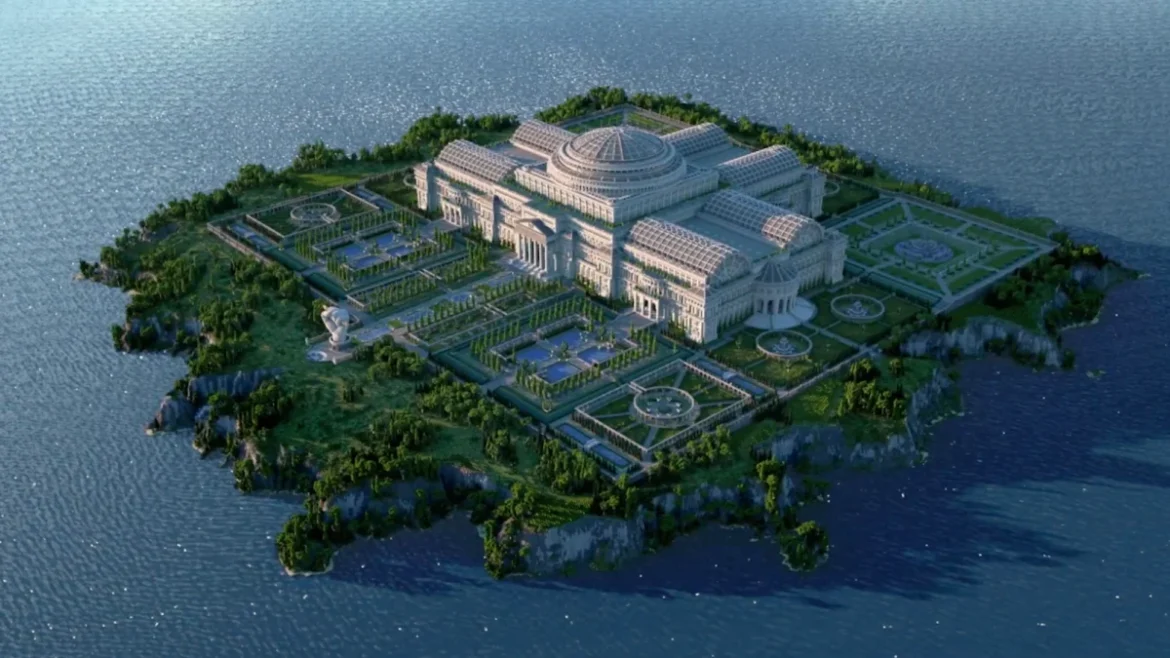
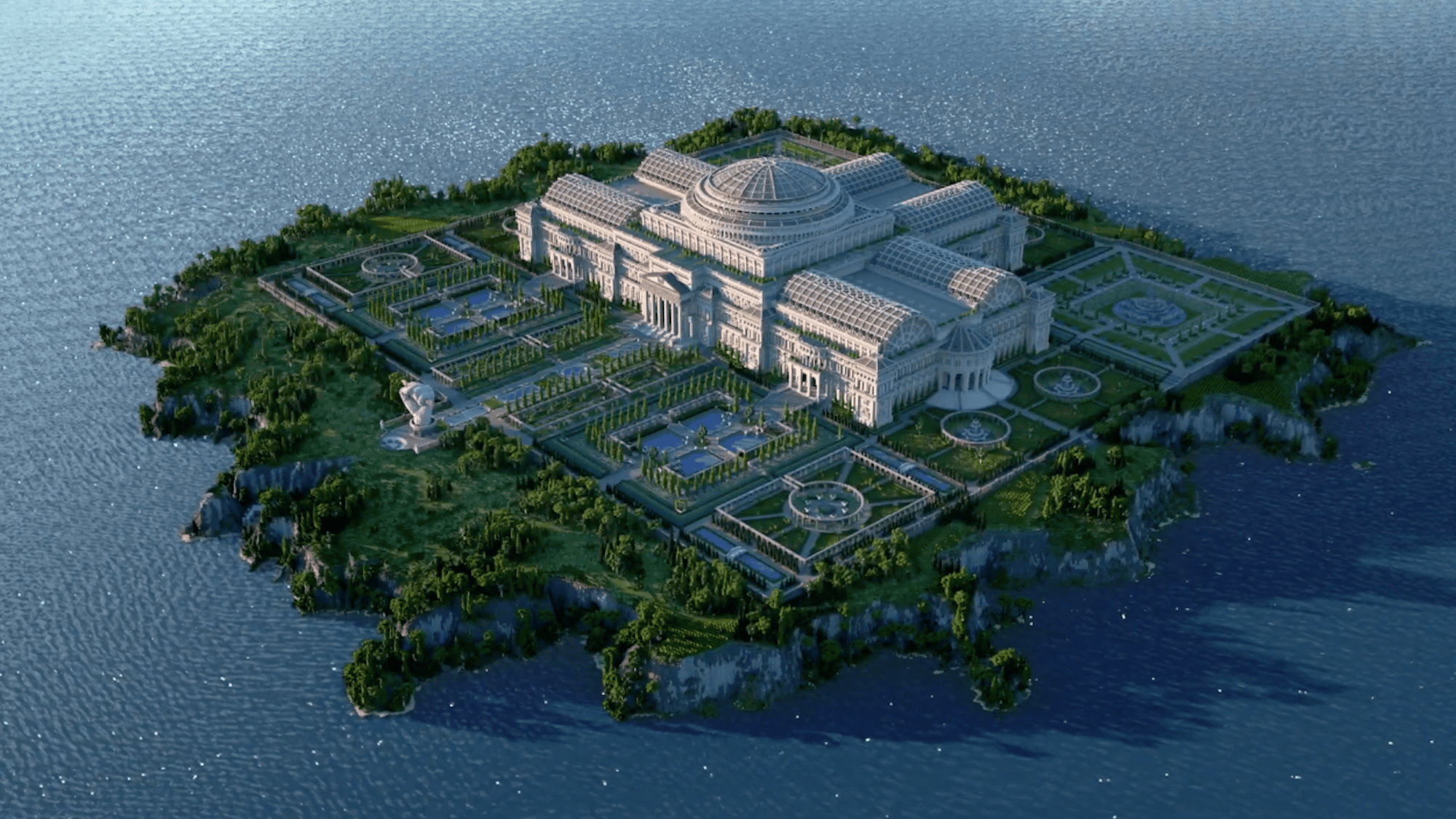
The library itself is a masterpiece of digital architecture. Designed in a neoclassical style, the massive, pixelated structure sits on a sprawling island. Inside, the walls are lined with thousands of virtual books. Players can enter the space, navigate through wings organized by nation, and read articles or essays that have been strictly prohibited or censored in their countries of origin. The project transformed a game engine into a functional archive, proving that the tools of play could serve as instruments of human rights advocacy.
A Chronology of Digital Defiance
Since its inception, the project has undergone several significant iterations and expansions, reflecting the shifting landscape of global press freedom.
- 2020: The Launch. The library opened with content covering five countries—Egypt, Mexico, Russia, Saudi Arabia, and Vietnam. It utilized the game’s "Book and Quill" item to store text, allowing players to read full-length articles without leaving the game environment.
- 2021-2022: Global Expansion. As the project gained international attention, RSF worked with local journalists to digitize and import thousands of documents from regions where the press was under significant duress.
- 2026: The Shift to Domestic Scrutiny. In a notable pivot during the spring of 2026, the project expanded to include a section dedicated to the United States. This inclusion followed a series of contentious interactions between the executive branch and various media organizations. The addition of a Western democracy to the library served as a poignant statement from RSF regarding the universal nature of press freedom violations.
The Technical and Strategic Architecture
The success of The Uncensored Library rests on its technical accessibility. The project does not require any specialized hardware or advanced technical knowledge; it is available through standard Minecraft servers. Users can access the library via the multiplayer mode or download the map for offline reading. By embedding the library within the Minecraft ecosystem, RSF effectively "piggybacked" on one of the most widely distributed software packages in history. Even in countries where internet traffic is heavily scrutinized, Minecraft traffic is often permitted to facilitate business and social connectivity, providing a "Trojan horse" for information access.
The design, spearheaded by BlockWorks, was not merely functional but symbolic. The use of a neoclassical, library-style aesthetic is a direct reference to the great libraries of antiquity—institutions dedicated to the preservation of human knowledge. By placing this monument on an island surrounded by water, the creators emphasized both the solitude of the library and the vastness of the digital sea it occupies.
Official Stances and Institutional Objectives
Reporters Without Borders has maintained that the library is not a political protest in the traditional sense, but a necessary safeguard for information access. "Freedom of expression is a fundamental human right," an RSF spokesperson noted at the launch. "The Uncensored Library is a grand digital library meant to combat censorship, ensuring that stories that have been scrubbed from the public record remain available for those who need them most."
The decision to add the United States section in early 2026 was met with both praise and debate. Clayton Weimers, the North America executive director for RSF, explained the move by highlighting the evolving definition of censorship. "Often, suppressing stories takes a less overt form than direct censorship," Weimers stated. By focusing on the challenges faced by journalists in the U.S., RSF sought to remind the global public that the erosion of press freedom is not a phenomenon limited to dictatorships, but a persistent threat to democracies as well.
Data and Impact: Measuring the Digital Footprint
The impact of the library is difficult to quantify using traditional metrics, but the sheer volume of engagement is substantial. Since its 2020 debut, the library has seen millions of unique visitors. Social media platforms, including TikTok and YouTube, have served as massive hubs for the distribution of the project’s mission. Videos detailing the "making of" the library have garnered millions of views, effectively serving as an educational outreach program for a younger generation that might otherwise be disconnected from the complexities of international press censorship.

The library currently houses documents spanning eight countries. The repository contains thousands of hours of reading material, ranging from investigative journalism on state corruption to personal accounts of human rights abuses. Because the library is constantly updated, it serves as a living archive, rather than a static monument.
Broader Implications for the Future of Information
The existence of The Uncensored Library raises profound questions about the future of digital sovereignty. As governments continue to invest in "sovereign internets" and localized firewalls, decentralized platforms like Minecraft offer a glimpse into a potential future for data preservation.
- Resilience of Decentralized Networks: The project demonstrates that decentralized gaming platforms can function as nodes of information exchange, resistant to centralized control.
- The Blurring of Utility: The distinction between entertainment media and civic infrastructure is becoming increasingly porous. Educators, NGOs, and human rights groups are beginning to recognize that platforms with large, young user bases are the new town squares.
- The Global Nature of Censorship: By bringing the U.S. into the fold alongside authoritarian states, RSF has successfully reframed the conversation around press freedom, arguing that the health of the press is a global concern rather than a regional one.
As we look toward the remainder of the decade, the model established by The Uncensored Library is likely to be replicated. Whether through virtual reality, gaming environments, or encrypted blockchain-based ledgers, the effort to "de-censor" the internet is shifting toward platforms that are harder to ban and easier to populate. The library remains a testament to the idea that, in the face of absolute control, the most effective tools for liberation may be those that allow for the most creative, uninhibited, and persistent forms of expression. Through this virtual architecture, the truth finds a home—one block at a time.
