
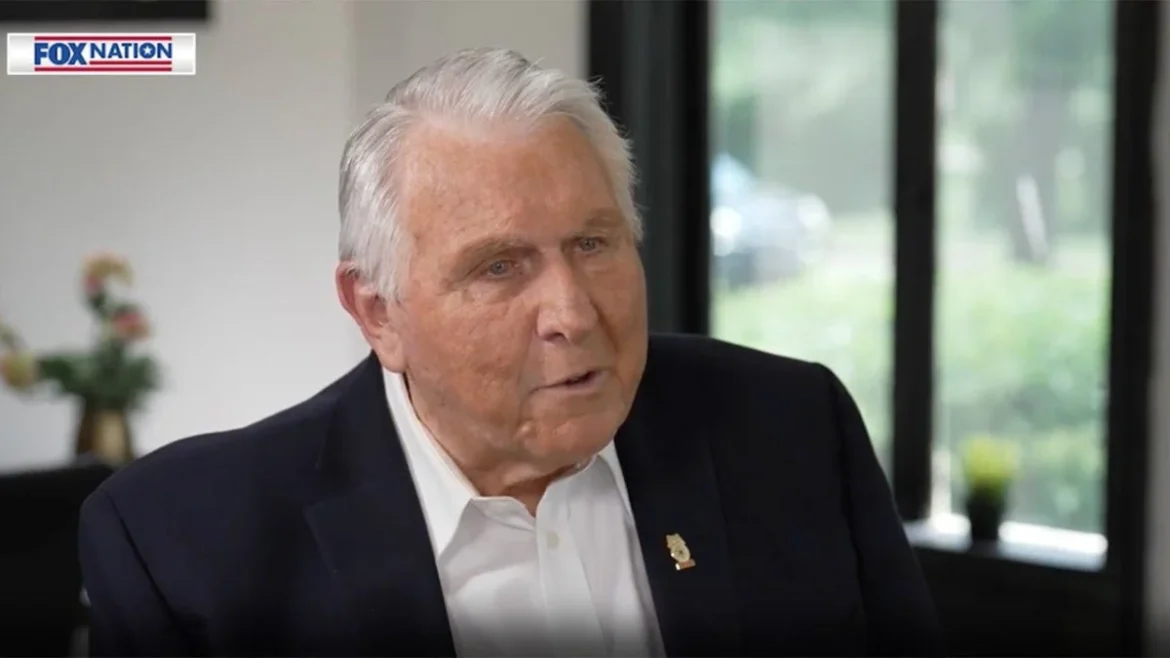
As the 51st anniversary of his enigmatic disappearance approaches, the family of iconic labor leader Jimmy Hoffa has issued a fervent plea to the Federal Bureau of Investigation (FBI), urging the agency to keep the missing person case active and to release all unredacted information regarding who was responsible for his death. James P. Hoffa, the son of the vanished Teamsters president, articulated the family’s profound desire for resolution, stating that they, alongside many Americans, would prefer the case be "solved, not shelved." This renewed call for transparency comes amidst the enduring mystery surrounding one of the 20th century’s most infamous unsolved crimes, a case that continues to captivate public interest and cast a long shadow over the history of organized labor and law enforcement in America.
The Enduring Mystery: A Half-Century Without Answers
On July 30, 1975, James Riddle Hoffa, then 62 years old, was last seen in the parking lot of the Machus Red Fox restaurant in Bloomfield Hills, Michigan. He was reportedly en route to a meeting with two prominent figures with alleged ties to organized crime: Anthony "Tony Jack" Giacalone, a powerful Detroit mobster, and Anthony "Tony Pro" Provenzano, a New Jersey Teamsters local president and capo in the New York City-based Genovese crime family. Hoffa was seeking their support in his ambitious bid to regain the presidency of the International Brotherhood of Teamsters, a position he had previously held with immense influence from 1957 to 1971. His hopes for a resurgence, however, were abruptly shattered that afternoon. Witnesses last saw him entering a car at approximately 2:30 p.m., after which he vanished without a trace. His remains have never been recovered, and despite decades of extensive investigation, no one has ever been charged in connection with his disappearance or presumed murder.
The disappearance of Jimmy Hoffa is more than just a missing person case; it represents a pivotal moment in American history, symbolizing the intertwined fates of powerful labor unions and organized crime. His absence left a void in the Teamsters union and ignited a national fascination that persists to this day, fueled by countless theories, books, films, and documentaries.
A Life Forged in Labor and Conflict: Who Was Jimmy Hoffa?
Born in Brazil, Indiana, in 1913, James R. Hoffa rose from humble beginnings to become one of the most powerful and controversial labor leaders in American history. He began his career as a union organizer in the 1930s, quickly gaining a reputation for his aggressive tactics and unwavering dedication to his members. Under his leadership, the Teamsters union grew exponentially, becoming the largest and most influential labor organization in the United States. Hoffa consolidated power by merging local trucking unions into a national entity, leveraging the union’s control over vital transportation networks to wield significant economic and political clout. He was instrumental in negotiating the first National Master Freight Agreement in 1964, a landmark contract that standardized wages and working conditions for truck drivers across the country.
However, Hoffa’s meteoric rise was marred by persistent allegations of corruption and ties to organized crime. The Teamsters’ massive pension fund, for instance, became a source of loans for various mob-affiliated projects, attracting scrutiny from federal authorities. His public battles with Attorney General Robert F. Kennedy in the 1950s and 60s became legendary, culminating in Hoffa’s conviction in 1964 for jury tampering and mail fraud. He began serving a 13-year prison sentence in 1967.
Even from behind bars, Hoffa continued to exert influence over the Teamsters. However, his power waned, and he was eventually replaced by Frank Fitzsimmons, whom Hoffa had personally appointed as his interim successor. In 1971, President Richard Nixon commuted Hoffa’s sentence, with the controversial condition that he not engage in union activities for ten years. Despite this restriction, Hoffa was determined to reclaim the Teamsters presidency, believing Fitzsimmons had betrayed him. It was this fierce ambition to regain control of the union that ultimately led him to the fateful meeting in Bloomfield Hills.
The Family’s Persistent Quest for Truth and Closure
For over five decades, the Hoffa family has lived under the shadow of this unsolved mystery. James P. Hoffa, himself a former General President of the Teamsters (1999-2019), and his sister, Barbara Crancer, a retired Missouri state judge, have consistently pressed authorities for answers. In a letter obtained by Fox News Digital, addressed to FBI Director Kash Patel (likely a misattribution, as Christopher Wray is the current FBI Director), James Hoffa articulated the family’s distress at the prospect of the case being closed. He emphasized that shutting down the investigation without revealing the truth would be "disturbing" and urged the bureau to make public all information it possesses, even if those involved are deceased.
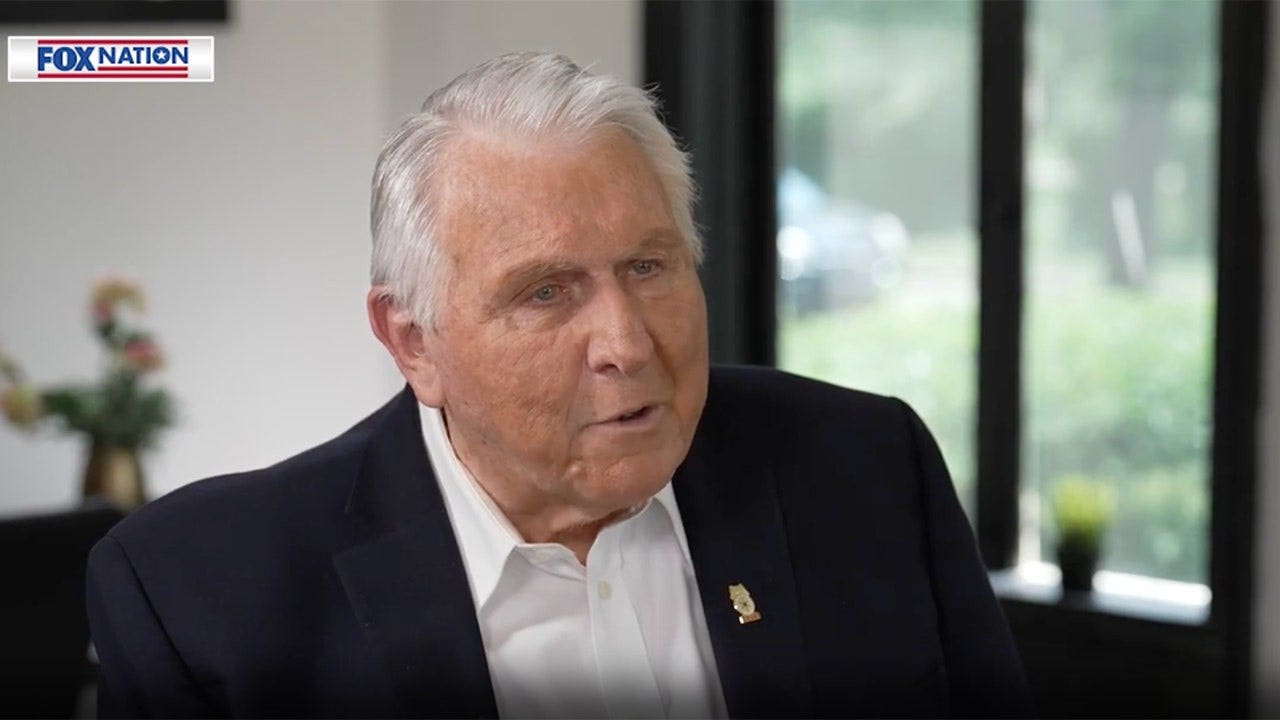
"I’m shocked that the government would close such a prominent case," James Hoffa told Fox News Digital. "This case is of national interest to all, and all the efforts of the FBI should continue to go to solving it. We want the case solved. The family wants to have accountability for this horrible crime. We want the case solved so that the family can have closure." The emotional toll of the prolonged uncertainty is palpable, highlighting the profound human impact of such a protracted and public disappearance. The family’s desire for "accountability" and "closure" underscores a fundamental need for justice that transcends the mere passage of time.
The Enduring Theories: Organized Crime’s Shadow
Over the years, numerous theories have emerged regarding Hoffa’s fate, almost all pointing to organized crime. The prevailing narrative suggests that Hoffa was murdered by the Mafia, either because he posed a threat to their control over the Teamsters’ pension funds or because his aggressive attempts to regain power would disrupt existing arrangements. The men he was supposed to meet, Anthony Giacalone and Anthony Provenzano, were key figures in this criminal underworld.
One prominent theory, explored in the documentary series "Riddle, The Search for James R. Hoffa," streaming on Fox Nation, speculates that Hoffa was picked up at the Machus Red Fox by Detroit mob capo Vito "Billy Jack" Giacalone (Anthony’s cousin) and mobster Anthony "Tony Pal" Palazzolo. This theory posits that Hoffa was then driven to a nearby home owned by mobster Carlo Licata, where he was killed. His remains, it is suggested, were subsequently disposed of in a mob-run sanitation facility in Hamtramck, Michigan. The documentary further reports that an informant allegedly told the FBI he was present when Hoffa died and identified Vito "Billy Jack" Giacalone as the killer. Such crucial information would presumably be documented in FBI records, known as "302s," but has yet to be publicly confirmed in detail.
Other theories have placed Hoffa’s body in various locations, from under the end zone of Giants Stadium in New Jersey (a persistent urban legend disproven by demolition efforts) to concrete pours, swamp lands, and even industrial shredders. Each new lead, no matter how improbable, has been met with intense public scrutiny and often, renewed FBI searches.
A Half-Century of Investigation: Challenges and Leads
The FBI’s investigation into Hoffa’s disappearance has been one of the longest and most extensive in U.S. history, involving thousands of agents, informants, and countless hours of fieldwork. Initial efforts focused on tracing Hoffa’s last known movements and interviewing individuals connected to him, particularly those with organized crime ties. The agency has conducted numerous digs and searches over the decades, often based on tips from informants, former mob associates, or even psychics. These searches have spanned Michigan, New Jersey, and other states, targeting properties, industrial sites, and even waterways.
Despite these exhaustive efforts, definitive physical evidence, namely Hoffa’s remains, has remained elusive. The passage of time has only compounded the difficulty, as potential witnesses have died, memories have faded, and evidence has deteriorated or been destroyed. The criminal underworld’s code of silence, known as "omertà," has also played a significant role in hindering the investigation, making it exceptionally challenging to extract credible information from those who might know the truth.
The FBI has acknowledged the immense public interest in the case and its long-standing commitment. In a statement to Fox News Digital, the bureau asserted its dedication to "transparency to the American public" and stated that the "release of these historic files on Jimmy Hoffa’s disappearance is yet another step in that direction." However, the family argues that previously released documents have been heavily redacted, obscuring potentially vital information. James Hoffa suggested that unredacted files could be transferred to the National Archives, ensuring historical preservation without necessarily closing the active criminal investigation. The FBI’s Detroit field office is currently overseeing the case, emphasizing that the investigation remains a priority. "The FBI has worked for five decades to investigate every lead and process evidence related to this investigation," a spokesperson confirmed, expressing appreciation for the public’s and the Hoffa family’s assistance.
Broader Implications: Legacy, Justice, and the FBI’s Reputation
The unresolved Hoffa case carries significant implications beyond the immediate family. For the FBI, it represents a high-profile, enduring cold case that continues to challenge its reputation for solving complex crimes. The demand for full transparency from the family puts pressure on the agency to balance investigative integrity with public accountability. Releasing unredacted documents could potentially expose sensitive intelligence sources, methods, or even reveal governmental shortcomings in the original investigation. However, the family’s argument is that the truth, even if painful or implicating, is paramount for historical record and personal peace.
From a historical perspective, solving the Hoffa mystery would provide crucial insights into the power dynamics between organized labor, organized crime, and federal law enforcement during a tumultuous period in American history. It would offer a definitive conclusion to a saga that has shaped perceptions of union power and the reach of the Mafia for generations. The case serves as a stark reminder of the corrosive influence of criminal elements on legitimate institutions and the lasting impact on individuals caught in their web.
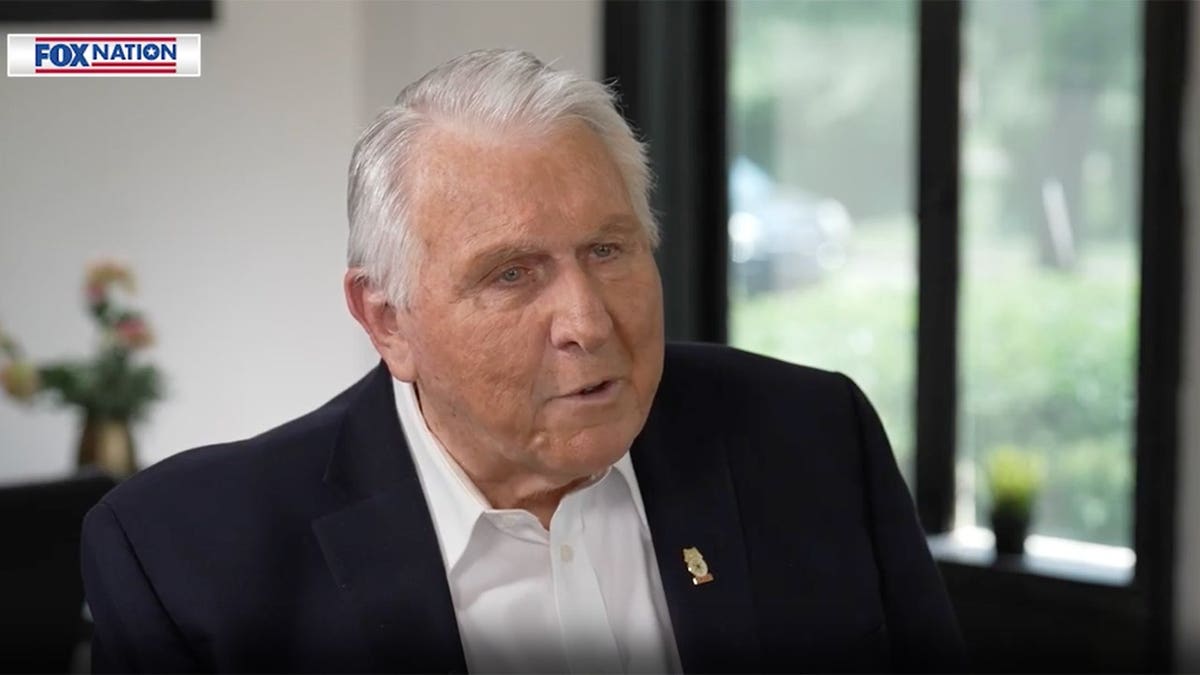
For the Hoffa family, the demand is clear and unwavering: "It is time for the FBI to solve the case and to hold people accountable and name names, even if they are deceased, to solve this national mystery," James Hoffa stated. Their plea is not merely for documents, but for a definitive resolution that brings an end to decades of speculation and provides the solace of knowing what truly happened to their father. As the 51st anniversary passes, the call for justice for Jimmy Hoffa echoes louder than ever, a testament to the enduring power of a mystery that continues to haunt the American consciousness.
