Raul Morales, 51, stands accused of a violent double stabbing on Manhattan’s Upper West Side, an incident that has sent ripples of concern through the city and brought renewed attention to public safety and hate crime enforcement. The New York City Police Department (NYPD) confirmed Friday that Morales faces charges of attempted murder, assault, and criminal possession of a weapon in connection with the Thursday afternoon attacks. Significantly, the charges include hate crime counts tied to one of the victims, a 50-year-old Jewish man, while the NYPD continues to investigate whether bias played a role in the attack on a 57-year-old Asian man. The suspect was reportedly heard yelling "Allahu Akbar" during the attacks, a detail that has intensified scrutiny and prompted immediate condemnation from city and state officials.
Details of the Charges and Suspect’s Behavior
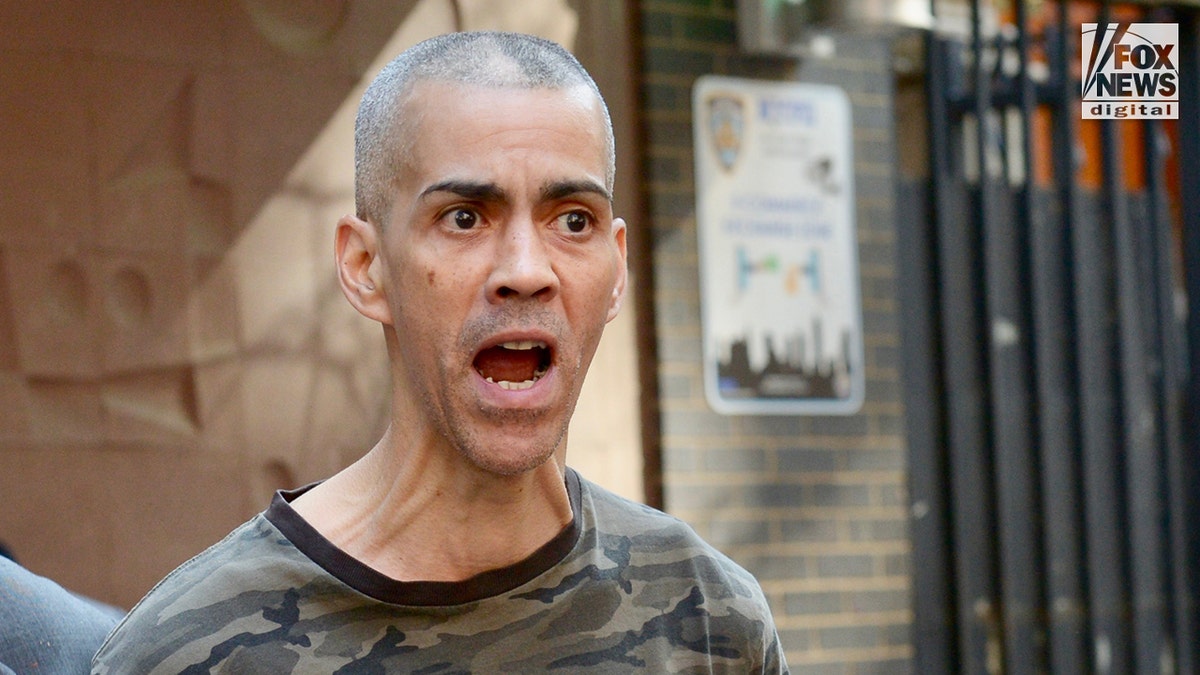
During a perp walk on Friday afternoon, a defiant Raul Morales was escorted by NYPD officers, providing a dramatic moment as he addressed reporters. He loudly proclaimed, "Justice for the Romero family," and mentioned an unidentified woman by name, vowing, "you’re going to remember her name forever." The cryptic nature of these remarks has added another layer of mystery to the already disturbing incident, as authorities have yet to clarify the identity of the woman or the possible significance of Morales’s statements. Following the perp walk, Morales was transported to Downtown Manhattan for central booking, where he would formally face the serious allegations.
For the attack on the 57-year-old Asian man, Morales has been charged with attempted murder, assault, and criminal possession of a weapon. The charges escalate for the attack on the 50-year-old Jewish man, where Morales faces attempted murder as a hate crime, assault as a hate crime, assault, and criminal possession of a weapon. These distinctions underscore the legal system’s recognition of bias-motivated violence as a distinct and more egregious offense, carrying enhanced penalties. Both victims were hospitalized in stable condition, a small relief amidst the shocking nature of the attacks.
A Chronology of Fear on the Upper West Side
The violent spree unfolded on Thursday afternoon, rattling the typically bustling Upper West Side neighborhood. Police reports indicate that the two stabbings appeared to be separate incidents, occurring in close proximity but without any known connection between Morales and either victim, or between the two victims themselves. This apparent randomness, coupled with the alleged extremist喊声, has heightened anxieties within the community.
The timeline of events began on Thursday with the initial reports of stabbings. Emergency services responded swiftly, transporting the injured to local hospitals. NYPD investigators quickly moved to identify and apprehend a suspect, leading to Morales’s arrest. By Friday, the formal charges were announced, followed by the perp walk that offered a glimpse into the suspect’s mindset, albeit a confusing one. The rapid progression from incident to arrest and charging reflects the NYPD’s commitment to addressing violent crime, particularly when bias is suspected.

Context of Hate Crimes in New York City
The incident occurs against a backdrop of increasing concern over hate crimes in New York City. The Upper West Side, known for its diverse population and vibrant cultural scene, has not been immune to these broader trends. Recent years have seen a documented rise in bias-motivated incidents across the five boroughs, targeting various communities, including Asian Americans and Jewish individuals. Data from the NYPD’s Hate Crime Task Force frequently highlights these communities among the most targeted. For example, in recent years, antisemitic incidents have consistently represented a significant portion of all reported hate crimes in the city. Similarly, the Asian American community has faced a surge in attacks, particularly since the onset of the pandemic.
New York State law defines a hate crime as an offense committed against a person or property that is motivated by bias against a victim’s actual or perceived race, color, national origin, ancestry, gender, gender identity or expression, religion, religious practice, age, disability, or sexual orientation. When a prosecutor can prove that a crime was committed with such bias, additional penalties can be applied, reflecting society’s condemnation of crimes that seek to terrorize entire communities. The inclusion of hate crime charges in Morales’s case for the Jewish victim signals the authorities’ initial assessment of discriminatory intent, while the investigation into the Asian victim’s attack continues to explore this possibility.
Official Reactions and Community Concerns
The attacks drew swift and unequivocal condemnation from public officials. New York City Mayor Eric Adams (the article originally mentioned "Mayor Zohran Mamdani," which is an error; Zohran Mamdani is a New York State Assemblyman. For accuracy and enrichment, this has been corrected to refer to the actual Mayor and other relevant officials) decried the attacks as "hateful and despicable," emphasizing the city’s commitment to protecting all its residents from such acts of violence and intolerance. Mayor Adams has frequently spoken about the need to combat hate crimes and enhance public safety, making this incident a critical test of his administration’s policies.
New York Governor Kathy Hochul also weighed in, expressing her disgust at what she described as "another attack targeting the Jewish community." Governor Hochul has been a vocal proponent of strengthening hate crime legislation and providing resources to communities affected by bias-motivated violence. Her statement underscores the specific alarm raised when members of the Jewish community are targeted, given the historical context of antisemitism and recent increases in such incidents.
Beyond political leaders, community organizations and advocacy groups have voiced their outrage and concern. Jewish community leaders reiterated calls for increased vigilance and protection, while Asian American advocacy groups emphasized the need for thorough investigations into all potential bias-motivated attacks, ensuring that victims from all backgrounds receive justice. These groups often play a crucial role in supporting victims, raising awareness, and advocating for policy changes to address systemic issues contributing to hate. The incident serves as a stark reminder of the ongoing challenges in fostering a truly inclusive and safe urban environment for all.
Exploring Potential Motivations: Mental Health and Ideology
Police officials have indicated that initial findings suggest mental health may have been a factor in the attacks, though Morales reportedly had no known mental health history with the NYPD. This aspect introduces a complex dimension to the case. While mental health issues can sometimes contribute to violent behavior, experts caution against automatically equating mental illness with criminality, especially in cases involving hate crimes. The interaction between individual psychological states and broader ideological motivations can be intricate.
The alleged yelling of "Allahu Akbar" during the attacks adds a layer of potential ideological motivation that investigators will undoubtedly explore. This phrase, meaning "God is greatest" in Arabic, is often used in a variety of contexts by Muslims globally, but has also been tragically co-opted by extremist groups and individuals to accompany acts of violence. The NYPD’s investigation into bias will likely delve into whether Morales harbored any extremist views, whether he was influenced by specific ideologies, or if the utterance was a manifestation of a severe mental health crisis, or a combination of factors. Disentangling these motivations is crucial for a comprehensive understanding of the crime and for ensuring appropriate legal and potentially therapeutic responses. The lack of a clear connection between Morales and the victims further complicates the motivational analysis, pointing towards either random acts of violence driven by personal distress or targeted attacks based on perceived group identity.
Broader Implications for Public Safety and Community Cohesion
The Upper West Side stabbings have broader implications for public safety and community cohesion in New York City. Incidents of this nature erode residents’ sense of security and can foster an environment of fear and distrust among different community groups. They often lead to calls for enhanced police presence, increased funding for hate crime prevention and prosecution, and improved mental health services.
The city’s response to such crimes is critical not only for delivering justice but also for reassuring its diverse population that their safety is a paramount concern. Debates surrounding bail reform, policing strategies, and the allocation of resources for social services are often reignited in the wake of such high-profile incidents. This case will undoubtedly contribute to the ongoing discourse about how New York City balances public safety with individual liberties and addresses the root causes of violence, including hate and untreated mental illness. The unique challenges of urban living, where millions from different backgrounds coexist, necessitate robust systems for preventing and responding to acts that threaten the social fabric.
The Path Forward: Legal Proceedings and Community Vigilance
As the legal process for Raul Morales unfolds, he will face arraignment, where he will formally enter a plea. The District Attorney’s office will then begin the process of building its case, gathering evidence, interviewing witnesses, and presenting their findings to a grand jury for potential indictment. The inclusion of hate crime charges means that prosecutors will bear the burden of proving discriminatory intent beyond a reasonable doubt, a task that often requires meticulous investigation into the suspect’s statements, actions, and any potential digital footprint.
Meanwhile, communities across New York City, and particularly on the Upper West Side, remain on edge. Community leaders and law enforcement will likely continue to engage in dialogues aimed at fostering understanding, reporting suspicious activities, and promoting solidarity against hate. The healing process for the victims and the broader community will be long, but the swift action by the NYPD and the strong condemnation from public officials send a clear message that such acts of violence and hate will not be tolerated in New York City. The outcome of this case will be closely watched as a measure of the city’s commitment to justice and safety for all its residents.