
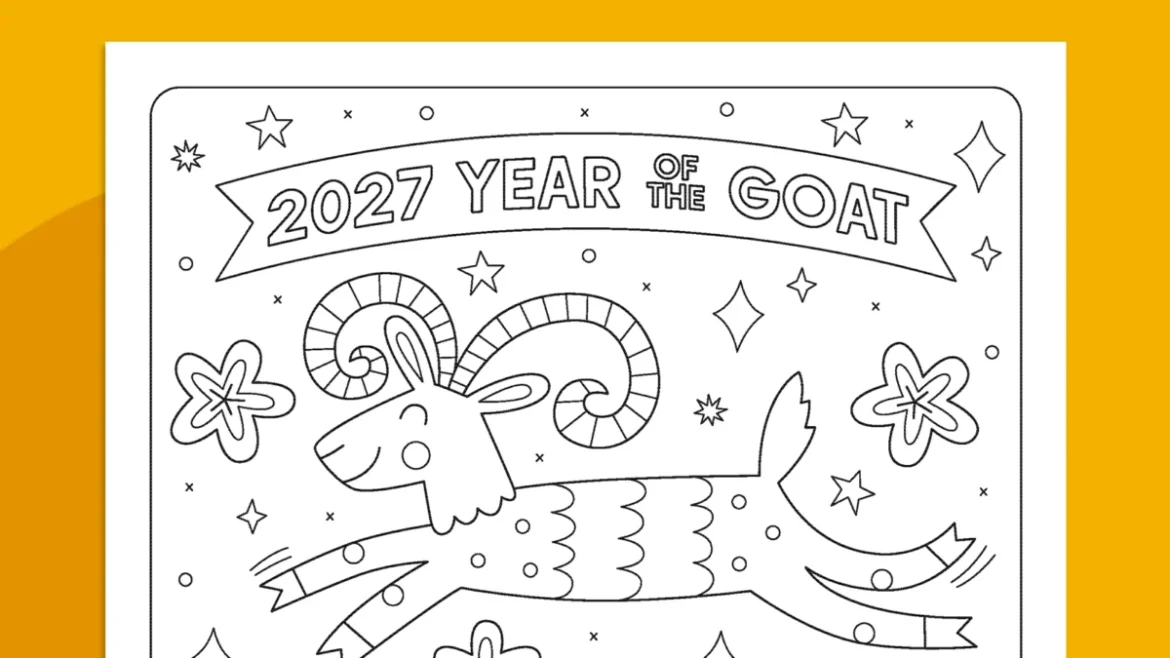
Lunar New Year celebrations will commence globally on February 6, 2027, signaling the official transition into the Year of the Goat. As millions of people across Asia and the global diaspora prepare for this significant cultural milestone, educational institutions, community organizations, and families are beginning their preparations to honor the traditions associated with the lunar calendar. This transition marks more than just a change in date; it represents a cultural reset, a focus on familial bonds, and a thematic shift toward the attributes of compassion and creativity associated with the goat in the Chinese zodiac.
Understanding the Lunar Calendar and Historical Context
The Lunar New Year, frequently referred to as the Spring Festival in China, is rooted in the lunisolar calendar, which tracks both the phases of the moon and the position of the sun. Unlike the Gregorian calendar, which is based purely on solar cycles, the lunar calendar dictates that the new year begins on the second new moon following the winter solstice. This results in a fluctuating date between January 21 and February 20.
The significance of the event extends deep into history. For centuries, agrarian societies used the lunar cycle to determine optimal planting and harvesting times. The New Year served as a critical juncture for families to congregate after the winter dormancy, offering thanks to ancestors and praying for a prosperous agricultural cycle. Over time, these practices evolved into elaborate customs including the cleaning of homes to "sweep away" bad fortune, the hanging of red lanterns, and the preparation of symbolic foods such as fish, dumplings, and glutinous rice cakes, which represent abundance and growth.
The Significance of the Year of the Goat
The Chinese zodiac, or Shengxiao, operates on a 12-year cycle, with each year represented by an animal. Legend suggests the order of these animals—the Rat, Ox, Tiger, Rabbit, Dragon, Snake, Horse, Goat, Monkey, Rooster, Dog, and Pig—was determined by a celestial race organized by the Jade Emperor.
The Goat (sometimes referred to as the Sheep or Ram) is the eighth animal in the cycle. In traditional Chinese philosophy, the goat is regarded as a symbol of peace, filial piety, and gentle temperament. Those born under this sign are historically characterized as artistic, soft-spoken, and empathetic. In a world often dominated by high-paced technological advancement, the Year of the Goat is frequently viewed by cultural scholars as a time to prioritize internal reflection, aesthetic pursuits, and the restoration of social harmony.
The 2027 cycle carries specific weight in modern cultural discourse. As global communities move further into the decade, there is an increased emphasis on how these traditional values—patience and creativity—can be applied to contemporary challenges such as environmental sustainability and mental health awareness.
Educational Engagement and Cultural Literacy
In the United States and other Western nations, the integration of Lunar New Year into school curricula has become a standard practice for promoting cultural literacy. Educators utilize the event to teach students about the vast diversity within Asian cultures, moving beyond stereotypes to explore the nuances of the holiday.
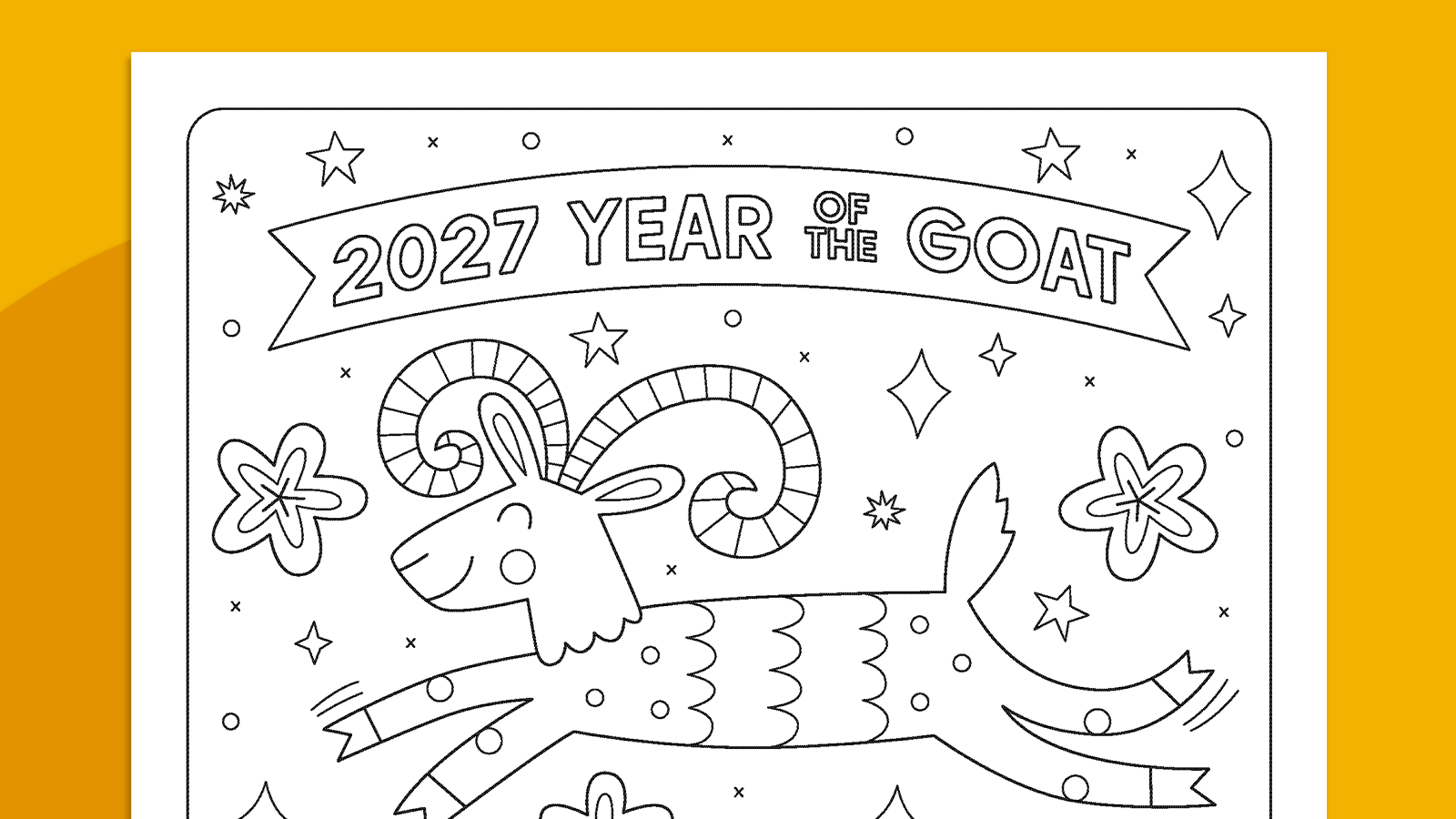
Resources such as thematic coloring pages, historical summaries, and classroom activities serve as accessible entry points for younger students to engage with the zodiac’s narrative. By examining the traits associated with the Goat—kindness and creative problem-solving—teachers can foster discussions regarding emotional intelligence and interpersonal conflict resolution. These classroom initiatives are supported by a growing library of literature and digital media designed to bridge the gap between traditional customs and modern pedagogical standards.
Economic and Social Implications of the New Year
The impact of the Lunar New Year extends far beyond cultural observance; it is a massive economic engine. In East Asia, the period surrounding the New Year is historically the world’s largest annual human migration, known as "Chunyun." Hundreds of millions of individuals travel from urban centers to their ancestral hometowns to reunite with family.
While the 2027 logistics remain subject to shifting global travel patterns, the economic implications remain consistent. The period is marked by a surge in retail activity, as the tradition of gifting "hongbao" (red envelopes containing money) and purchasing new clothing and home decorations drives significant revenue in the retail and e-commerce sectors. Analysts note that businesses increasingly cater to the "Year of the Goat" aesthetic, with branding and product designs reflecting the gentle, artistic nature of the animal.
The Evolution of Global Observance
The globalization of the Lunar New Year has led to a fascinating synthesis of customs. In cities like San Francisco, London, and Sydney, public festivals—complete with lion dances, street parades, and firework displays—have become fixtures of the local urban calendar. These events serve to strengthen the ties within the Asian diaspora while inviting the wider public to participate in a shared experience of renewal.

Statements from community leaders suggest that the 2027 celebrations will likely emphasize the importance of community resilience. Following years characterized by global instability, the theme of the "Goat"—harmony and peaceful transition—is expected to be a central message in public discourse. Religious and community centers are already organizing outreach programs aimed at fostering intergenerational dialogue, ensuring that the customs of the past are passed down to younger generations.
A Chronology of the 2027 Celebration
The festivities typically span a 15-day period, culminating in the Lantern Festival. The timeline for 2027 is as follows:
- February 6, 2027: The official arrival of the Lunar New Year. Families gather for the "Reunion Dinner," a meal of critical importance that symbolizes unity and the preservation of the family unit.
- February 7–12, 2027: The period of visiting relatives, exchanging gifts, and participating in local community rituals. This timeframe is dedicated to strengthening social networks.
- February 13–19, 2027: Continued festivities, characterized by neighborhood events, the consumption of traditional foods, and public performances.
- February 20, 2027: The Lantern Festival, which marks the final day of the celebration. It is characterized by the lighting of lanterns, solving riddles, and the performance of dragon and lion dances to bring luck for the remainder of the year.
The Role of Technology in Modern Tradition
In 2027, the intersection of technology and tradition will be more pronounced than ever. Digital platforms have transformed how people celebrate, with virtual red envelopes (e-hongbao) becoming the norm in many regions. This digitization allows families separated by geography to maintain their traditions, ensuring that the practice of giving, even if symbolic or digital, remains a constant thread in the lives of the global Chinese community.
Furthermore, social media campaigns focused on the Year of the Goat are expected to highlight the artistic heritage associated with the sign. Expect a proliferation of digital art, calligraphy challenges, and creative collaborations that showcase the goat as an emblem of modern innovation.
Conclusion and Future Outlook
As the world prepares for February 6, 2027, the message of the Year of the Goat is one of cautious optimism. The transition from the previous year’s energy to the Goat’s calm and creative influence offers a moment to recalibrate. For educators, families, and global citizens, the period serves as a vital reminder of the importance of heritage, the power of community, and the enduring value of kindness in a complex world. By engaging with these traditions—whether through classroom study, community festivals, or personal reflection—the global population participates in a shared human endeavor: the pursuit of a better, more harmonious future.
The focus on the Year of the Goat invites us all to tap into our creative potential and treat our neighbors with the gentle strength that this zodiac sign represents. As the festivities approach, the global community looks forward to a period of renewal, defined by the wisdom of the past and the possibilities of the future.
