
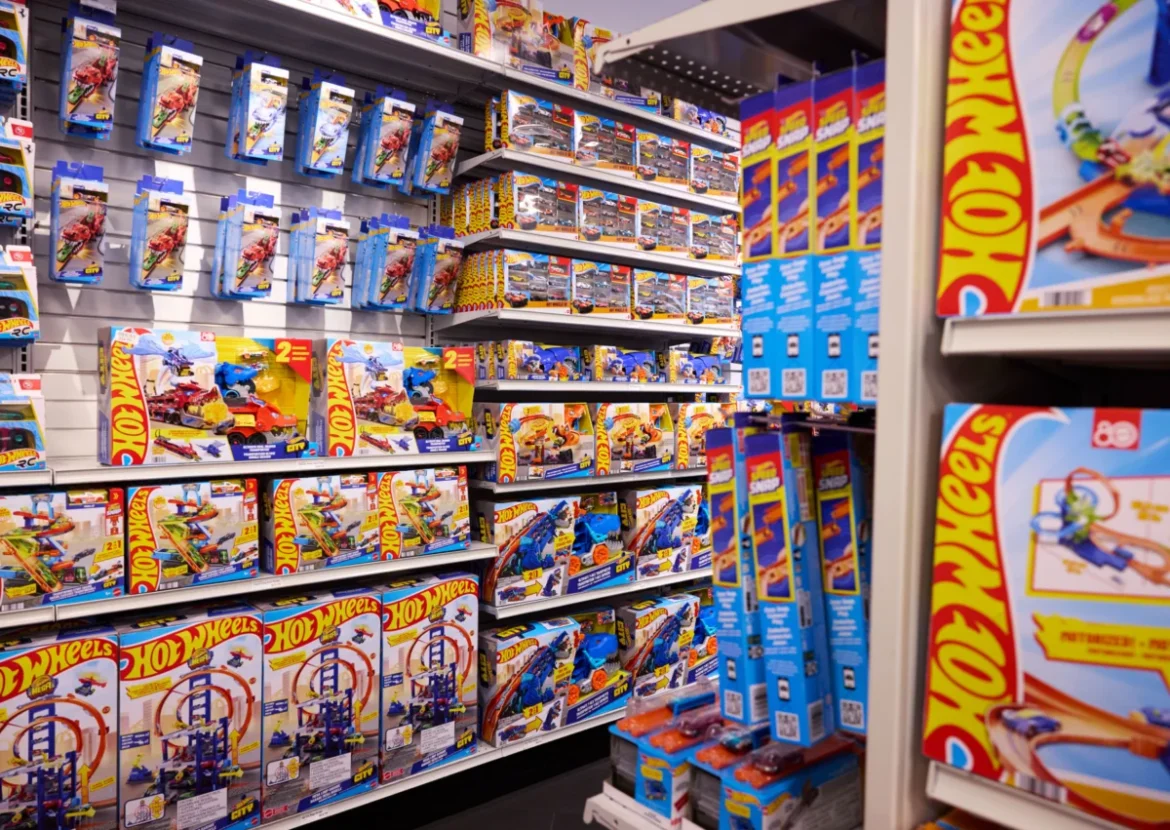
Hidden away on an unassuming stretch of road in El Segundo, California, lies the Handler Team Center—a facility that functions less like a standard corporate office and more like a high-octane synthesis of a modern automotive garage, a museum, and an engineer’s playground. This 200,000-square-foot structure, which once served as a facility for the aerospace industry, now serves as the global nerve center for Mattel’s most iconic brand. It is here that the Hot Wheels Design Center operates, acting as the creative crucible for one of the most recognizable toy lines in history. Since the brand’s inception in 1968, Hot Wheels has evolved from a small venture into a cultural juggernaut, with billions of units sold worldwide, cementing its place as the best-selling toy in the world.
The facility’s lobby sets a tone of industrial ambition. A sprawling mural depicting founders Elliot and Ruth Handler overlooks a space populated by life-sized interpretations of classic Hot Wheels vehicles. Visitors are immediately drawn to the Epic Loop, an eleven-foot-tall, side-by-side racing installation that invites guests to engage in a ritual familiar to generations of children: the high-speed descent of a die-cast car toward a finish-line bucket. While the spectacle is designed for entertainment, it mirrors the precise physics and design considerations that govern the company’s output, where cars reach scaled speeds equivalent to 297 miles per hour.
A Chronology of Innovation and Design
The history of Hot Wheels is marked by a relentless drive toward miniaturized automotive realism. When the first “Sweet 16” collection launched in 1968, it introduced the world to the concept of the “redline” tire and a low-friction axle system that allowed cars to travel significantly faster than competitors’ offerings. This initial success was not merely a result of aesthetics but a deliberate engineering choice that prioritized performance—a philosophy that remains the bedrock of the design center today.
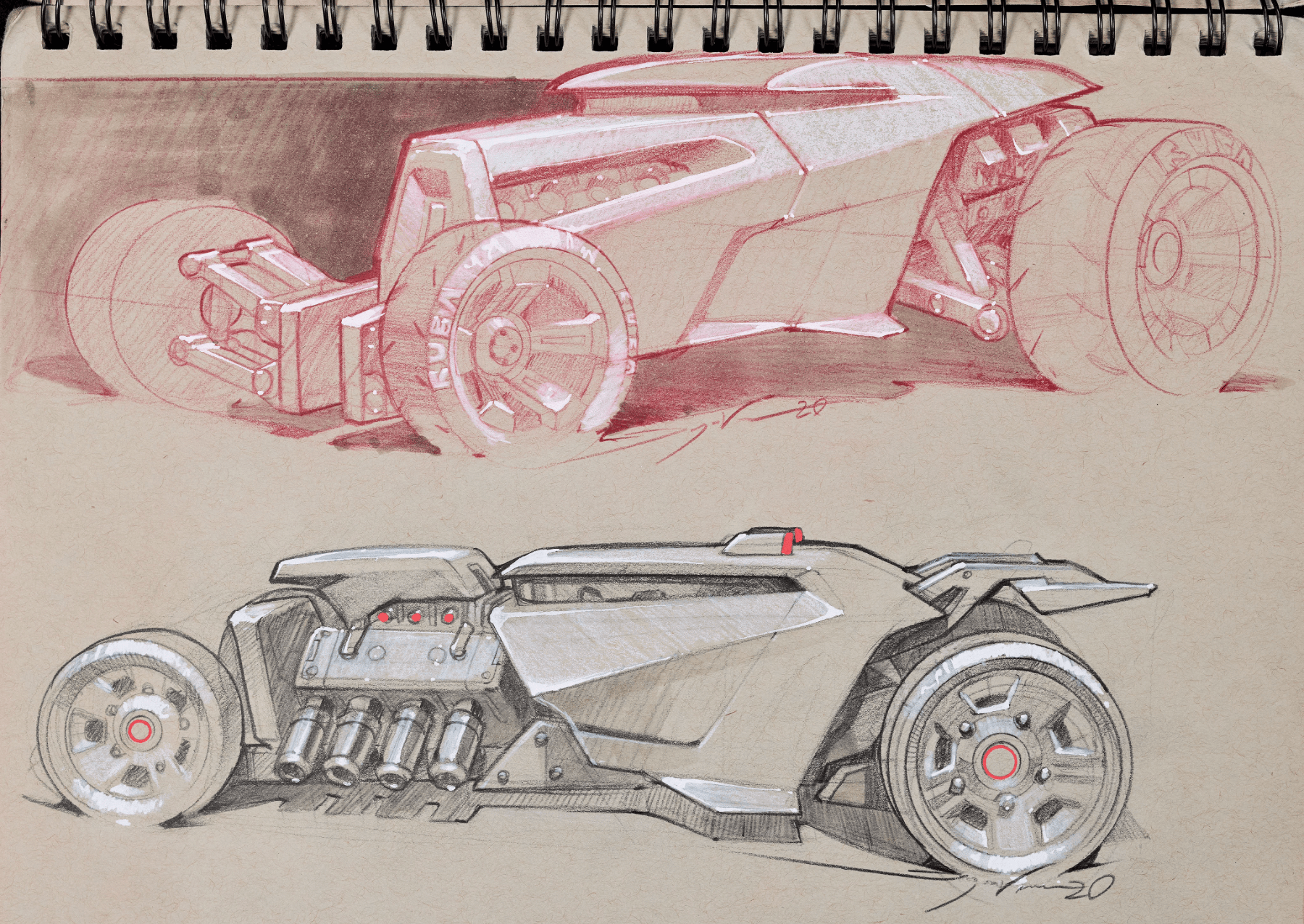
Over the decades, the design process has undergone a massive digital transformation. In the early years, designers relied exclusively on clay modeling and manual drafting. Today, the design team, led by figures like product design manager Dwayne Vance, utilizes a hybrid approach. The process often begins with digital sketching directly onto high-resolution monitors, allowing for rapid iterations that would have taken days to complete in the pre-digital era. This transition has allowed the brand to expand its catalog to include over 25,000 unique models, reflecting real-world automotive trends, fantasy concepts, and pop-culture collaborations.
The Anatomy of a Modern Hot Wheels Redesign
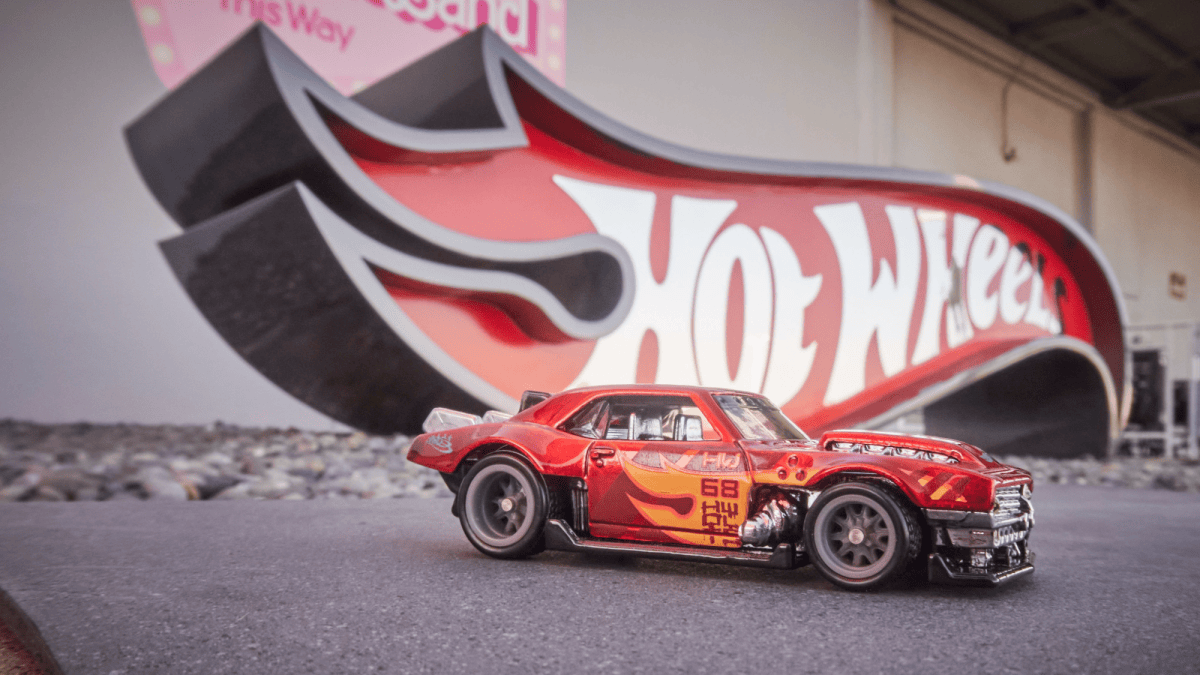
The design team’s recent efforts to modernize the 1968 Custom Camaro serve as a case study in balancing brand heritage with contemporary market expectations. The project, which required a rapid turnaround to meet the company’s internal Initial Concept Review (ICR) deadlines, highlights the collaborative pressures of the design studio.
Dwayne Vance, whose portfolio includes work with high-profile entities such as DC Comics and Electronic Arts, approached the redesign by analyzing the current landscape of the “pro-touring” and custom muscle car scene. Modern customizers have shifted away from mere restoration, favoring high-performance mechanical upgrades—such as LS-series engine swaps and advanced braking systems—paired with aggressive, chopped-up aesthetics.
Vance’s design strategy for the modern Camaro was to emulate these real-world modifications. By exposing the mechanical underpinnings, integrating Le Mans Prototype (LMP) inspired vertical fins for improved aerodynamics, and installing a recessed grille, the design team aimed to maintain the vehicle’s recognizable silhouette while introducing a more aggressive, high-performance stance. The process emphasizes the “Hot Wheelizing” philosophy: a creative methodology that pushes the boundaries of exaggeration while ensuring the final product remains distinctly identifiable as a Hot Wheels car.
Supporting Data and Industry Context
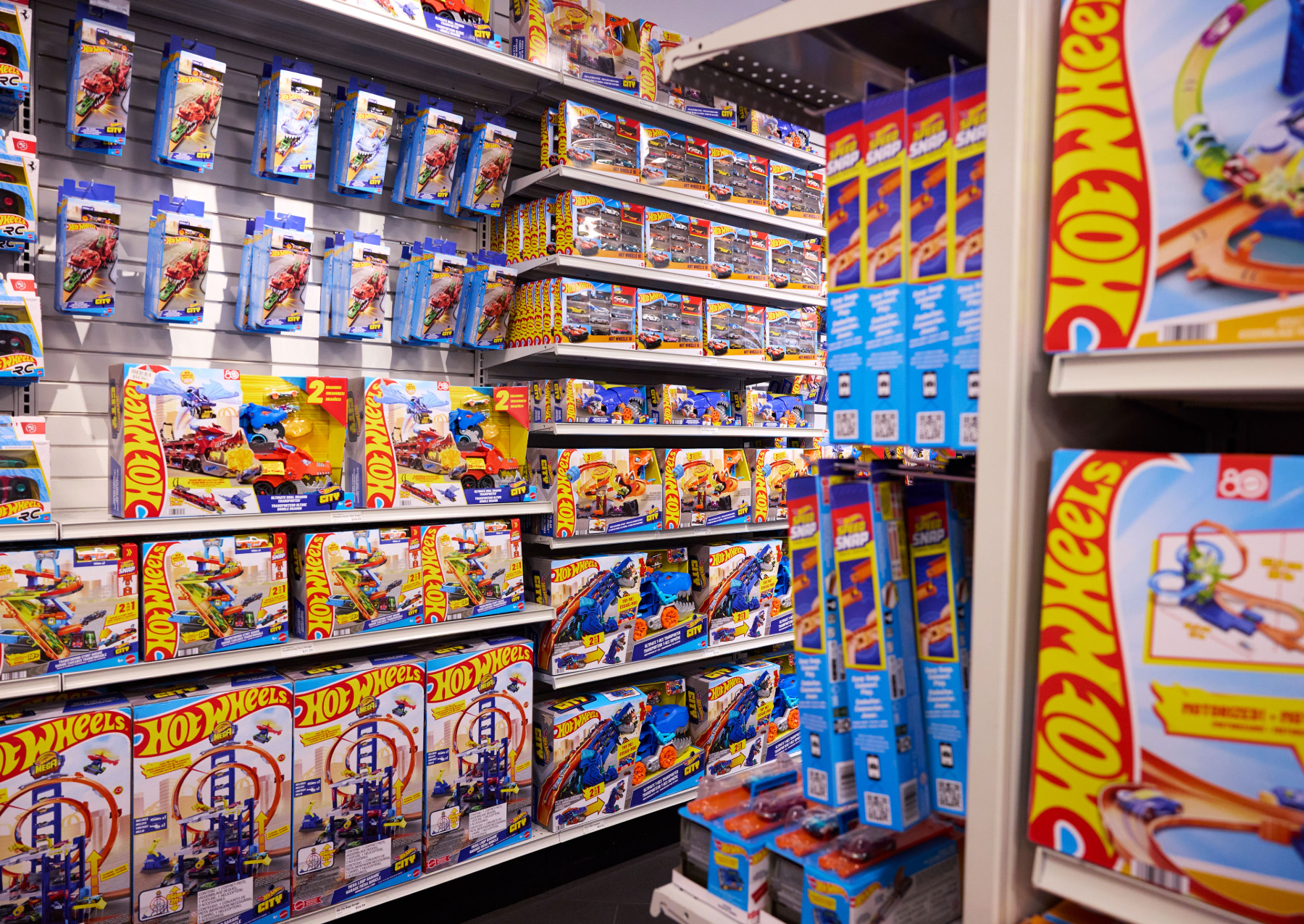
The influence of the Hot Wheels brand extends well beyond the toy aisle. According to market analysis, the collectible toy market has seen a surge in value, with rare vintage Hot Wheels models fetching tens of thousands of dollars at auction. The brand’s ability to remain relevant is largely attributed to its commitment to demographic diversity, catering to both the young demographic that views the cars as playthings and the adult collector market that views them as serious investments.
The operational efficiency at the Handler Team Center is reflected in the speed of the production pipeline. From the initial sketch to the final assembly, a design team must balance material costs, safety regulations, and the constraints of the die-casting process. The use of zinc alloy as a primary material allows for intricate detailing, yet it requires precise mold design to maintain the structural integrity of the vehicle during the high-pressure casting process.
Strategic Implications of the Brand’s Evolution
The decision to publish documentation on these internal design processes, as seen in the recent release of Hot Wheels: The Creative Drive, indicates a broader corporate strategy to humanize the design process. By showcasing the designers as creators and artists, Mattel is effectively increasing the perceived value of the physical products. This transparency fosters a stronger connection with the collector community, which increasingly demands insight into the “how” and “why” behind product development.
Industry experts note that this focus on storytelling is essential in an era where physical toys must compete with immersive digital media. By highlighting the craftsmanship—the deep-house music playing in the studio, the sketches on sticky notes, and the collaborative friction of the design team—Mattel is positioning its products not just as plastic and metal, but as curated pieces of automotive art.
Looking Toward the Future
As the brand approaches its sixth decade, the challenges facing the design center are shifting. The rise of electric vehicles and autonomous technology is changing the way designers perceive the "car" itself. The Hot Wheels Design Center is currently integrating these trends into their future lineups, ensuring that the toy cars of tomorrow reflect the shifting landscape of the automotive industry.
The environment within the design studio—characterized by its black light-blocking hoods and cluttered, creative workspaces—is intentionally designed to facilitate this ongoing innovation. It is an ecosystem that rewards risk-taking and rapid experimentation. Whether through the inclusion of new, sustainable materials or the expansion of digital-to-physical design workflows, the team in El Segundo continues to operate on the premise that, even at a 1:64 scale, the potential for innovation is limitless.
Ultimately, the success of the brand is rooted in a singular, consistent mission: the creation of a product that captures the imagination. As Dwayne Vance noted during the development of the latest Custom Camaro, the goal for any designer is to create something that forces a reaction from the consumer. When a collector or a child picks up a vehicle, the design must communicate a sense of "attitude" and speed, confirming that despite the evolution of technology, the core appeal of Hot Wheels—the sheer, visceral joy of a well-designed car—remains unchanged.
The ongoing legacy of the Handler Team Center serves as a testament to the fact that when imagination is backed by engineering precision, the resulting products become more than just toys; they become part of a global cultural conversation about design, performance, and the enduring human fascination with the automobile. As the company looks toward its next milestones, the focus remains on the same fundamental principles that launched the brand in 1968: speed, style, and the pursuit of the next great, wild idea.
