
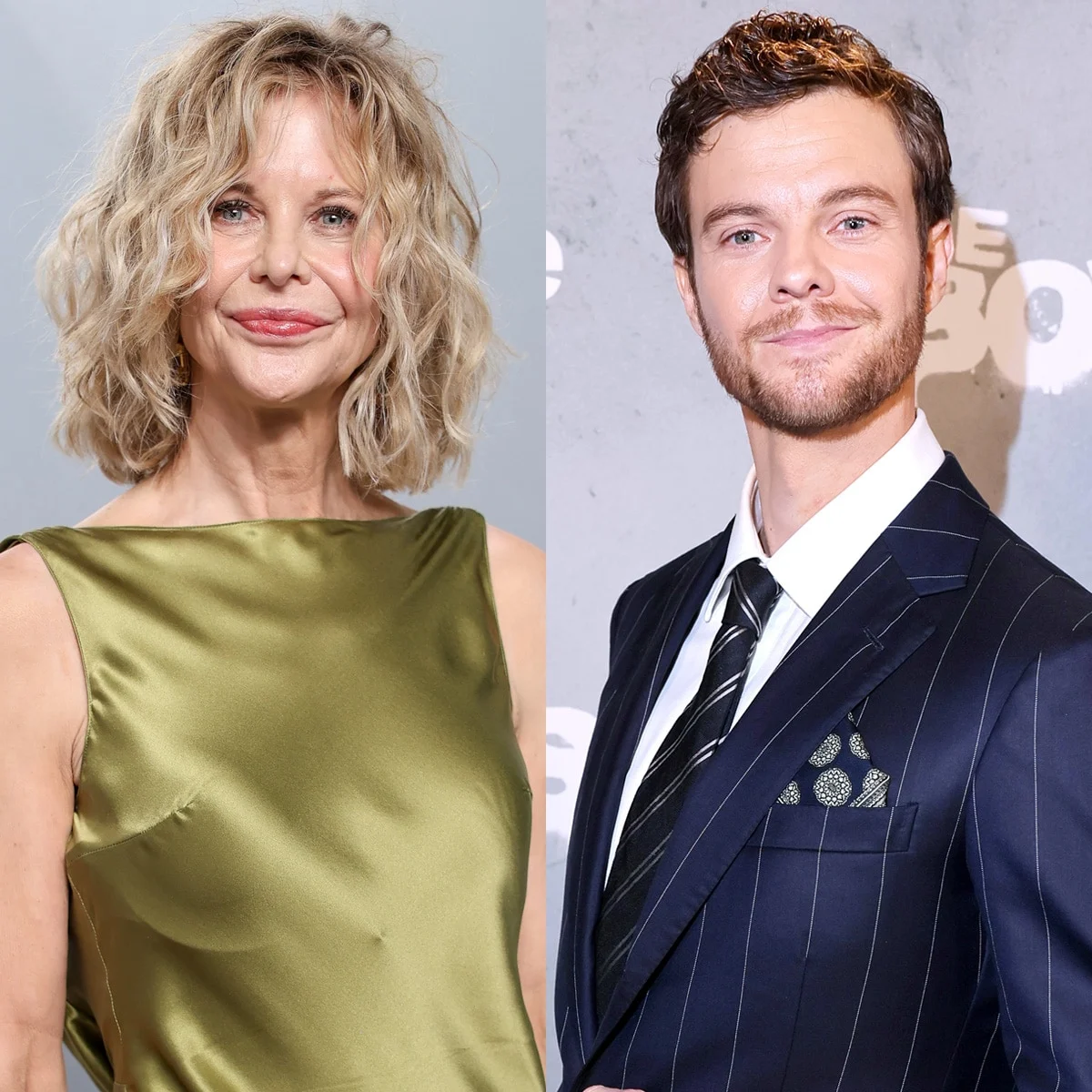
The City of Angels played host to a significant cultural moment on September 19, as screen icon Meg Ryan and her son, actor Jack Quaid, made a highly anticipated joint public appearance. The mother-son duo attended the grand opening of the Lucas Museum of Narrative Art in Los Angeles, marking their first red carpet engagement together in nearly nine years. Their previous shared public sighting dates back to a December 2017 New York Knicks game, underscoring the rarity of this specific appearance in the context of their respective high-profile careers.
The Lucas Museum of Narrative Art: A Cultural Backdrop
The opening of the Lucas Museum of Narrative Art, established by filmmaker George Lucas and Mellody Hobson, served as the premier setting for this reunion. The museum, located in Exposition Park, is designed to be a global hub for visual storytelling, housing an extensive collection of narrative art that spans from fine art and photography to cinema and digital media. The star-studded nature of the opening night underscored the intersection of Hollywood legacy and artistic preservation. Ryan and Quaid’s attendance was not merely a personal outing but a contribution to the event’s prominence within the entertainment industry.
Meg Ryan, 64, maintained an elegant aesthetic for the evening, choosing a black jacquard midi dress accented with ruffled trim—a contemporary take on the timeless little black dress. Her styling was characterized by restraint, featuring minimal accessories including a silver cuff bracelet and classic black sunglasses. Jack Quaid, 34, known for his breakout role in the hit series The Boys, complemented his mother’s aesthetic with a sharp, dark gray suit paired with a white dress shirt and a black printed tie. Notably, Quaid was seen wearing his wedding band, reflecting his April marriage to actress and collaborator Claudia Doumit.
A Career Retrospective and Recent Trajectory
Meg Ryan’s return to the spotlight follows a deliberate period of semi-retirement from the intense pressures of A-list Hollywood visibility. After a hiatus from leading roles, Ryan returned to the creative forefront in 2023, both directing and starring in the romantic comedy What Happens Later opposite David Duchovny. This project marked a significant shift in her career, transitioning from her status as the quintessential "America’s Sweetheart" of the 1990s to a behind-the-camera authority.
Jack Quaid, conversely, has spent the last decade establishing a distinct professional identity independent of his famous parents, Meg Ryan and Dennis Quaid. Having secured a permanent foothold in the industry through his performance as Hughie Campbell in the Amazon Prime series The Boys, Quaid has navigated the complexities of being a "second-generation" actor in a modern digital landscape that is hyper-aware of industry lineage.
The "Nepo Baby" Discourse and Public Defense
The intersection of their careers has frequently been subject to the ongoing industry debate regarding nepotism. In a 2023 interview with Glamour, Ryan addressed the criticism leveled at her son, labeling the "nepo baby" discourse as dismissive. "Jack is really talented. He’s more of a natural than I’ll ever be," Ryan asserted. She emphasized that such labels fail to account for his rigorous work ethic, his creative gifts, and his profound sensitivity toward the privilege that accompanies his background.
Quaid has consistently approached the subject with a measured perspective. In a 2024 interview with The Daily Beast, he acknowledged his mother’s intervention not as an attempt to control the narrative, but as a reflection of her protective nature. "My first thought was like, she’s being a mom," he explained. "She’s being a loving mom." This dynamic highlights the challenges faced by celebrity families in the public eye, where personal support systems are often interpreted through the lens of public relations.
Generational Shifts and Legacy in Hollywood
The appearance of Ryan and Quaid is part of a larger, observable trend in the entertainment industry: the rising visibility of established stars alongside their adult children. Whether through red carpet appearances or collaborative projects, this phenomenon reflects the cyclical nature of Hollywood. Historically, family dynasties—from the Barrymores and Fondas to the Douglases—have defined the industry’s aesthetic and power structures.
This current era, however, is distinct due to the role of social media in shaping public perception. Younger actors, such as Quaid, are tasked with reconciling their family legacy with their own artistic endeavors in an age where every move is scrutinized on digital platforms. The contrast between Ryan’s era of press-managed stardom and Quaid’s era of audience-interactive engagement provides a compelling case study on the evolution of celebrity.
Comparative Analysis of Second-Generation Success
The industry is currently seeing a surge in high-profile offspring who are effectively bridging the gap between legacy and merit. This includes figures such as Maya Hawke, daughter of Uma Thurman and Ethan Hawke, who has successfully transitioned from model to critically acclaimed actress; and Zoë Kravitz, daughter of Lisa Bonet and Lenny Kravitz, who has carved out a niche as both a director and a leading lady.
Furthermore, the longevity of these careers often depends on the ability of the individual to establish a distinct "brand." For instance, Scott Eastwood has navigated the action-movie genre, while Lila Moss has followed her mother Kate Moss into high fashion. These individuals often utilize their early visibility to open doors, but their sustained success in the industry suggests that the audience demand for talent remains the primary factor in career longevity.
Broader Implications for the Entertainment Industry
The reunion of Meg Ryan and Jack Quaid at the Lucas Museum opening carries implications for the way Hollywood manages its internal narratives. By appearing together, they effectively neutralized the divisive nature of the nepotism debate, presenting instead a portrait of professional mutual respect. For the museum itself, the presence of such industry stalwarts reinforces the institution’s role as a nexus for those who shape modern culture.
As the industry looks toward the post-2026 landscape, the focus remains on how these established figures utilize their platform. For Ryan, her focus on directing suggests a move toward mentorship and creative control. For Quaid, his continued role in major franchise television signals a career trajectory that is firmly established on its own merits.
The public’s continued fascination with these family dynamics—as evidenced by the high volume of interest in celebrity pairings—suggests that the "legacy" narrative is far from waning. It remains a foundational element of the Hollywood business model, providing a sense of continuity that audiences find both comforting and intriguing. As the industry continues to evolve, the interaction between legacy and individual agency will remain a central theme for observers and participants alike.
Looking Ahead
The September 19 event was a reminder of the enduring nature of the "Hollywood family" as a central unit of the entertainment ecosystem. While media cycles often focus on the friction between generations or the critique of privilege, moments such as the one shared by Ryan and Quaid highlight the human element of a business that is often viewed through the cold lens of box office returns and social media trends.
As Meg Ryan continues to balance her legacy as a cinematic icon with her current endeavors, and as Jack Quaid continues to expand his footprint in the industry, their public appearances will undoubtedly remain topics of significant interest. The Lucas Museum opening served as an ideal backdrop for this reflection, grounding their individual narratives within a broader history of the visual arts and the stories that define them.
The future of these figures will likely be defined by their ability to maintain this balance—navigating the expectations of a public that has followed their stories for decades while pursuing the creative fulfillment that initially drew them to the industry. For now, the takeaway from their recent outing is clear: the connection between a parent and child in the entertainment industry is complex, but when viewed through the lens of mutual support and artistic recognition, it becomes a compelling narrative of its own.

