
As the tectonic history of the Western United States has left the Earth’s crust thin and permeable in specific corridors, the planet’s internal heat is being tapped by a new generation of geothermal energy companies. These firms are utilizing advanced drilling technologies—many adapted from the petroleum sector—to reach thermal reservoirs once deemed inaccessible. This shift comes at a critical juncture: the rapid proliferation of artificial intelligence and massive data centers, which require a constant, "firm" supply of electricity that weather-dependent solar and wind energy struggle to provide reliably.
The Convergence of Tech Demand and Geothermal Supply
The surge in demand for geothermal power is inextricably linked to the ambitions of Big Tech. Corporations such as Google and Meta have committed to aggressive net-zero emissions targets, yet the reality of operating data centers—which must function 24/7—demands a baseline power source. Conventional renewables, while essential, suffer from intermittency.
In June 2025, a significant milestone was reached when Google finalized an agreement to procure 396 megawatts of power from Fervo Energy’s Cape Station facility in southwestern Utah. This single project is expected to generate enough electricity to power approximately 430,000 homes, providing a blueprint for how tech giants might satisfy their growing energy hunger. Meta has followed a similar path, securing deals in New Mexico to support "closed-loop" geothermal initiatives.
This corporate interest has catalyzed a flurry of activity on public lands. Federal agencies reported record-breaking per-acre bids from developers seeking geothermal leases in the Mountain West this year, signaling that the industry has shifted from a niche experimental sector to a primary player in the regional energy market.
The Paradox of Water in an Arid Landscape
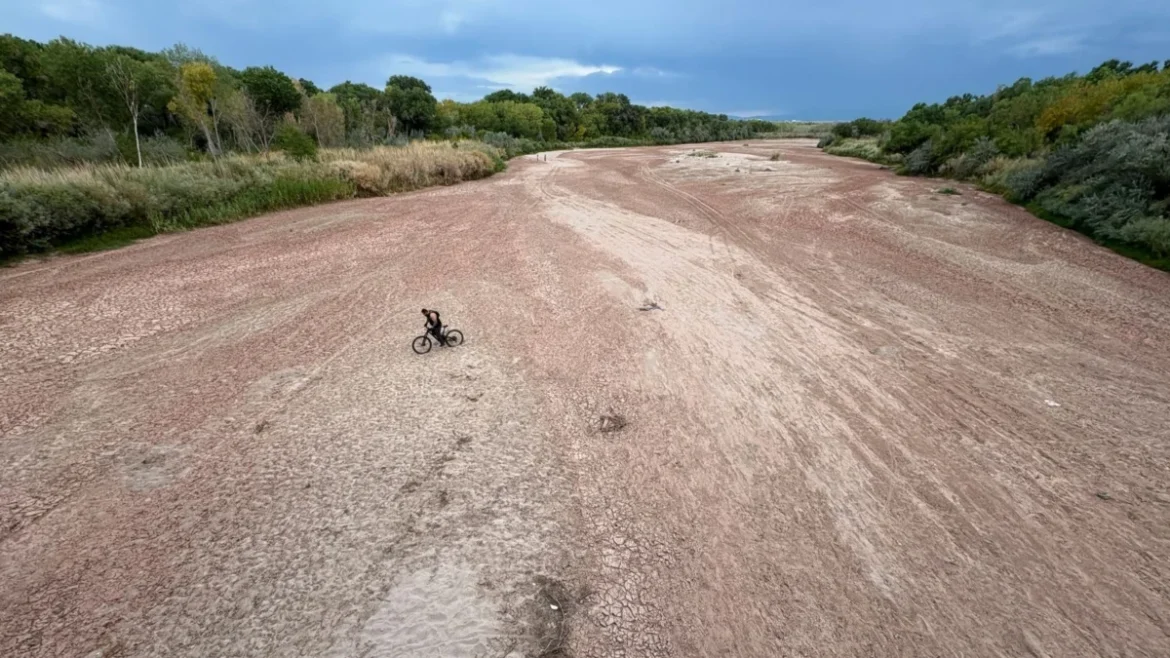
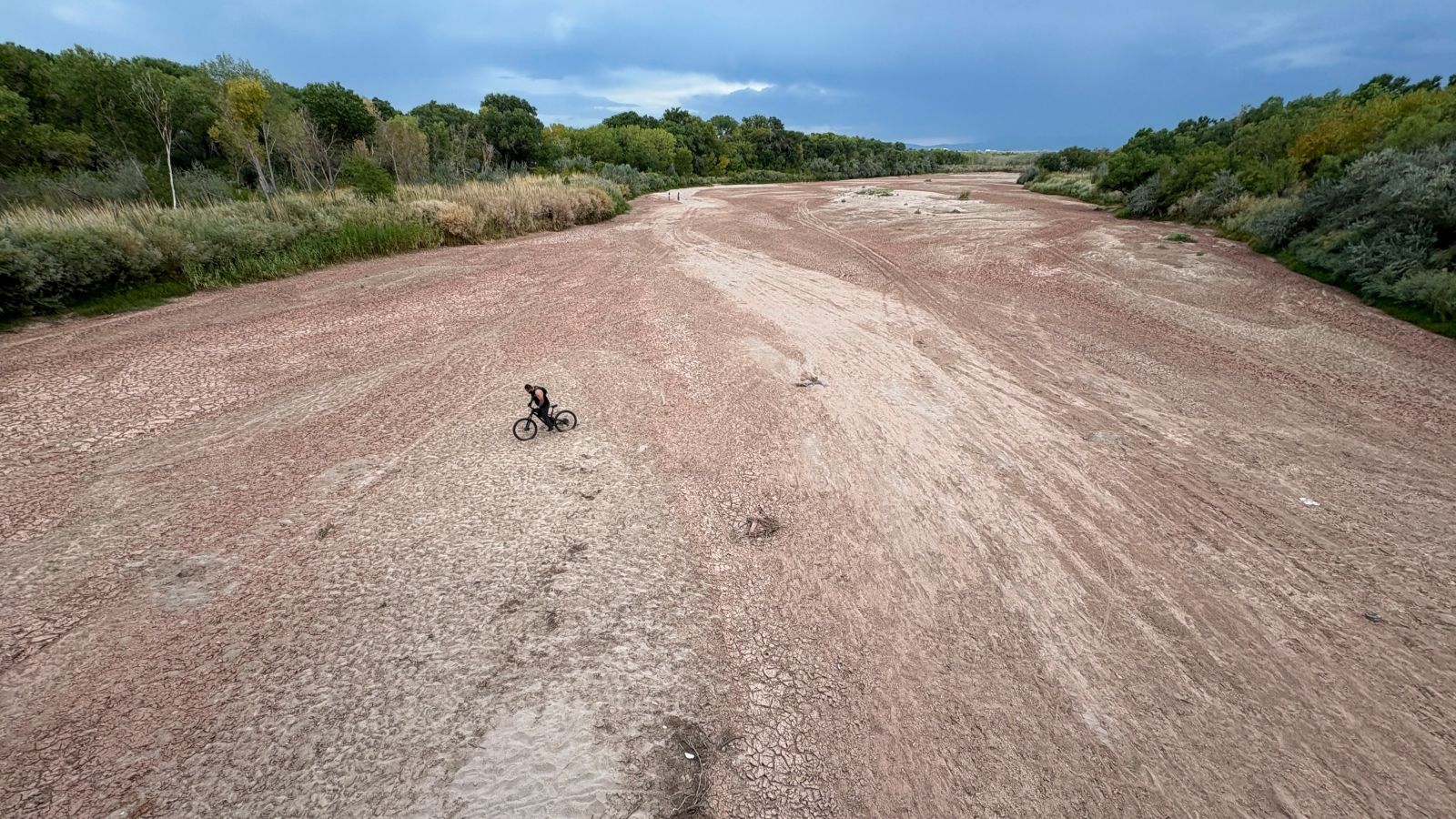
Despite the potential for geothermal to provide clean, constant energy, the industry faces a significant geographic and environmental irony: the regions with the best geothermal potential are often those suffering from the most severe water scarcity.
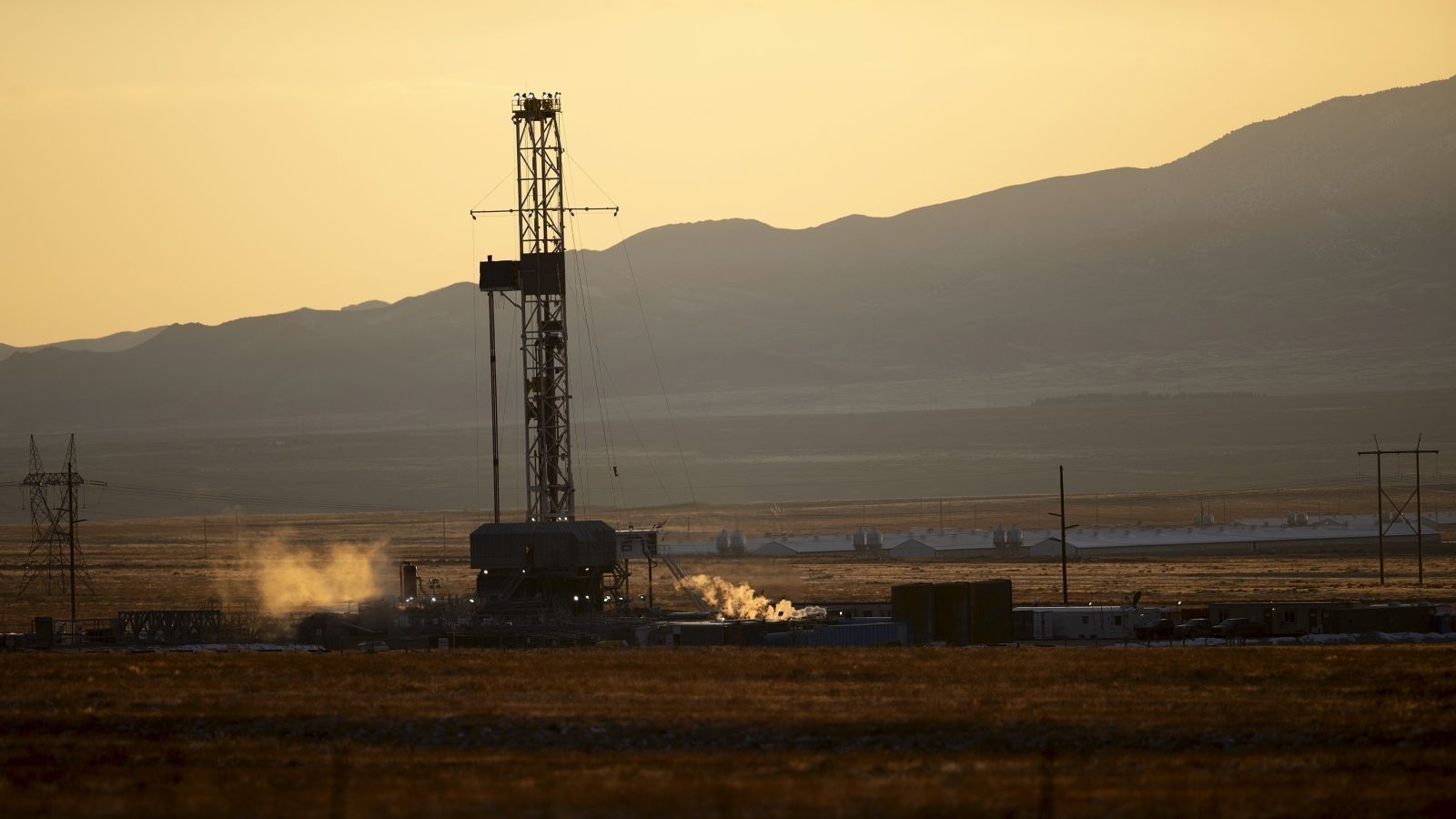
Traditional geothermal power plants operate as sophisticated heat exchangers, bringing hot underground water to the surface to spin turbines before reinjecting it into the reservoir. However, "next-generation" systems, such as those utilizing Enhanced Geothermal Systems (EGS) or closed-loop technology, require additional water to circulate heat from deep within the rock.
For data centers, this creates a dual-pressure scenario. Not only do the servers themselves require massive amounts of water for cooling to prevent thermal failure, but the very power plants meant to run those servers are also competing for the same limited, arid-state water resources. The political optics are increasingly complex, as local communities in states like New Mexico and Nevada grapple with historic droughts while observing the massive water consumption of industrial-scale energy projects.
Technical Innovations: Closed-Loop vs. Enhanced Geothermal
The industry is currently divided between two primary technological approaches, each with distinct trade-offs regarding water usage and scalability.
- Closed-Loop Systems: Companies like XGS Energy are pioneering closed-loop designs that circulate a working fluid through a sealed pipe system. This design prevents the fluid from coming into contact with the surrounding geology, theoretically eliminating the risk of water loss through evaporation or seepage. Proponents argue this is the only sustainable path for geothermal in the desert, as it recycles the same water indefinitely. However, skeptics, including academic researchers at Stanford, point out that these systems often produce less electricity per well and may face higher operational costs compared to open-loop designs.
- Enhanced Geothermal Systems (EGS): This method involves the use of hydraulic stimulation—essentially fracking the hot rock—to create an artificial reservoir. While more efficient at generating large-scale power, EGS systems are prone to water loss. Data from Fervo’s Project Red in Nevada indicated a 30 percent loss rate of injected water during early testing. While newer designs aim to reduce this significantly, even a 5 percent loss rate represents a substantial volume of water if deployed at the gigawatt scale.
Analyzing the 2 Gigawatt Challenge
The scale of the energy requirement for future data centers is difficult to overstate. When Oracle announced plans for a 2-gigawatt expansion in New Mexico, it sparked a debate regarding the environmental footprint of such a massive undertaking.
Kristie McLin, a principal investigator at the government-backed Utah FORGE laboratory, recently modeled the water impact of replacing such a load with enhanced geothermal. Her estimates suggest that a 2-gigawatt facility could require as much as 42 million gallons of water per day. To put this in perspective, that figure is equivalent to roughly half the daily water consumption of the entire city of Albuquerque.
"This is a real problem that the industry absolutely needs to figure out," McLin noted. "When this demand is additive and all other water sources are already allocated, the math becomes very challenging."
Chronology of Modern Geothermal Expansion
- 2023–2024: California’s Public Utilities Commission mandates that utilities procure "clean firm" power to meet 2045 net-zero goals, putting geothermal in the spotlight.
- Early 2025: Fervo Energy achieves commercial-scale success with its Project Red in Nevada, proving the viability of EGS technology.
- June 2025: Meta announces a strategic partnership with XGS Energy in New Mexico, prioritizing water-efficient, closed-loop technology.
- Late 2025: Google secures a major purchase agreement for the Cape Station facility in Utah, setting a new benchmark for corporate-backed geothermal capacity.
- 2026: Public opposition rises against specific "Project Jupiter" data centers in New Mexico, highlighting the tension between local resource management and tech-sector growth.
Official Responses and Strategic Implications
Industry leaders, while acknowledging the risks, maintain that geothermal is a necessary component of the global energy transition. Mike O’Connor, director of the Mountain West Geothermal Consortium, emphasizes that the current interest from tech companies is a "bridge" that could lower the cost of capital for future projects, eventually making geothermal affordable for residential and commercial grids at large.
The regulatory environment remains the most significant hurdle. In California, regulators have already mandated the procurement of 1 gigawatt of clean firm power by 2026. Because solar and wind provide significant energy during peak sunlight but fail to provide the reliable baseline required at night, utilities are increasingly looking to geothermal as the only viable substitute for natural gas peaker plants.
Future Outlook: A Path to Sustainability
The technical challenges facing the industry are currently the subject of intense research at facilities like Utah FORGE. By experimenting with well-spacing and injection techniques, researchers hope to minimize the "thirsty" nature of geothermal plants.
The ultimate success of this energy source will depend on a "trilemma" of variables: the ability to maintain lower costs, the development of water-efficient technology, and the ability to navigate the complex water rights that define the American West.
If these firms can prove that geothermal can function without depleting local aquifers, they may solve the biggest problem currently facing the tech industry. If they fail to reconcile their water usage with the realities of a drying landscape, however, they risk becoming a flashpoint for environmental conflict, potentially stalling the very transition to green energy they seek to facilitate.
For now, the sector sits at a crossroads. The geological potential of the West remains immense, but the transition from a theoretical energy source to a grid-dominating reality will be measured not just in megawatts, but in the stewardship of the water that makes the process possible. The coming decade will determine whether geothermal can truly become the backbone of the clean energy grid or if it will be limited by the very geography it aims to exploit.
