
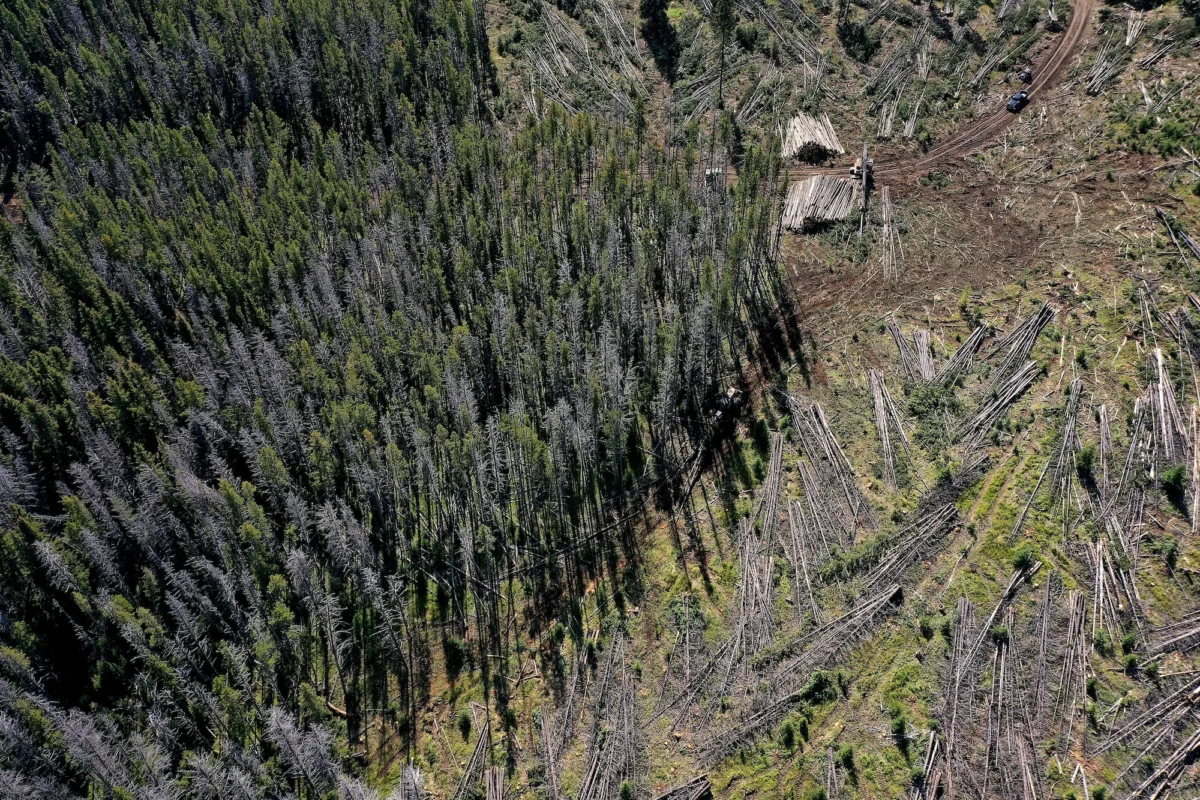
For decades, the United States Forest Service has operated under a foundational regulatory principle regarding the 193 million acres of public land under its stewardship: "closed unless designated open." This mandate, codified in the Travel Management Rule, requires that motorized access be explicitly permitted on a trail-by-trail, road-by-road basis. However, a significant policy shift proposed by the Trump administration aims to invert this regulatory framework, potentially opening thousands of miles of forest trails to motorized vehicles unless they are specifically marked as closed.
The proposed revision, introduced in late August, seeks to streamline what the U.S. Department of Agriculture describes as overly complex regulatory requirements. By shifting the default status of forest features to "open," the agency argues it will simplify management and enhance recreational access for all Americans. Yet, the proposal has triggered a fierce backlash from a broad coalition of stakeholders, including conservationists, sportsmen, and backcountry recreation groups, who fear the change could signal the end of effective land-use planning and lead to irreparable ecological degradation.
A Chronology of Policy Shifts
The history of forest management in the United States is marked by a transition from broad, unmanaged access to increasingly structured oversight. In the early 20th century, the expansion of logging roads and informal trails was largely unchecked. By the late 1900s, the explosion in popularity of All-Terrain Vehicles (ATVs), side-by-sides, and off-highway motorcycles created new challenges for forest managers.
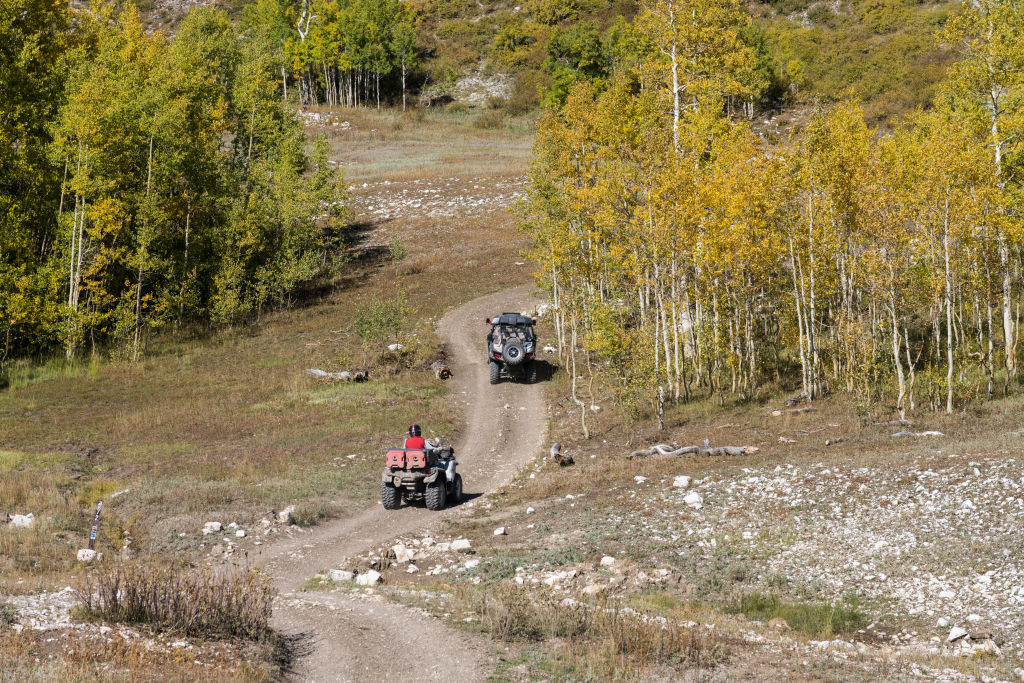
The current Travel Management Rule was finalized in 2005 to address this surge in motorized use. It mandated that each National Forest produce a Motor Vehicle Use Map (MVUM), a clear, legally binding document showing exactly where motorized vehicles are allowed. These maps were the result of years of public input, environmental assessments, and site-specific analysis.
The current proposal to reverse this rule represents the most significant challenge to federal land management in nearly two decades. Following the August announcement, the initial public comment period was met with such a volume of protest that the Forest Service extended the deadline from September 23 to October 6, 2026. This move follows a similar pattern seen in the administration’s recent efforts to rescind the 2001 Roadless Rule, a policy that historically shielded 45 million acres of forest from commercial development and road construction.
The Ecological Stakes: Lessons from the Middle Fork
The debate over motorized access is not merely abstract; it carries immediate consequences for watershed health and biodiversity. Chris Edgington, a project manager with Montana Trout Unlimited, has spent years observing the impacts of vehicle traffic on the Middle Fork of the Judith River in central Montana.
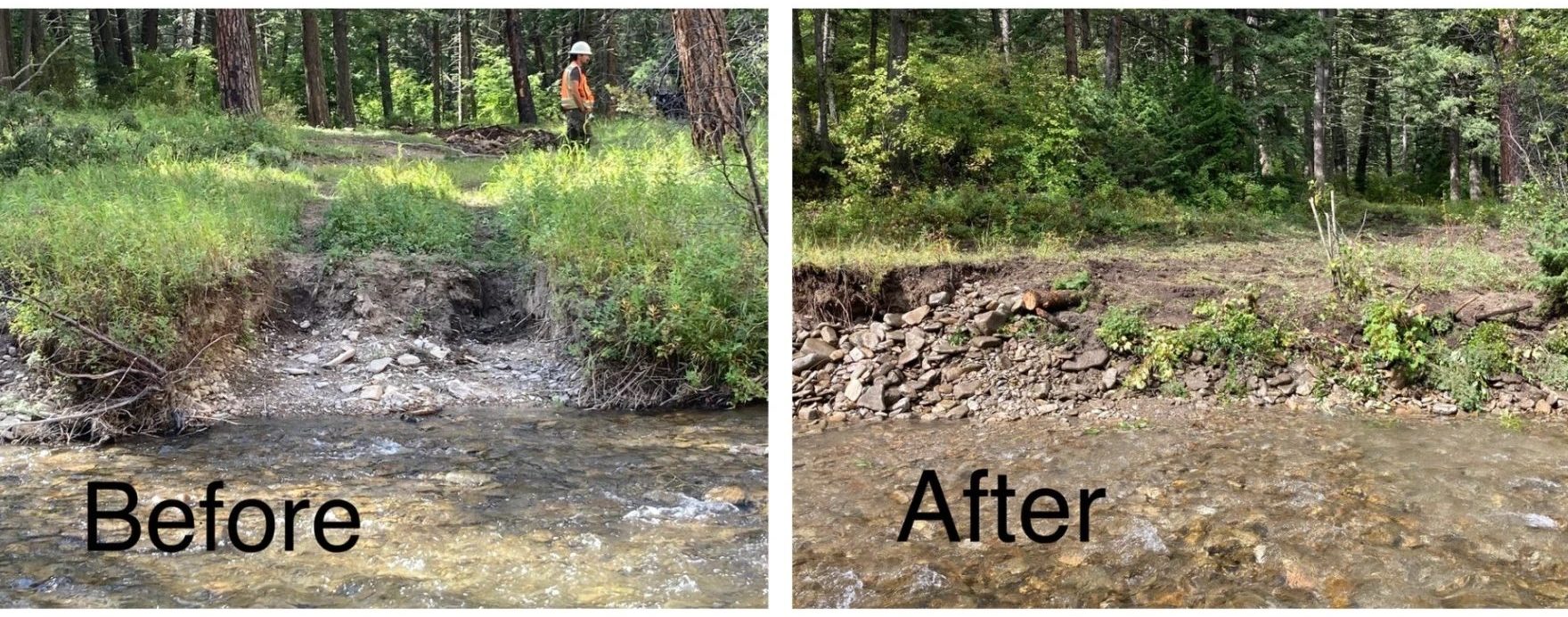
Prior to a major restoration effort that concluded in 2023, the river corridor was heavily impacted by unregulated vehicle crossings. With over 80 entry points and 27 shallow crossing spots, the river experienced significant sediment loading. This influx of fine particles smothered the gravel beds essential for fish spawning and crippled the local aquatic insect population. By 2020, data indicated that the local fish population had plummeted to less than 10 percent of historical averages for that river type.
"The river had become over-widened and shallow, losing its ability to manage its natural sediment load," Edgington explained. "We saw firsthand that when the ecosystem is too sensitive, motorized equipment—no matter how well-intentioned the operator—can cause damage that takes years and significant taxpayer investment to reverse."
The subsequent restoration involved a collaborative effort between the Forest Service, motorized recreation groups like the Great Falls Trail Bike Riders Association, and conservationists. They successfully reduced crossings by 80 percent and rerouted trails away from the immediate river bank. Edgington warns that a wholesale repeal of existing travel management structures would undermine the legal certainty required to secure funding for such projects. "If these protections are removed, we risk losing the very foundation that allows us to restore these watersheds," he noted.
Conflicting Perspectives on Public Land Access
The divide between supporters and opponents of the proposed rule centers on the philosophy of public land utility. Proponents, such as Kerry White of the nonprofit Citizens for Balanced Use, argue that current regulations are too restrictive and hinder access for elderly citizens and individuals with physical disabilities who rely on motorized vehicles to experience the backcountry.
"This is public land, and it belongs to all of us," White said. "Making trails open unless posted closed places the responsibility on the agency to clearly mark and maintain closures, which provides a more user-friendly experience for everyone." Supporters of the rule change emphasize that existing environmental laws, such as the National Environmental Policy Act (NEPA), remain in place, meaning that large-scale infrastructure projects or commercial developments could not proceed without rigorous environmental review.
Conversely, Hillary Eisen, federal policy director for Wild Montana, argues that the "open unless closed" approach is a fundamental misunderstanding of landscape management. She warns that the policy is vague and poorly defined, potentially allowing motorized access on "features" that were never intended to be trails, such as game trails, drainage ditches, or overgrown paths.
"The travel management rule provides a sense of order that every user relies on," Eisen stated. "If we move to an open-by-default system, we will see an immediate increase in conflict between motorized users, hikers, and horseback riders. More importantly, we will see habitat fragmentation in areas that were specifically set aside to remain quiet and intact."
Broader Implications and Federal Context
The proposed change to travel management does not exist in a vacuum. It is part of a broader, aggressive push by the current administration to reassess federal land regulations. The proposed rescission of the Roadless Rule, which would open millions of acres of previously protected wilderness to potential logging and road building, is seen by critics as part of a larger ideological shift away from long-term conservation.
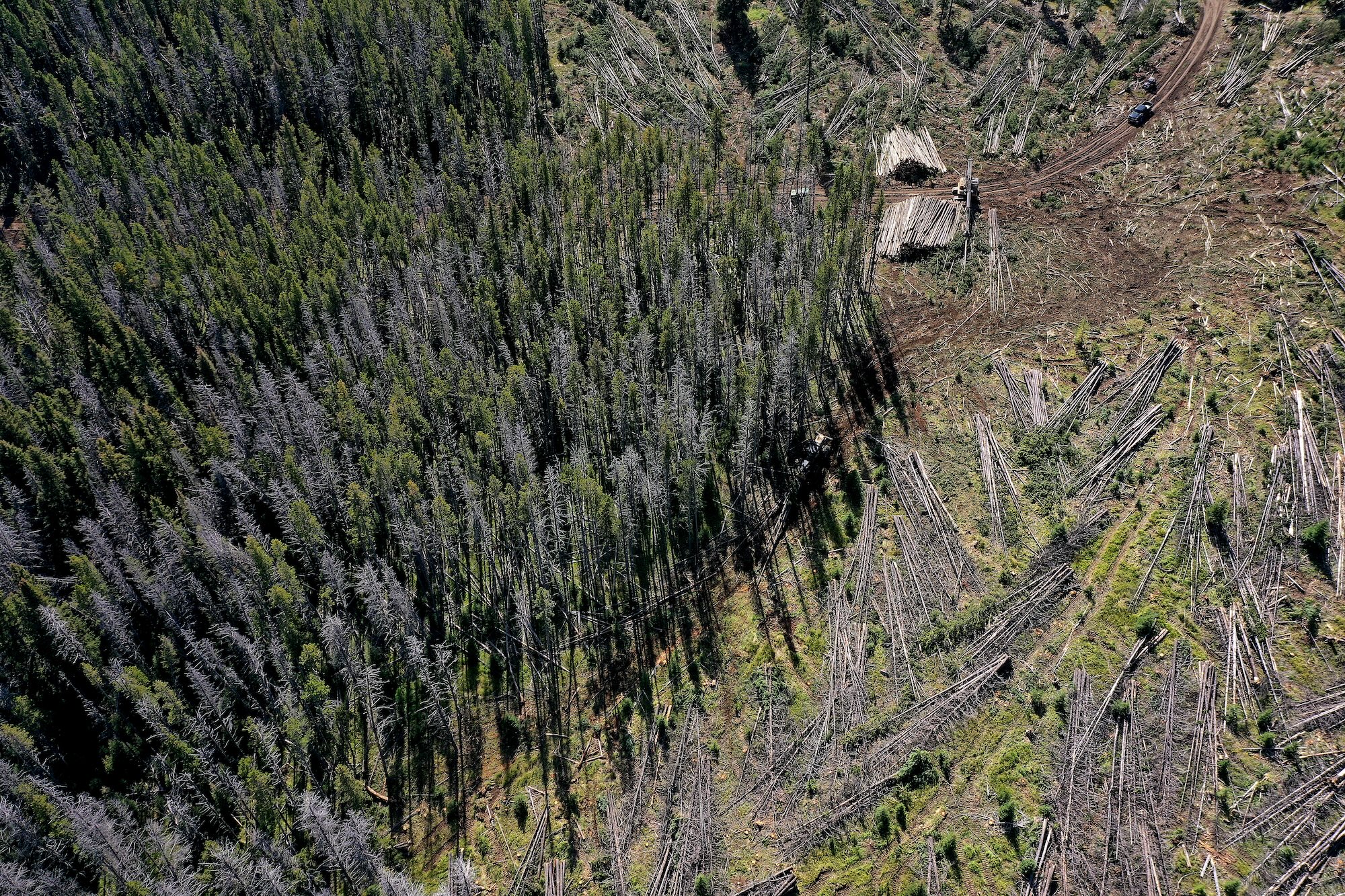
Scientific studies from the Forest Service and other academic institutions have consistently identified road construction and motorized access as primary drivers of habitat fragmentation. Roads facilitate the spread of invasive, noxious weeds, disrupt wildlife migration patterns, and have been statistically linked to an increase in human-caused wildfires.
Furthermore, the economic implications are significant. The outdoor recreation industry in the United States generates hundreds of billions of dollars annually. While motorized recreation is a vital component of this economy, conservation groups point out that the value of "intact" ecosystems—which provide carbon sequestration, water purification, and biodiversity—is also a public asset that requires protection.
Analysis: The Path Forward
The fundamental tension lies in the definition of "access." For one group, access is defined by the ability to reach a destination via a machine; for another, it is defined by the quality of the environment and the solitude of the experience.
If the Forest Service proceeds with the rule change, it will likely face years of litigation. Legal experts suggest that any change to the rule would need to undergo a formal administrative record-building process to satisfy the requirements of the Administrative Procedure Act. If the agency fails to provide a robust scientific justification for why a shift to "open unless closed" will not lead to significant environmental degradation, courts may intervene.
As the public comment period approaches its October 6, 2026, conclusion, the agency faces a daunting task. It must reconcile the desire for expanded access with the legal and ethical mandates to protect the nation’s natural resources for future generations. For now, the future of the American backcountry remains in flux, caught between the competing visions of how public lands should be utilized in a warming and increasingly crowded world.

