
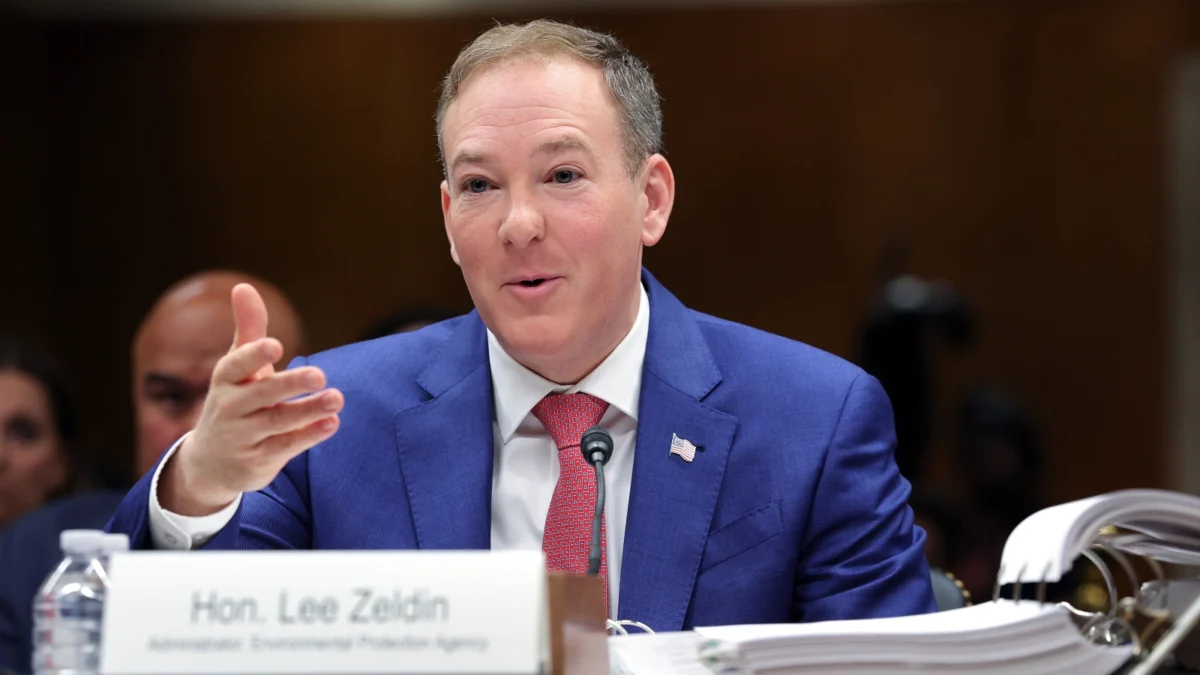
The legal battle pits a coalition of environmental organizations, including the Natural Resources Defense Council (NRDC) and the American Public Health Association (APHA), against the Environmental Protection Agency (EPA). At the heart of the dispute is the Biden-era rule designed to significantly curb carbon emissions from the power sector, a regulation the current administration is now working to dismantle. Advocates argue that the repeal will not only accelerate climate change but also jeopardize the public health of millions by reversing progress on air quality standards.
The Regulatory Backdrop: From Compliance to Uncertainty
The regulation currently targeted for repeal established a clear, albeit challenging, trajectory for the U.S. energy grid. Under the EPA’s previous framework, existing coal-fired power plants were faced with a definitive ultimatum: implement carbon capture and sequestration (CCS) technology or shutter their operations entirely by the 2032 deadline. For new natural gas plants, the rules imposed strict operational limits, requiring utilities to either install advanced carbon capture systems or significantly curtail the frequency at which those plants are utilized.
This regulatory framework was designed to align the American power sector with the goal of deep decarbonization. However, the transition in presidential administrations has created a "policy whiplash" that has sent ripples through regional utility planning boards, most notably in Georgia.
Chronology of Shifting Energy Priorities
The trajectory of Georgia’s power generation has been defined by a series of pivots in response to federal regulatory signals:
- 2022: Georgia Power, the state’s largest utility, publishes its long-term resource plan. The analysis concludes that, given the strict carbon emission mandates, investing in carbon capture for aging coal assets is not economically viable. The company signals an intent to retire several coal units.
- 2024: Following the election of President Trump, the regulatory climate shifts. Utilities begin adjusting their internal modeling to account for a high probability that the Biden-era EPA rules will be rescinded.
- 2025: During Georgia Public Service Commission (PSC) hearings, the impact of this uncertainty becomes clear. Georgia Power receives approval to delay the retirement of specific coal units at Plant Scherer and Plant Gaston, effectively extending their operational lives.
- 2026: The EPA formally moves to repeal the greenhouse gas standards, prompting immediate litigation from environmental and public health groups.
Data-Driven Impacts on Georgia’s Emissions
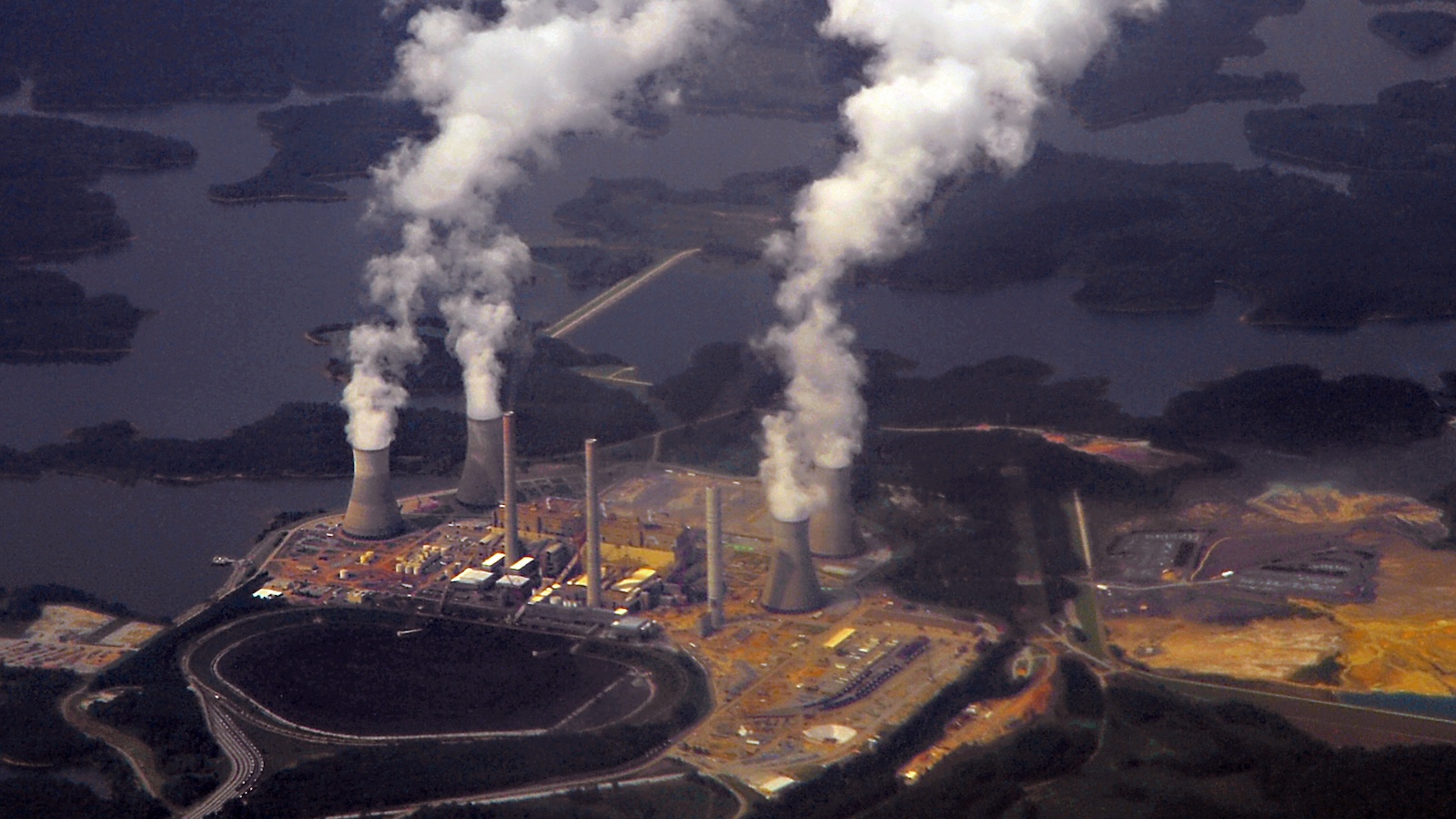
The implications for Georgia are stark when examining the projected emissions output. Data from the Energy Information Administration (EIA) highlights the scale of the assets in question. In 2024, Plant Scherer, located near Macon, released over 8 million tons of carbon dioxide. Plant Gaston, situated in Alabama but integrated into the regional grid serving Georgia, contributed an additional 2 million tons.
Maggie Shober, a researcher at the Southern Alliance for Clean Energy, notes that the "regulatory drift" has allowed utilities to maintain high-emission assets without the burden of planning for carbon capture. "Technically, the regulation was still in effect, but the market understood it was not going to stay," Shober stated.
The most significant shift, however, may come from the proliferation of new natural gas infrastructure. As Georgia experiences a surge in electricity demand—largely driven by the rapid expansion of energy-intensive data centers—the state is relying heavily on new methane-based gas turbines. Under the previous EPA rule, these turbines were expected to operate under strict constraints, potentially running at approximately 40% capacity and producing roughly 4 million tons of CO2 annually. If the current repeal efforts are successful, these plants are projected to operate at 85% capacity, potentially doubling annual carbon output to 8.5 million tons.
Official Responses and Corporate Strategy
The legal challenge is framed as a defense of public health. Georges C. Benjamin, CEO of the American Public Health Association, emphasized the human cost of the proposed rollback in a recent statement. "Clean air is a basic human right. Power plant pollution threatens the health of millions of Americans and fuels climate change, worsening extreme heat, poor air quality, and other serious health risks," Benjamin noted.
In contrast, utility providers have adopted a strategy of "regulatory hedging." Jeff Grubb, director of resource policy and planning at Georgia Power, defended the company’s decision to run multiple planning scenarios—some compliant with the EPA rule and some not—as a prudent business practice. "These scenarios provide a flexible framework for the company to evaluate its options among differing plausible future scenarios, positioning it to make informed resource planning decisions," Grubb said.
Southern Company, the parent firm of Georgia Power, has declined to provide specific details regarding how the repeal affects its broader corporate commitments. In a prepared statement, a spokesperson for the company stated that it "supports regulatory certainty with a durable framework that leads to reliable and affordable electricity for our customers." The statement notably omitted references to the company’s publicly stated goal of achieving net-zero emissions by 2050, raising questions among analysts about how the utility intends to reconcile a massive expansion of natural gas generation with its long-term climate pledges.
Analysis of Broader Implications
The battle over the EPA’s power plant rule serves as a microcosm of a larger national struggle over the pace of the energy transition. Economists and policy experts point to three primary implications of the current legal and regulatory standoff:
1. Market Instability: When regulatory rules are subject to reversal every four to eight years, capital-intensive industries like energy struggle to make long-term investment decisions. This creates a "wait-and-see" environment that can stifle innovation in clean energy technologies like hydrogen or advanced carbon capture.
2. The "Data Center" Dilemma: The rapid increase in electricity demand from the artificial intelligence and data center boom is creating a capacity crunch. Utilities are increasingly turning to natural gas as a "bridge fuel" because it is fast to deploy compared to nuclear or large-scale renewables. The rollback of federal emission standards removes the primary check on the carbon intensity of this new infrastructure.
3. Health Disparities: The legal challenge filed by the NRDC and others underscores the argument that power plant emissions are not just a climate issue but a local air quality issue. Increased usage of coal and natural gas plants—particularly those located near low-income or marginalized communities—is expected to have a direct, negative impact on regional respiratory health statistics.
Looking Ahead: The Path of Litigation
While the EPA’s proposal to repeal the standards is not yet final, the transition has already effectively occurred in the boardrooms of major utilities. The public comment period will provide an opportunity for stakeholders to voice their concerns, but given the current administration’s focus on deregulation, many observers expect the legal route to be the primary venue for resolution.
The lawsuit will likely hinge on whether the EPA has the legal authority to abandon established greenhouse gas standards without providing a robust scientific and legal justification that satisfies the Administrative Procedure Act. If the courts find that the EPA’s rationale for the repeal is insufficient, the rules could be reinstated, once again forcing utilities to scramble to adjust their long-term capital plans.
For now, Georgia remains at the center of this transition. With the state’s energy demand continuing to climb, the tension between maintaining a reliable, affordable grid and meeting carbon reduction targets has never been higher. As the legal filings progress through the court system, the future of the state’s air quality and its contribution to global climate change remains firmly in the hands of federal regulators and the judiciary. The ultimate outcome will serve as a bellwether for the rest of the country, determining whether the next decade will be characterized by a shift toward cleaner energy or a resurgence of traditional, high-emission fossil fuel generation.

