
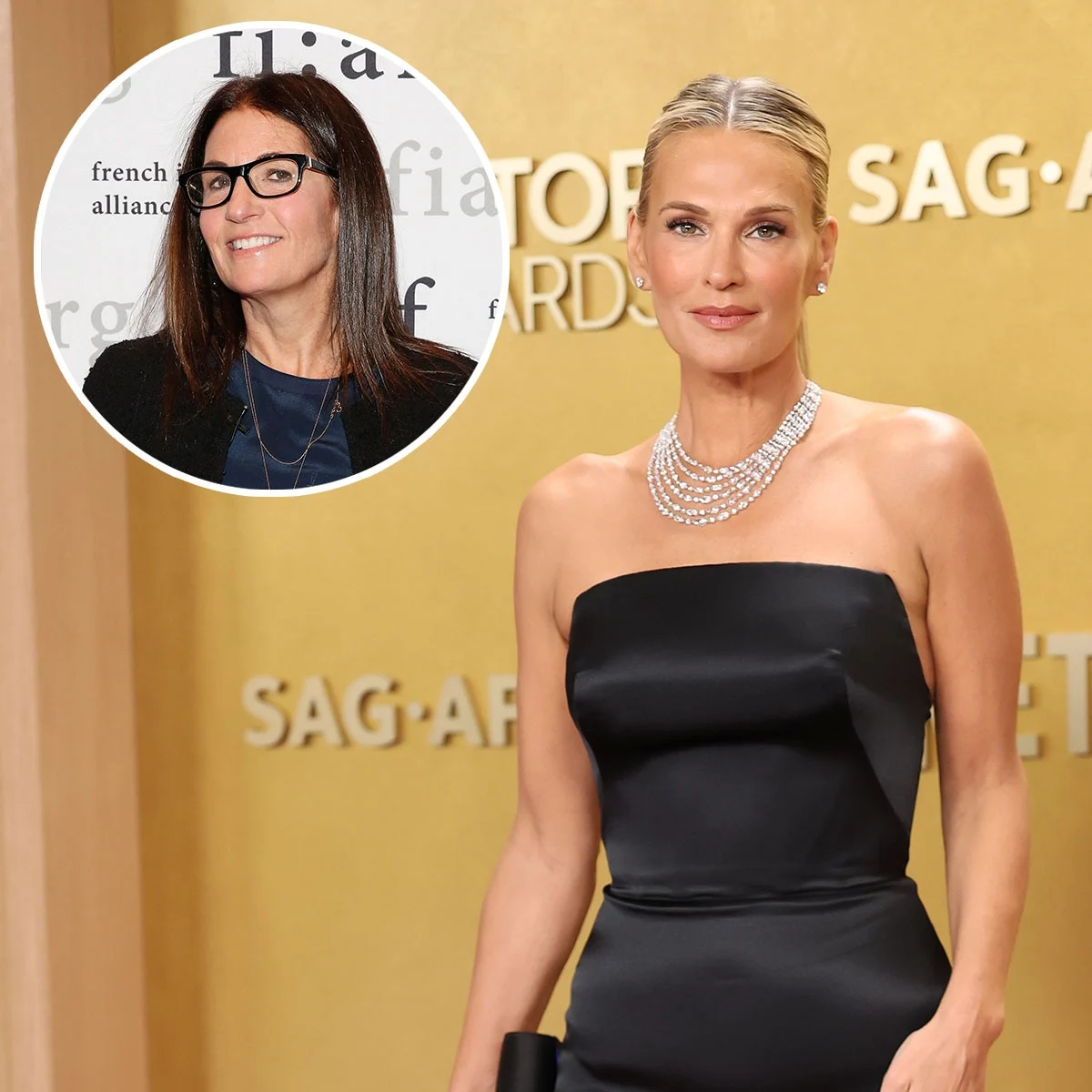
The beauty industry, a sector characterized by intense competition and a saturated marketplace, was recently the site of a high-profile intellectual property dispute between established industry titan Bobbi Brown and entrepreneur Molly Sims. The conflict centered on the naming of a new cosmetic product, highlighting the delicate balance between brand differentiation and the challenges faced by independent labels when navigating trademark landscapes.
The Origin of the Dispute
On September 19, 2024, model and entrepreneur Molly Sims took to social media to express her profound disappointment regarding the launch of a new product by Jones Road Beauty, the brand founded by iconic makeup artist Bobbi Brown. Sims, who established her beauty brand, YSE Beauty, in 2023, pointedly addressed the fact that Jones Road Beauty had released a new makeup line titled "Wide Awake."
For Sims, the grievance was not merely incidental. Her own company, YSE Beauty, had introduced a "Wide Awake Brightening Eye Cream" to the market in March 2024. Sims articulated that the similarity in naming—combined with what she perceived as parallels in marketing copy and campaign aesthetics—caused significant concern for her brand’s identity and market positioning.
In her public statement, Sims underscored the labor-intensive nature of building a boutique brand. She emphasized that her team, consisting of a small group of dedicated professionals, operates with limited resources compared to established industry giants. "I have the privilege of working with a primarily female team who bust their freaking asses every day to make this dream happen," Sims stated in her video address. "We are small, but we are mighty."
Chronology of Events
The timeline of the conflict unfolded rapidly, reflecting the speed at which information travels within the digital-first beauty economy:
- March 2024: YSE Beauty officially launches its Wide Awake Brightening Eye Cream, positioning it as a signature product within its skincare lineup.
- September 15, 2024: Jones Road Beauty launches its new collection, which includes a "Wide Awake" neutralizer and concealer.
- September 19, 2024: Molly Sims posts an Instagram video publicly calling out Jones Road Beauty for the naming overlap, citing confusion among her customers, retail partners, and brand affiliates.
- September 21, 2024: Bobbi Brown issues a formal apology via Instagram, acknowledging the oversight and committing to a rebranding of the product.
Intellectual Property and Due Diligence in Cosmetics
The situation serves as a practical case study in the complexities of trademark law within the beauty industry. In her response, Bobbi Brown addressed the logistical reality of product naming, noting that her team had performed a standard trademark search prior to the September 15 launch.
"Prior to our launch, a trademark search showed no other ownership of the name," Brown stated. This comment touches upon a common hurdle for brands: the difference between a registered trademark and the common-law usage of a name. Even when a term is not federally registered or protected by a specific trademark class, companies often rely on established brand equity. When two brands utilize the same descriptive term, confusion can arise, particularly among consumers who may associate the specific moniker with a specific brand’s ethos.
Brown’s statement was conciliatory, focusing on resolution rather than litigation. She affirmed that the overlap was an honest error and that Jones Road Beauty would discontinue the use of "Wide Awake" for its new collection. "I would never knowingly copy another product’s name," Brown added, concluding her response with a direct apology to Sims and the YSE Beauty team.
The Broader Impact on Independent Beauty Brands
The incident has ignited a broader conversation regarding the "David vs. Goliath" dynamic in the beauty industry. With the rise of influencer-led brands and independent labels, the marketplace has become increasingly crowded. According to recent data from market research firms like NielsenIQ and Euromonitor, the beauty and personal care industry is experiencing an influx of new entrants, with small, niche brands accounting for an increasing share of market growth.
This saturation creates a high-pressure environment where "naming rights" become a critical asset. For an independent brand like YSE Beauty, a product name is not just a label; it is a vital part of the brand’s search engine optimization (SEO), social media discoverability, and customer recognition. When a larger brand with significantly more reach and marketing budget launches a product with an identical name, the smaller brand risks being "drowned out" in the digital conversation, a phenomenon sometimes referred to as "brand cannibalization" of search terms.
Industry analysts suggest that the resolution of this specific dispute through a public apology and rebranding is a positive development. It underscores the importance of transparency and corporate accountability. However, it also highlights the need for more robust, cross-platform due diligence that goes beyond basic database searches, particularly for brands with high-visibility social media presences.
The Role of Social Media in Corporate Accountability
The speed at which this conflict was resolved—moving from public accusation to resolution in under 48 hours—is a testament to the power of social media as a platform for corporate accountability. In the past, such disputes might have been handled through lengthy legal correspondence behind closed doors. Today, the direct, public nature of social platforms allows entrepreneurs to mobilize their communities, forcing a faster response from larger corporations.
Sims’ approach—prioritizing the efforts of her team and appealing to the idea of a supportive industry—resonated with her followers. By positioning the issue as a matter of professional respect among female founders, she successfully shifted the narrative from a dry legal dispute to a question of industry ethics.
Future Implications for Product Development
Following this incident, industry experts anticipate that major beauty brands may implement more stringent vetting processes for product naming, potentially incorporating secondary checks that involve social media monitoring and influencer-base scanning.
For independent entrepreneurs, the incident provides a cautionary tale about the necessity of securing intellectual property early in the product development cycle. While not every small business has the capital for extensive trademark litigation, the "Wide Awake" incident demonstrates that clear, proactive communication—and a willingness to defend one’s brand identity—remains a powerful tool in a competitive market.
As for Jones Road Beauty, the process of rebranding a product that has already hit the market involves significant logistical challenges, including the disposal of existing packaging and the need to update digital marketing assets. Despite these costs, the decision to pivot is likely intended to preserve the brand’s reputation and avoid the long-term optics of being perceived as an industry entity that stifles smaller innovators.
Ultimately, the resolution of this conflict reflects a growing maturity in the digital beauty space, where the value of reputation often outweighs the short-term convenience of a catchy product name. Both Sims and Brown have emerged from the situation with their respective professional reputations largely intact, having successfully navigated a high-stakes moment of public scrutiny with swift, decisive action.

