
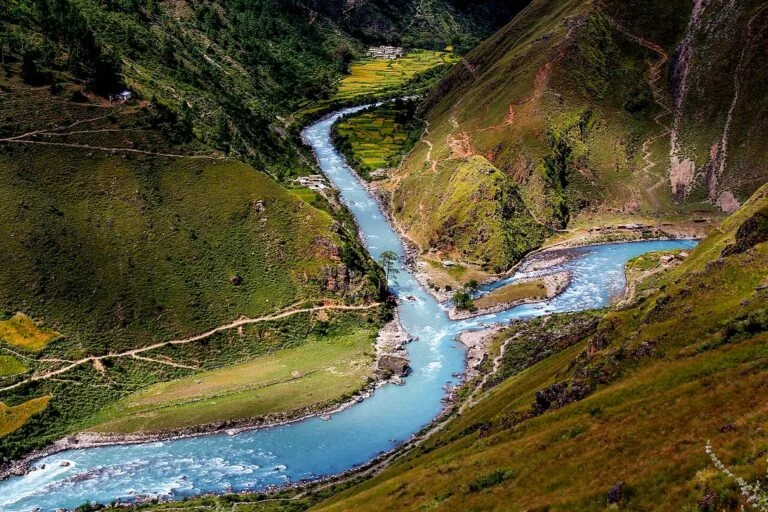
A catastrophic glacial collapse on the Tibetan Plateau has unleashed a torrent of water and debris across the Nepal-China border, resulting in a humanitarian crisis of historic proportions. As of the latest reports, confirmed fatalities have surpassed 1,000, with more than 4,000 individuals still listed as missing. The disaster, which struck the mountainous regions of Rasuwa and Nuwakot, has transformed river corridors into treacherous channels of mud and boulders. Rescue efforts remain critically hampered by the scale of the destruction, particularly at hydropower project sites along the Trishuli River. These industrial sites, characterized by extensive tunnel networks designed to channel river flow, are now choked with sediment and debris, trapping an unknown number of workers in spaces that were once large enough to accommodate heavy transport vehicles.
The event marks a harrowing inflection point for the Himalayan region, highlighting the precarious intersection of rapid infrastructure development and the accelerating impacts of climate change. For decades, researchers at the Kathmandu-based International Centre for Integrated Mountain Development (ICIMOD) have monitored the degradation of the Hindu Kush-Himalayan cryosphere. Their data indicates a consistent pattern of accelerating glacier melt, permafrost thaw, and the destabilization of mountain slopes, which collectively increase the frequency and magnitude of glacial lake outburst floods (GLOFs).

A Chronology of Environmental Vulnerability
The disaster did not occur in a vacuum. The scientific community has long warned that the Hindu Kush-Himalayas are among the most climate-sensitive regions on Earth. A brief timeline of the mounting risks includes:
- 2014-2016: Increased documentation of glacial lake expansion across the Tibetan Plateau and high-altitude Nepal, raising alarms regarding potential outburst scenarios.
- 2019-2022: Periodic reports from the Nepal Disaster Risk Reduction and Management Authority noting an uptick in landslides and flash flood incidents, which were increasingly attributed to shifting weather patterns and destabilized slopes.
- 2023-2025: Increased investment in "run-of-river" hydropower projects, despite repeated warnings from civil society organizations regarding the siting of infrastructure in high-risk, steep-gradient river corridors.
- September 2026: The collapse of a significant glacial structure triggers the current flooding event, destroying or damaging at least 11 operational hydropower plants and 15 others currently under construction.
The failure of these projects has had immediate economic consequences. Nepal, which had successfully transitioned to a net exporter of electricity to India, has been forced to reverse this trend. The loss of roughly 10% of the nation’s total generating capacity has necessitated an emergency purchase of power from India, placing an unexpected strain on the national grid and the regional economy.
The Force Multiplier Effect of Infrastructure
Engineering experts and environmental scientists are increasingly scrutinizing the role of dam infrastructure during extreme weather events. While the primary cause of the disaster was a natural glacial collapse, there is mounting evidence that the physical modifications to the landscape—tunnels, concrete diversion walls, and altered flow regimes—may have exacerbated the impact of the flood.

In many instances, the massive concrete structures and sediment-heavy tunnels intended to power the turbines became bottlenecks. As the floodwaters surged, these structures acted as "force multipliers," concentrating the energy of the debris flow and potentially increasing the damage to downstream communities. This phenomenon has sparked a heated debate regarding the sustainability of the current "dam-everything" development model, which seeks to harness the energy potential of nearly every river in Nepal.
The Karnali River: The Last Stand for Wild Waters
The Karnali River remains the only major waterway in Nepal that has escaped large-scale damming. Originating near the sacred Mount Kailash in Tibet, the river flows through the remote canyons of western Nepal before merging with the Ganges in India. It serves as a vital ecological corridor, hosting endangered species such as the giant migratory golden mahseer (Tor putitora) and the vulnerable giant catfish (Bagarius yarrelli).
The river is also a focal point for indigenous culture, including the Raute people, and supports a burgeoning ecotourism industry that relies on its status as a free-flowing, class-5 whitewater destination. Despite these values, the Karnali has been the subject of several competing dam proposals for over two decades. Proponents of these projects cite the urgent need for regional energy security and revenue generation, while opponents argue that the recent disaster on the Trishuli and Bhotekoshi rivers serves as a definitive case study for why such projects in the Karnali’s unstable, high-risk geography should be abandoned.

Official Responses and Future Policy
The government of Nepal is currently under intense pressure to reevaluate its national energy strategy. While there is no move to abandon hydropower entirely, there is a growing consensus that the "business as usual" approach to river development is unsustainable.
Environmental advocates, including the Nepal River Conservation Trust, are pushing for the permanent protection of the Karnali. They advocate for a model similar to the United States’ Wild and Scenic Rivers Act, alongside a proposal for UNESCO World Heritage status. The argument is that the Karnali represents more than just a power source; it is a vital link between the Kailash civilization of Tibet, the Khas civilization of Nepal, and the Ganga civilization of India.
Furthermore, the Phoenix Species Project, supported by international conservation funding, has highlighted the importance of the lower Karnali in Bardiya National Park as a sanctuary for the endangered gharial (Gavialis gangeticus). Conservationists argue that a dam on the Karnali would not only threaten the biodiversity of this region but also create a catastrophic risk should an upstream failure occur, similar to the events seen this month.

Toward a Diversified Energy Strategy
The discourse surrounding the future of Nepal’s rivers is shifting toward energy diversification. Nepal benefits from approximately 300 days of sunshine annually, providing a significant opportunity for the development of solar energy. Additionally, the deep river gorges and high-altitude mountain passes offer untapped potential for wind energy.
By shifting focus away from exclusive reliance on hydropower, supporters of this transition believe that Nepal could achieve a more resilient energy grid. A diversified energy portfolio would reduce the systemic risk of having the entire national power supply concentrated in vulnerable, narrow river valleys.
As the nation grapples with the aftermath of the recent catastrophe, the question of whether to proceed with further dam construction has become a defining policy challenge. For many, the tragedy is a stark reminder that nature often dictates the limits of engineering. The campaign to preserve the Karnali River has moved from a niche environmental issue to a central pillar of the debate over national security, climate resilience, and the long-term future of the Himalayan landscape.

The international community, including financiers and development banks involved in Nepal’s hydropower sector, is now tasked with assessing whether the potential economic returns of these projects outweigh the environmental and human costs in an era of climate-induced instability. The consensus among many experts is that the Karnali River should remain a "free-flowing insurance policy"—a symbol of a more sustainable approach to development that values the ecological and cultural heritage of the Himalayas as much as the kilowatt-hours they can produce.
The Path Forward
The recovery process will likely span years, and the investigation into the collapse of the hydropower projects will continue to inform future building codes and siting regulations. However, the broader lesson, as articulated by researchers and local advocates, is that the era of aggressive, unmitigated river development must conclude. By prioritizing the protection of the last wild rivers, Nepal has the opportunity to lead the region in a new model of development—one that acknowledges the realities of a changing climate and treats its rivers not merely as conduits for energy, but as the lifeblood of its people and the foundation of its ancient cultural identity.
