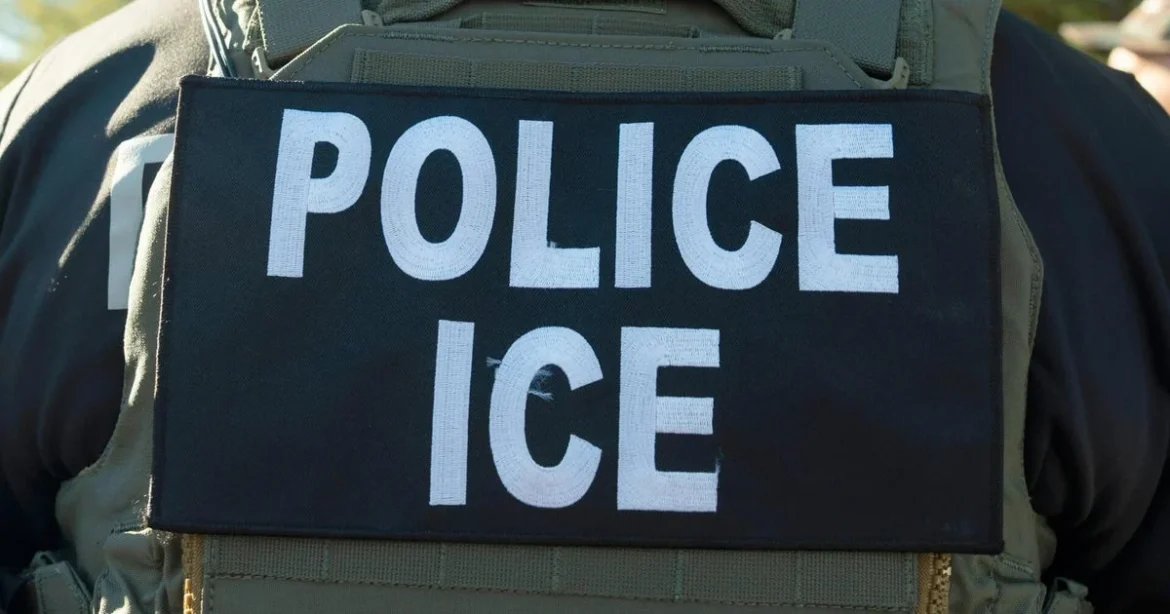
A federal immigration agent shot and wounded a man in North Austin on Sunday afternoon, an incident that has ignited a sharp confrontation between local municipal leadership and federal authorities. The shooting, which occurred shortly before 1:00 p.m. local time, has prompted calls for an independent investigation and immediate disclosure of body-worn camera footage. Austin-Travis County Emergency Medical Services (EMS) reported that the victim sustained a gunshot wound to the torso and was transported to a local hospital in serious but stable condition.
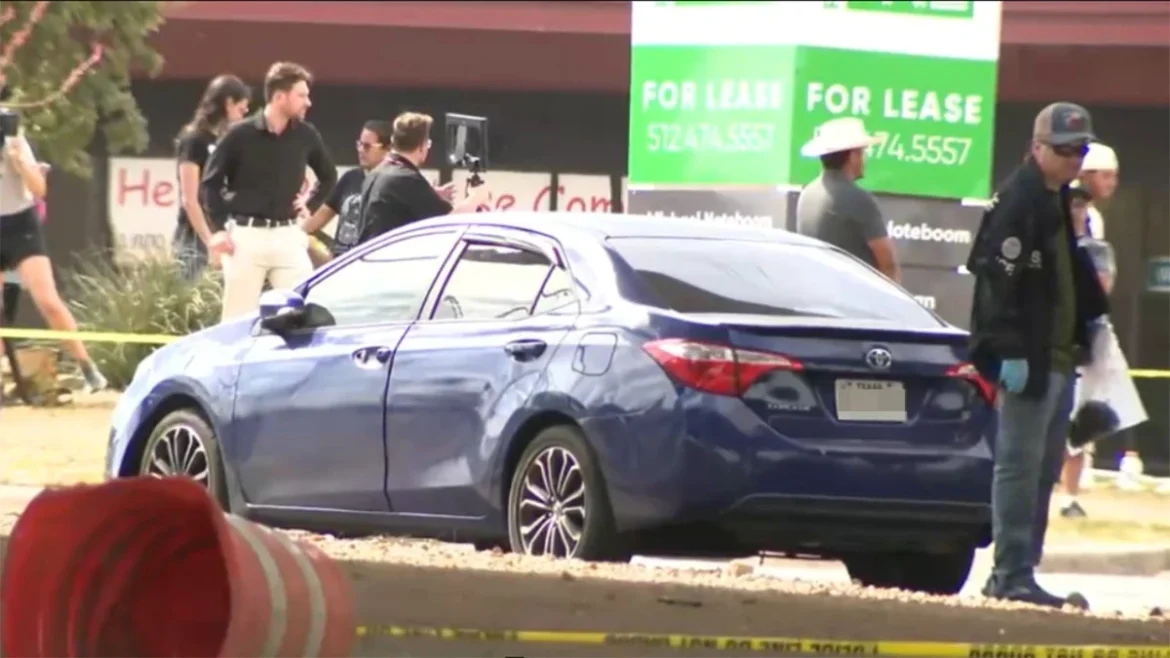
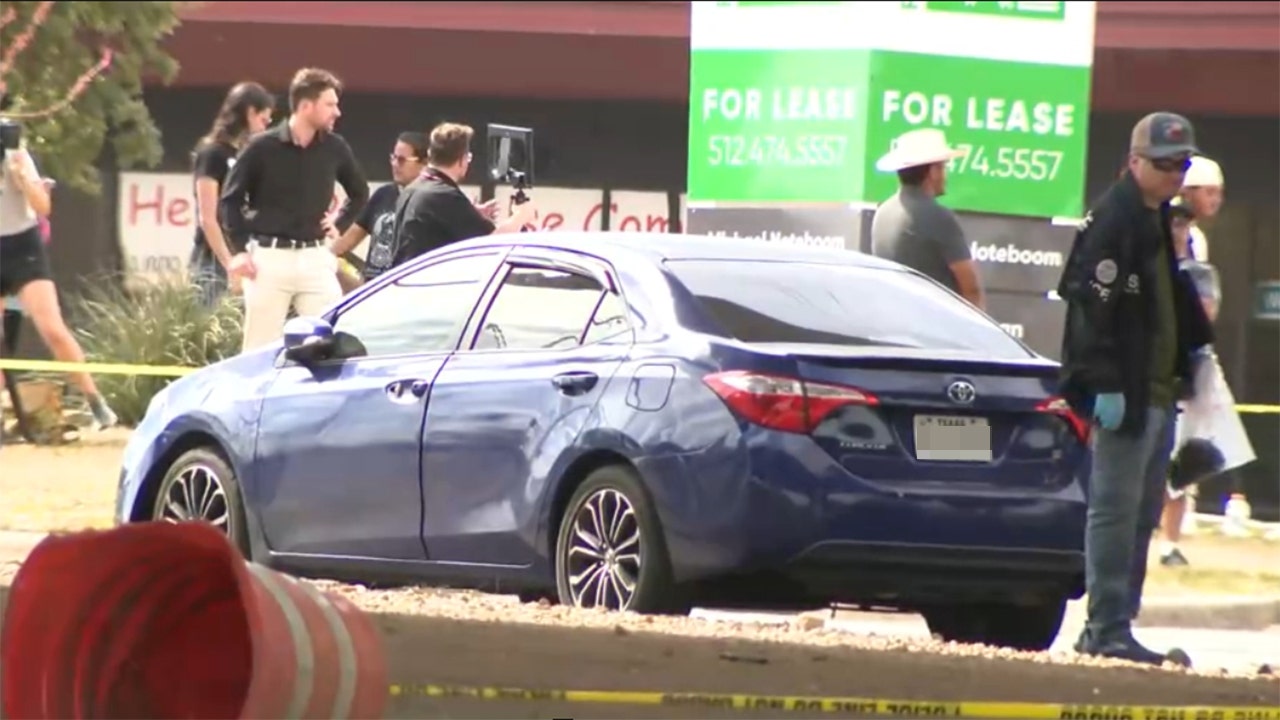
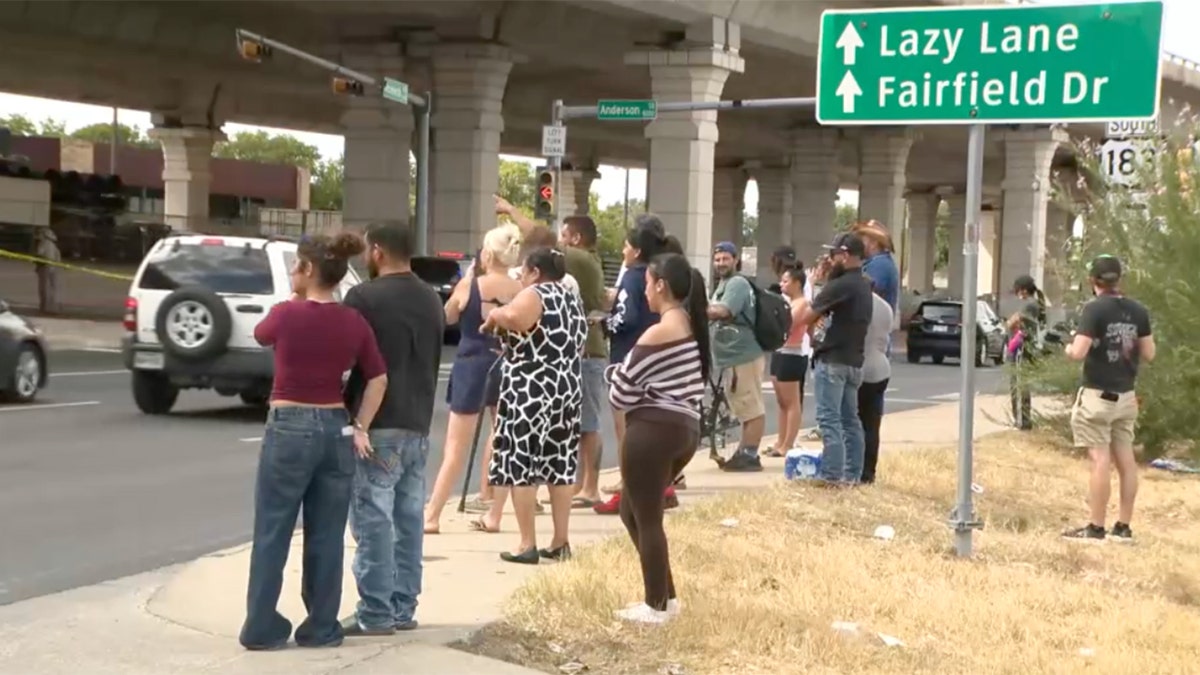
The incident took place under an overpass on the city’s north side, where a dark blue Toyota Corolla was later observed with significant damage to the passenger-side door and what appeared to be multiple bullet holes. While federal officials have yet to release a detailed account of the events leading up to the discharge of the weapon, local eyewitnesses and city officials have begun to piece together a troubling narrative of the encounter.
Chronology of the Incident
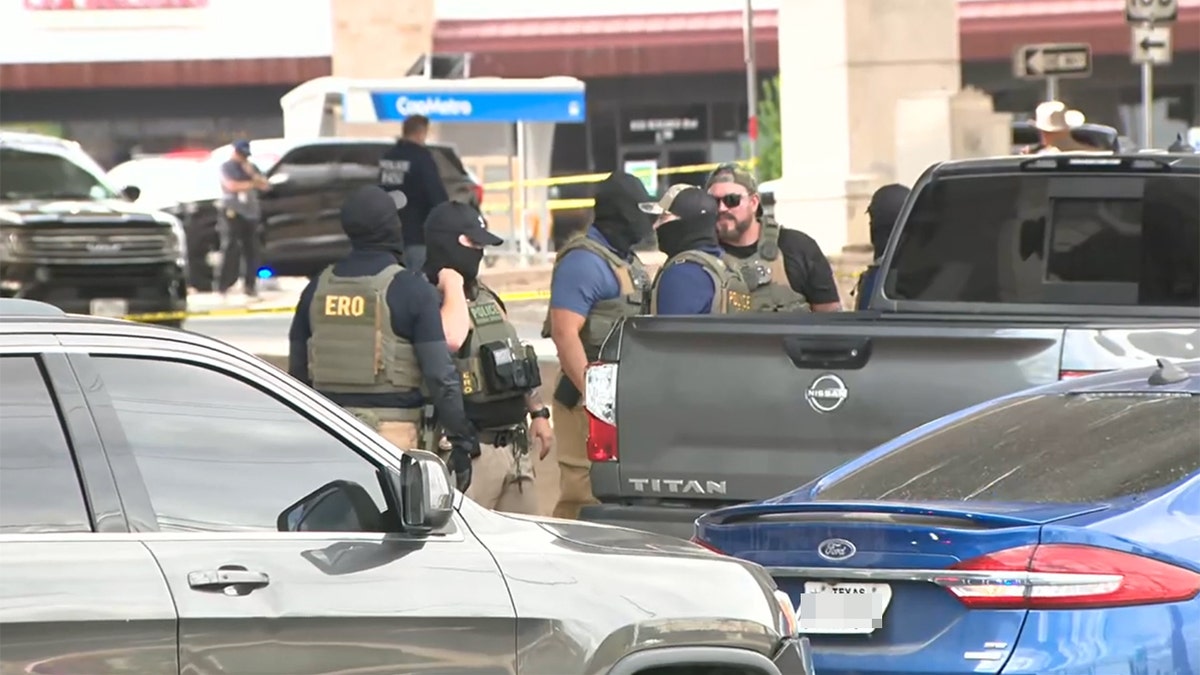
Preliminary reports from the Austin Police Department indicate that the shooting may have been the culmination of a foot pursuit involving agents from U.S. Immigration and Customs Enforcement (ICE) and the individual in question. Austin Police Chief Lisa Davis confirmed that while local officers were not involved in the actual shooting, they were dispatched to the scene to secure the area and initiate a preliminary investigation.
According to Austin City Council member Mike Siegel, who represents District 7, the encounter appeared to be an aggressive escalation of a traffic stop or pursuit. Siegel stated that he observed a federal vehicle that appeared to have rammed the victim’s Toyota Corolla. Following the collision, the agent allegedly exited the federal vehicle and discharged their service weapon at least five times. This account, while currently unverified by federal agencies, aligns with the physical evidence observed by local media, including visible bullet holes in the vehicle’s exterior.
Official Responses and the Call for Accountability
The incident has drawn swift condemnation from Austin’s top elected officials, who have expressed deep frustration with the lack of transparency from the Department of Homeland Security (DHS). During a Sunday news conference, Mayor Kirk Watson articulated a sentiment of profound anger, stating that while he was not surprised by the event—citing a pattern of similar incidents across the country—the lack of communication from federal agencies was unacceptable.
"Austinites have a right to know what happened," Mayor Watson declared, emphasizing that the city is demanding a seat at the table regarding the investigative process. Watson questioned the impartiality of an internal probe conducted solely by ICE, suggesting that such investigations often lack the necessary transparency to satisfy public trust.
U.S. Representative Greg Casar, whose district includes parts of Austin, utilized social media to amplify the demand for accountability. "The horror has come to our city: ICE has shot a person in Austin this morning," Casar wrote on X. His statement called for a "full, independent investigation" and the immediate release of any existing body camera footage. The demand for transparency is rooted in a growing concern among local jurisdictions that federal agencies are operating with a level of autonomy that circumvents local oversight and accountability standards.
Contextualizing a Pattern of Violence
This shooting is not an isolated event but rather the latest in a series of high-profile, lethal or near-lethal encounters between ICE agents and civilians in recent months. The operational landscape for federal immigration enforcement has shifted significantly, with agents frequently utilizing unmarked vehicles and pursuing targets in high-traffic, public areas.
In July 2026, the fatal shooting of 52-year-old Lorenzo Salgado Araujo in Houston served as a grim precursor to the current tension. Araujo, a construction worker, was killed by federal agents after a pursuit involving unmarked vehicles while he was transporting his crew to a job site. The circumstances surrounding that death remain a subject of intense scrutiny, as families and civil rights advocates continue to question the protocols governing high-speed chases and the use of force by federal immigration personnel.
Furthermore, the public’s apprehension has been fueled by the case of Johan Sebastián, a 25-year-old Colombian national who was shot by an ICE officer in Maine earlier this summer. Reports revealed that the officer involved had a documented history of mental health struggles dating back to childhood, raising significant questions regarding the screening and psychological evaluation processes for federal agents authorized to carry firearms in public spaces.
These incidents have occurred against the backdrop of an aggressive, renewed push for mass deportation by the current administration. While federal directives have moved away from localized crackdowns, the continued use of proactive, often dangerous, arrest tactics has led to significant collateral damage. Last winter, the killings of Alex Pretti and Renee Good in Minnesota drew national outcry, leading to lawsuits by state and county governments against the federal government, alleging a failure in oversight and training.
Analytical Perspective: The Federal-Local Divide
The friction in Austin highlights a fundamental tension in American law enforcement: the misalignment between federal immigration priorities and the policing standards expected by urban municipalities. In cities like Austin, which operate under a mandate of community-focused policing, the appearance of federal agents—often in plainclothes or unmarked vehicles—operating without prior coordination with local law enforcement creates an environment of instability.
From a policy perspective, the "independent investigation" demanded by Rep. Casar and Mayor Watson is an attempt to bridge this gap. Typically, federal agents are investigated by the Office of the Inspector General (OIG) within the Department of Homeland Security. However, these investigations are often internal and can take months, if not years, to conclude, leaving the public and the victims’ families in a state of uncertainty.
The lack of an immediate, substantive response from the Department of Homeland Security regarding the Austin incident exacerbates these concerns. When federal agencies fail to provide timely information following the use of lethal force, it is often perceived as an obstruction of justice by local leaders. This dynamic forces local governments to choose between deferring to federal authority or asserting their own jurisdiction to ensure the safety of their constituents.
Implications for Public Safety and Future Enforcement
As the investigation into the Sunday shooting proceeds, several key questions remain unanswered:
- The Nature of the Pursuit: Were the agents operating under a specific warrant, and did the pursuit follow standard safety protocols regarding public engagement?
- Body Camera Utilization: Was the agent wearing a functioning body camera, and if so, when will that footage be made available to the public or independent investigators?
- Training and Psychological Fitness: Similar to the Maine incident, what are the specific protocols for monitoring the ongoing fitness for duty of agents engaged in high-stress field operations?
The incident also highlights the potential for future litigation. If the evidence suggests that the use of force was unjustified or that the agent acted outside the scope of their authority, the city of Austin and the federal government may face significant legal challenges. For the Austin community, the shooting serves as a stark reminder of the volatile nature of federal immigration enforcement when it intersects with civilian life in a major metropolitan area.
As of Sunday evening, no further details regarding the identity or nationality of the victim have been released. The Department of Homeland Security has maintained a policy of silence, with no official comment issued to the media. For now, the city of Austin remains on edge, awaiting the results of an inquiry that many hope will clarify why a routine Sunday afternoon resulted in a critical, life-altering confrontation.
The broader implications of this event are likely to resonate well beyond Texas. With the national debate over immigration enforcement reaching a fever pitch, the incident in Austin provides a tangible case study for lawmakers and civil rights groups who argue that the current federal enforcement model is fundamentally incompatible with the principles of transparency and public safety. Whether this event serves as a catalyst for federal policy reform or remains another contentious chapter in the national immigration saga remains to be seen. As the investigation unfolds, the pressure on federal authorities to move beyond silence and toward transparency will undoubtedly intensify, both from the steps of City Hall and the offices of federal representatives.