
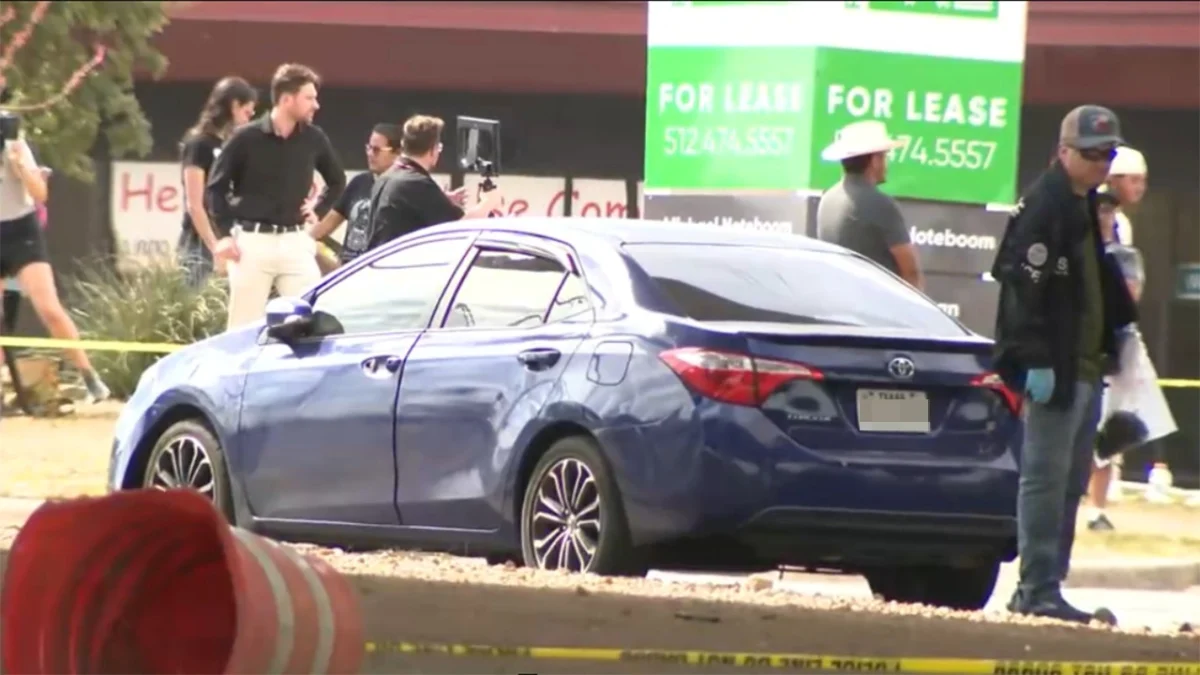
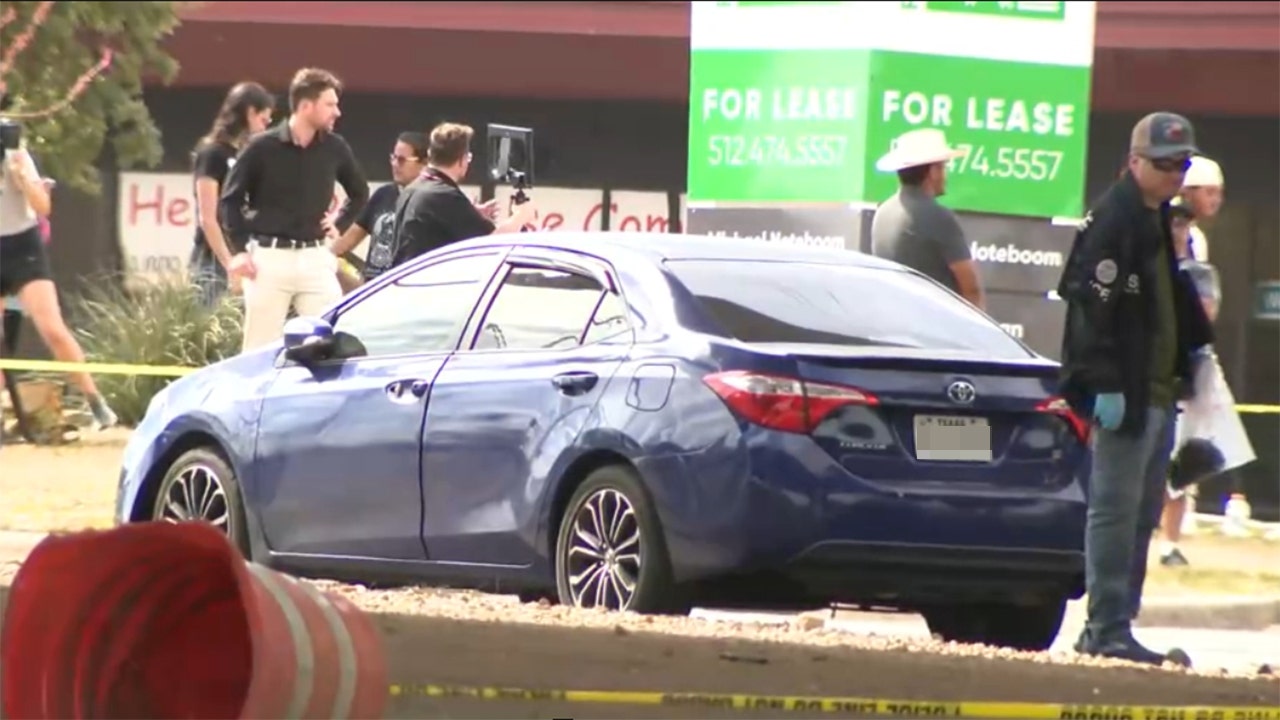
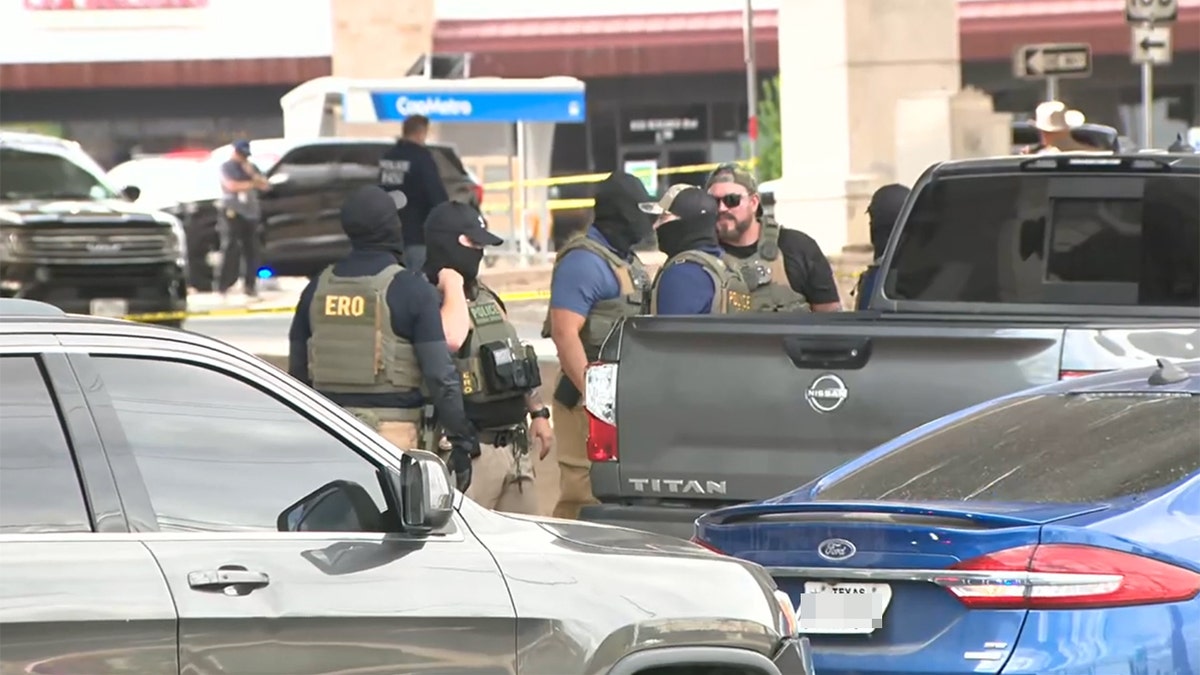
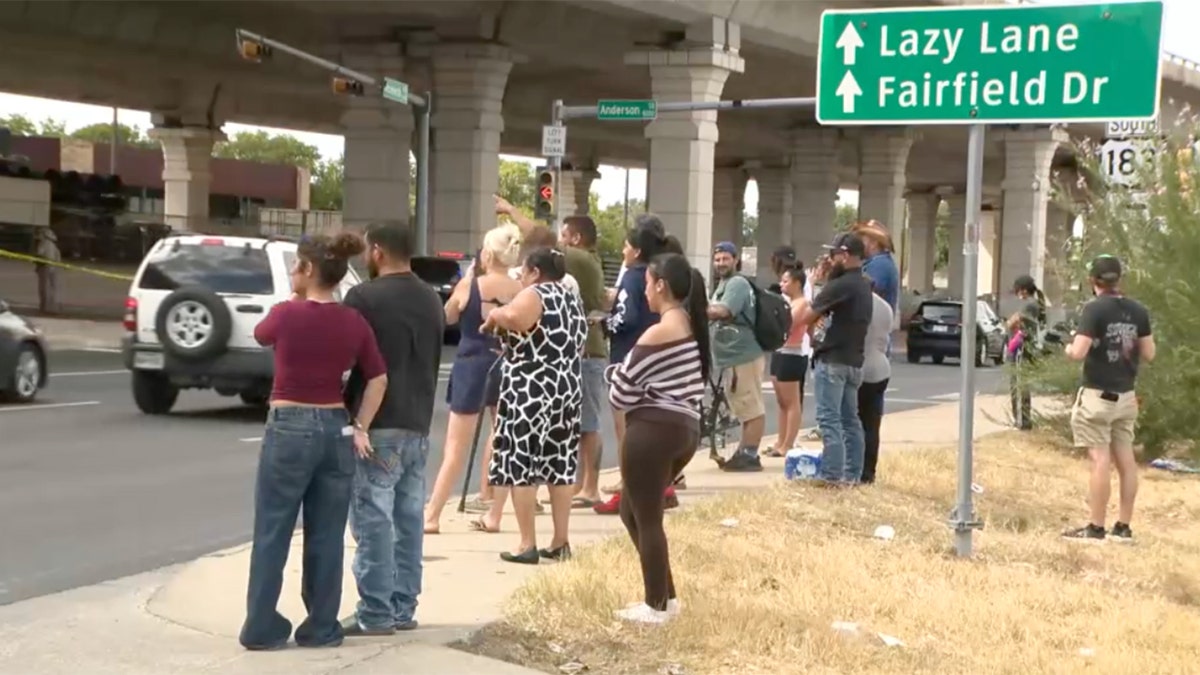
A Sunday morning enforcement operation conducted by U.S. Immigration and Customs Enforcement (ICE) in Austin, Texas, has erupted into a major political and community controversy after a federal officer reportedly shot an individual in the northern sector of the city. The incident, which unfolded in the 7000 block of West Anderson Lane, has drawn immediate demands for transparency and independent investigations from local federal representatives, city officials, and civil rights advocates. The shooting has once again thrust federal immigration enforcement tactics into the national spotlight, compounding pre-existing tensions surrounding accountability, transparency, and the protocols governing tactical operations carried out by the Department of Homeland Security (DHS) and its constituent agencies across the United States.
Chronology of the Incident and Immediate Response
The sequence of events began early Sunday morning when federal personnel initiated an investigative and enforcement operation along West Anderson Lane, a heavily trafficked commercial and residential corridor in Austin. Details regarding the exact catalyst of the operation remain sparse, as federal authorities have maintained a tight veil of secrecy surrounding the initial parameters of the warrant or inquiry.
According to confirmations provided to local media outlet FOX 7 Austin by the Texas Department of Public Safety (DPS), state troopers and public information officers verified that ICE was indeed handling an active investigation at the location. However, state law enforcement officials initially declined to comment on whether any shots had been discharged or if individuals had sustained injuries during the encounter.
As word of the operation spread via social media and local emergency dispatch monitoring, Austin City Hall moved swiftly to organize an official community response. City leaders announced a scheduled 4 p.m. news conference at Austin City Hall to address what municipal authorities explicitly categorized as an "Immigration and Customs Enforcement shooting." The high-level briefing was slated to feature Austin Mayor Kirk Watson, Austin Police Chief Lisa Davis, and Austin-Travis County EMS Chief Robert Luckritz, signaling deep municipal concern over a federal operation conducted within city limits without prior local coordination.
Political Outcry and Demands for Accountability
The silence from federal authorities regarding the specifics of the shooting stood in sharp contrast to the vocal outrage expressed by local and federal lawmakers. Representative Greg Casar, a Democrat representing Texas, took to social media platform X shortly after the incident to forcefully claim that an ICE operative had shot a civilian during the morning hours.
"Over and over, ICE has shot people and then lied about what happened," Rep. Casar wrote in his public statement, demanding a comprehensive, independent investigation into the morning’s events. He further insisted on the immediate, unedited public release of all available body-camera footage capturing the encounter. "We will demand truth, transparency and accountability."
Casar’s remarks echo a broader legislative push among progressive lawmakers who have increasingly scrutinized the internal accountability mechanisms of DHS. The demand for transparency highlights a persistent friction point between local municipalities—many of which operate under community-oriented policing models—and federal immigration enforcement agencies that frequently operate outside the purview of local police departments.
Broader Context: A Pattern of Federal Enforcement Friction
The Austin shooting does not occur in a vacuum; rather, it arrives amidst a wave of heightened national anxieties and volatile clashes involving federal immigration agents and local communities. Over recent months, the operational footprint of ICE and Customs and Border Protection (CBP) has faced unprecedented pushback from both civilian protesters and state-level political figures.
In May, severe civil unrest materialized outside the Delaney Hall immigration detention center in Newark, New Jersey. Clashes erupted between anti-ICE demonstrators and federal and state law enforcement personnel after protesters defied police orders to remain within a designated demonstration zone. The friction at Delaney Hall intensified following a controversial denial of entry to the facility for New Jersey political figures, including Governor Sherrill, further inflaming local frustrations over the opacity of detention operations and the militarized posture of security forces surrounding federal facilities.
Furthermore, federal immigration operations in Minnesota have left deep national scars following a series of high-profile, fatal encounters earlier in the year. In early January, an ICE agent shot and killed Renee Good in Minneapolis after federal officials alleged she attempted to utilize her vehicle as a weapon against officers. Weeks later, on January 24, another deadly confrontation occurred when a U.S. Border Patrol agent fatally shot Alex Pretti in the same metropolitan area while Pretti was actively recording federal enforcement actions on his mobile device. These successive fatalities catalyzed widespread protests and renewed intense congressional scrutiny regarding the tactical readiness, use-of-force continuum, and body-camera policies governing federal immigration personnel.
The Transparency and Body-Camera Controversy
A central pillar of the public outcry surrounding the Austin shooting—mirroring similar controversies in Houston, Minneapolis, and Newark—is the pervasive lack of standardized body-camera usage among federal immigration enforcement agents. While municipal police departments across the country have increasingly adopted mandatory body-worn camera programs to ensure evidentiary integrity and public trust, federal agencies such as ICE and CBP have historically lagged behind in nationwide implementation.
In a previous high-profile fatal shooting involving ICE agents in Houston, investigative reporting revealed that the involved personnel were not equipped with body cameras, leaving investigators heavily reliant on internal agency narratives, civilian cell phone footage, and forensic reconstruction. Critics argue that the absence of mandatory, active body cameras during high-risk operations shields federal officers from immediate public accountability and fuels public skepticism whenever lethal force is deployed.
By demanding the immediate release of body-camera footage in Austin, Representative Casar and local advocates are directly challenging the federal status quo, pressing for a standard of transparency that mirrors local municipal policing practices.
Implications for Local-Federal Relations
The unfolding situation in Austin highlights the complex and often strained dynamics governing the relationship between sanctuary-leaning or progressive cities and federal law enforcement agencies. Municipal leaders in Austin, including Mayor Watson and Police Chief Davis, find themselves in the delicate position of having to address public safety concerns, manage community panic, and respond to critical incidents executed within their jurisdiction by federal entities that are not accountable to local electoral oversight.
When federal operations result in high-consequence events like a shooting, local emergency medical services (such as Austin-Travis County EMS) and municipal police departments are frequently left to manage the immediate aftermath—securing perimeters, treating the wounded, and absorbing the community’s emotional and political fallout—while being kept in the dark regarding the operational specifics authorized by federal command structures.
As of press time, Fox News Digital and other major news outlets have reached out repeatedly to ICE, the Texas Department of Public Safety, and the Austin Police Department for formal statements, operational logs, and clarifications regarding the condition of the injured individual. With city leadership scheduled to address the public, pressure continues to mount on federal authorities to provide a transparent, verifiable account of the events that transpired on West Anderson Lane, as a skeptical public and local lawmakers demand answers in the pursuit of accountability.

