
The Assassination: A Nation Under Siege
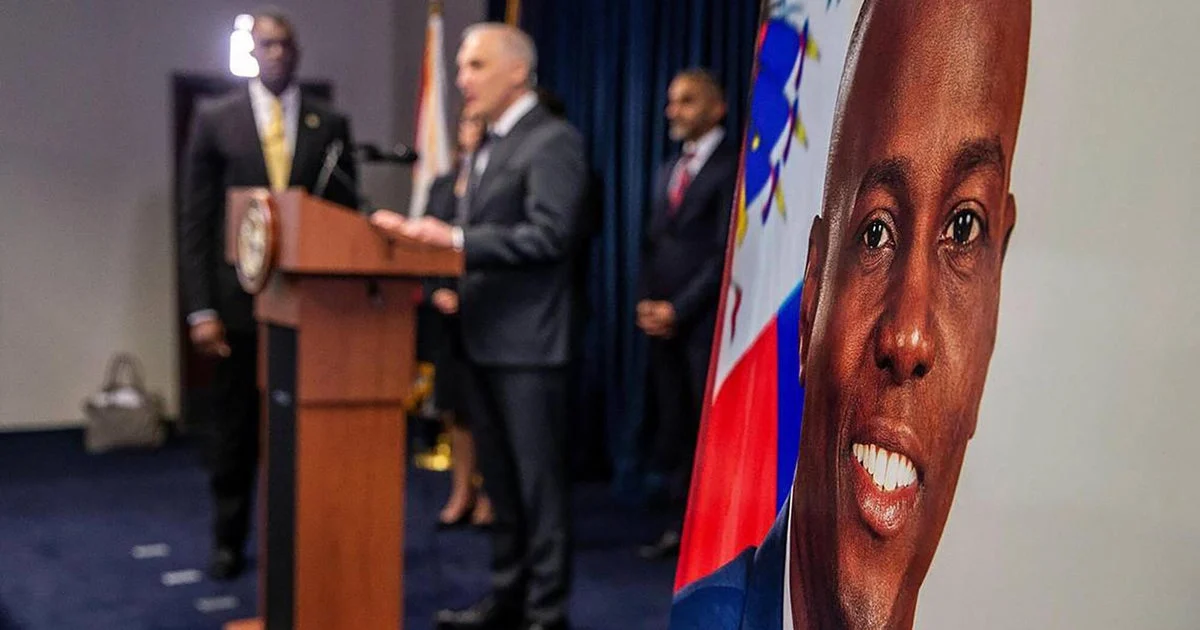
The assassination of Jovenel Moïse was an unprecedented breach of security that effectively decapitated the Haitian government. In the early hours of July 7, 2021, a group of armed commandos infiltrated the president’s home. During the assault, Moïse was shot multiple times and killed, while his wife, Martine Moïse, sustained severe injuries. The attackers, who were later identified as a mix of former Colombian soldiers and Haitian-American dual citizens, escaped the scene, sparking an immediate international manhunt.
The power vacuum left by Moïse’s death exacerbated the existing systemic issues in Haiti, including rampant gang violence, a crumbling judicial system, and political paralysis. In the years following the assassination, the country’s state institutions struggled to function, leading to a state of emergency that has persisted for much of the subsequent half-decade.
Chronology of the Judicial Pursuit
The path to this week’s extradition has been arduous, marked by legal delays, jurisdictional disputes, and the complex reality of coordinating between the U.S. Department of Justice and the Haitian legal system.
- July 2021: President Jovenel Moïse is assassinated in his home; dozens of suspects, including Colombian nationals, are arrested by Haitian police.
- 2022–2023: The U.S. Department of Justice begins unsealing indictments against key figures residing in Florida, including businessmen and security consultants suspected of funding the operation.
- 2024: A Haitian judge indicts a wide net of suspects, including former First Lady Martine Moïse, for alleged complicity. The legal proceedings in Port-au-Prince face repeated delays due to civil unrest.
- May 2026: A Miami federal jury convicts four high-profile defendants—Arcángel Pretel Ortiz, Antonio Intriago, Walter Veintemilla, and James Solages—of conspiring to kidnap or kill the president.
- September 2026: Eighteen additional suspects are transferred from Haitian detention to U.S. custody to face trial in Florida.
The Scope of the Indictments
According to U.S. Attorney Reding Quiñones, the total number of individuals indicted in connection with the assassination has reached 30. The investigation is not merely focused on the triggermen on the ground but also on the architects of the plot. Prosecutors allege that the operation was financed through a network of companies based in South Florida that sought to profit from potential infrastructure and security contracts in Haiti following the removal of the president.
The recent convictions in Miami have provided a blueprint for how the prosecution intends to handle the 18 incoming defendants. By securing testimony and evidence that links the "masterminds"—such as those convicted in May—to the physical assassins, the DOJ has built a narrative that the killing was a pre-meditated commercial and political enterprise rather than a spontaneous act of insurrection.
Official Responses and Federal Strategy
The FBI, which has played a central role in the investigation, maintains that the pursuit of justice is far from over. Special Agent in Charge Brett Skiles emphasized the agency’s commitment to holding all participants accountable, regardless of their location. "We remain steadfast in ensuring that all individuals who allegedly sought profit from the assassination of a head of state are held fully accountable," Skiles stated during a press briefing.
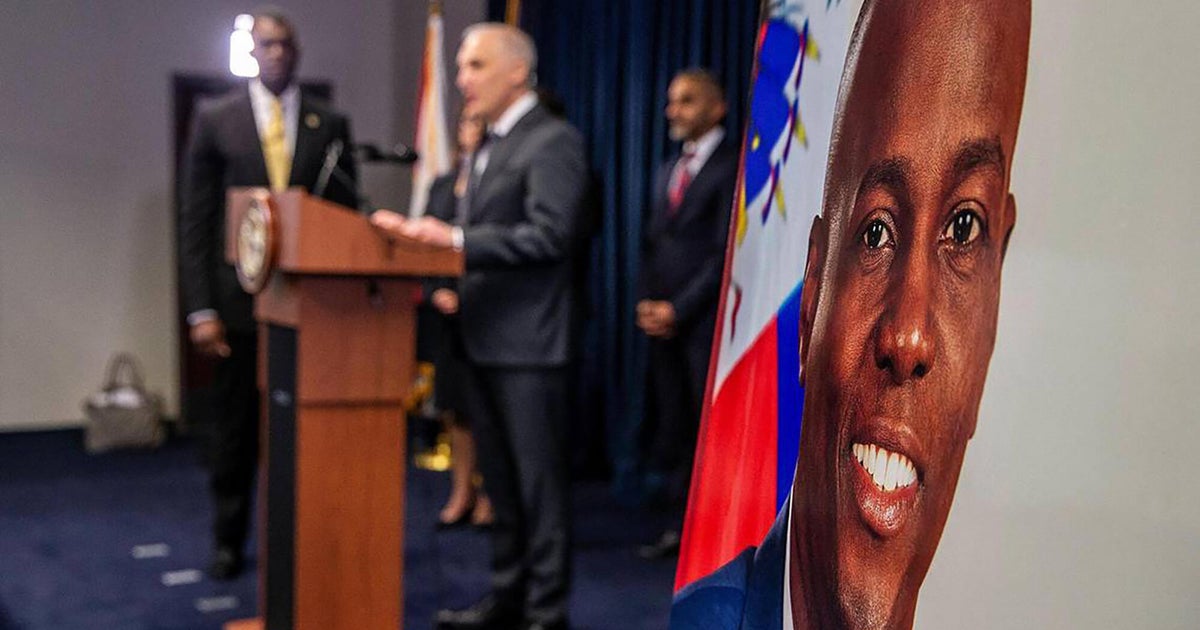
The extradition of the 18 suspects is being viewed by international observers as a sign of renewed cooperation between U.S. and Haitian authorities, despite the domestic instability currently plaguing the Caribbean nation. By moving the trials to Florida, the U.S. ensures that the proceedings are insulated from the threats and judicial interference that have plagued the case in Haiti.
The Testimony of the First Lady
The role of Martine Moïse in the legal proceedings has been polarizing. Her testimony in March 2026 provided a chilling, first-hand account of the attack. During the trial, she accused prominent Haitian political figures, including former President Michel Martelly and former Prime Minister Ariel Henry, of having deep-seated connections to the plot.
These allegations have complicated the political landscape. The subsequent indictment of Martine Moïse by a Haitian judge in 2024—on charges of complicity and criminal association—has led to a contentious legal battle. Her legal team has consistently dismissed these charges as a retaliatory political maneuver, framing her as a victim of the very regime that failed to protect her husband.
Analysis: Broader Implications for Haiti
The extradition of these suspects serves as a stark reminder of the long-term trauma inflicted upon the Haitian state. The assassination was not merely a crime against an individual, but a catalyst for the total erosion of democratic processes in Haiti. The fact that the trial is taking place in an American courtroom underscores the lack of confidence in the Haitian judicial system’s ability to adjudicate such a high-profile case without bias or intimidation.
From an international relations perspective, the U.S. government’s persistence in this case is intended to signal that the targeted killing of a sitting head of state will be met with the full force of American federal law. However, for the people of Haiti, the legal process in Florida is a distant resolution that does little to address the immediate daily crises of poverty, gang warfare, and governance failures that have intensified since 2021.
Looking Ahead
As the 18 suspects arrive in Florida, the federal courts are preparing for a series of complex trials that are expected to last well into 2027. Legal experts suggest that these trials may reveal even deeper layers of the conspiracy, potentially implicating individuals who have not yet been named in public indictments.
The U.S. Attorney’s Office has signaled that it will continue to "follow the evidence wherever it leads." With 30 indictments already on the books and more potentially to come, the trial of the Moïse assassins remains one of the most significant foreign-focused prosecutions in the history of the Southern District of Florida. For now, the world watches as the American judicial system attempts to close a chapter on one of the most violent episodes in modern Caribbean history, even as the nation of Haiti continues to grapple with the aftermath.

