
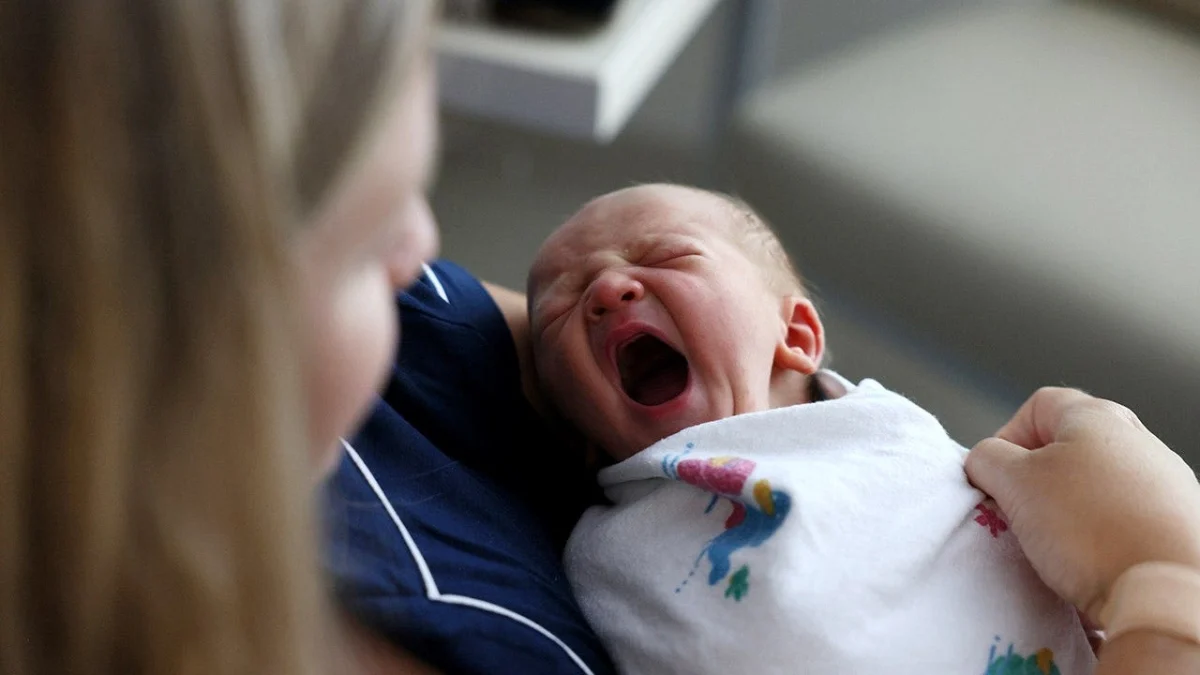
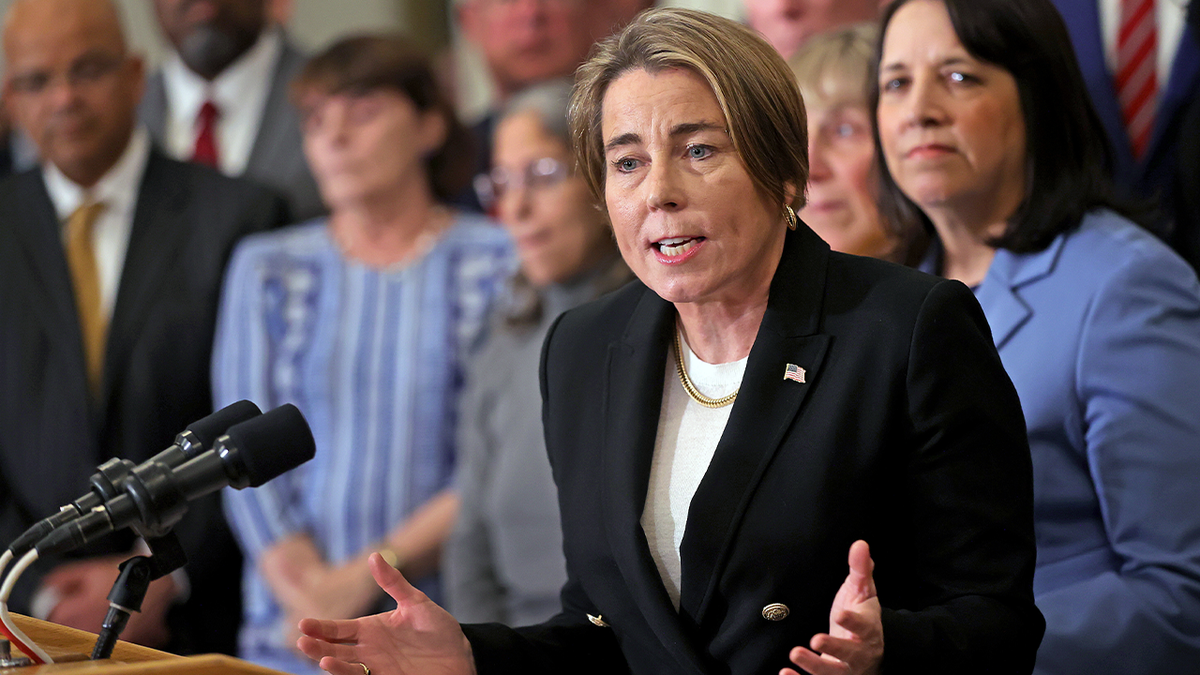
Massachusetts Governor Maura Healey has announced a strategic expansion of the state’s “Welcome Family” initiative, earmarking an additional $2 million to bolster the taxpayer-funded program that dispatches registered nurses to the homes of new parents. This policy shift, paired with a proposed $250,000 investment into the Massachusetts Child Psychiatry Access Program (MCPAP) for Moms, represents a significant move by the Commonwealth to formalize postpartum mental health support. While state officials argue these measures are essential to improving maternal health outcomes, the initiative has ignited a vigorous public debate regarding the extent of state intervention in the private sphere of child-rearing.
The Welcome Family program, which provides voluntary home visits to families following the birth of a child, serves as a primary touchpoint for identifying potential medical or mental health risks in the critical weeks following childbirth. According to Governor Healey, the goal is to ensure that every family has access to professional healthcare guidance without the immediate pressure of navigating a clinical environment. "Everybody in the state, when you have a baby, you’re going to have a home visit within days, weeks and that will be an opportunity for a healthcare provider to make an assessment to see if you need some additional support and resources," Healey stated in a recent interview.
The Context: A Shift in Maternal Healthcare Policy
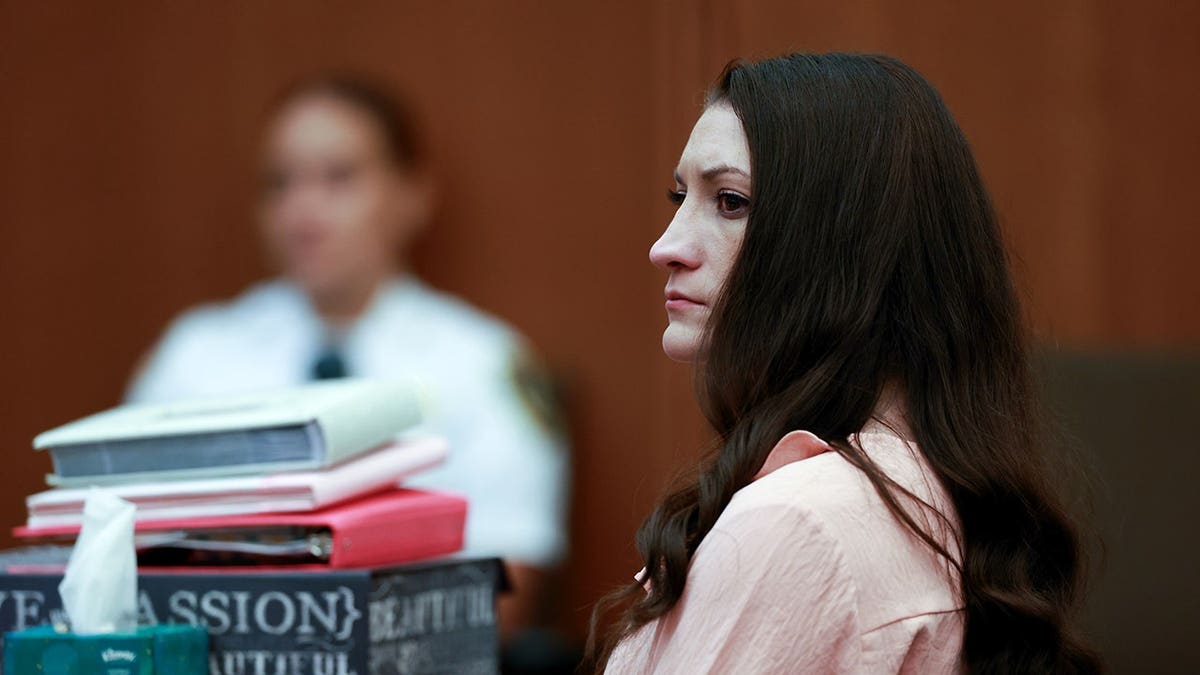
The push for enhanced maternal mental health services comes at a time of heightened national scrutiny regarding the standard of care for postpartum individuals. In Massachusetts specifically, the discourse has been profoundly shaped by the high-profile legal proceedings involving Lindsay Clancy. The former labor and delivery nurse was charged in the 2023 deaths of her three young children, a tragedy that prompted intense public focus on the symptoms of postpartum psychosis and the systemic failures that can occur when mental health conditions go undetected.
The Clancy case, which recently ended in a mistrial due to a deadlocked jury, underscored the limitations of existing screening protocols. Defense attorneys argued that the medical system failed to adequately identify the severity of Clancy’s mental health deterioration, a narrative that has since resonated with lawmakers who seek to prevent similar outcomes. By increasing funding for the MCPAP for Moms, the Healey administration intends to bridge the gap between obstetric care and specialized psychiatric consultation, training providers to recognize the subtle, often masked, warning signs of postpartum mental illness.
Chronology of Legislative and Public Interest
The state’s current legislative focus on maternal health is the culmination of several years of data collection and advocacy.
- January 2023: The tragic death of the three Clancy children in Duxbury, Massachusetts, draws national attention to the intersection of motherhood, mental health, and the criminal justice system.
- Late 2023: Advocacy groups and medical associations in Massachusetts begin lobbying for increased state resources to address the rising rates of postpartum depression and anxiety.
- Early 2024: Governor Healey’s administration initiates internal reviews of the Department of Public Health’s maternal support services, identifying gaps in postpartum follow-up.
- June 2026: Governor Healey formally announces the $2 million expansion of the Welcome Family program and the supplemental $250,000 for mental health training, framing the investment as a proactive health measure.
Data-Driven Perspectives on Postpartum Health
The impetus for this expansion is supported by clinical data. According to the American College of Obstetricians and Gynecologists (ACOG), maternal mental health conditions, including postpartum depression, are the most common complication of pregnancy, affecting approximately one in eight women. Furthermore, the CDC notes that mental health conditions are a leading cause of pregnancy-related deaths in the United States, with many of these deaths occurring up to one year postpartum.
In Massachusetts, the Department of Public Health has observed that while clinical screenings occur during prenatal visits, the postpartum period often represents a "care gap" where patients are less likely to maintain regular contact with their obstetrician. The home visit model is designed to reach patients in this vulnerable window, providing a bridge to community resources that might otherwise remain inaccessible due to socioeconomic, geographic, or logistical barriers.
Analyzing the "Government Overreach" Debate
Despite the clinical justification for the program, the announcement has prompted pushback from segments of the population wary of government involvement in private life. The opposition is largely rooted in concerns over individual privacy and the precedent of state agents entering private homes.
On various social media platforms, including X (formerly Twitter), critics have described the expansion as "creepy" and a "massive government overreach." The central argument presented by detractors is that medical care should remain firmly within the domain of the patient-physician relationship. Some argue that pediatricians and general practitioners are already equipped to handle these screenings and that a state-sponsored visit is an unnecessary expenditure of taxpayer funds that complicates the boundaries of the family unit.
Conversely, proponents of the program emphasize its voluntary nature. They argue that the program is an “opt-in” resource that provides much-needed support to families who may be struggling with isolation, lack of familial support, or economic stress. Comedian and commentator Bob Phillips noted in a social media discussion that while the concept of government intervention can be sensitive, the voluntary nature of the visits mitigates the concern of mandate-driven infringement on civil liberties.
Institutional Responses and Official Stance
The Massachusetts Department of Public Health (DPH) maintains that the Welcome Family program is not an enforcement mechanism but a service-oriented initiative. The nurses involved in the program are tasked with providing guidance on infant health, breastfeeding, and maternal well-being, as well as providing referrals to local social services if the parent expresses a need.
When asked for comment regarding the criticism of the program, a representative for the Healey administration reiterated that the initiative is designed to be a supportive safety net. The state’s official position is that the investment is a cost-effective strategy to prevent more severe health crises that could require expensive, long-term state intervention or result in devastating family trauma. By standardizing the availability of these visits, the state hopes to reduce the stigma associated with seeking mental health support during the transition to parenthood.
Broader Implications for State Maternal Policy
The Massachusetts model of universal home visits represents a pilot-style approach that other states are watching closely. If the program successfully demonstrates a reduction in postpartum emergency room visits or an increase in the early identification of mental health crises, it may serve as a blueprint for other jurisdictions grappling with similar public health challenges.
However, the success of the program will likely hinge on public perception and the state’s ability to maintain the "voluntary" trust of its residents. As the program expands, the DPH faces the challenge of scaling its workforce while ensuring that the quality of care remains high. There is also the logistical hurdle of training enough specialized staff to handle the influx of new families, particularly in rural or underserved areas of the state.
The debate in Massachusetts mirrors a larger national conversation about the role of the state in protecting public health while respecting the autonomy of the individual. As the state moves forward with these investments, the tension between the necessity of robust social support systems and the desire for minimal government interference will likely continue to evolve. Whether the Welcome Family program becomes a model for national maternal health policy or a cautionary tale about government reach remains to be seen. For now, the administration appears committed to its trajectory, prioritizing maternal and infant health as a cornerstone of its current legislative agenda. As the trial-related headlines fade, the long-term impact of this policy on Massachusetts families will serve as the true metric of its efficacy.

