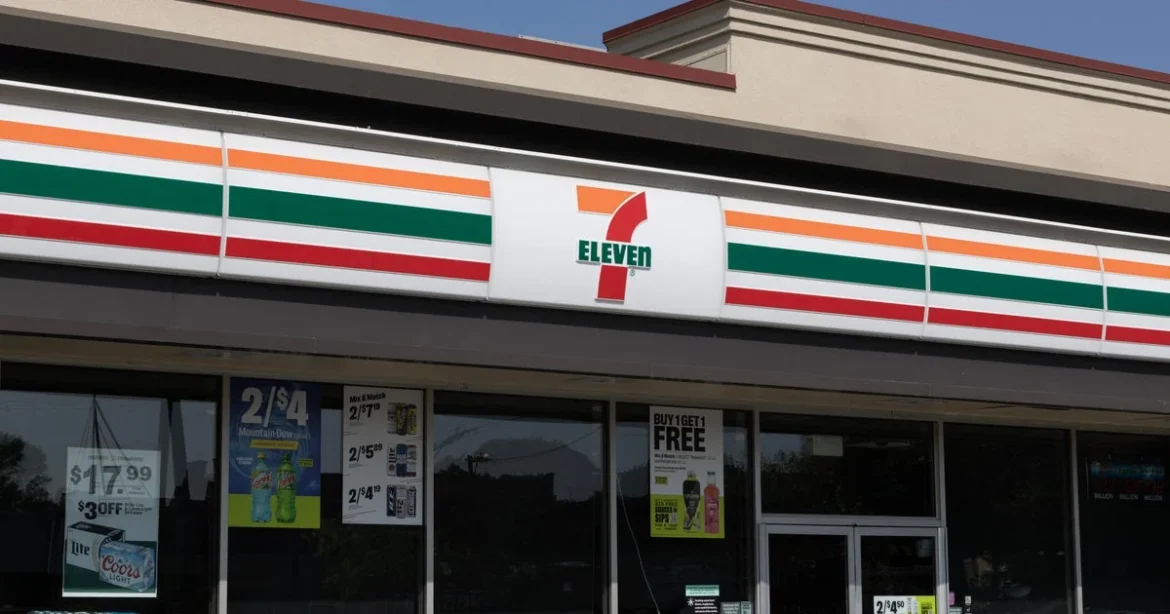
Seven & i Holdings Co., the Japan-based parent company of the global convenience store giant 7-Eleven, has announced plans for a substantial restructuring of its North American footprint, projecting the closure of 645 stores across the United States and Canada during fiscal year 2026. This strategic move, detailed in recent earnings filings, signals a concerted effort by the corporation to optimize its operations amidst evolving market dynamics and persistent economic headwinds. While a portion of these closures will involve the conversion of existing locations into wholesale fuel stores, the overall number of closures is set to significantly outpace new store openings, which are forecast at 205 for the same period.
The decision to streamline its North American portfolio comes as the convenience retail sector grapples with a complex array of challenges, from fluctuating consumer spending patterns to sustained inflationary pressures and geopolitical instability impacting global energy markets. As of December 2025, 7-Eleven Inc., the brand’s North American operator based in Texas, had already expanded its network of wholesale fuel stores to over 900 locations, indicating a growing strategic pivot towards this model. This shift suggests a move to capitalize on the stable revenue streams associated with fuel distribution while potentially reducing the direct operational overhead of traditional convenience retail at certain sites.
Navigating Economic Headwinds and Shifting Consumer Behavior
The announcement arrives at a juncture where consumers worldwide are experiencing the cumulative effect of elevated prices. The ongoing conflict between the U.S. and Israel against Iran, in particular, has introduced significant volatility into energy markets, leading to soaring gas prices that directly impact both operational costs for businesses and discretionary spending for households. Even prior to these geopolitical tensions, consumers faced stubborn inflation, which had already begun to reshape purchasing habits.
Seven & i Holdings’ April 9 report for fiscal year 2025 highlighted a notable softening in personal consumption within North America. Despite an otherwise robust economic backdrop, the report specifically pointed to a disproportionate impact on low-income households, where inflationary pressures continued to weigh heavily on spending capacity. Convenience stores, which historically thrive on impulse buys and quick-service purchases, are particularly susceptible to shifts in consumer confidence and discretionary income. When household budgets are strained, consumers often consolidate shopping trips, prioritize essential goods, and may opt for larger format stores or discount retailers to maximize value, thereby reducing foot traffic and transaction volumes at smaller convenience outlets.
The Evolution of the Convenience Store Model
The convenience store industry has been undergoing a gradual but profound transformation for several years. Traditionally, these stores have served as quick-stop destinations for fuel, snacks, beverages, and last-minute necessities. However, the rise of e-commerce, the proliferation of discount retailers, and changing consumer preferences for healthier food options and digital convenience have compelled operators like 7-Eleven to rethink their value proposition.
The move to convert some sites to wholesale fuel stores is indicative of this strategic re-evaluation. A wholesale fuel model typically involves supplying fuel to independent operators or other businesses, potentially reducing the need for full-service retail staff and inventory management at those specific locations. This allows 7-Eleven Inc. to maintain a presence in the lucrative fuel market while focusing its direct retail efforts on a smaller, more profitable portfolio of traditional convenience stores. These remaining stores are then expected to be optimized for higher performance, potentially through enhanced product offerings, improved store layouts, and integrated digital services.
Global Strategy: Seven & i Holdings’ Broader Vision
While North America faces significant closures, the strategic outlook for Seven & i Holdings’ subsidiaries outside the region appears more expansionary. Seven-Eleven Japan, for instance, projects a net increase in its store count, with plans to close 350 locations but open 550 new ones, reflecting differing market conditions and growth opportunities in its home territory. This contrast underscores a geographically differentiated strategy, where investment and expansion are tailored to regional market maturity, competitive intensity, and consumer demand.
Globally, 7-Eleven boasts an immense network of over 86,000 stores across 19 countries. The North American operations, specifically within the U.S. and Canada, account for more than 13,000 of these locations, making it a critical, albeit challenging, market for the Japanese conglomerate.
Seven & i Holdings is navigating a period of significant financial adjustment. The company anticipates a 9.4% decline in revenue for the current fiscal year, projecting a total of nearly 9.45 trillion yen (approximately $59.5 billion). This forecast underscores the urgency of its transformation plans and the need to enhance profitability through strategic optimization and innovation.
Rationale Behind the Closures: Optimization and Profitability
The company has a history of strategically closing "underperforming" convenience stores. In recent years, hundreds of such closures have occurred, with 7-Eleven consistently citing pressures such as slowing sales, decreased foot traffic, and the overarching impact of inflation on operational costs. The decision to shutter 645 stores in fiscal year 2026 is a continuation of this ongoing effort to prune less profitable assets and concentrate resources on locations with stronger growth potential.
Factors contributing to a store being deemed "underperforming" can include:
- Declining foot traffic: Changes in local demographics, urban planning, or increased competition can reduce the number of potential customers passing through a store’s doors.
- High operating costs: Rent increases, rising labor costs, and elevated utility expenses can make a store economically unviable, especially if sales volumes are stagnant or declining.
- Intense local competition: The proliferation of other convenience stores, gas stations, supermarkets with integrated convenience sections, and quick-service restaurants can fragment the market and erode profitability.
- Suboptimal location: Some stores may have been established in areas that have since lost their commercial vibrancy or where customer access has become challenging.
- Aging infrastructure: Older stores may require significant capital investment for renovations and upgrades to meet modern consumer expectations, which may not be justifiable if the store’s performance is weak.
By shedding these less efficient units, 7-Eleven aims to improve its overall profitability margins in North America, reallocate capital to more promising ventures, and focus management attention on high-potential growth areas.
Leadership and Future Strategic Direction
Under the leadership of Stephen Hayes Dacus, who assumed the role of Seven & i’s CEO last spring, the company has explicitly outlined a wider transformation plan aimed at boosting its convenience store offerings. This strategic blueprint emphasizes several key initiatives:
- Investment in fresh food offerings: Recognizing a growing consumer demand for healthier, ready-to-eat options, 7-Eleven plans to enhance its fresh food programs, moving beyond traditional convenience store fare. This could include expanded selections of salads, sandwiches, prepared meals, and fresh produce, directly competing with quick-service restaurants and specialty grocery stores.
- Expansion of "7NOW" delivery service: The accelerated shift towards digital commerce and home delivery, particularly amplified during the recent global health crisis, has made on-demand services indispensable. Expanding "7NOW" allows 7-Eleven to reach customers beyond its physical storefronts, capturing incremental sales and catering to convenience-seeking consumers who prefer not to leave their homes or offices.
- Technological integration: Modernizing point-of-sale systems, implementing data analytics to better understand consumer behavior, and leveraging automation to improve operational efficiency are also likely components of this transformation.
These initiatives are crucial for 7-Eleven to remain competitive in a rapidly evolving retail landscape. The modern convenience store is no longer just a place for a quick transaction; it is increasingly expected to offer a curated product assortment, digital ordering capabilities, and a pleasant shopping experience.
Impact on Local Communities and Workforce
The closure of 645 stores will inevitably have localized impacts. For the communities where these stores operate, it could mean a reduction in local employment opportunities, as each store typically employs a small team of staff. Depending on the store’s location, it could also lead to a gap in access to basic convenience goods and services, particularly in underserved areas where 7-Eleven might have been one of the few readily available retail options. Local governments may also see a decrease in sales tax revenue from these specific locations.
For the affected employees, the company would ideally provide support through severance packages, outplacement services, or opportunities for relocation to other 7-Eleven locations where feasible. However, the net reduction in store count suggests that some job losses are unavoidable.
Analyst Perspectives and Future Outlook
Industry analysts are likely to view Seven & i’s strategic closures as a necessary, albeit challenging, step towards long-term financial health. While the immediate revenue forecast indicates a decline, the focus on optimizing the store portfolio and investing in higher-growth areas like fresh food and delivery services is generally seen as a prudent strategy. The ability to streamline operations and enhance per-store profitability will be key metrics for evaluating the success of this transformation.
The continued conversion to wholesale fuel stores also reflects a pragmatic approach to diversifying revenue streams and leveraging existing infrastructure. By reducing direct retail exposure at certain sites, the company can mitigate some of the risks associated with volatile consumer spending while still benefiting from the essential demand for fuel.
In conclusion, 7-Eleven’s decision to close a significant number of North American stores in fiscal year 2026 is a clear signal of its commitment to adapting to a dynamic economic and retail environment. This move, driven by a confluence of inflationary pressures, changing consumer habits, and a desire for operational efficiency, is part of a broader global transformation strategy by Seven & i Holdings. While presenting immediate challenges, particularly for affected communities and employees, the restructuring aims to create a more resilient, profitable, and future-ready 7-Eleven network, poised to thrive through enhanced offerings and strategic market positioning under its new leadership. The company’s emphasis on fresh food and digital delivery services underscores its ambition to evolve beyond its traditional convenience model and cater to the evolving demands of the modern consumer.