
The United States Congress is currently grappling with a profound legislative impasse that threatens the stability of the nation’s agricultural policy and food security infrastructure. At the heart of this conflict is the Farm Bill, a massive, multi-year omnibus package that dictates everything from rural broadband and crop insurance to climate-smart conservation and nutrition assistance for low-income families. While the Farm Bill has historically been reauthorized roughly every five years, it has now been nearly eight years since a full, new package was signed into law. The latest point of contention, which has effectively stalled progress in 2024, is a controversial measure known as the "Save Our Bacon Act" (SOB), a provision that highlights a growing schism between the House of Representatives and the Senate regarding states’ rights and animal welfare standards.
The Legislative Divide: House vs. Senate Drafts
The rift became unmistakably clear this week when the Senate Agricultural Committee released its draft of the Farm Bill. To the surprise of some and the relief of many advocacy groups, the Senate version conspicuously excluded the Save Our Bacon Act. This omission stands in stark contrast to the House version of the bill, which was advanced earlier this year under the leadership of Representative G.T. Thompson (R-PA), the Chairman of the House Agricultural Committee. Thompson has been a vocal proponent of the SOB Act, arguing that a patchwork of state-level regulations creates an untenable environment for interstate commerce and places an undue burden on pork producers.
The Save Our Bacon Act was designed specifically to override state and local laws that regulate the production methods of agricultural products sold within their borders. The primary target of this legislation is California’s Proposition 12. Passed by voters in 2018, Prop 12 prohibits the sale of pork, eggs, and veal in California unless the animals are raised in conditions that meet specific space requirements. For the pork industry, this means a ban on "gestation crates"—metal enclosures so small that breeding sows cannot turn around or stretch their limbs.
The Economic and Legal Context of Proposition 12
The tension surrounding Prop 12 reached a fever pitch in May 2023, when the U.S. Supreme Court upheld the California law in the case of National Pork Producers Council v. Ross. The pork industry had argued that the law violated the Commerce Clause of the U.S. Constitution by projecting one state’s moral preferences onto farmers in other states. However, the Court ruled that states have the authority to regulate the types of products sold within their jurisdictions, even if those regulations affect out-of-state producers.
In the wake of this ruling, 14 other states have moved to implement similar animal welfare standards, creating a significant shift in the domestic market. The American Meat Producers Association (AMPA), an industry group representing various stakeholders in the meat supply chain, notes that these state laws have become a permanent fixture of the regulatory landscape. While the National Pork Producers Council (NPPC) continues to fight these regulations, a growing contingent of farmers has begun to adapt.
According to a recent analysis by the U.S. Department of Agriculture (USDA), approximately 27 percent of hog farmers—roughly one in four—are already compliant with Proposition 12. This suggests that the transition away from extreme confinement is not a theoretical future goal but a current market reality. For these producers, the Save Our Bacon Act represents a threat to their investments, as it would effectively deregulate the market and allow producers using cheaper, high-confinement methods to undercut those who have spent millions of dollars upgrading their facilities.
A "Civil War" Within the Pork Industry
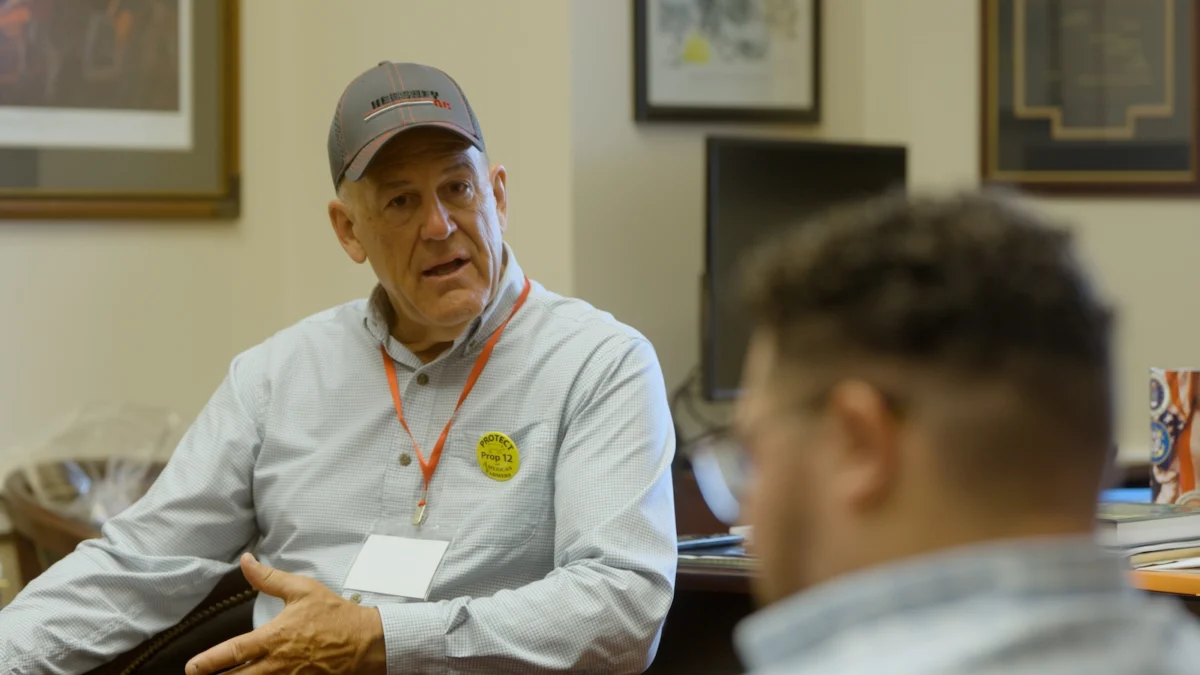
The debate over the SOB Act has revealed deep internal divisions among American farmers. Brent Hershey, a hog farmer from Pennsylvania and a member of the AMPA, described the situation as a "civil war" among pork producers. Hershey, who initially resisted the move away from gestation crates, transitioned his operation to a crate-free system three years ago after realizing that consumer demand and public sentiment were shifting irrevocably.
"The industry is completely divided on this," Hershey stated. He emphasized that for producers like him, the passage of the SOB Act would be "devastating." Having invested significant time and capital into improving animal welfare and meeting state standards, Hershey and others like him now rely on the premium prices that Prop 12-compliant pork commands. Overturning these state laws would remove the competitive advantage they earned through transition and modernization.
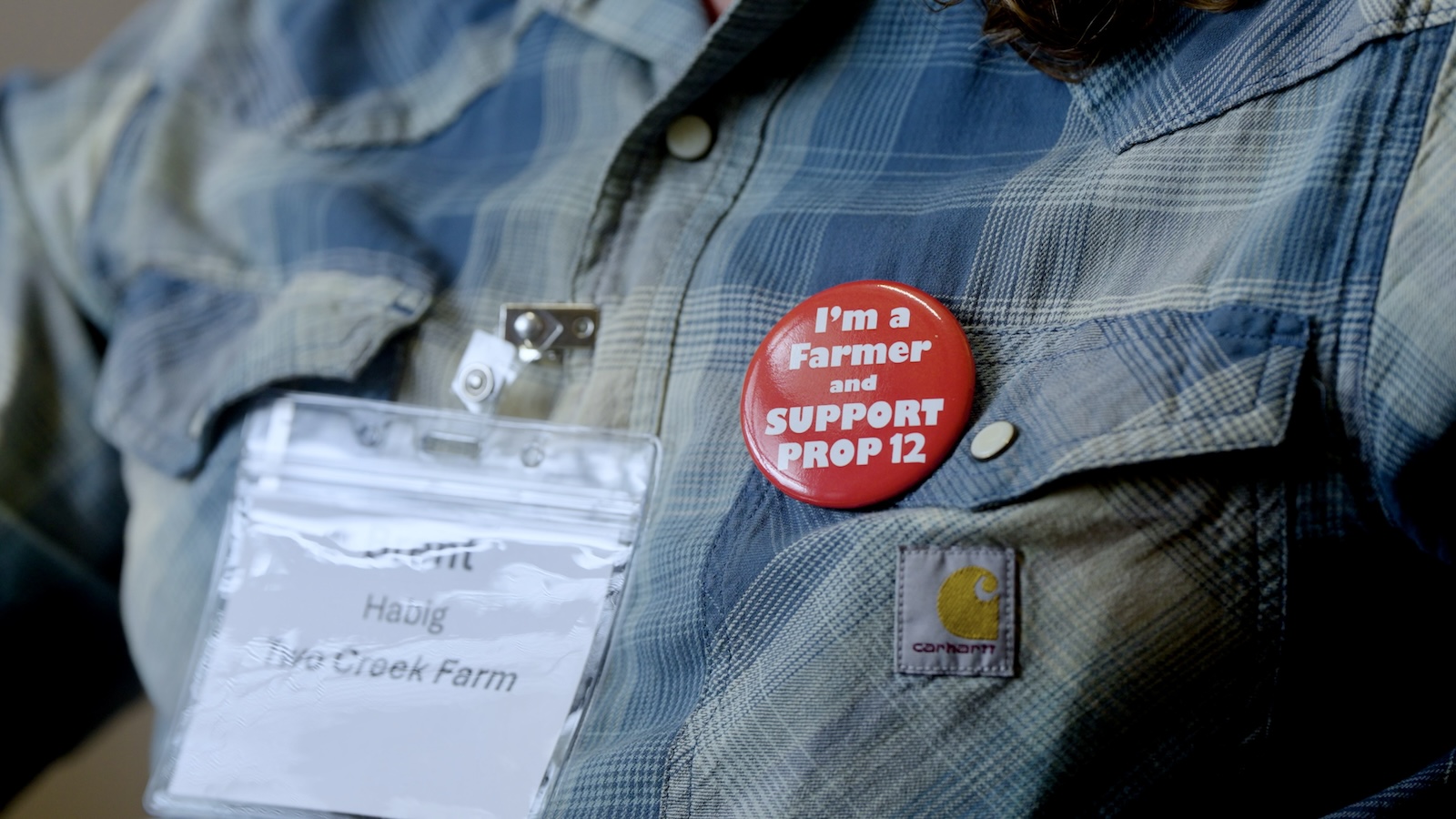
Holly Bice, President of the AMPA, echoed these concerns. She noted that the organization was founded specifically to give a voice to farmers who support state standards and oppose federal intervention like the SOB Act. "For many hog farmers, Prop 12 has been an important opportunity," Bice said. "It’s helped them keep their heads above water at a time when consolidation has increasingly driven out smaller farmers."
Environmental and Public Health Implications
Beyond the economic and ethical arguments, environmental advocates warn that the Save Our Bacon Act could set a dangerous precedent for federal overreach. J.W. Glass, a senior policy specialist at the Center for Biological Diversity, argues that if the federal government can override state laws regarding animal welfare, it could eventually use the same mechanism to strike down state-level environmental protections and public health mandates.
"When you’re doing something that, in a more macro sense, erodes states’ abilities to roll back some of the more harmful aspects of massive commercial agricultural operations, how does that impact any law that could impact agriculture?" Glass questioned. He pointed to state restrictions on certain pesticides and regulations regarding water runoff from factory farms as potential future targets if the SOB Act is successfully integrated into the Farm Bill.
The environmental impact of factory farming is well-documented. Operations that utilize extreme confinement typically produce massive quantities of manure, which is often stored in open-air lagoons. These lagoons are prone to leaking or overflowing during extreme weather events, leading to the contamination of local groundwater and waterways with nitrates, pathogens, and antibiotics. Advocacy groups like Friends of the Earth argue that moving toward pasture-raised or more spacious housing systems can mitigate these risks and improve the overall climate resilience of the agricultural sector.
The Broader Struggle: A Timeline of Delays
The current gridlock is part of a larger pattern of dysfunction surrounding the Farm Bill. The 2018 Farm Bill was originally set to expire in 2023. However, disagreements over funding for the Supplemental Nutrition Assistance Program (SNAP) and climate-related conservation funds led to a one-year extension that expires in late 2024.
- September 2018: The Agriculture Improvement Act of 2018 is signed into law.
- November 2018: California voters pass Proposition 12 with 63% of the vote.
- May 2023: The Supreme Court upholds Prop 12, sparking renewed efforts by House Republicans to draft federal overrides.
- November 2023: Congress passes a one-year extension of the 2018 Farm Bill as a stop-gap measure.
- May 2024: The House Agricultural Committee includes the Save Our Bacon Act in its draft.
- June 2024: The Senate Agricultural Committee releases its draft, excluding the SOB Act, leading to the current stalemate.
The Farm Bill is traditionally a bipartisan effort, as it combines the interests of urban lawmakers (who prioritize nutrition programs) with rural lawmakers (who prioritize commodity subsidies and crop insurance). However, the inclusion of "culture war" issues like animal welfare and the redirection of climate funds from the Inflation Reduction Act (IRA) have turned the 2024 cycle into a highly partisan battlefield.
Analysis of Potential Outcomes
As the 2024 election approaches, the window for passing a new Farm Bill is rapidly closing. There are several potential scenarios that could unfold:
- The House Folds: If House leadership realizes that the SOB Act is a "nonstarter" in the Senate—as suggested by Sara Amundson, President of the Humane World Action Fund—they may remove the provision to ensure the rest of the bill passes. This would protect the $1.5 trillion in projected spending over the next decade.
- Continued Gridlock and Extension: If neither side budges on the SOB Act or the relocation of conservation funds, Congress will likely be forced to pass another one-year extension. This would leave farmers in a state of uncertainty, unable to plan for long-term investments without knowing the future of federal subsidies and insurance programs.
- Bipartisan Compromise: A middle-ground solution could involve a modified version of the SOB Act that provides a longer transition period for farmers or federal grants to help producers retrofit their facilities to meet state standards, though such a compromise currently appears unlikely.
Conclusion
The exclusion of the Save Our Bacon Act from the Senate’s Farm Bill draft represents a significant victory for animal welfare advocates and a growing segment of the agricultural industry that has already adapted to new regulatory realities. However, the move also ensures that the path to a finalized Farm Bill remains fraught with obstacles. For the millions of Americans who rely on the Farm Bill for their livelihoods and their nutrition, the cost of this legislative "civil war" continues to mount. Without a resolution, the foundational policies of American agriculture remain in a state of precarious limbo, dictated by temporary extensions rather than a cohesive, long-term vision for the future of food production.

