
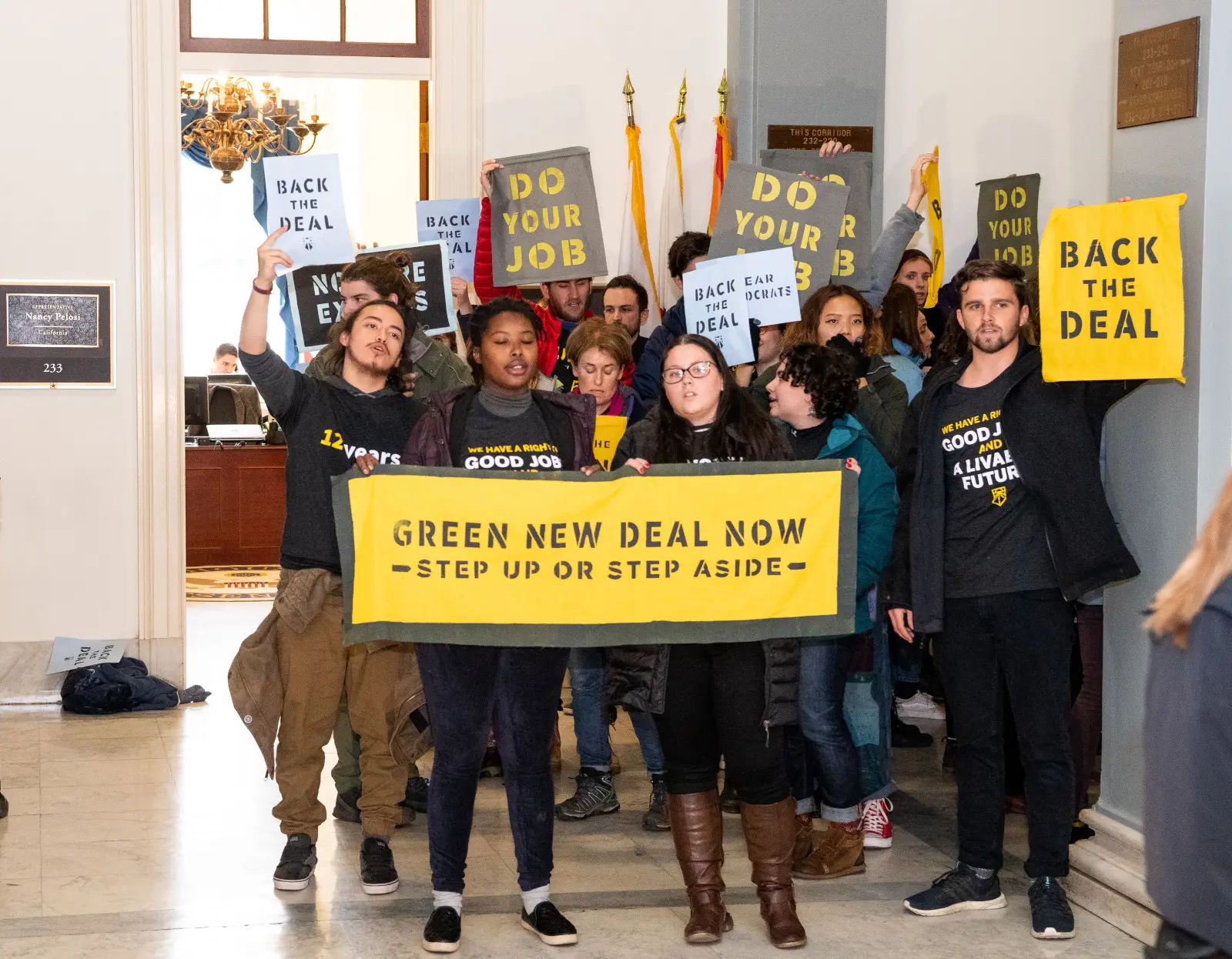
The dissolution of the Green New Deal Network on December 31, 2025, marked the quiet conclusion of a political era that had once promised to fundamentally restructure the American economy through the lens of climate justice. Amidst a broader landscape of political upheaval—characterized by mass federal layoffs, the shuttering of various agencies, and significant cuts to clean energy spending—the passing of this defining coalition went largely unnoticed by the general public. Founded as a robust alliance of climate, labor, and social justice organizations, the Green New Deal Network (GNDN) had been instrumental in shifting the national conversation during the Biden administration. However, the political environment that emerged following the 2024 reelection of Donald Trump rendered the coalition’s original structure obsolete. As the federal government pivoted toward a policy of deregulation and an overt hostility to climate initiatives, the momentum that once fueled the Green New Deal appeared to evaporate, forcing activists to seek new vehicles for change.
The Context of Dissolution and a Changing Political Landscape
The Green New Deal Network was never intended to be a permanent fixture, but its demise was significantly accelerated by the shifting national mood. During the early 2020s, the movement capitalized on a friendly executive branch and a Democratic-controlled Congress to push for historic investments in green infrastructure, most notably through components of the Inflation Reduction Act. However, the 2024 election results signaled a shift in public priorities. Concerns over the cost of living and inflation began to eclipse climate change in public opinion polls, and the Trump administration’s immediate assault on environmental regulations left the traditional climate movement in a state of crisis.
In an official statement on its website, the GNDN acknowledged that the conditions of its founding had fundamentally changed. The mission of achieving "climate, jobs, and justice" remained unfinished, the statement noted, but the specific vehicle built to win the political battles of the 2020-2024 era was no longer effective. This admission highlighted a broader trend within the American left: a realization that federal legislative victories were becoming increasingly unlikely in a hostile Washington environment. Consequently, activists began to look toward local and regional battlegrounds where tangible, immediate impacts could be felt.
From Federal Policy to Local Resistance: The Shift to Data Centers
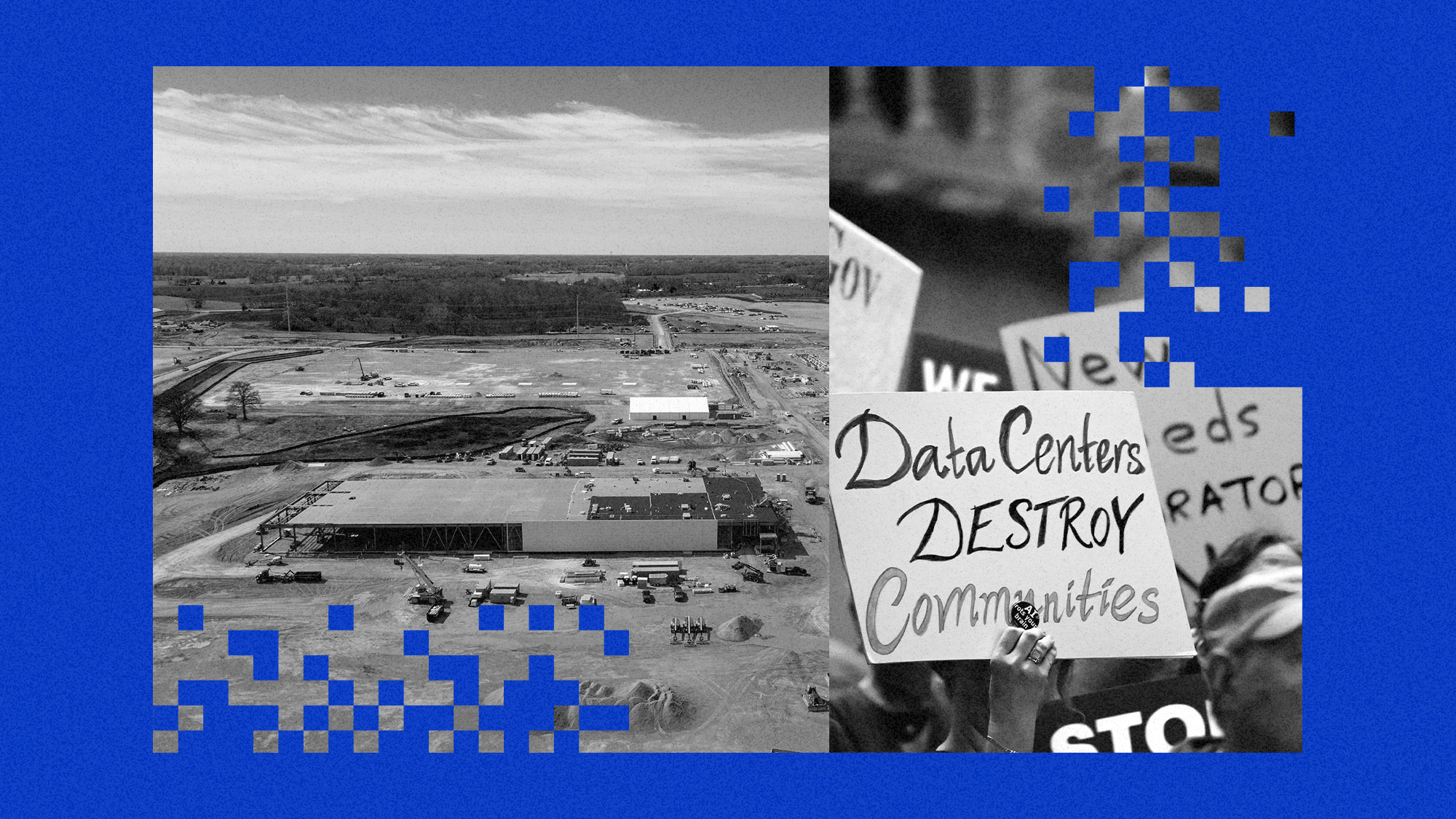
As the national climate movement searched for a new direction, a specific target began to emerge: the rapid expansion of artificial intelligence (AI) data centers. Saul Levin, the former director of campaigns and politics for the Green New Deal Network, exemplifies this pivot. Levin transitioned from lobbying for federal climate legislation to organizing a grassroots movement against the proliferation of hyperscale data centers. Through a Signal chat that has grown to include over 350 members across 40 states, Levin has helped coordinate local opposition to these massive digital warehouses. His podcast, "The Hum," has become a central hub for sharing strategies and success stories from communities fighting to protect their resources from Big Tech expansion.
This shift is not merely a change in tactics but a strategic alignment with a growing bipartisan concern. Unlike the Green New Deal, which often faced criticism for its broad social justice mandates, the anti-data center movement focuses on concrete local issues: water scarcity, soaring electricity bills, and the physical footprint of industrial facilities in residential or rural areas. This focus has allowed climate activists to form alliances with groups that would traditionally be skeptical of environmentalist rhetoric.
Technical Drivers and the Energy Crisis
The primary driver behind the surge in data center construction is the global AI boom. Processing the massive amounts of data required for large language models and generative AI necessitates specialized hardware that consumes vast quantities of electricity and water. According to a recent report from the Lawrence Berkeley National Laboratory, data centers are projected to account for approximately one-third of the total growth in U.S. electricity demand between 2024 and 2030.
This thirst for power is creating a direct conflict with national and state-level climate goals. To meet the immediate energy needs of these facilities, utilities are increasingly turning to natural gas infrastructure. A typical AI data center can demand as much electricity as 100,000 households; however, the largest "hyperscale" facilities currently under development may require up to 20 times that amount. The International Energy Agency (IEA) has warned that this rapid expansion threatens to undo years of progress in transitioning the grid to renewable energy. By consuming the available capacity of existing clean energy sources, data centers force utilities to keep coal and gas plants online longer than planned, or even build new fossil fuel capacity to handle the "baseload" requirements that intermittent wind and solar cannot yet meet.
Case Study: The Seattle Moratorium and Washington State
Washington state has become a primary battlefield for this new wave of activism. Known for its progressive Climate Commitment Act, which mandates a 95 percent reduction in greenhouse gas emissions by 2050, the state is now facing a crisis of its own making. New natural gas pipelines proposed to supply data centers in Eastern Washington and the Columbia River Gorge could add 13.5 million metric tons of carbon dioxide annually—representing a 14 percent increase in the state’s total emissions.
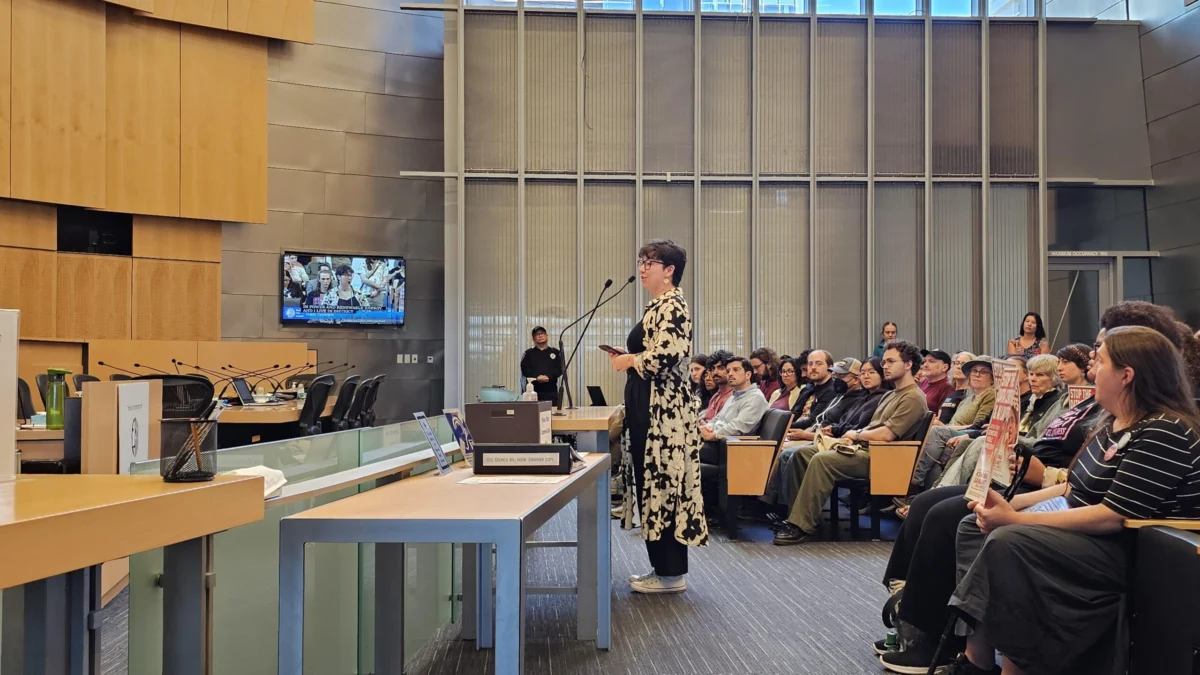
In response, local activist groups like 350 Seattle and the Soapbox Project successfully lobbied the Seattle City Council to pass a unanimous moratorium on new large-scale data centers. This victory made Seattle the largest city in the United States to officially suspend approvals for such facilities. Nivi Achanta, founder of the Soapbox Project, noted that the fight provided an "on-ramp" for citizens who felt powerless in the face of global climate change. The local nature of the data center fight—where citizens can attend city council meetings and see immediate policy results—has proven to be a powerful antidote to the political disillusionment that followed the 2024 election.
The Grassroots-Institutional Divide
The movement to curb data center expansion has also revealed a growing rift between grassroots organizers and established environmental institutions. Earlier this month, a letter sent to Congress calling for a nationwide moratorium on AI data centers was signed by over 500 groups, including Greenpeace USA, Food and Water Watch, and Third Act. However, prominent organizations such as the Sierra Club, the Natural Resources Defense Council (NRDC), and the Nature Conservancy were notably absent from the list.
While these "Big Green" groups have expressed concerns about the environmental impact of data centers, they have generally stopped short of calling for a total moratorium. Jeremy Fisher, a principal advisor for the Sierra Club, stated that the organization advocates for holding Big Tech to higher standards and encouraging investment in new renewable energy projects rather than a blanket ban. This cautious approach reflects a long-standing tension within the environmental movement: grassroots groups favor rapid, disruptive action to address immediate threats, while larger institutions often align with the pragmatic, pro-development stances of mainstream Democratic leaders. Thomas Meyer of Food and Water Watch pointed out that some organizations tend to follow the lead of elected officials, such as Michigan Governor Gretchen Whitmer, who has actively courted data center development as an economic driver.
Bipartisan Alliances and Civic Engagement
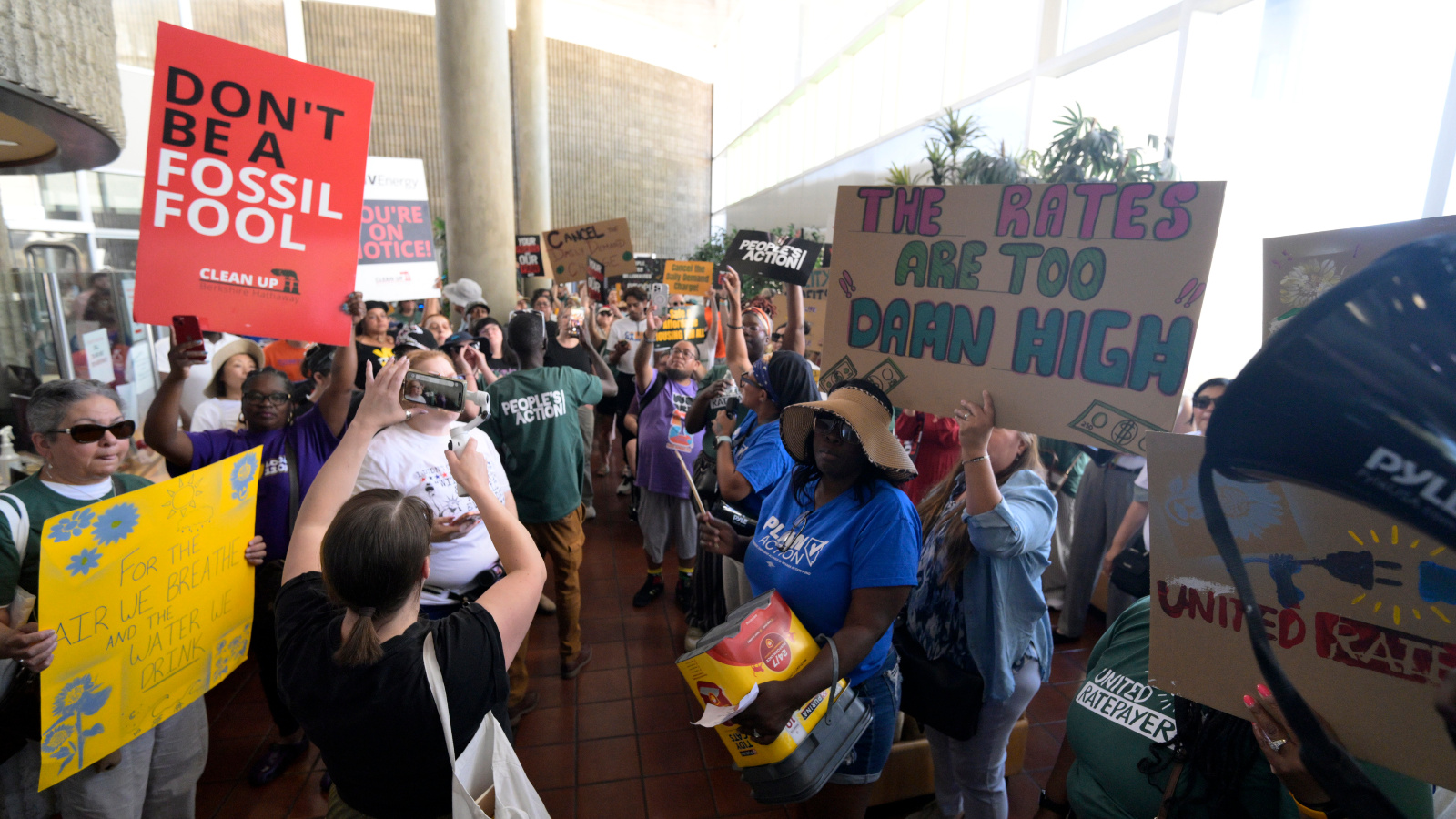
One of the most significant implications of the anti-data center movement is its ability to bridge the partisan divide. Polling from Gallup indicates that 75 percent of Democrats and 63 percent of Republicans oppose the construction of data centers in their local communities. This rare alignment of interests stems from a shared concern over "ratepayer harm"—the phenomenon where utility companies raise electricity prices for ordinary residents to subsidize the massive infrastructure upgrades required by tech giants.
In rural areas, where many data centers are proposed due to cheaper land and lower taxes, the opposition often centers on land use and the preservation of agricultural heritage. Farmers in Oregon and beauty salon owners in Maryland have found themselves on the same side as climate activists from urban centers. This cross-pollination of interests is "stitching society back together," according to Lauren Redfield of the Washington AI Resistance. By focusing on the shared physical reality of their communities—the water they drink, the air they breathe, and the bills they pay—Americans are finding common ground that has been elusive in the broader national political discourse.
Economic and Strategic Impacts
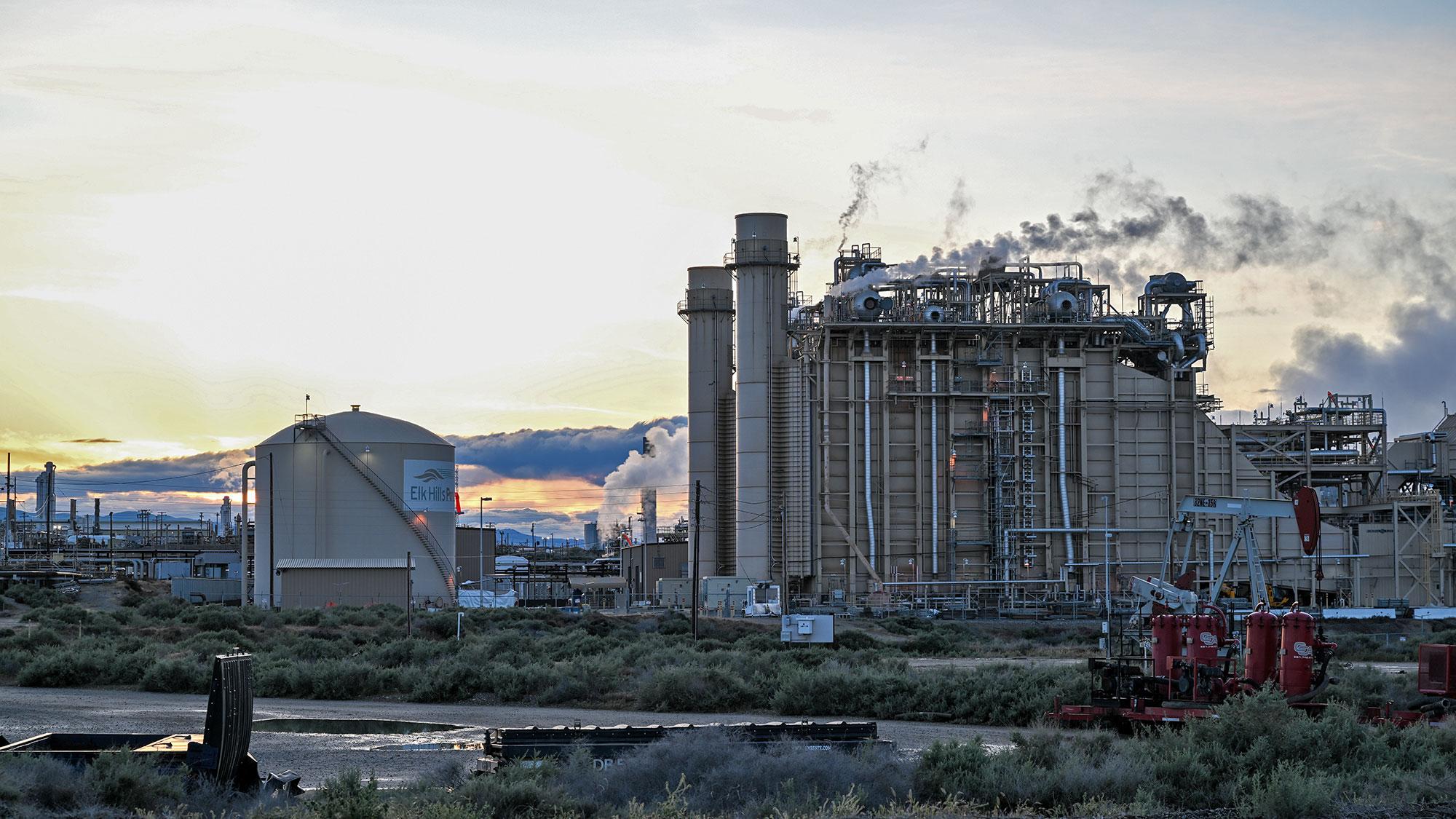
The effectiveness of this localized resistance is already being felt by the technology sector. In the first quarter of 2026, data center opponents successfully blocked or delayed at least 75 facilities, representing nearly $130 billion in planned investment. This resistance is forcing Big Tech companies to reconsider their deployment strategies, with some exploring the possibility of placing data centers in remote oil fields or utilizing small modular nuclear reactors to bypass the public grid.
However, activists like Thomas Meyer argue that even "green" data centers present a problem of resource allocation. When a company like Amazon outbids a local utility for a major solar project, it effectively "shifts the pie" rather than growing it. The renewable energy that could have decarbonized the existing public grid is instead diverted to power new AI computations, leaving the general public to rely on older, dirtier energy sources.
Conclusion: A New Era of Climate Activism
The death of the Green New Deal Network signals the end of a specific strategy—one focused on top-down, federal transformation. In its place, a more fragmented but highly agile movement is emerging. By targeting the physical infrastructure of the digital age, climate activists are finding new ways to exercise power in an era of federal hostility. The fight against AI data centers represents a pivot toward a more tangible form of environmentalism, where the outcomes are measured in megawatts saved and gallons of water preserved in local aquifers.
As the AI boom continues to clash with the realities of a warming planet, these local conflicts are likely to intensify. The transition from the broad, aspirational goals of the Green New Deal to the concrete, defensive battles against data centers reflects a movement that is maturing and adapting to a more difficult political landscape. While the path forward is no longer paved with federal legislation, the surge in civic engagement at the local level suggests that the spirit of the climate movement remains resilient, even as its vehicles for change continue to evolve.

