
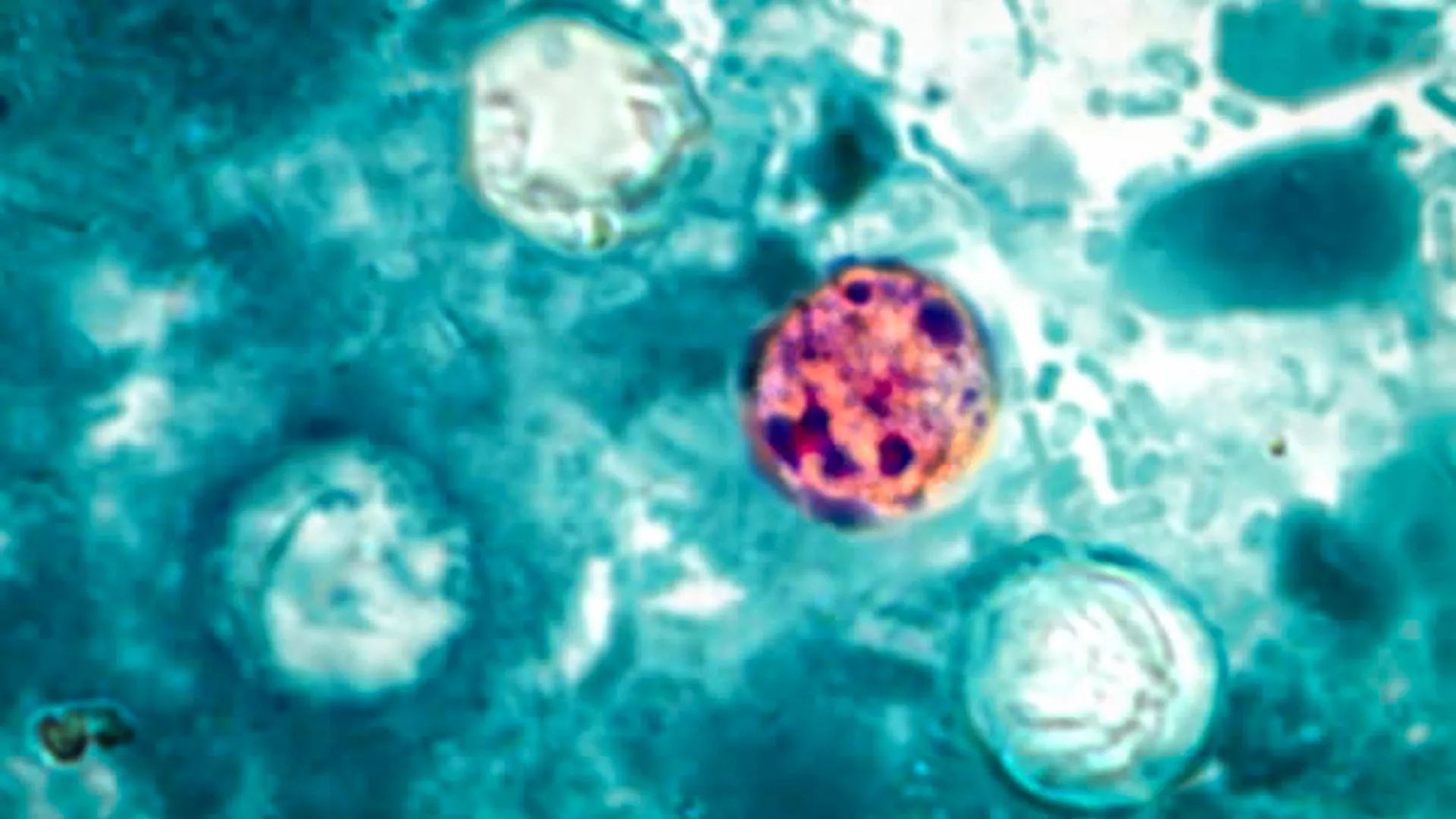
The U.S. Centers for Disease Control and Prevention (CDC), in collaboration with state and federal health agencies, is actively investigating multiple outbreaks of cyclosporiasis across the nation. Efforts to pinpoint and confirm the definitive sources of these illnesses are ongoing, with particular attention focused on a significant multistate outbreak affecting at least four Midwestern states. Public health officials are meticulously interviewing individuals who have fallen ill, gathering crucial details about their dietary habits in the period preceding symptom onset. As of the latest reporting, a specific food item has not yet been definitively identified as the common link, underscoring the complexity and urgency of the investigation.
Cyclosporiasis: A Growing Public Health Concern
The CDC has expressed significant concern regarding the notable increase in cyclosporiasis cases observed since early May. Beyond the large-scale multistate outbreak, federal and state authorities are simultaneously examining several other localized clusters of illness throughout the United States. While cyclosporiasis is typically not a life-threatening condition, severe cases can necessitate hospitalization, highlighting the importance of prompt medical attention for anyone experiencing symptoms.
Timeline of the Outbreak and Investigation
The emergence of these outbreaks can be traced back to the beginning of May, with a discernible uptick in reported cases. By July 13th, the CDC had logged over 400 confirmed infections directly linked to the multistate outbreak. These confirmed cases have been identified in Michigan, Ohio, West Virginia, and Kentucky. Individuals reporting illness in connection with this specific outbreak indicated symptom onset on or after June 22, 2026.
However, health officials emphasize that the actual number of individuals infected is likely considerably higher than the reported figures. This discrepancy arises from several factors:
- Undiagnosed Cases: Some individuals may recover without seeking medical care, meaning their infection is never formally diagnosed or tested for Cyclospora.
- Delayed Reporting: The incubation period for cyclosporiasis can range from two days to two weeks or even longer. This lag time means that recent illnesses may not yet be reflected in official counts as the incubation period and subsequent investigation take time to confirm an outbreak link.
- Geographic Spread: The current outbreak may extend beyond the four states where cases have been confirmed, with ongoing investigations potentially revealing additional affected regions.
The systematic collection of data is a critical component of the investigation. Public health officials are meticulously gathering demographic information from patients, including age, race, ethnicity, and other relevant details, alongside comprehensive dietary histories. The analysis of these responses is crucial for identifying potential patterns that could lead investigators to the contaminated food source.
Collaboration and Data Collection Efforts
The U.S. Food and Drug Administration (FDA) is working in tandem with the CDC and state public health and regulatory agencies. This collaborative effort involves the review of multiple streams of information, including epidemiological data, laboratory findings, and traceback investigations into the supply chains of potentially implicated food products. The goal is to construct a comprehensive picture that facilitates the identification of the contaminated item.
Understanding Cyclosporiasis: Symptoms and Risks
Cyclosporiasis is an intestinal illness caused by the microscopic parasite Cyclospora cayetanensis. It is typically transmitted to humans through contaminated food or water. The parasite infects the small intestine, leading to gastrointestinal distress.
Common Symptoms of Cyclosporiasis Include:
- Watery diarrhea
- Loss of appetite
- Weight loss
- Cramping
- Bloating
- Gas
- Nausea
- Fatigue
These symptoms can be debilitating and significantly impact an individual’s quality of life. While most individuals recover without specific medical intervention, the illness can persist for weeks or even months. In some cases, the infection can lead to complications, particularly in individuals with compromised immune systems. Prompt medical evaluation is therefore crucial for accurate diagnosis and appropriate treatment.
Guidance for the Public and Healthcare Providers
Health authorities are issuing clear guidance to the public on what to do if they experience symptoms suggestive of cyclosporiasis.
Recommendations for Individuals Experiencing Symptoms:
- Contact a Healthcare Provider: Individuals exhibiting symptoms should consult a healthcare professional promptly. Early diagnosis can lead to timely treatment and help prevent potential complications.
- Provide Detailed Information: If diagnosed with cyclosporiasis, patients may be contacted by local or state health officials. It is imperative to provide detailed information about food consumption in the two weeks preceding illness. This information is invaluable in helping investigators trace the source of the outbreak.
- Stay Informed: Consumers are encouraged to stay updated on food recalls and outbreak information issued by health agencies. This proactive approach can help individuals make informed decisions about their food choices.
- Preventative Measures: Understanding which foods are more commonly associated with Cyclospora and implementing recommended preventative measures can significantly reduce the risk of infection. These measures often include thorough washing of produce and proper food handling.
Guidance for Healthcare Providers:
Healthcare providers play a critical role in the surveillance and control of cyclosporiasis outbreaks. They are urged to:
- Report Cases: Promptly report all suspected and confirmed cases of cyclosporiasis to their local health department. This reporting is essential for tracking the spread of the illness and for initiating public health investigations.
- Consult Clinical Resources: Additional information regarding the diagnosis, treatment, and management of cyclosporiasis is available through resources such as the CDC’s "Clinical Care of Cyclosporiasis" guidance.
Broader Implications and Public Health Significance
The ongoing cyclosporiasis investigations underscore the interconnectedness of the global food supply and the potential for foodborne illnesses to spread rapidly across vast geographical areas. The involvement of multiple federal agencies, including the CDC and FDA, along with state health departments, highlights the coordinated response required to effectively manage such public health crises.
The economic implications of such outbreaks can also be substantial, impacting agricultural producers, food distributors, and retailers through product recalls, loss of consumer confidence, and potential litigation. Furthermore, the prolonged nature of Cyclospora infections can place a significant burden on healthcare systems and lead to lost productivity for affected individuals.
The CDC’s emphasis on consumer education regarding food safety practices, such as proper produce washing and mindful purchasing, is a crucial element in mitigating future outbreaks. As the investigations continue, the public will be kept informed of any confirmed findings regarding the source of the contamination and any related public health advisories. The dedication of health agencies to meticulously tracing these outbreaks serves as a testament to their commitment to protecting public health and ensuring the safety of the nation’s food supply. The current situation serves as a stark reminder of the constant vigilance required in identifying and responding to foodborne pathogens in an increasingly complex food system.

